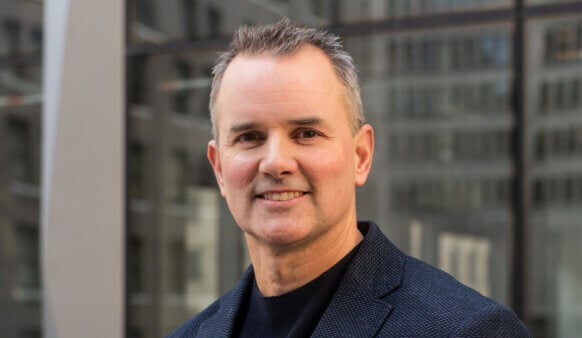
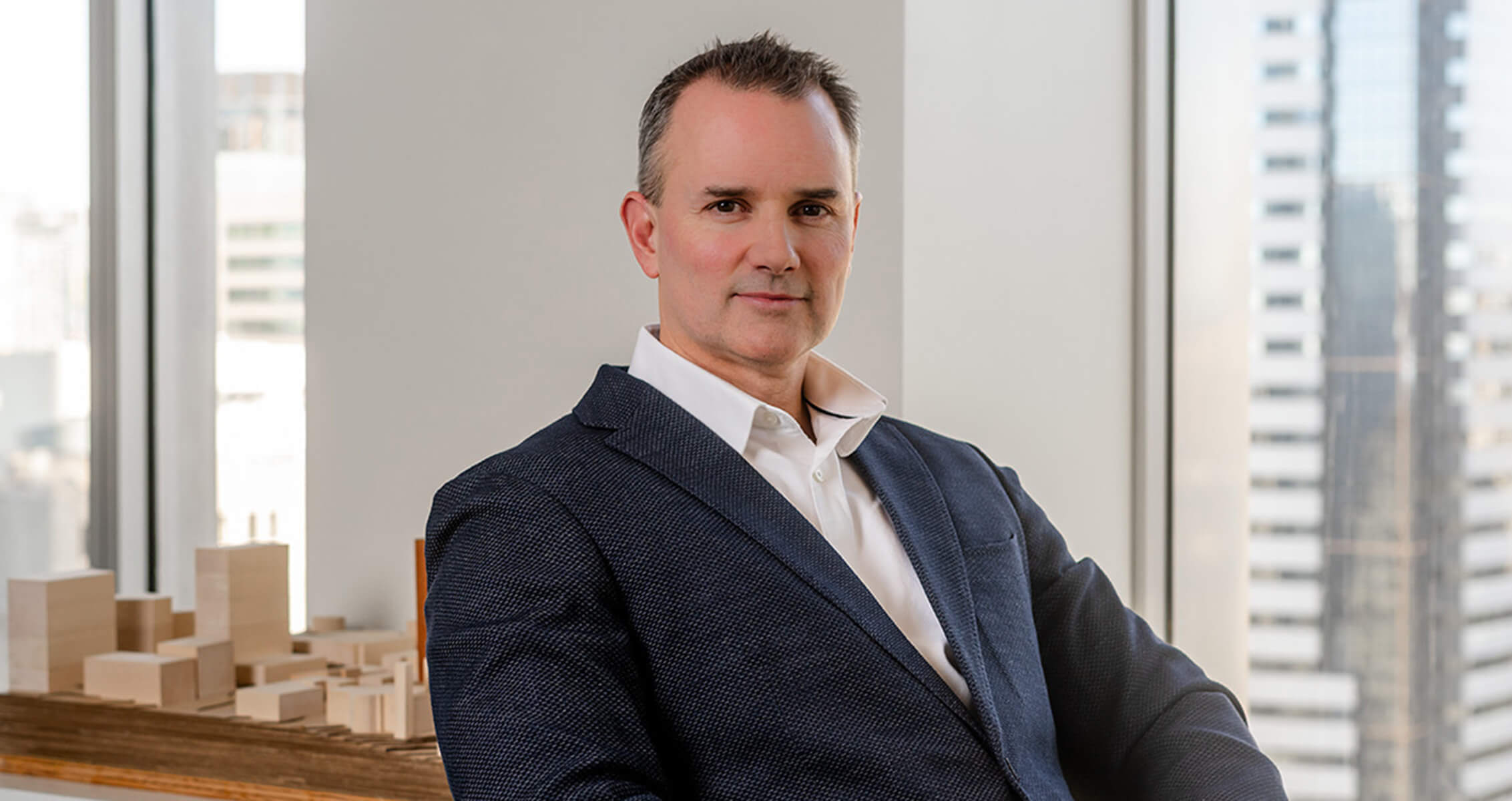
In December 2025, Todd Buchanan joined Perkins&Will Seattle as managing director. Since then, he has already made an impact on our studio and work. With more than two decades of experience managing major civic, healthcare, and aviation projects across the region, he has developed a unique perspective on leading with intention and navigating a shifting Pacific Northwest market.
You’ve been leading large, complex projects in this area for a long time—what factors do you see shaping development in our city and region right now?
Challenges
Seattle is in a period of recalibration. Economic pressures, evolving tax policies, and a housing shortage across all price points are influencing where investment is flowing. At the same time, nearby cities, particularly on the Eastside, have become more attractive for development, which is shifting both capital and momentum across the region. Many organizations are also taking a closer look at their real estate strategies. We are seeing clients right-size campuses, reevaluate workplace models, and carefully assess where future investment makes sense. While there are fewer traditional commercial starts, this feels less like a slowdown and more like a reset. Our role is to help clients navigate that change with clarity and purpose.
Opportunities
Even with these pressures, there is meaningful work happening in Seattle and across the region. It is a highly competitive environment, which raises the bar for everyone. We are seeing continued opportunity in retail, education, corporate & commercial, healthcare, transportation, and science & technology, sectors where long-term value and performance matter most. There is also a noticeable flight to quality. Clients are asking more thoughtful questions about resilience, experience, and impact. Perkins&Will is well-positioned to respond. We bring deep local knowledge paired with the scale and expertise of a global firm, which allows us to move quickly and deliver thoughtfully, even in a dynamic market.
Trends
One of the most active conversations in the profession right now is around emerging technologies, particularly AI, and how they can support better decision-making. At Perkins&Will, the focus is on using these tools responsibly to enhance analysis, accelerate exploration, and strengthen outcomes for our clients. That comes through investment in training, research, and clear guardrails around how tools are applied.
At the urban scale, we are also seeing a renewed focus on mixed-use environments, especially downtown. The conversation has shifted from density alone to balance, how housing, retail, workplaces, and public space come together to create places people want to be. Design plays a central role in shaping that next phase.
Now that you’ve spent some time getting to know the firm and the team, where do you see Perkins&Will making a unique impact for clients?
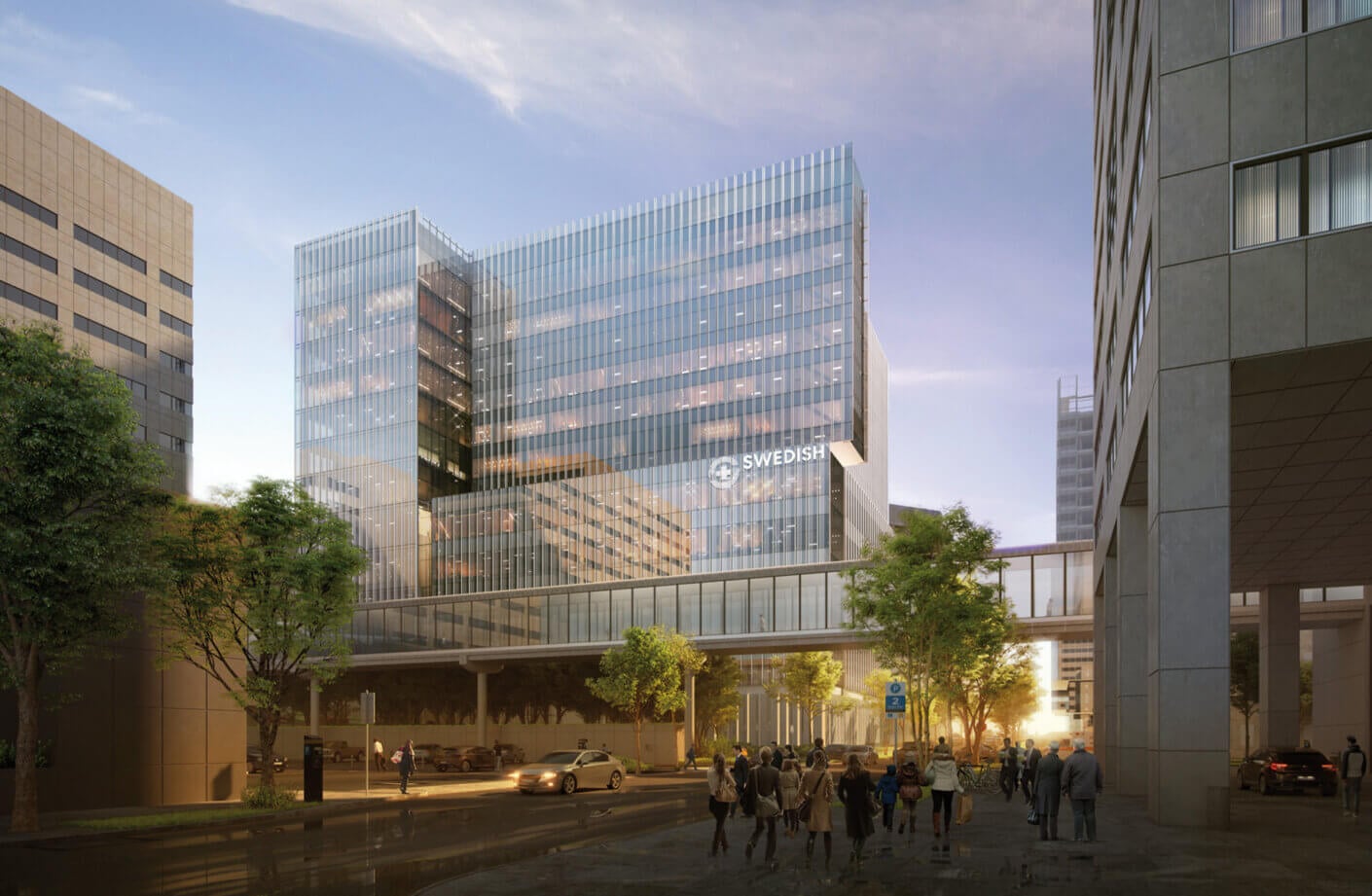
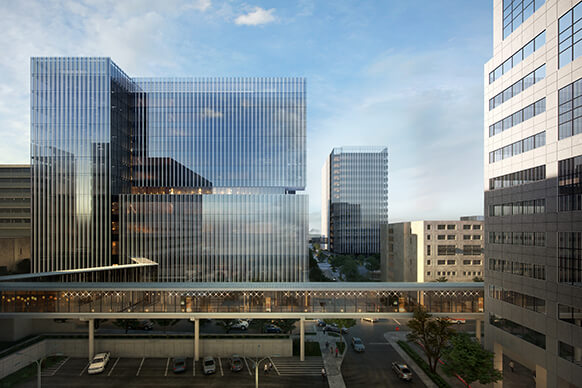
Perkins&Will’s differentiator is the combination of breadth and depth across practice areas. We have incredible expertise across disciplines, sectors, and geographies. The key is bringing that together in a way that feels integrated and personal to clients. When we do that well, we can assemble the right team quickly and maintain continuity throughout a project. Our work on the Harborview Medical Center campus expansion is a good example, where specialists from across the firm came together in a cohesive way to support a complex, mission-driven client. That ability to align expertise with purpose is where we make our greatest impact.
As managing director, you wear several hats. What leadership strategies help you fulfill the role?
For me, it starts with understanding people. Knowing where individuals do their best work allows me to focus on creating the conditions for teams to succeed. Leadership is less about doing everything yourself and more about enabling others to perform at their highest level. I am also very intentional about how I spend my time. Being clear about where I personally add the most value helps me prioritize. I protect time for outreach, mentorship, and long-term thinking because those efforts tend to generate the greatest return over time. The goal is to be effective, not just busy.
What are your goals for your first year and the next five years?
In the near term, my focus is on momentum and people. We have exciting projects underway and an opportunity to invest thoughtfully in hiring, development, and culture. Creating an environment where people feel supported, challenged, and excited about the work is essential to setting the studio up for long-term success.
Looking ahead, success is not defined by size alone. I want this studio to be known for doing exceptional work for clients who value partnership and design excellence. That means strengthening our presence across market sectors while continuing to cultivate the next generation of leaders who will guide the practice forward. Quality, relevance, and purpose will be the measures that matter most.