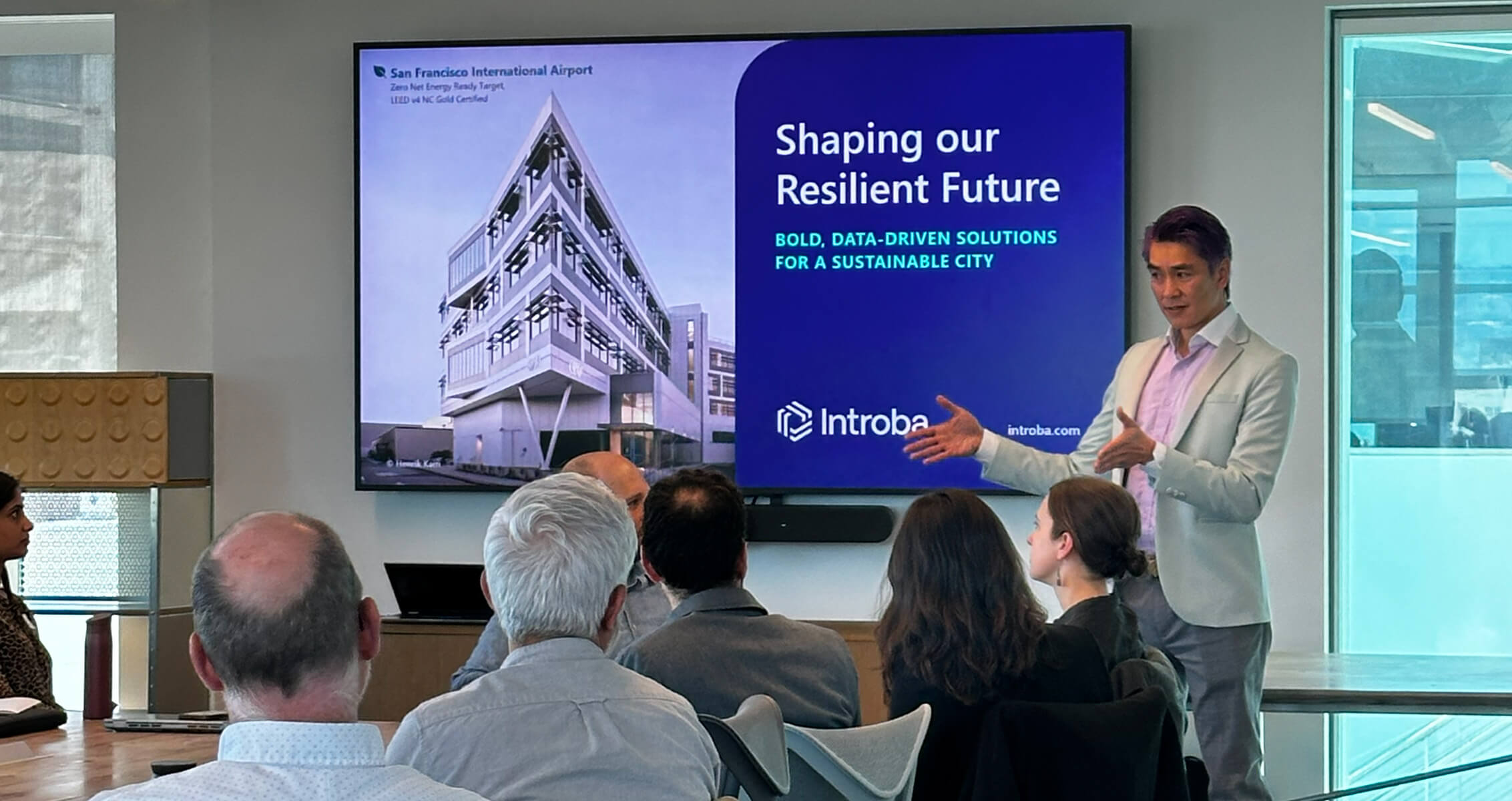
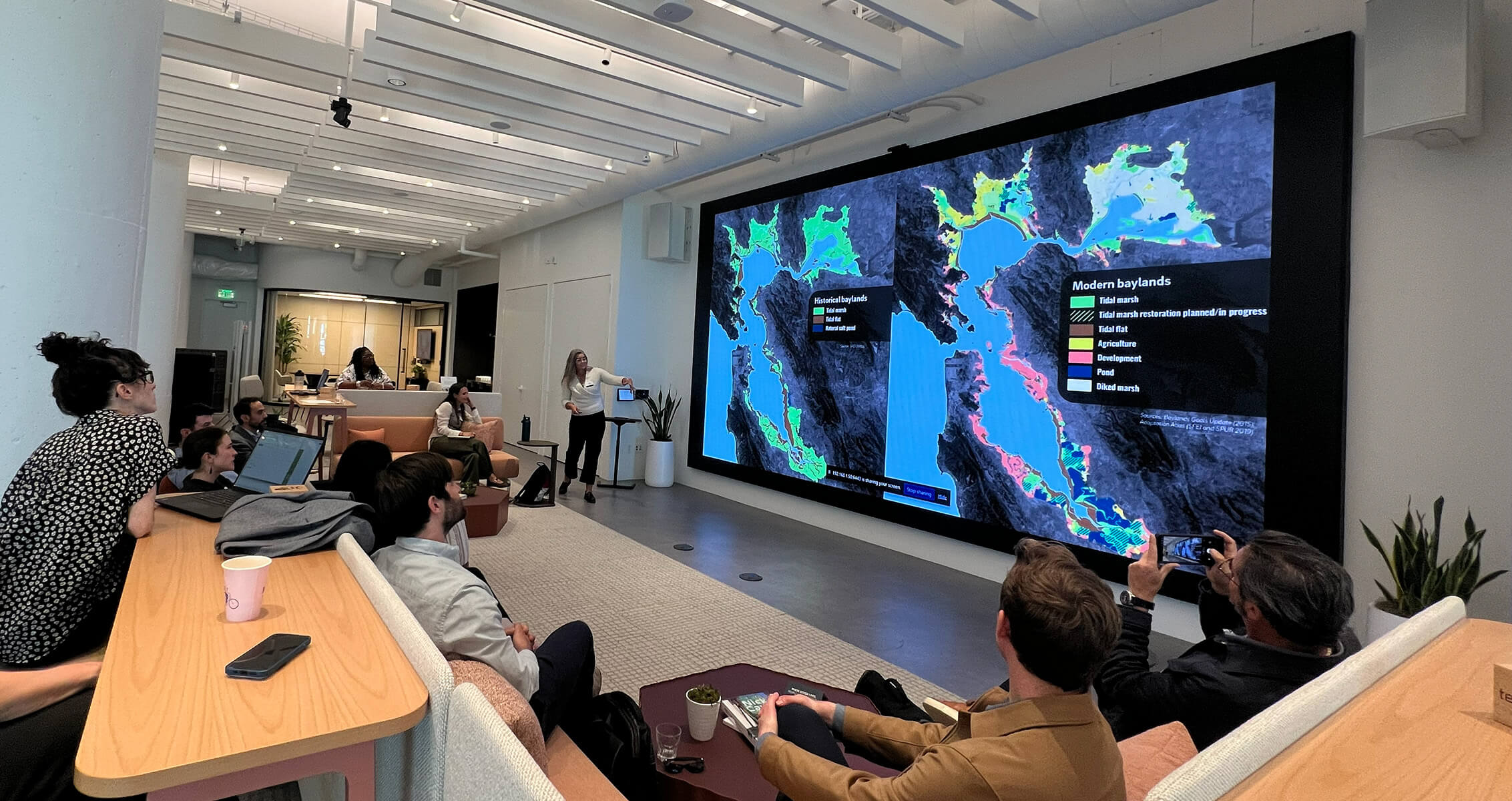
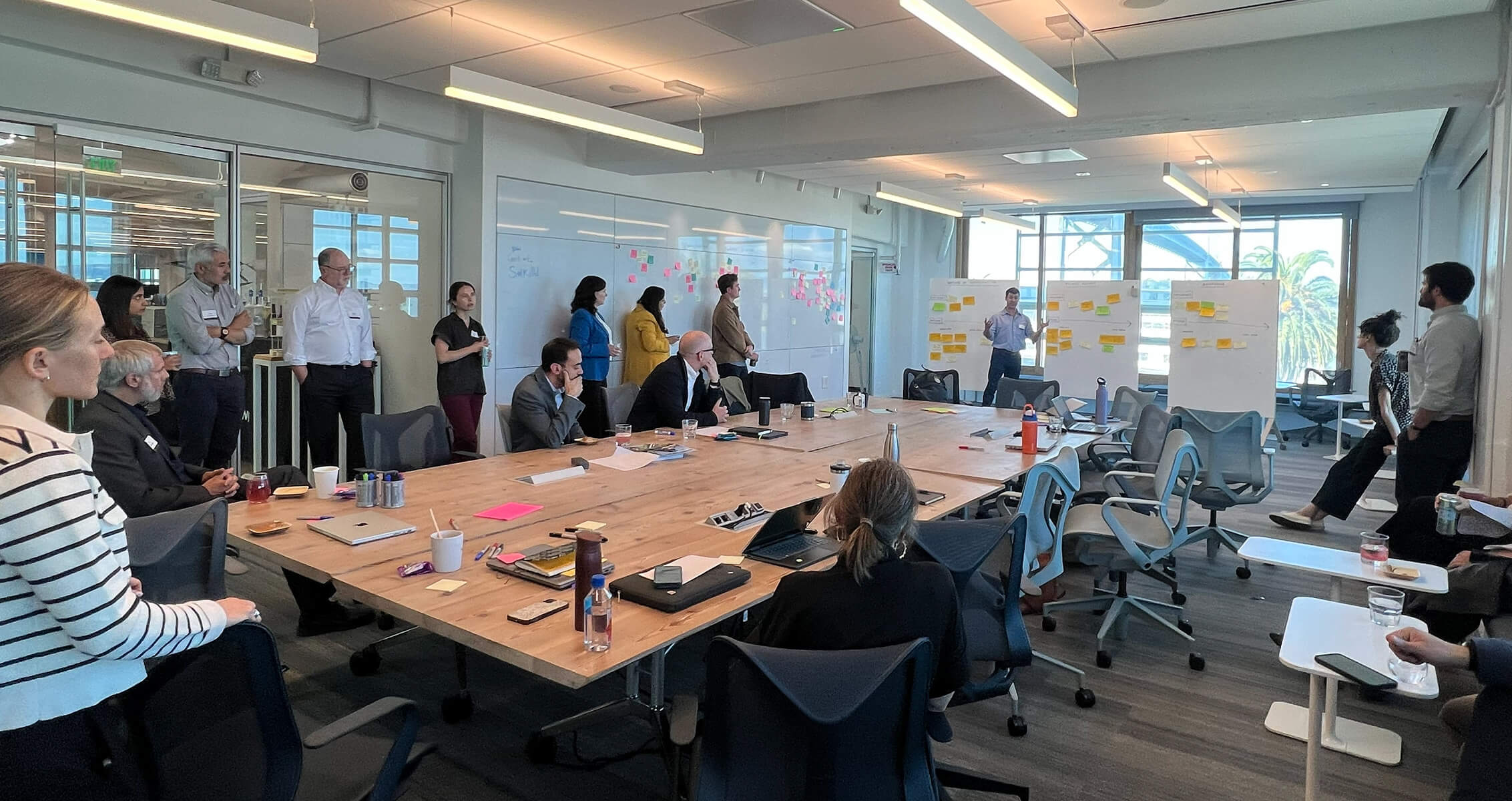
The second workshop brought together leaders from different sectors—local government, advocacy, design, engineering, implementation, and building operations—around a shared question: How do California communities actually get to zero emissions by 2045?
One of the most fruitful discussions of the afternoon centered on San Francisco’s proposed model Building Performance Standard, or BPS, and how it could help inform a broader statewide approach being advanced by the California chapter of USGBC.
A BPS policy requires existing buildings to meet specific, measurable performance targets over time, typically for energy use, greenhouse gas emissions, and water consumption. Unlike simple reporting, a BPS mandates performance improvements by set deadlines. San Francisco’s proposed plan would expand on current benchmarking rules, and some buildings may need to submit energy audits or decarbonization strategies. The city is still consulting with industry stakeholders and developing the policy, with no confirmed deadlines for approval or implementation announced yet.
But San Francisco is not starting from scratch. Speakers referenced lessons from Boston’s BPS implementation as a useful touchstone, both for what has worked and for anticipated pitfalls. This type of peer learning across cities can help compress timelines, avoid costly missteps, and create more consistent expectations for building owners.
Equity was a recurring concern. Participants acknowledged that BPS compliance may be more challenging for owners of smaller buildings, who typically have fewer resources and may have less experience with sophisticated building operations. With the right policy design, supportive resources, and implementation timeline, some of these challenges can be managed. Still, the group identified this as a meaningful equity and implementation issue that will need to be addressed as the standard matures.
This question was echoed throughout the afternoon: How do we effectively support stakeholders in meeting these requirements?
In response to this question, several themes rose to the forefront:
Early Adopters Are Not a Strategy
The early phases of any BPS rollout naturally attract high-interest, high-capacity building owners. These are the owners with in-house sustainability staff, existing relationships with consultants, and a clear motivation to lead. Their participation is valuable, but it is not the same as scale. The harder question, and one the group wrestled with directly, is what comes next. Who are the second and third waves of adopters, and what support will they need that early adopters did not?
Long-term success depends on reaching the broad middle of the market: mid-size landlords, institutional owners with complex portfolios, and building managers who may never have had to think about a performance standard before.
Cities Cannot and Should Not Have to Go it Alone
When cities are asked to implement ambitious climate standards, the burden often falls on staff with limited capacity and constrained budgets. Many jurisdictions approach the project in isolation, developing methodologies and compliance frameworks without engaging their neighbors. A centralized framework could help—shared tools, consistent standards, common timelines, and adaptable policy models that cities can use without having to start from scratch.
This matters because property owners with assets in San Francisco, Oakland, and San Jose should not have to navigate three fundamentally different compliance regimes. Consistency is not just administratively convenient. It is a prerequisite for market acceptance and support. This is where USGBC-California can play a vital role through its peer learning network, policy guidance, and its ability to connect jurisdictions working through similar implementation questions.
Think Systems Change, Not Incremental Improvement
Achieving BPS goals at scale requires rethinking systems, and permitting is the clearest example. The current permitting infrastructure in most Bay Area cities was not designed for the pace or volume of building retrofits that a serious decarbonization pathway will require. That is not a minor adjustment. It is a redesign challenge. The implication is uncomfortable but important: planning only for incremental progress is planning to fall short.
Opportunity also exists—a permitting system designed to support building decarbonization could adopt advanced technologies, improve coordination, and potentially accelerate the adoption of applications beyond climate-related retrofits.