Perspectives April 16, 2026

Spotlight on Regenerative Design

In honor of Earth Month, we’re excited to introduce Teresa Jan, Perkins&Will San Francisco’s new Director of Regenerative Design.
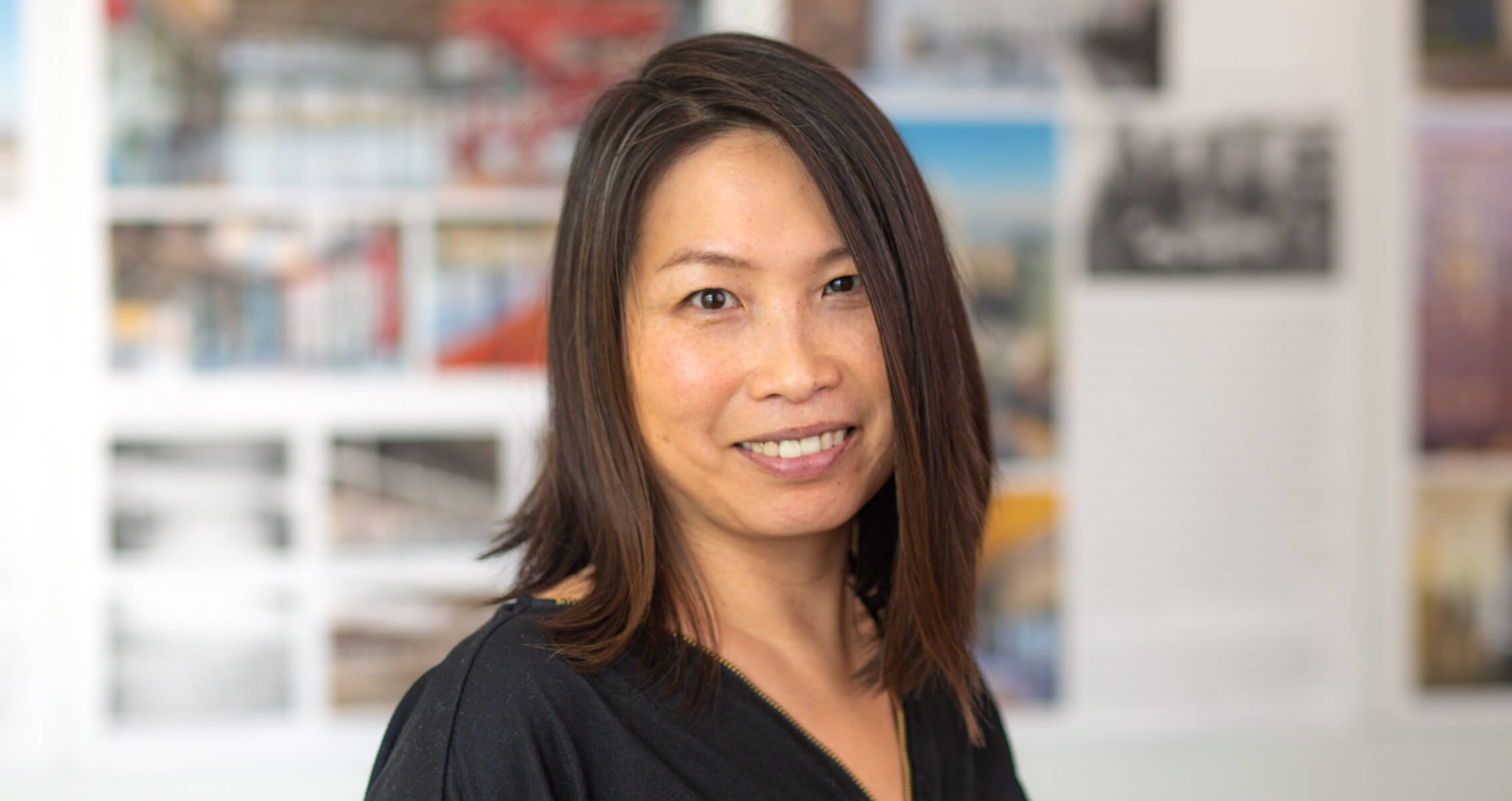
Headshot of Teresa Jan, Director of Regenerative Design for Perkins&Will's San Francisco studio
Teresa Jan

Teresa is an urbanist with a deep love for nature, always exploring how cities and ecosystems can thrive together. She also “walks the talk”—she recently completed a multi-year home electrification journey and is an active member of her local community garden. She’s passionate about her work at the intersection of climate, resilient communities, and the built environment. Outside the studio, she serves on the USGBC-CA Regional Leadership Advisory Board, and supports AIA San Francisco’s Committee on the Environment and SPUR.

We recently sat down with her to discuss her new role, what excites her about the industry right now, and what makes her work particularly timely and urgent.

What will you be working on at Perkins&Will?

Teresa Jan: As the Director of Regenerative Design for the San Francisco studio, my role is to lead the project teams to integrate Living Design Drivers in partnership with our clients, and advance regenerative thinking across our portfolio, from early concepts to delivery, so sustainability is embedded in our story from the start.

What are Living Design Drivers?

TJ: Often, our world is split between data and design. But sustainable design goes beyond numbers and EUI targets—it directly affects lives. Perkins&Will’s Living Design framework is a holistic approach that incorporates diversity and inclusion, research, sustainability, resilience, and regeneration, while also considering how the spaces we design impact communities, influence human health and well-being, and drive innovation, among other things.

How do you implement these strategies in complex projects, such as hospitals?

TJ: We integrate regenerative solutions from the very outset of every project. Hospitals are more than clinical buildings—they are community hubs where minds and bodies heal together. Moving beyond standard requirements, our teams lead with curiosity, asking critical questions and providing both thought leadership and design coordination in close collaboration with stakeholders. This approach allows us to develop comprehensive, site‑specific strategies that span master planning, architecture, landscape, and interiors.

It also entails considering systems at every scale, from native pollinator gardens supported by healthy soil practices to low‑impact glazing and cladding; from healthy materials and finishes to resilient, energy‑ and water‑efficient building infrastructure. Whether shaping multi‑phase campus plans or designing inpatient facilities, we lead integrated design teams to evaluate and inform our clients’ multi‑pronged strategies. These coordinated efforts aggregate and compound over time, creating restorative, regenerative healing environments across the full lifecycle of a project.
We must design—and tirelessly advocate for—codes, frameworks, and incentives that move us away from fossil‑fuel‑driven supply chains and economies, from building systems to materials and finishes. By doing so, we can help ensure that our built environment advances both equity and resilience for all communities.
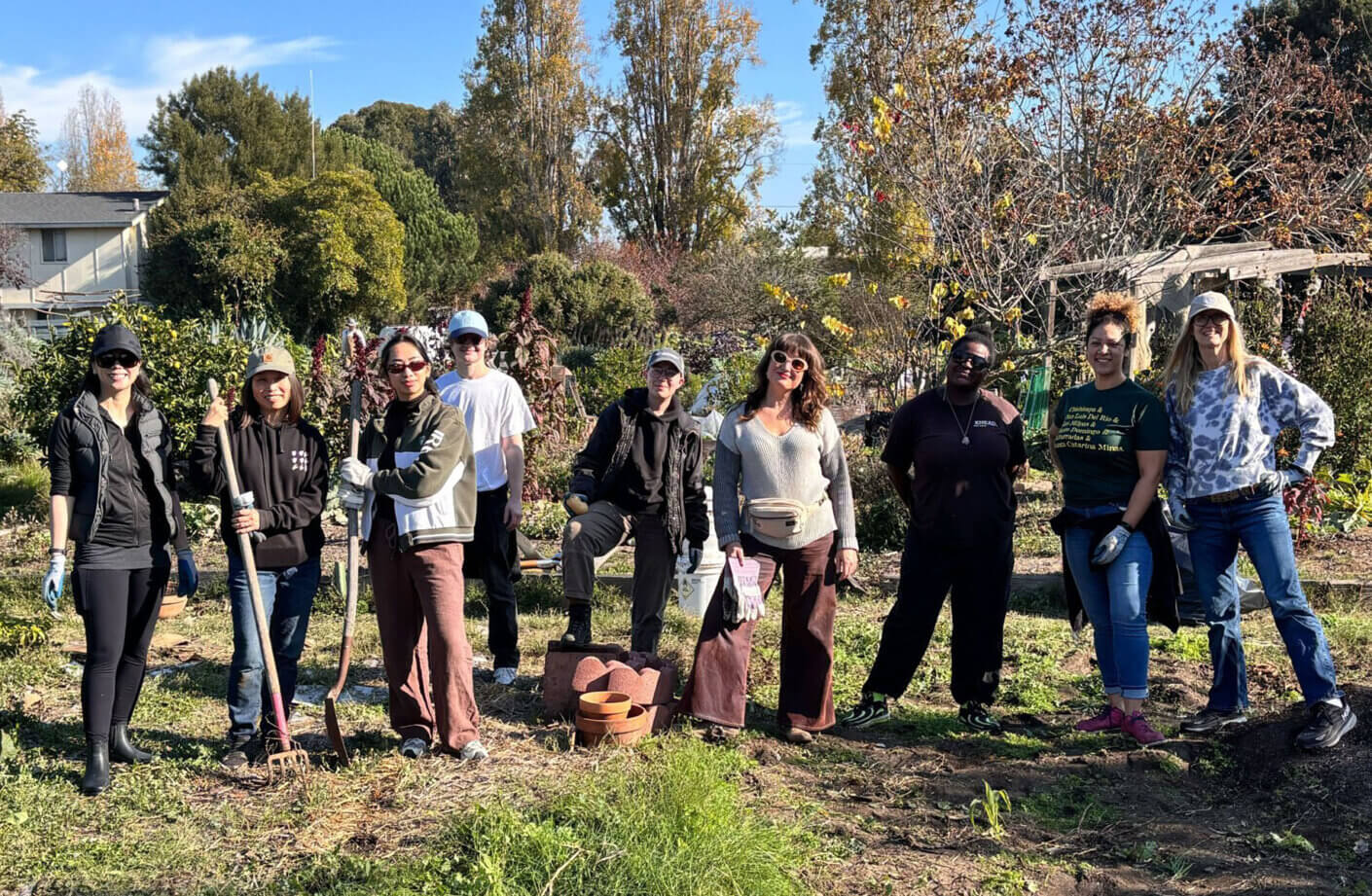
Group of people in a community garden, holding gardening tools and standing among plants, with trees and a house in the background.
USGBC-CA Bay Area Environmental Justice Project volunteer day at Alameda Point Collaborative.
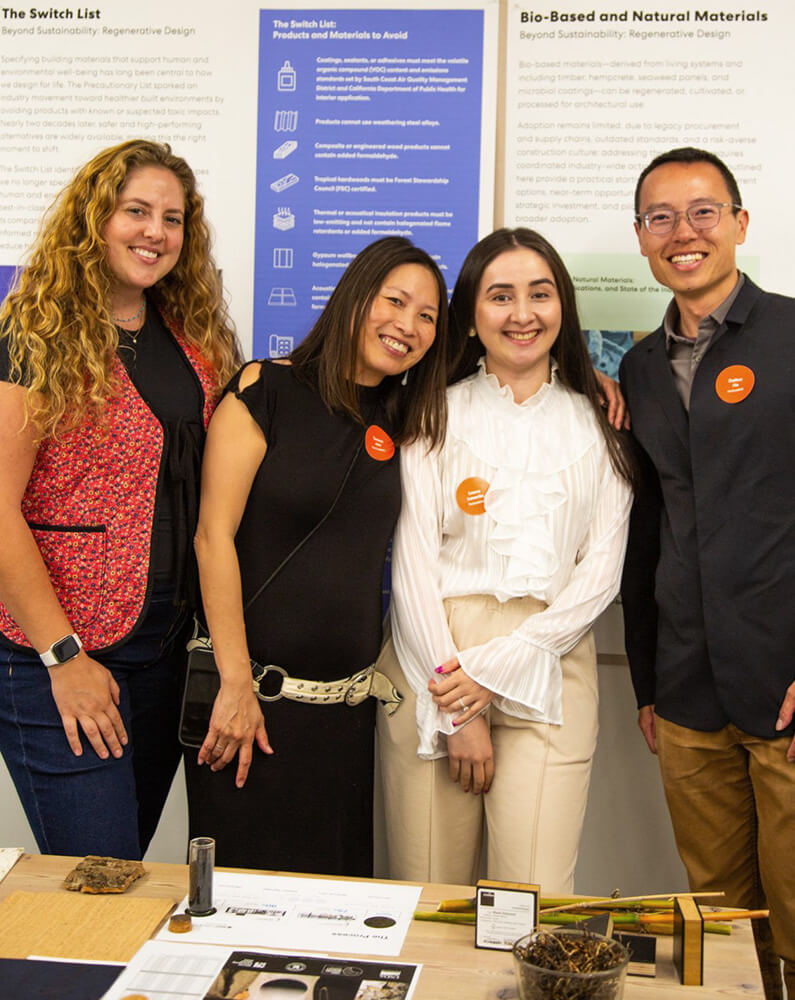
Four individuals pose together in a workspace, showcasing design materials and sustainability projects, with visual information displayed in the background.
Teresa (second from left) with San Francisco teammates Suzie Pedersen, Laura Lasariia, and Dalton Ho.

What’s happening now that makes your work urgent?

TJ: We are all experiencing the impacts of rapid climate change in real time. Storms and wildfires are devastating entire communities, and we can no longer rely on predictable weather patterns to grow food, secure water, or sustain regional economies built around seasonal activities. And let’s not forget the disappearing biodiversity.

At the same time, there is growing public attention on health and livability, and we must capitalize on this moment. That means advocating for healthy materials, deep decarbonization, and resilient design—while intentionally weaving equity into every decision. Often, the most vulnerable populations carry a disproportionate public health burden. Regardless of income level, everyone deserves access to a healthy, affordable, and safe environment in which to live and work.

What excites you about the industry today?

TJ: I moved back to California twelve years ago, after working in Asia. Electrification was just beginning to take hold, and the focus was shifting from net‑zero energy to net‑zero carbon. I’ve been inspired by how much progress we’ve made since then—now we can design an all-electric hospital!

Today, I’m especially excited by the growing availability of carbon‑neutral and carbon‑negative bio‑based materials—like flax, hemp, bamboo, cork, rice husk, and algae‑based products—which can reduce our reliance on plastics and toxic processes while supporting a circular economy. Partnership with regenerative agriculture is key to sourcing regenerative materials from land to sea and to decarbonizing our built environment from the ground up.

How have you integrated your work into your day-to-day life, and do you have any advice for people who might want to do the same?

I weave my work into daily life by staying curious about how everyday choices, from what we buy to how we move, ripple out to affect our climate, ecosystems, and communities near and far. I talk about it openly with family, friends, and colleagues, because change sticks better when you find your people. Big shifts, small swaps, collective moves—it all counts. Every role is a climate role. Every job is a climate job.

For example, becoming a mom was a turning point. I started asking, what more can I do for my family’s health—and for future generations? Since then, we’ve electrified our home and transportation, switched to fragrance‑free and refillable products, shop farmers’ markets, and lean more plant‑forward at mealtimes. The real win? Now my kids are driving the conversation, asking things like, “Did you know synthetic vanilla is made from petrochemicals?” We now read the ingredients on the package before purchasing them. That’s when you know change is contagious.