Perspectives June 25, 2026

The Systems Behind Breakthrough Cancer Care

Inside MD Anderson’s Clinical Services Building
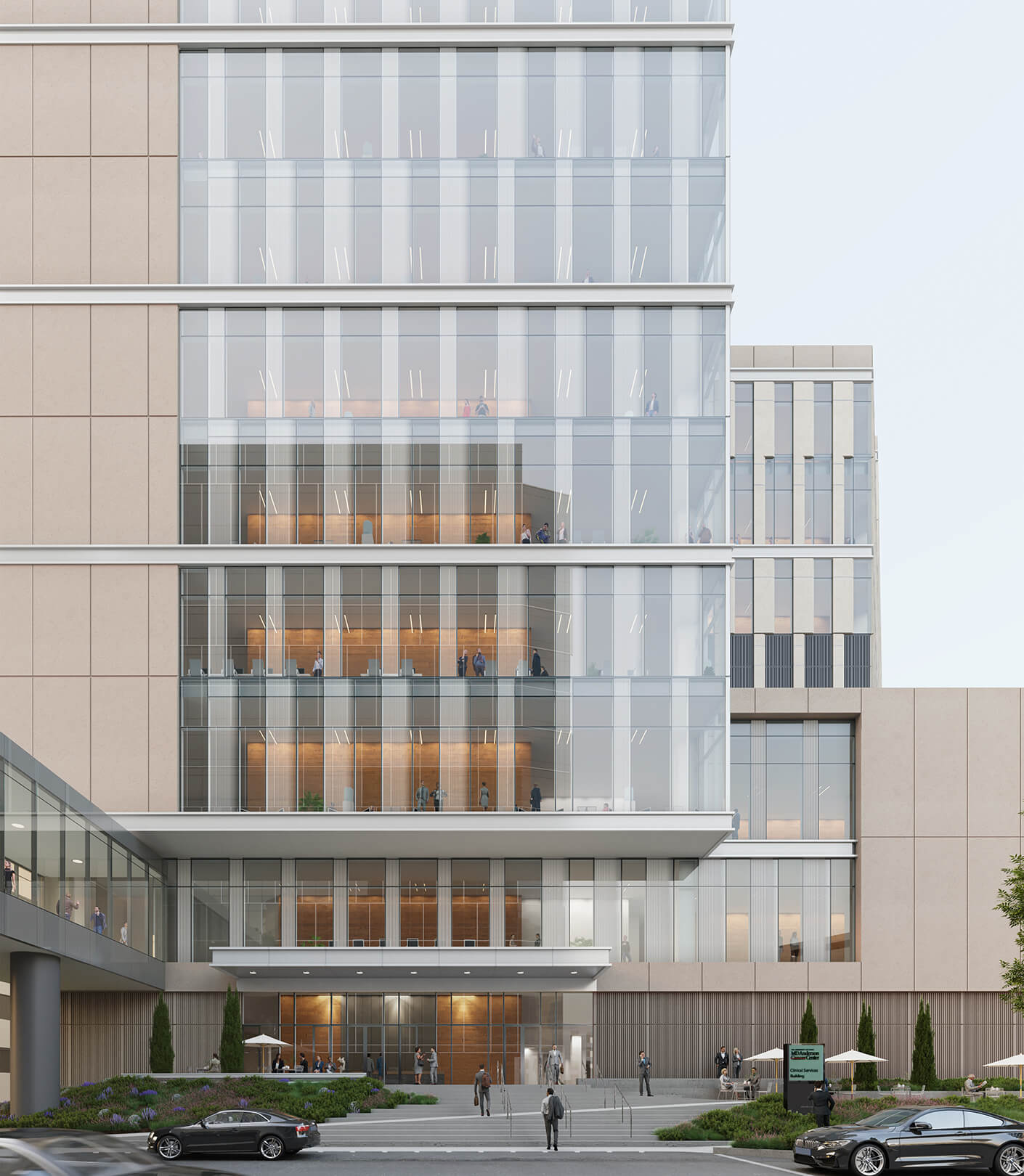
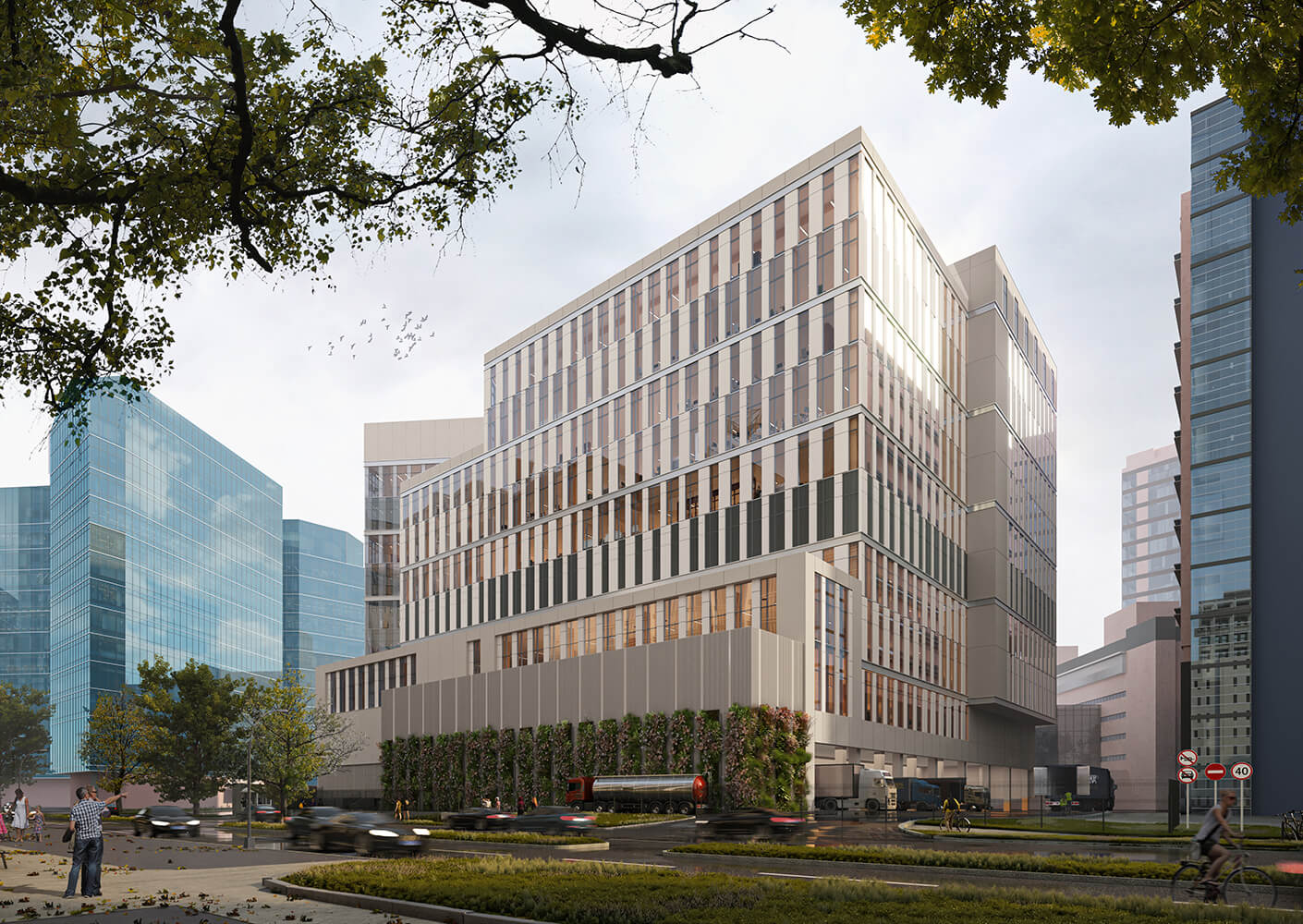
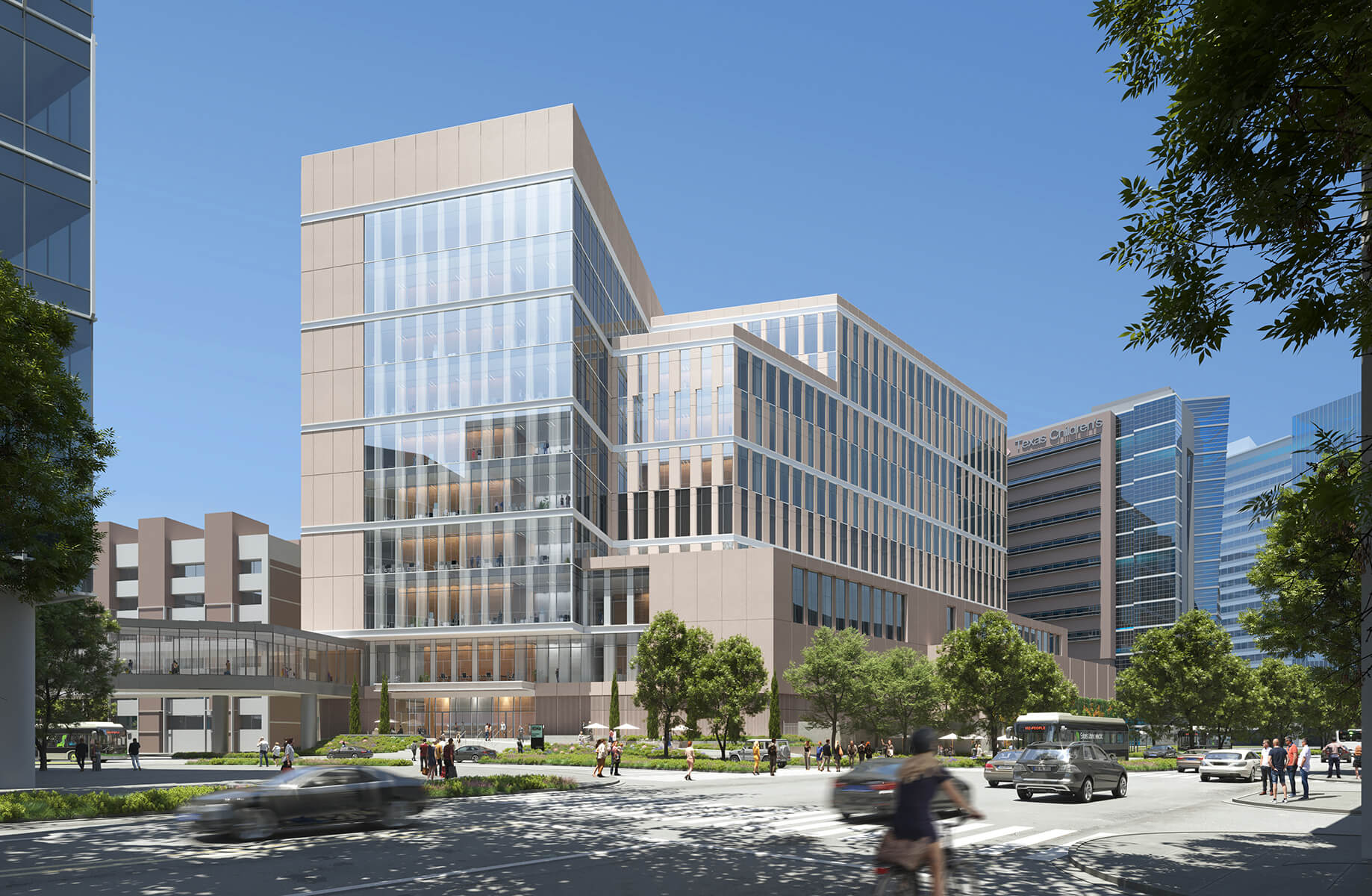
Clinical services building with glass and stone façade, surrounded by landscaping and pedestrians, located in an urban setting. Sunny sky overhead.
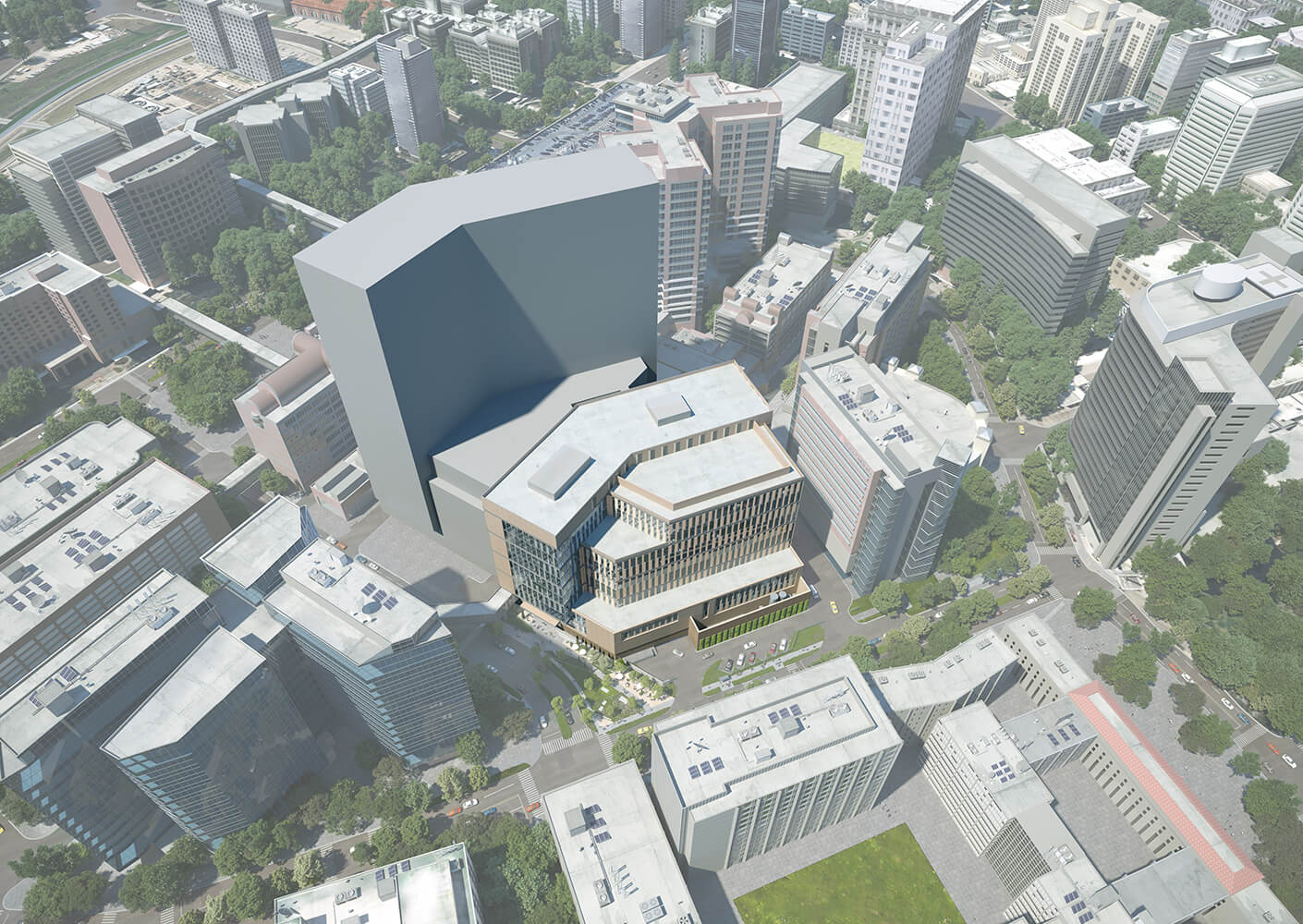
The 760,000-square-foot Clinical Services Building is envisioned as the operational "heartbeat" of MD Anderson's Texas Medical Center campus.

As we partner with leading cancer centers to address rising patient volumes and emerging advanced therapies, a pressing constraint has come into focus: the underlying systems that must support ever-evolving platforms of care and research. Expansion and evolution of cancer care is no longer a question of space alone. Instead, it requires addressing how the entire campus operates as a system.

By 2030, cancer cases in the United States are projected to rise by nearly 45%, with 70% occurring in older adults and a growing share among diverse populations. At the same time, many of the country’s leading medical campuses are operating with infrastructure that is decades old and systems that aren’t compatible with today’s level of clinical complexity, technological integration, or operational demand.

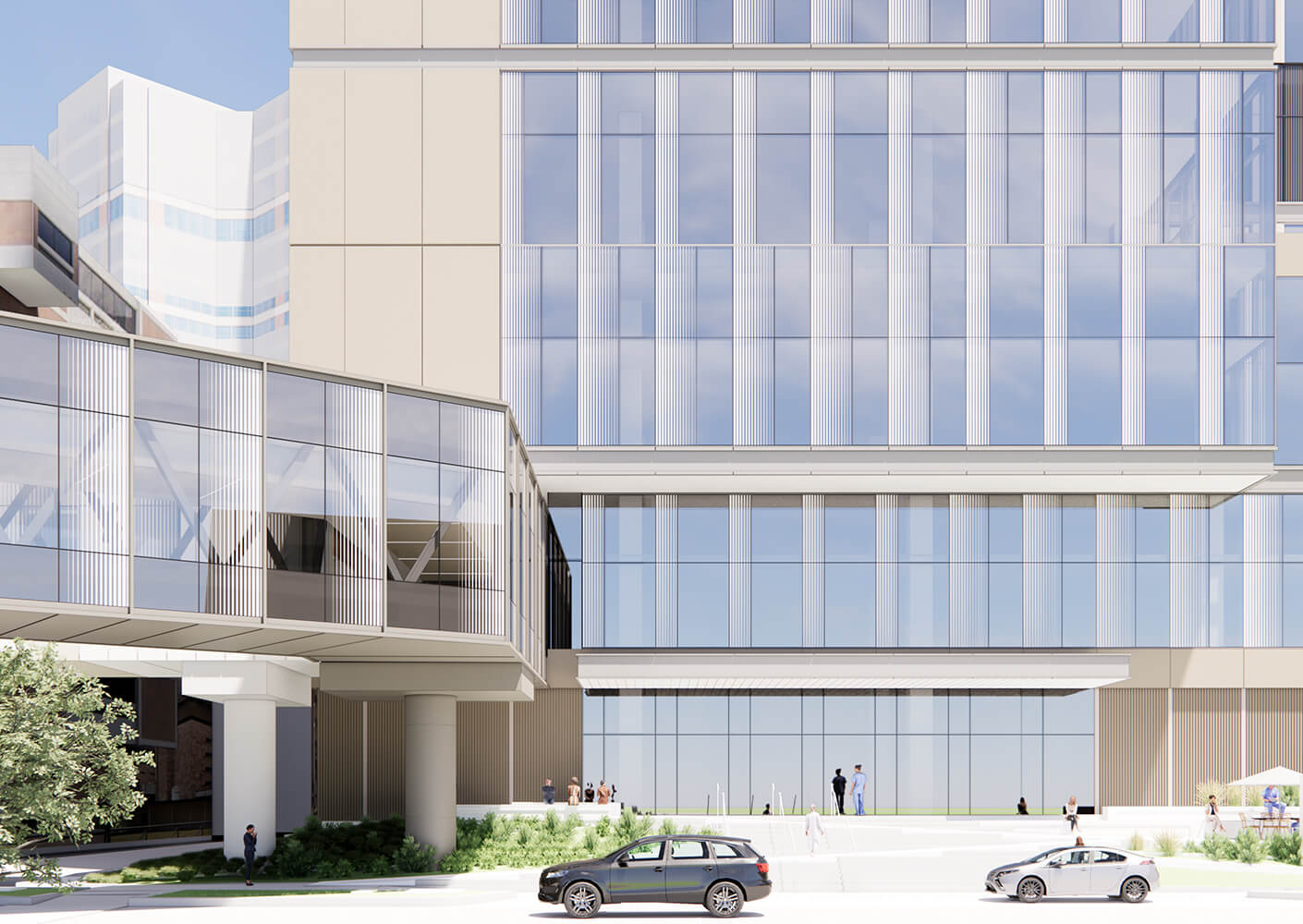
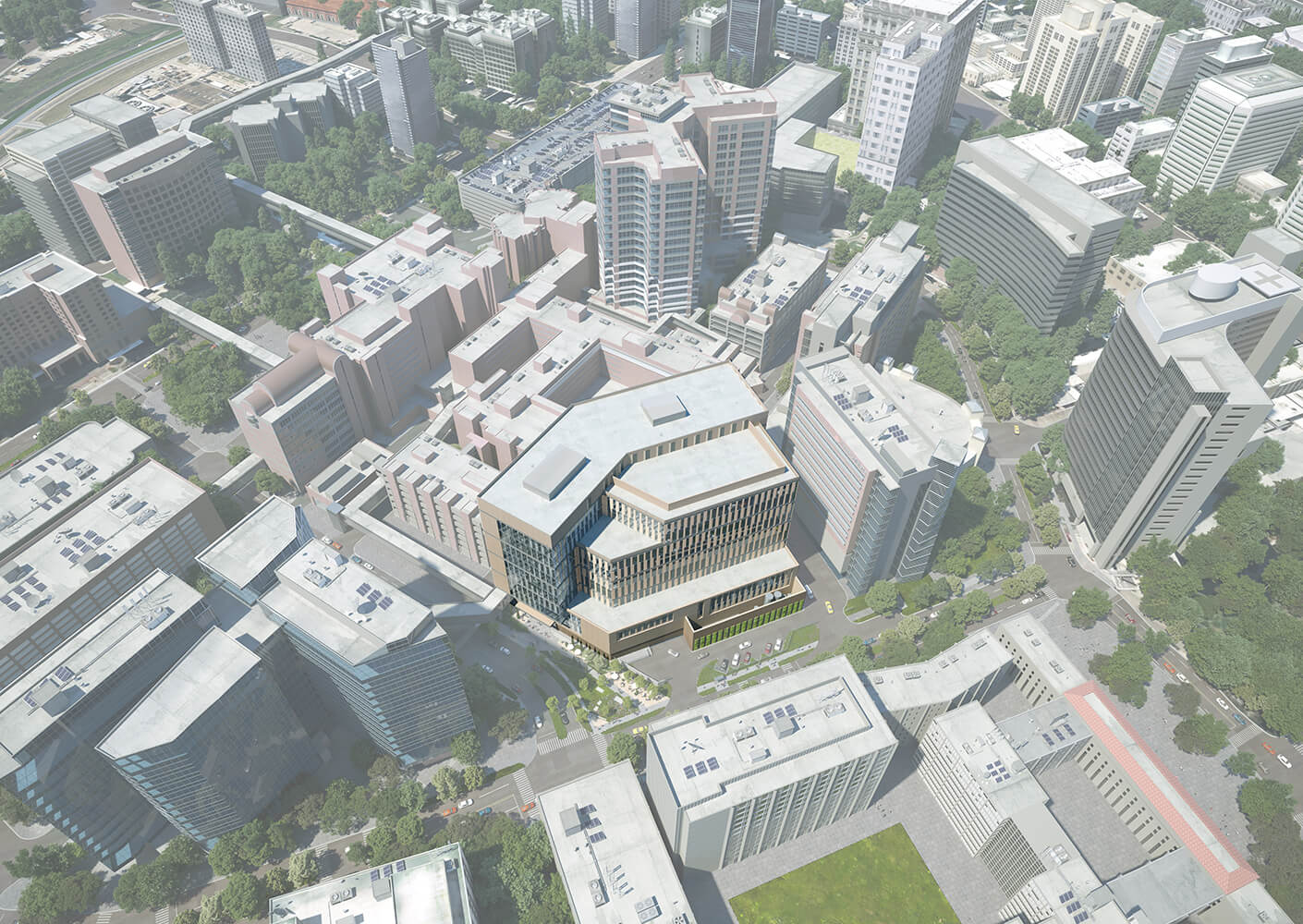
The project is carefully considered to align with and receive a future patient tower and campus entry.
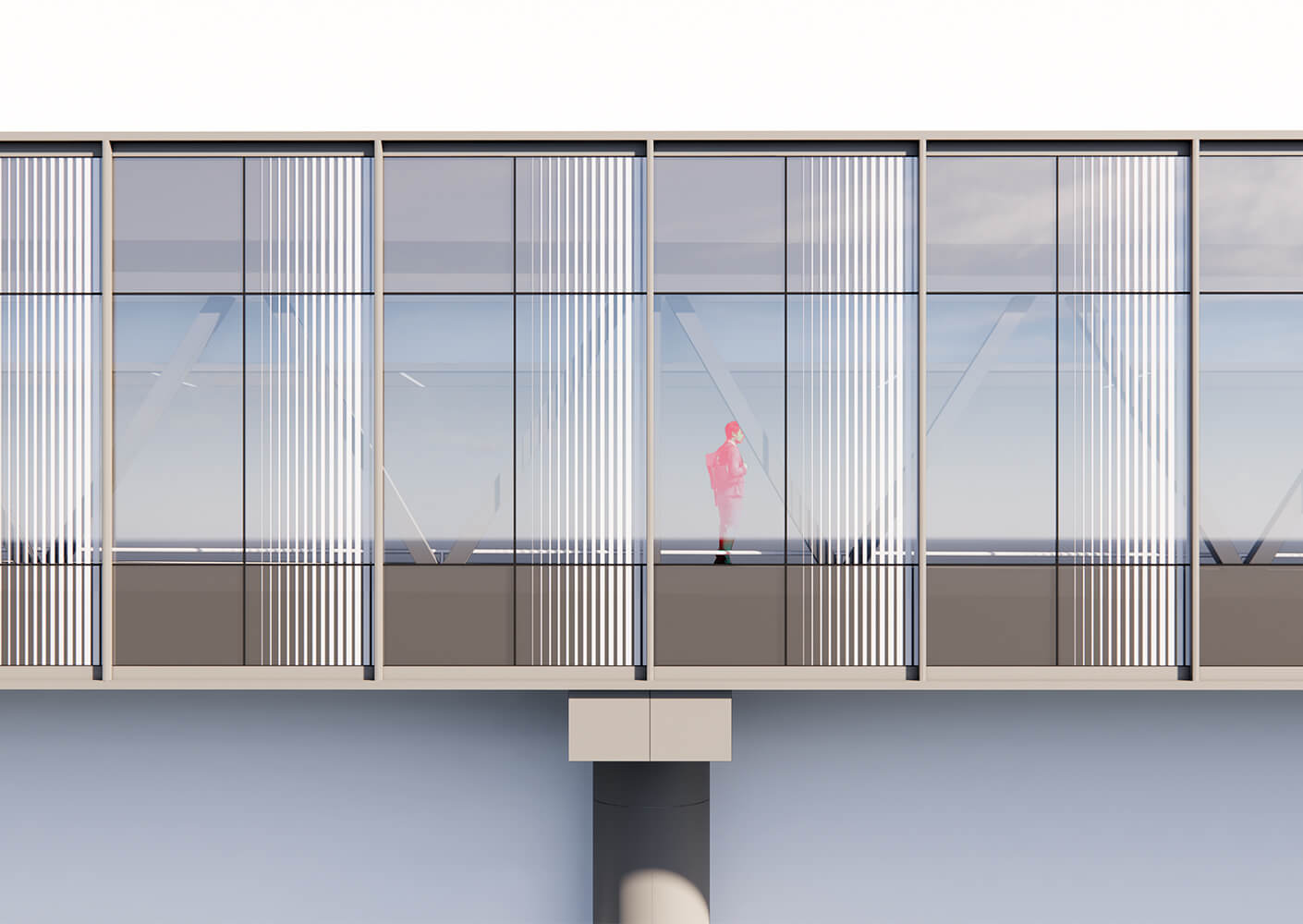
Multi-level connecting bridges structurally integrate the CSB into future phases.
A 760,000-Square-Foot Building That Treats Zero Patients

The Clinical Services Building (CSB) is one of the most significant projects underway at MD Anderson’s main Houston campus in the dense Texas Medical Center. It is also a building that will never see a patient.

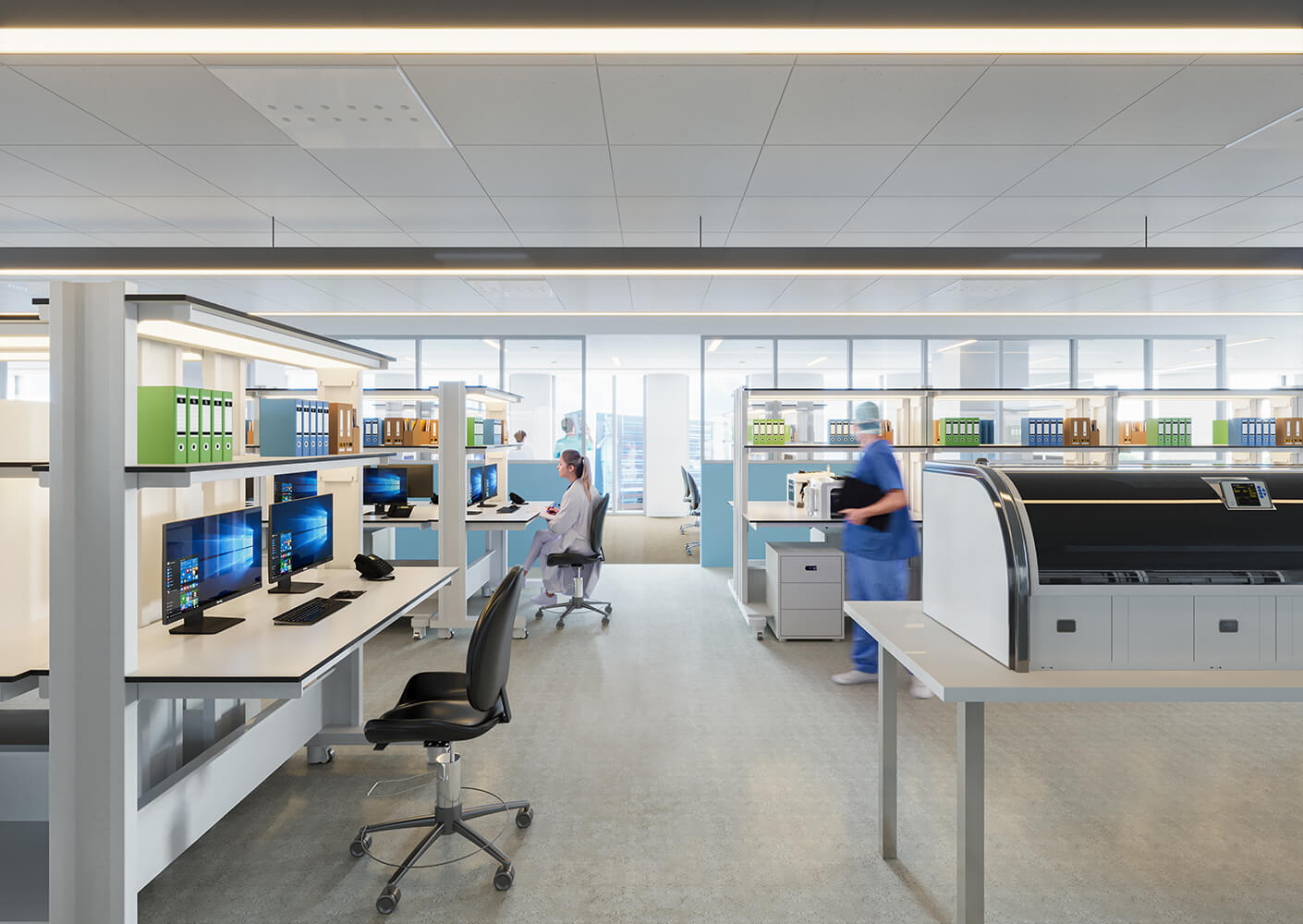
Instead, it consolidates the operational backbone of the institution’s clinical services, including pharmacy, perioperative support, pathology and laboratory medicine, materials management, environmental services, clinical engineering, and medical education and simulation. It introduces a new campus super dock and centralizes functions that were previously distributed across inefficient and aging facilities.

It also houses the primary mechanical infrastructure to enable an adjacent and future 1.8 million square foot expansion, which is anticipated to include a new inpatient bed tower and diagnostic and treatment platform.

This is where the project takes on a different role. More than a destination within the campus, it houses the very systems that allow the next phase of clinical growth to happen at all.

Success required more than consolidation and meant examining how these functions relate to one another and to the enterprise as a whole. The planning process mapped operational flows such as materials, staff movement, specimen transport, supply chains and reorganized them around efficiency, adjacency, and speed. The introduction of a centralized super dock, for example, was not simply a logistical upgrade; rather, it restructured how goods enter, move through, and are distributed across the campus, reducing redundancy and improving reliability.

Similarly, co-locating pharmacy, clinical laboratory, and perioperative support in proximity to future connection points protect time-sensitive workflows as the campus expands. These decisions are calibrated to reduce friction in daily operations while preparing for increased volume and complexity.

Designing for a Future That Isn’t Fully Defined

The CSB is the first move in a multi-phase campus transformation, which meant designing for a future condition that is still being defined.

Every major system had to anticipate connection, extension, expansion, or even transformation. Floor-to-floor heights were aligned with future buildings. Vertical and horizontal circulation paths were sized for a larger, integrated campus. Infrastructure systems were planned for both current and future load.

Departments were organized with embedded flexibility. Shell space, unequipped zones, and adjacent “soft space” allow for growth as new programs come online. Strategic placement of functions such as pharmacy and cell therapy was coordinated with anticipated bridge connections to add efficacy across following phases. Perioperative support spaces were aligned with operating room floors that do not yet exist.

At the same time, the team had to determine where not to over-resolve.

Planning for long-term performance entailed difficult trade-offs. Food services, for example, were initially included in hopes of solving both immediate and future needs and desired adjacency to the super dock. Further analysis revealed that its placement would create inefficiencies for the future campus, particularly in relation to patient experience and travel distances. The decision was made to defer its move to a future phase where it could be more optimally placed to support patient beds.

These decisions were guided by a structured process of iteration. The team advanced the conceptual master plan only as far as necessary to inform Phase 1, continuously testing scenarios against operational performance, travel distances, and future adjacencies. Rather than locking in a single outcome, the design was evaluated as a range of possible future states, with solutions selected based on their ability to perform across multiple scenarios.

Other design decisions carried similar weight: whether to include windows on a façade that will eventually be absorbed by a future building; whether to invest in elements that may only exist for a limited duration; and whether to carry desired amenities, such as a staff terrace, as alternates until the core program is secured within the budget.

What emerges from this process is a building that is precise where it needs to be and open where it must remain adaptable. That balance allows the campus to evolve without requiring rework of the systems put in place today.
“Bringing this level of operational density into a single building involves more than coordination. It demands a clear organizational logic to reconcile competing systems, workflows, and performance requirements into a single, functioning whole.”

— Diana Davis, Managing Director

Organizing Complexity at Scale

The CSB consolidates a wide range of functions that typically operate independently—laboratories, pharmacy, perioperative support, logistics, education, and campus services—each with its own standards and needs for access, adjacencies, security, and environmental control. Beyond accommodation, the team was charged with optimizing the space for each team while organizing them in a way that allows the building to function as a cohesive system.

The solution begins with clarity in the stack.

Working within a limited site area, departments were arranged vertically based on operational relationships, intensity of use, and proximity to critical infrastructure. Logistics-driven programs were anchored closer to the super dock and primary service zones, allowing high volumes of materials, waste, and supplies to move efficiently in and out of the building without crossing clinical or staff pathways. Functions requiring controlled environments such as laboratory medicine and pharmacy were positioned to align with building systems that accommodate stricter environmental and technical requirements.

Education and simulation spaces were located to serve both daily staff use and future workforce growth with access points that allow them to operate independently from more secure operational zones. Surgical innovation labs and perioperative support functions were grouped to streamline staff workflows and reduce travel distances between preparation, processing, and distribution areas. This stacking strategy establishes a framework that allows multiple high-intensity operations to occur simultaneously without interference.

Circulation was treated with the same level of precision. Staff, materials, and service flows were separated and layered through dedicated service corridors and vertical transport systems to reduce conflict and maintain efficiency. A basement concourse level connects directly to the super dock, creating a continuous logistical pathway for high-volume throughput without disrupting upper-level operations.  Future robotic transport technologies were anticipated in vertical and horizontal pathways.

During this process, the design team was not designing within a fixed operational model. MD Anderson was advancing its own transformation—redefining supply chain strategies, evaluating a more centralized warehouse approach, and aligning decisions around future bed growth across a broader portfolio of projects.

These shifts had direct implications on the building. Assumptions around logistics, adjacencies, and infrastructure had to be revisited in real time. In some cases, this led to fundamental changes, including the removal of vertical expansion in favor of optimizing the building’s role within the larger campus plan. Rather than limiting the project to a single operational scenario, the design was calibrated to perform across multiple potential futures, allowing the building to remain flexible as institutional priorities continued to evolve.

The result is a building that brings together complex, interdependent services into a single, coordinated environment while reducing redundancy, improving operational clarity, and allowing each function to perform at a higher level within a shared system.

Building While the Hospital Never Stops

On a campus of this scale and complexity, the transformation in place is made through a carefully orchestrated and coordinated symphony of building systems and components.

Work is happening within an active medical environment where thousands of staff move through the site daily and critical systems operate continuously. Access points cannot be lost. Logistics networks cannot be interrupted. Infrastructure cannot fail while it is being replaced. The complexity lies in maintaining a fully functioning hospital while systematically reorganizing the systems beneath it.

One of the earliest moves was the development of an enabling package that relocated critical infrastructure and cleared the site before vertical construction began. Systems that would ultimately conflict with future phases such as the medical gas and diesel fuel farms were moved in advance, reducing risk and allowing the project to proceed without compromising essential services. This front-loaded complexity created the space needed to build, while ensuring that the systems supporting the hospital remained stable.

Circulation presented a different kind of problem. As portions of the campus were taken offline for demolition and construction, maintaining connectivity became critical. A series of pedestrian bridges were introduced to reroute staff and service movement around active work zones allowing key pathways to remain intact. These were carefully coordinated interventions that preserved time-sensitive workflows across the campus.  Several of these bridge connections will remain in place to allow the critical flows of staff and materials to and from the CSB to continue while demolition of the oldest portions of the main campus can occur, thus creating the next “empty chair” building site.

Infrastructure sequencing demanded the same level of precision. Major systems were transitioned in place often while still in service. Redundancy was built into each step, with parallel systems established before any cutover occurred. In practice, this meant that new infrastructure had to be fully operational before existing systems could be taken offline—compressing timelines and increasing coordination, but minimizing risk to ongoing operations.

A New Model for Cancer Care Growth

Execution at this level heightens the impact of how decisions are made. The project operated within a structured framework that allowed input, feedback, and alignment to happen continuously rather than at fixed milestones. Department champions and delegates consistently advocated operational perspectives. Drawing reviews were conducted through coordinated, real-time sessions allowing issues to be surfaced and resolved quickly. The SBAR process created a shared language for evaluating changes while regular executive meetings aligned the team on priorities as conditions evolved.

This approach allowed the project to move with both speed and control—adapting to real conditions on the ground while maintaining alignment with the larger strategy.

Projects like the Clinical Services Building point to a broader shift in healthcare. Expansion is no longer defined by how quickly new space can be added. It is defined by how well a system can evolve while remaining fully operational.

The most critical work often happens out of view—in infrastructure, in logistics, and in the decisions that allow an institution to change without losing momentum.

That is where the future of cancer care is being built. The ability to integrate emerging therapies, advanced technologies, and new models of care will depend on systems designed to adapt, scale, and perform under continuous change.