Enchanted Hills Camp
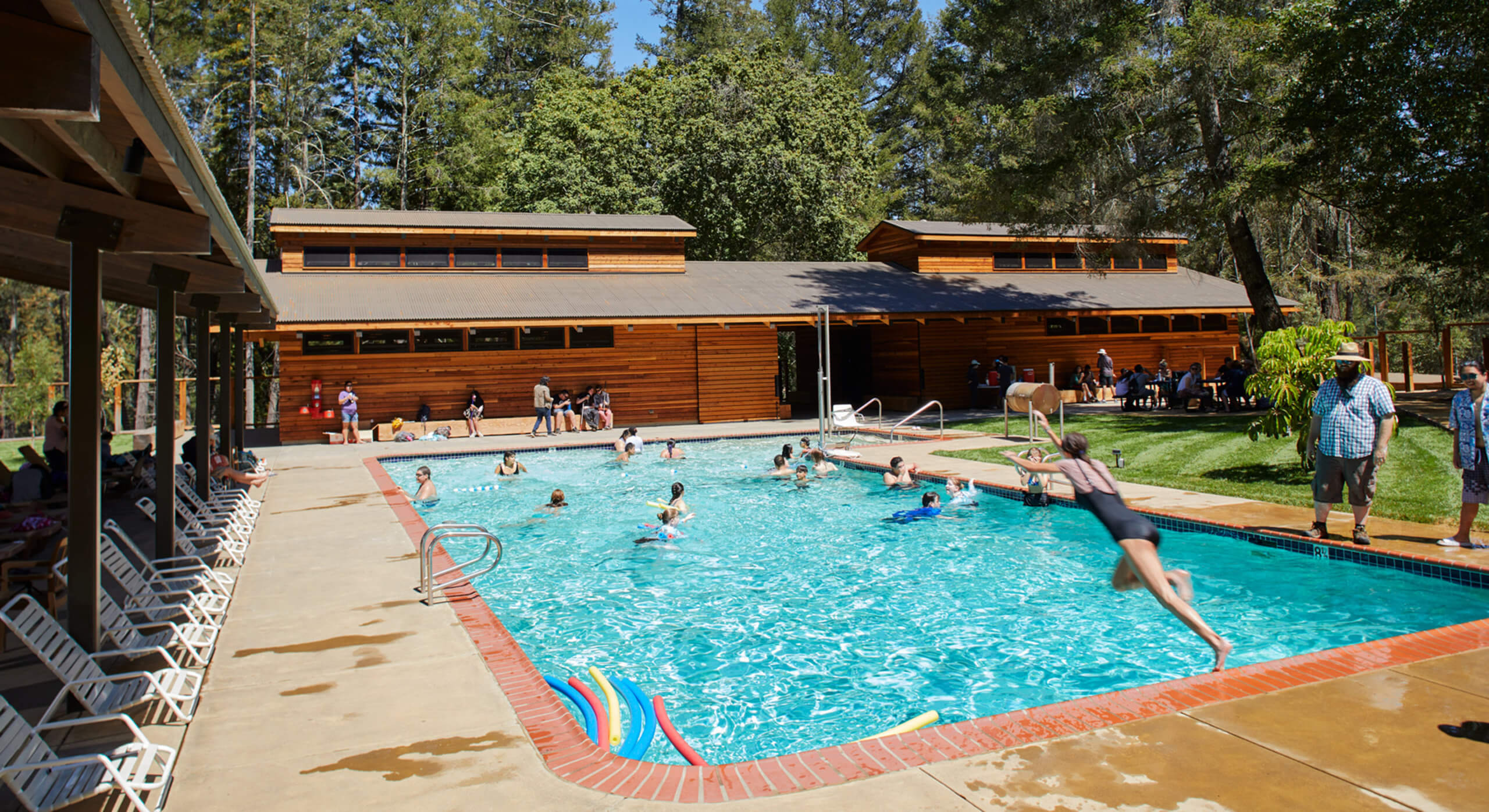
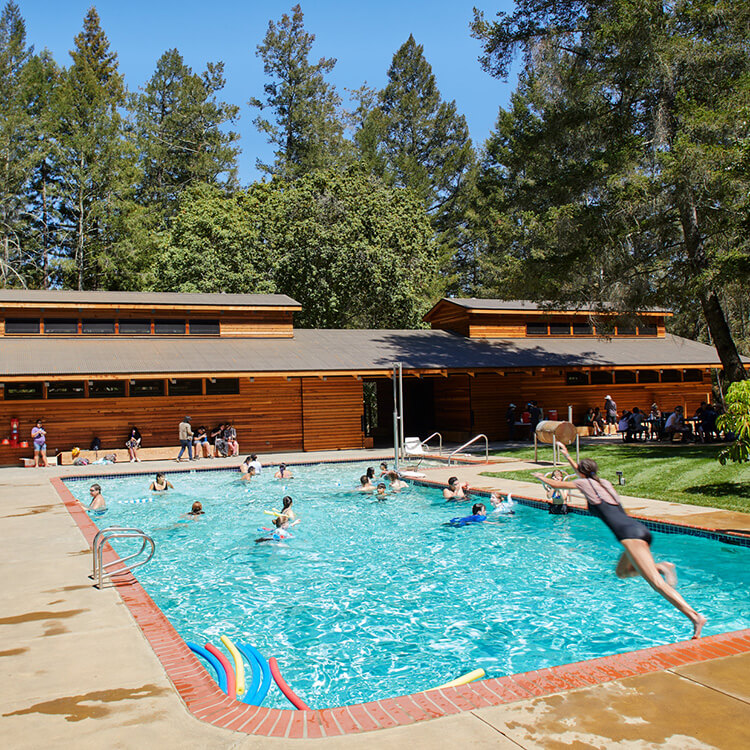
For over 70 years, Enchanted Hills Camp and Retreat has provided blind and visually impaired visitors with unparalleled opportunity for outdoors recreation and skills development.
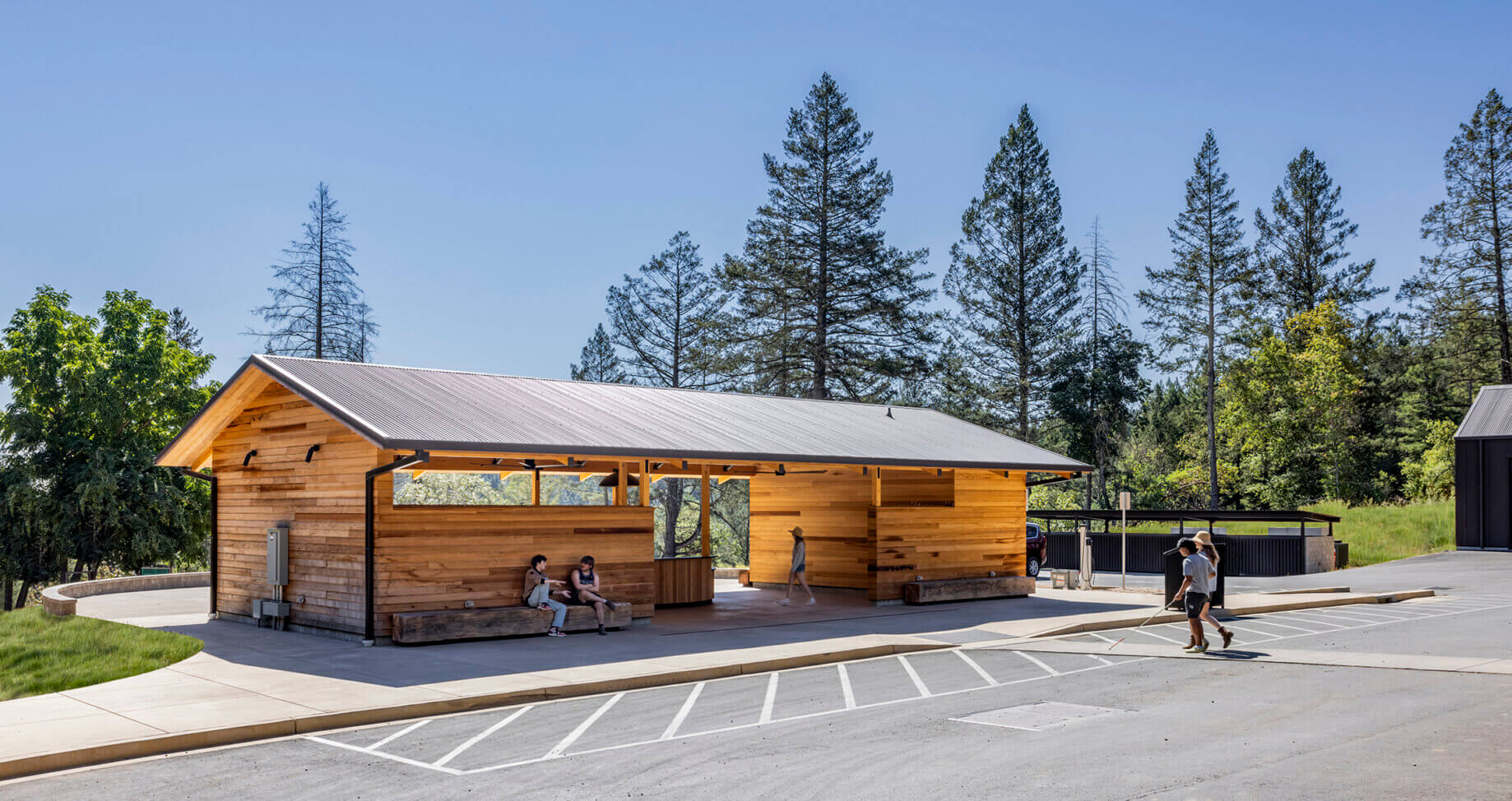
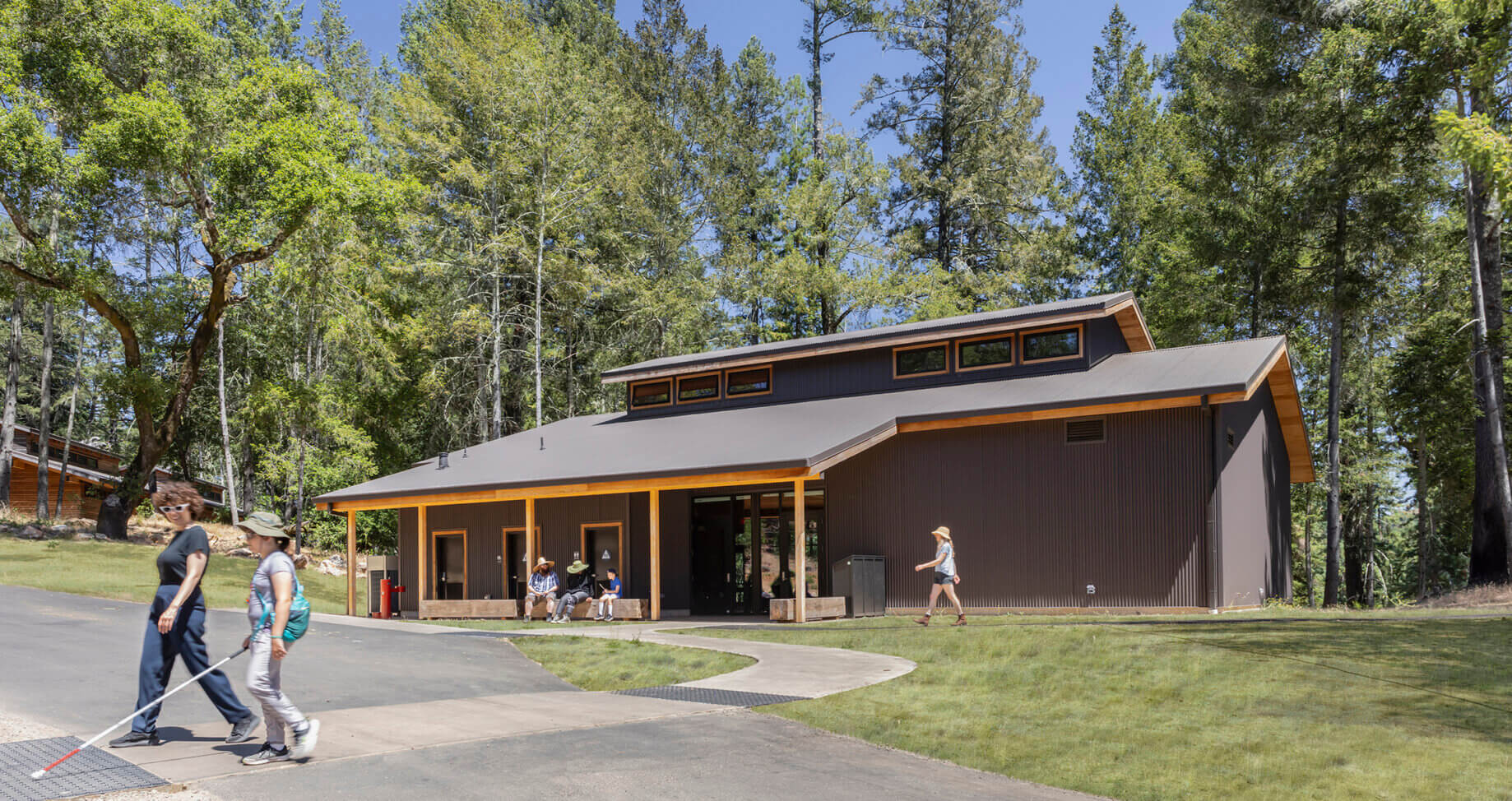
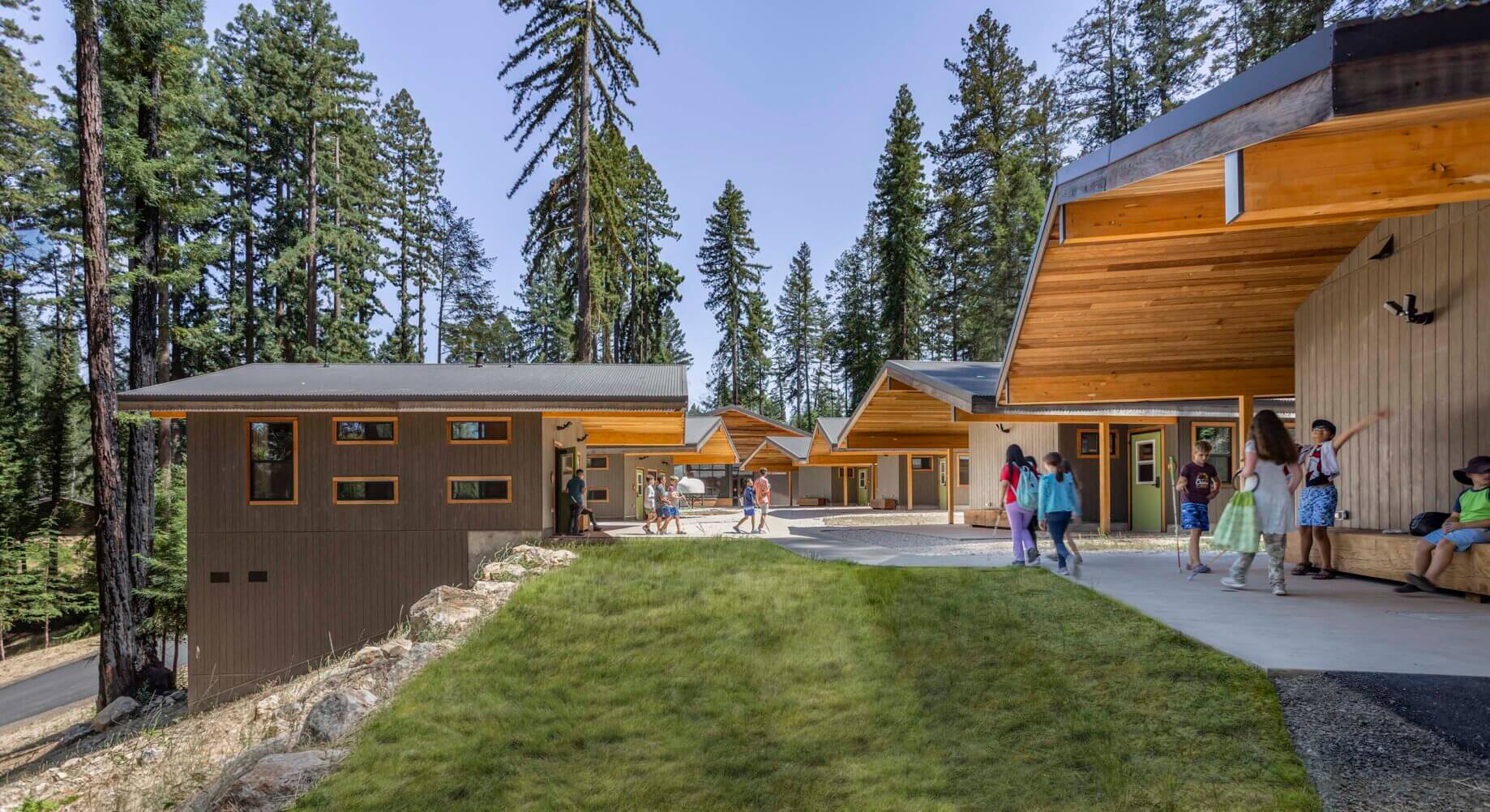
In the aftermath of the 2017 fires, Enchanted Hills Camp had the opportunity to create a more effective and engaging camp experience. Reimagining the physical environment to more directly serve the goals of the camp will not only enhance the features and qualities campers already value but will also allow the camp to evolve over time and to better serve its future users.
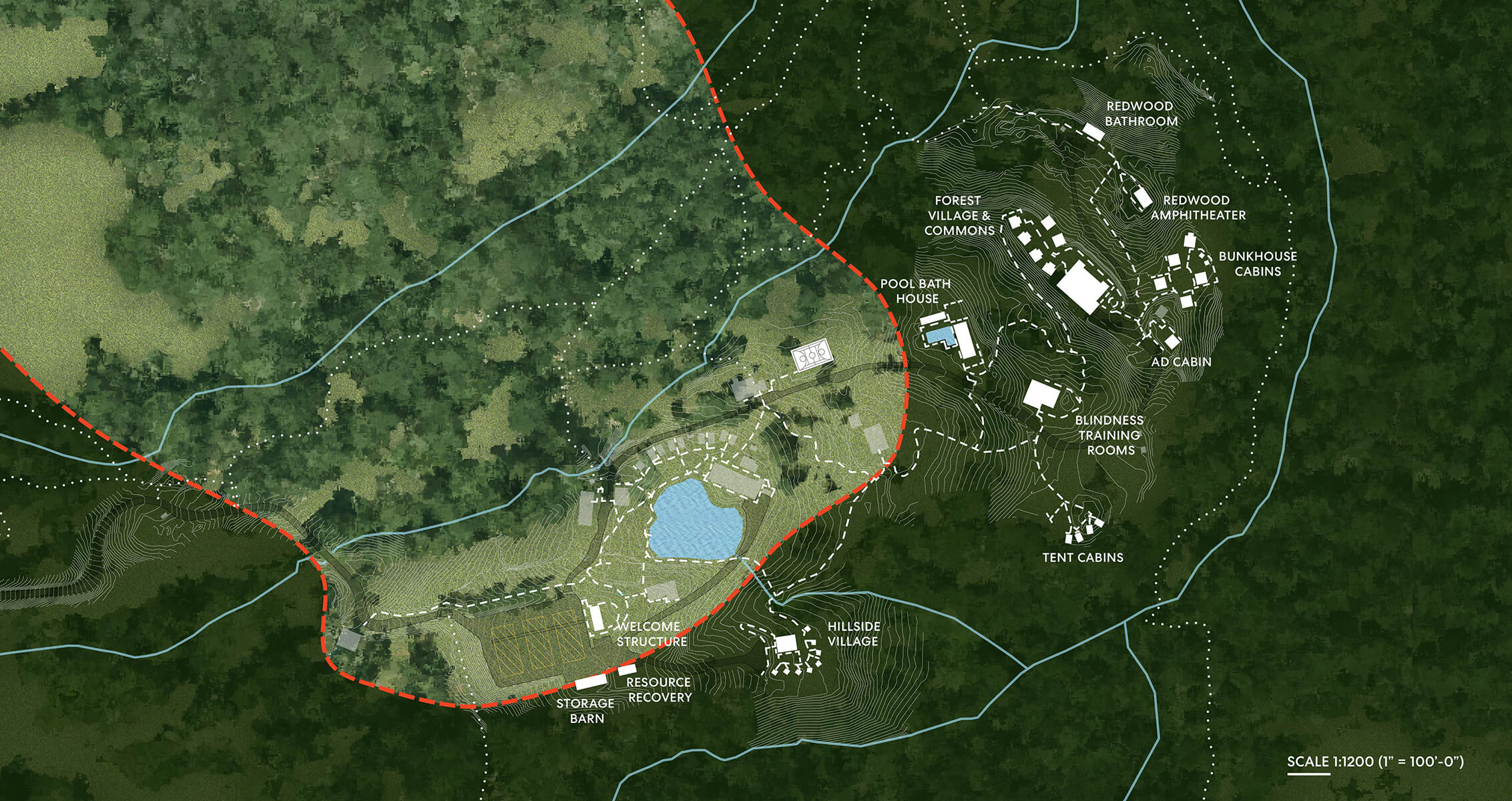
We worked with LightHouse and camp stakeholders to develop a master plan, negotiate their entitlements, and design nearly 30 new buildings.
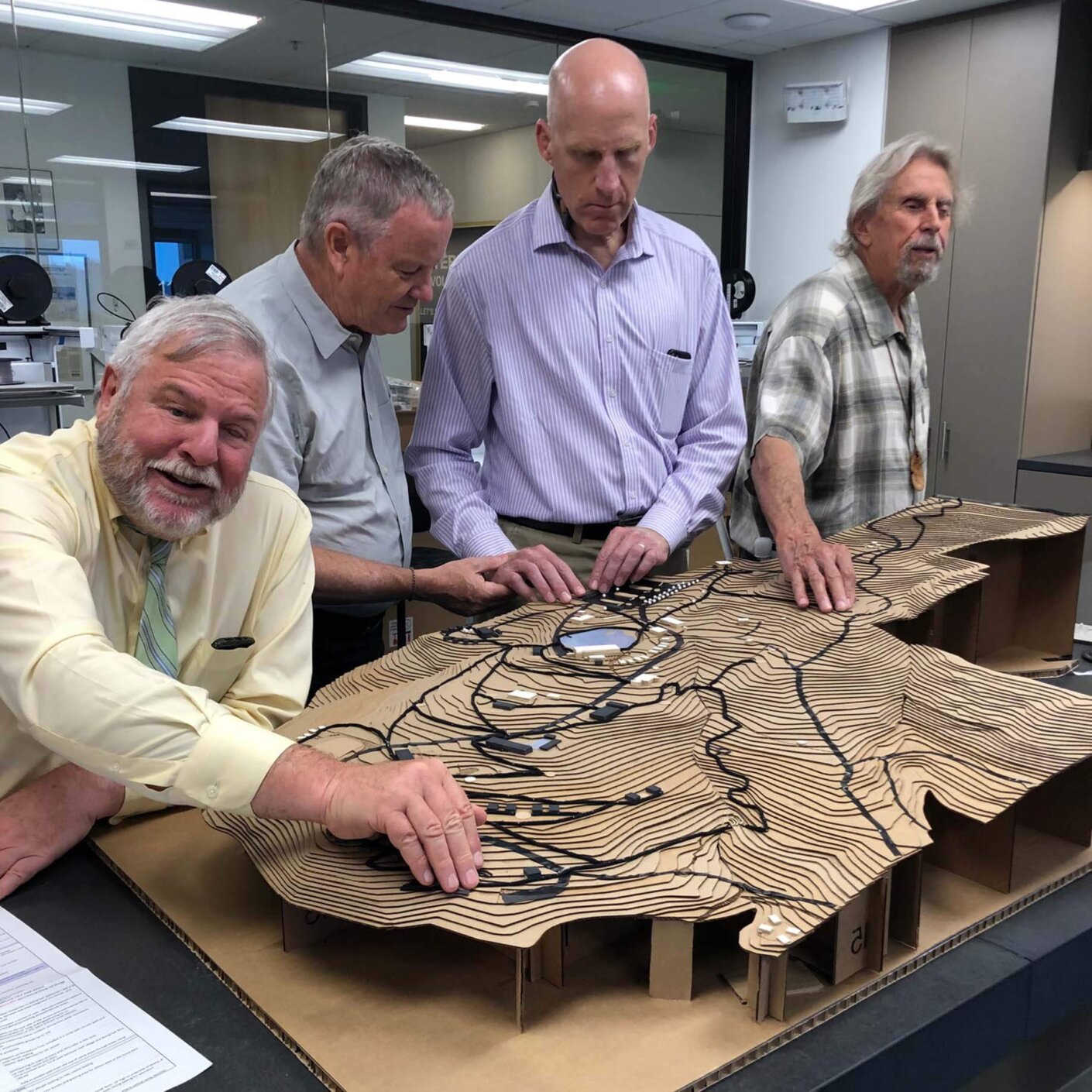
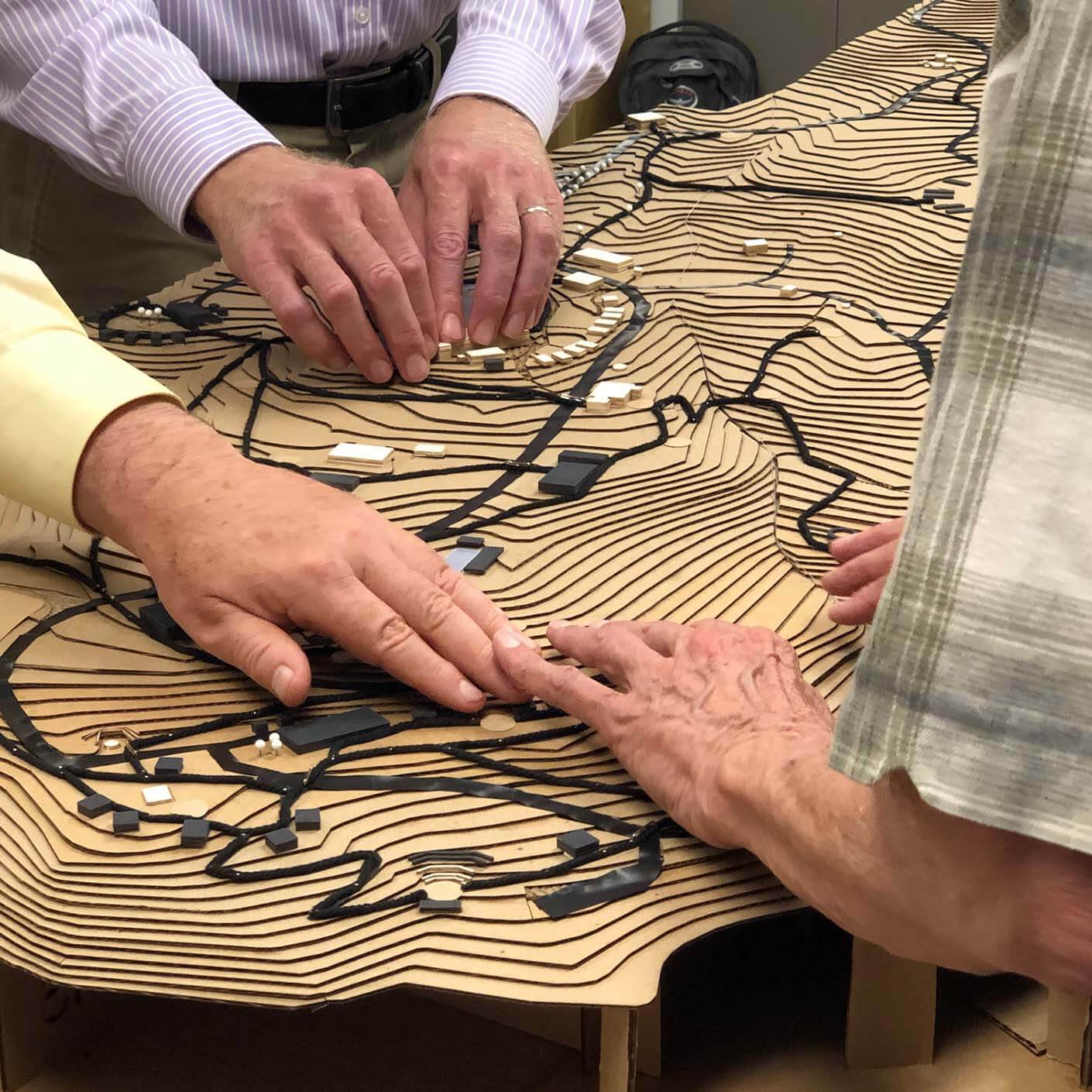
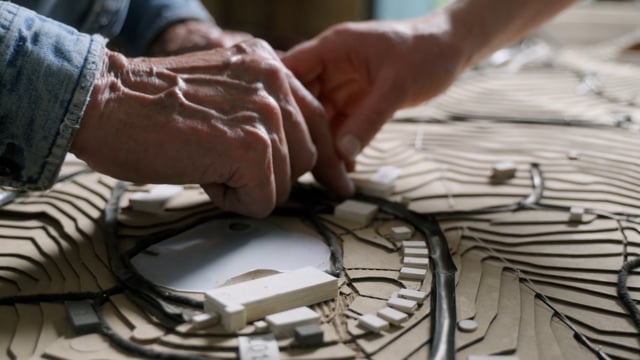
How does an architect communicate design plans to a client with visual impairment? Thinking about textures and lines, we built a tactile model so we could share our plans with our client by touch. We started by building a simple topographical model out of cardboard. Proposed new buildings were covered in sandpaper, while existing buildings were smooth. It took a few iterations and tests to figure out how to make the model legible to our clients. We experimented with several materials to symbolize the pathways and landed on using a cord to demonstrate the winding trails. For the buildings themselves, we worked with the LightHouse MAD Lab to create tactile prints and any time we were showing renderings, we would couple them with a very detailed description of what was shown on the screen.
Bobbi Pompey, Independent Living Skills Specialist, LightHouse for the Blind
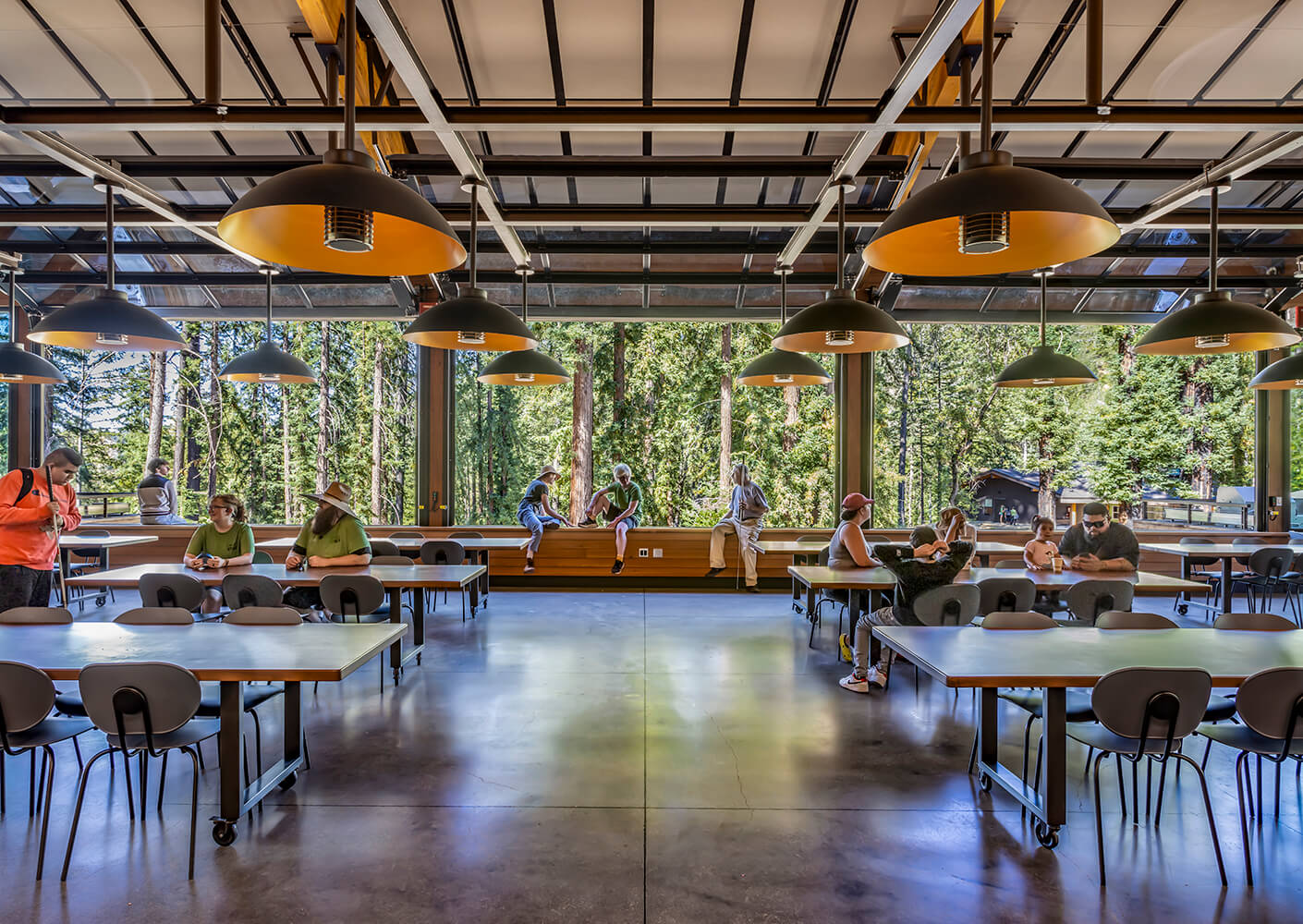
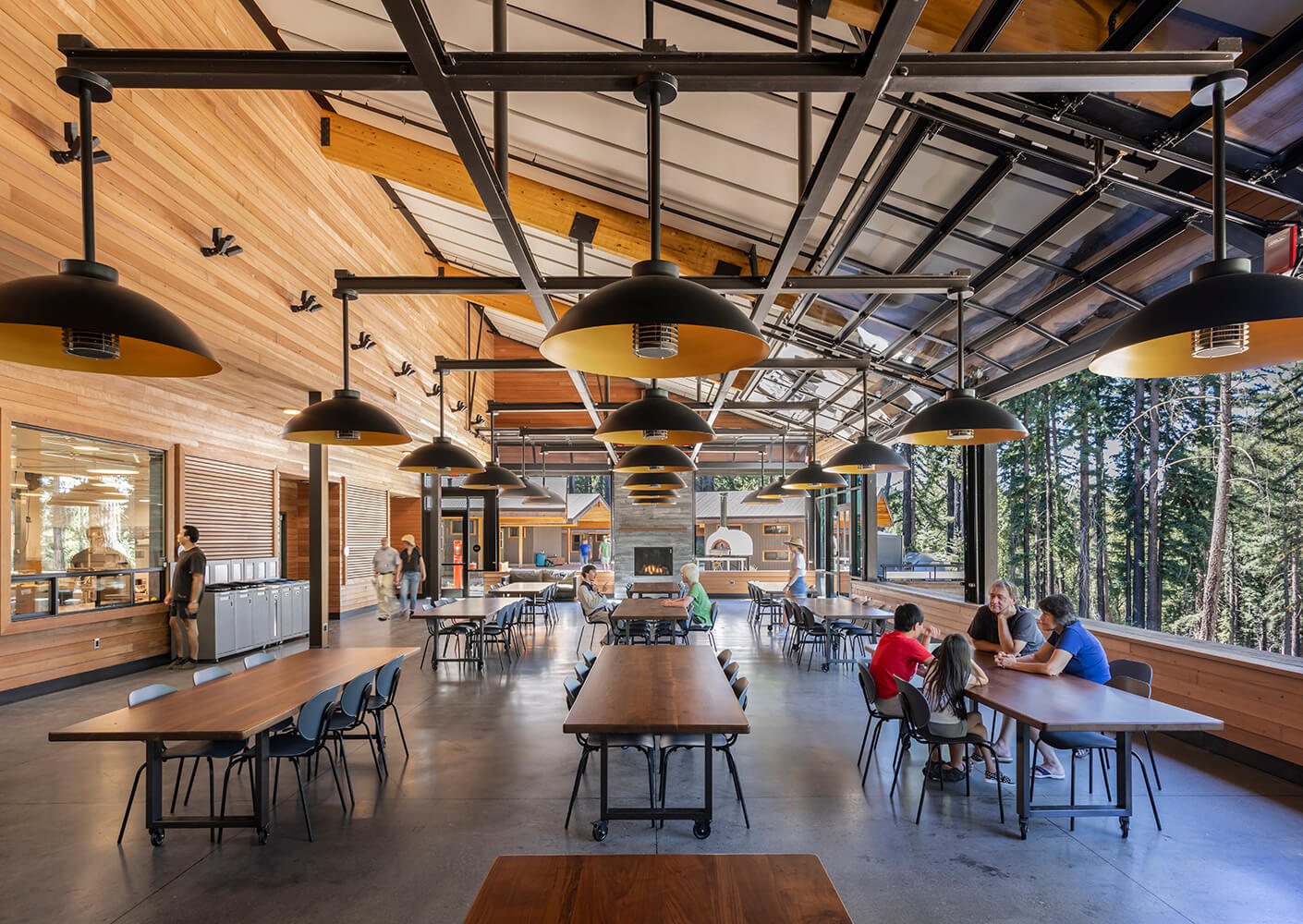
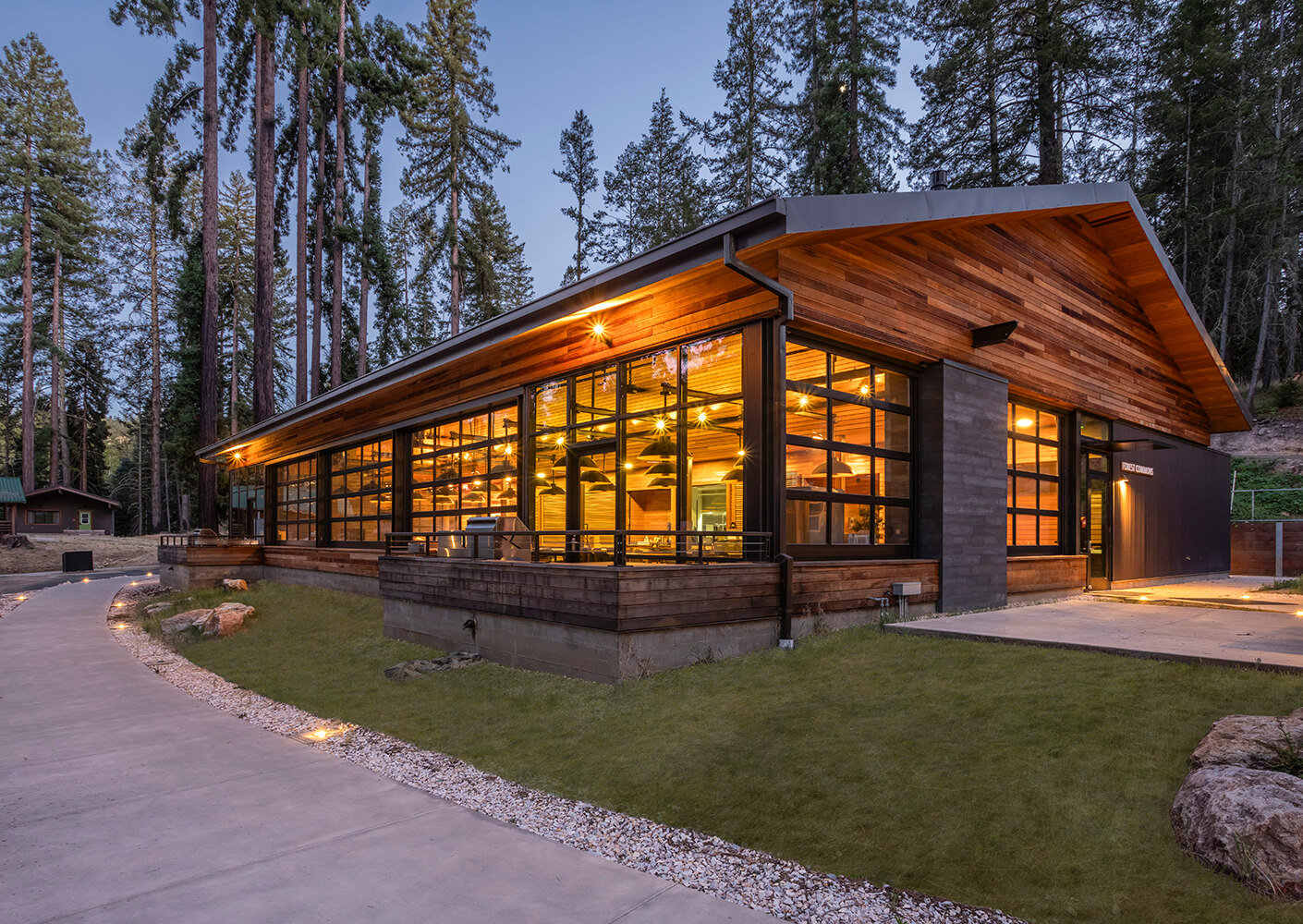
All camp buildings are designed to flex to accommodate retreat uses during the shoulder seasons. Glazed overhead doors can be easily opened to cool the space and create an indoor/outdoor environment connected to the adjacent redwood forest. Dome pendants offer ambient overhead lighting and electric infrared heat to keep diners warm in colder weather.
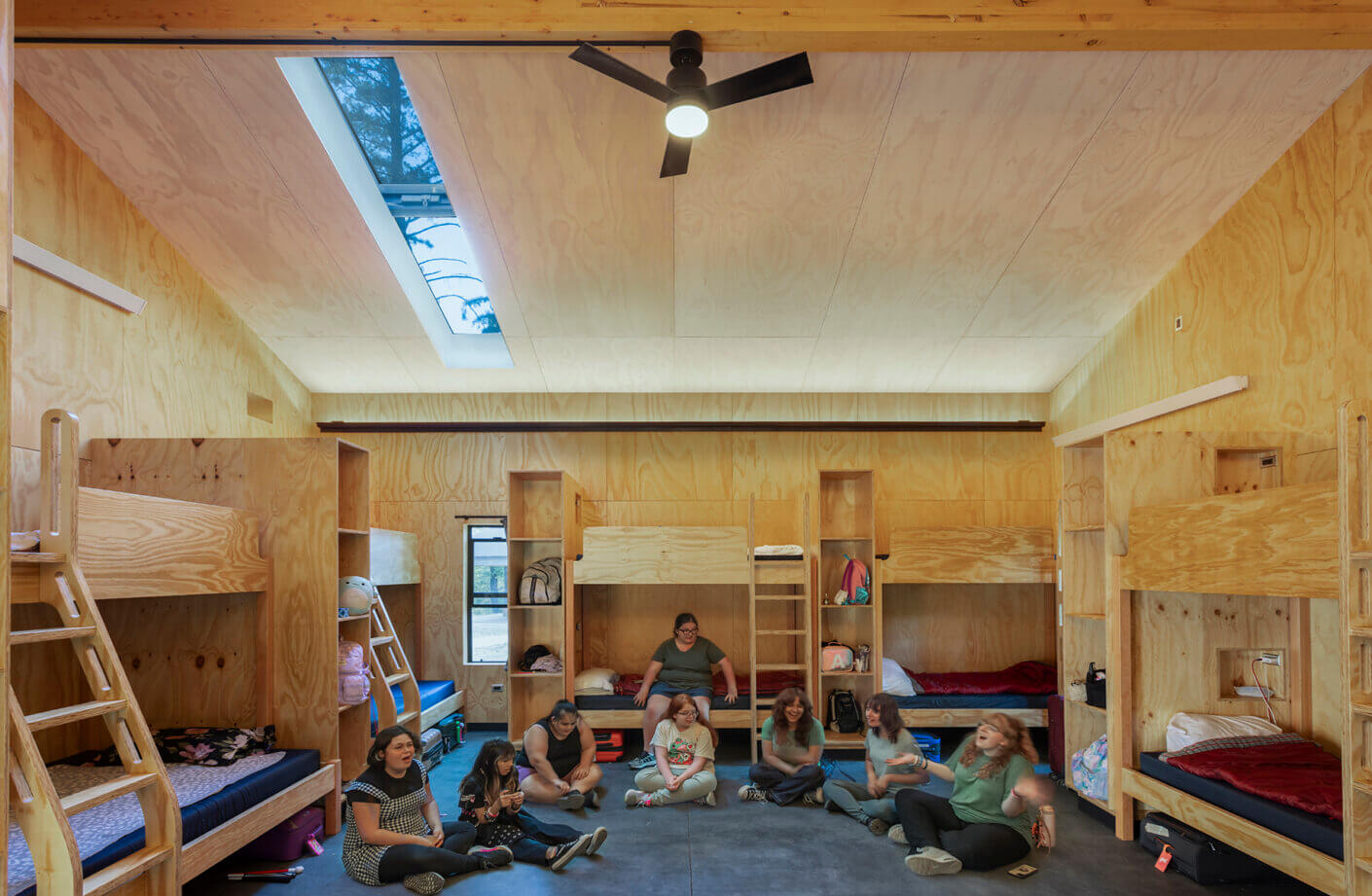
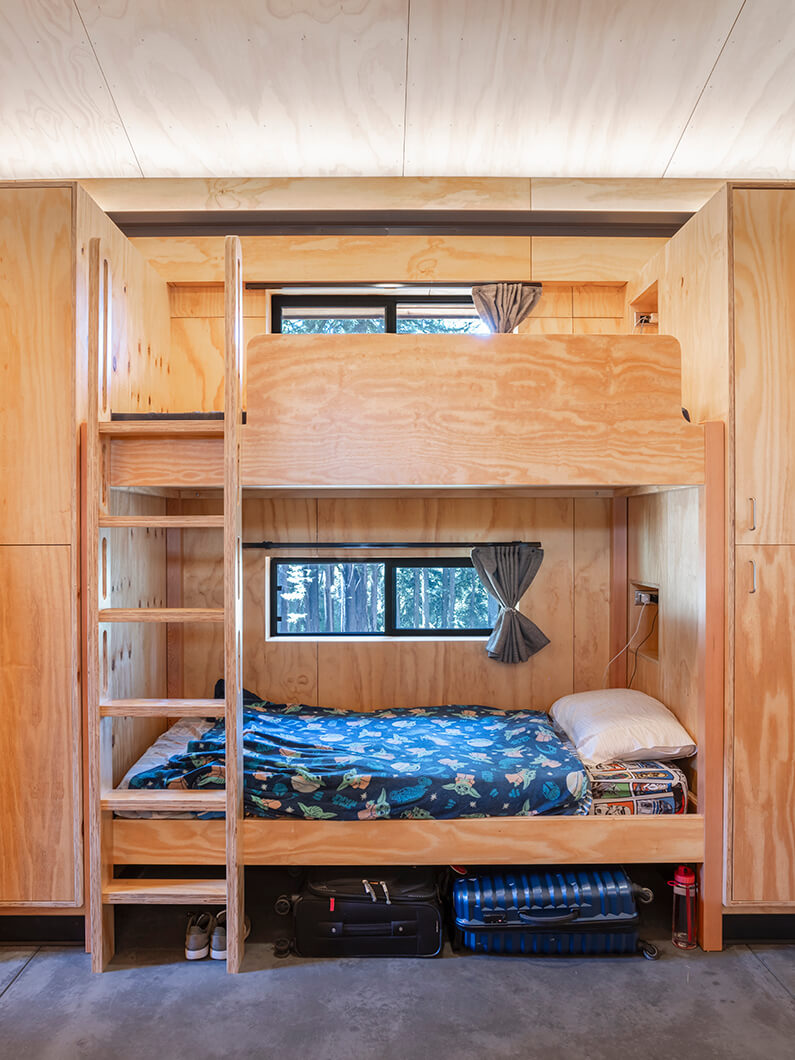
In architecture, daylighting is an essential component of the design. It is just as important for this community. Not everyone who is visually impaired is blind, and some people may have sensitivity to high contrasts and bright light. All lighting is a warm color temperature and fixtures limit glare. To aid navigability, shrouded path lights offer periodic way points along the new cane-detectable paths.