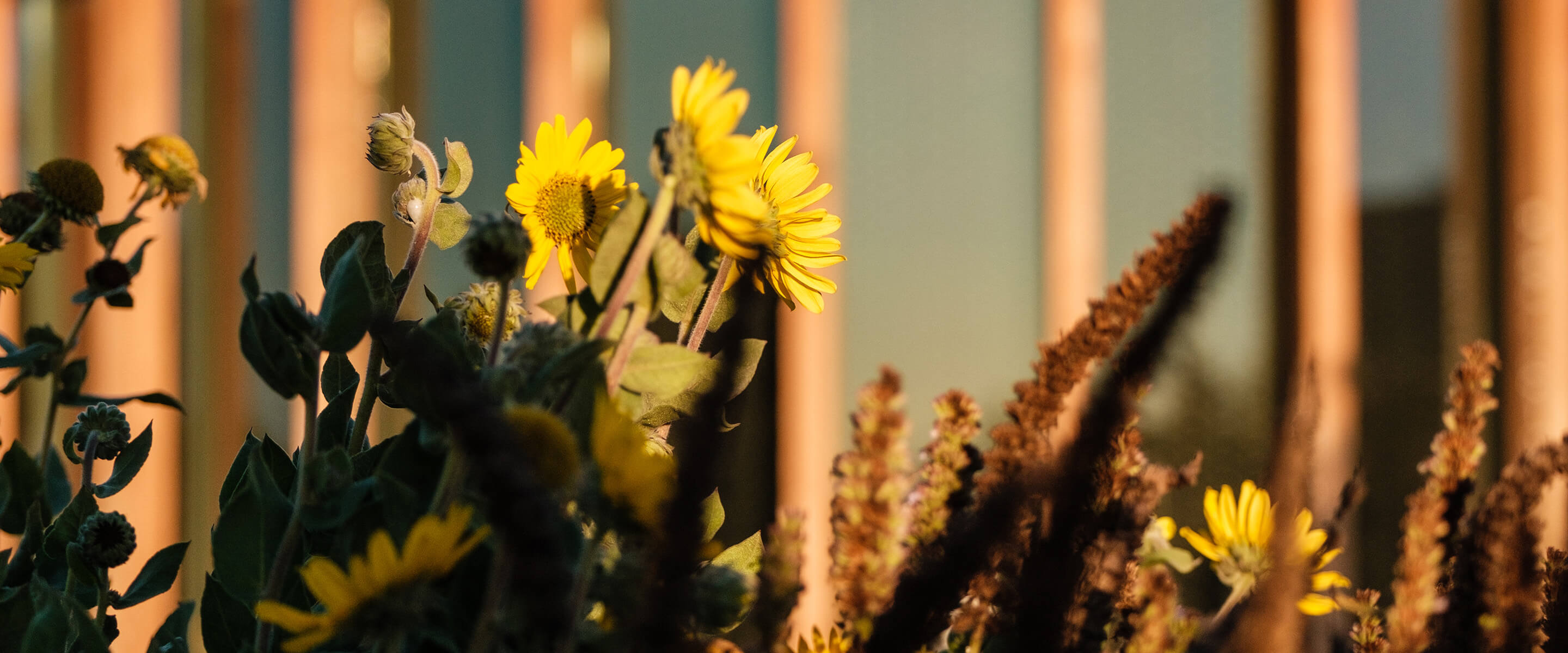
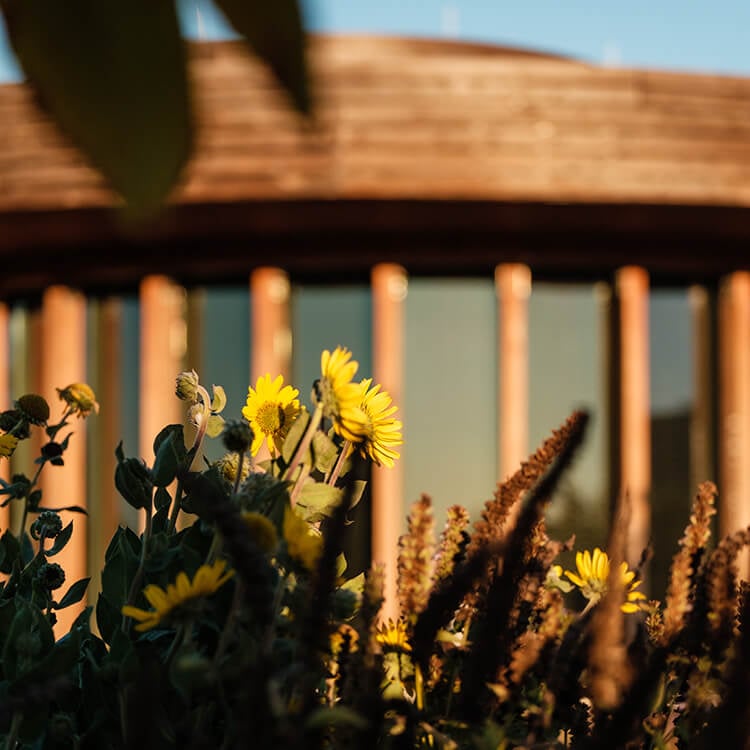
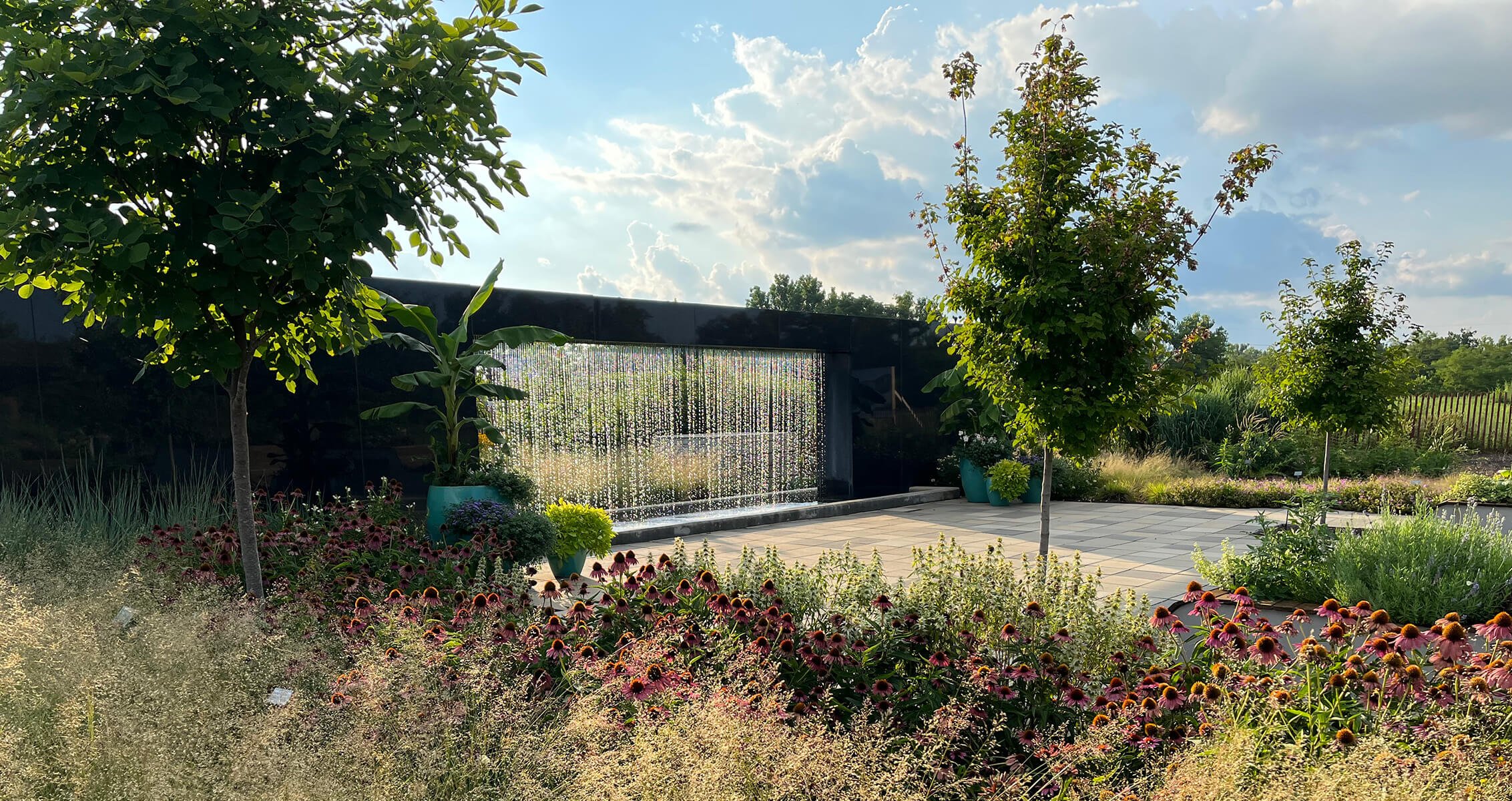
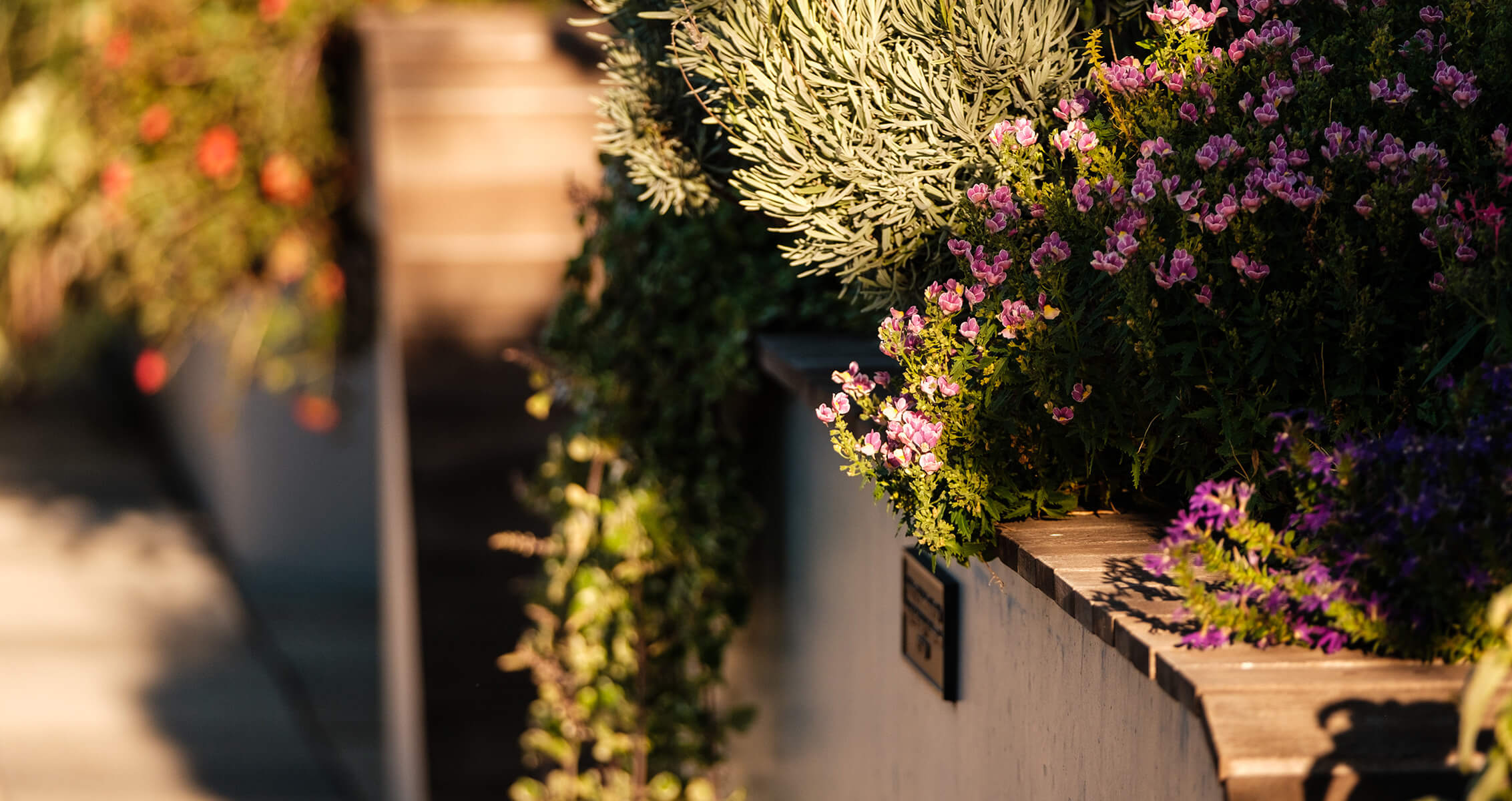
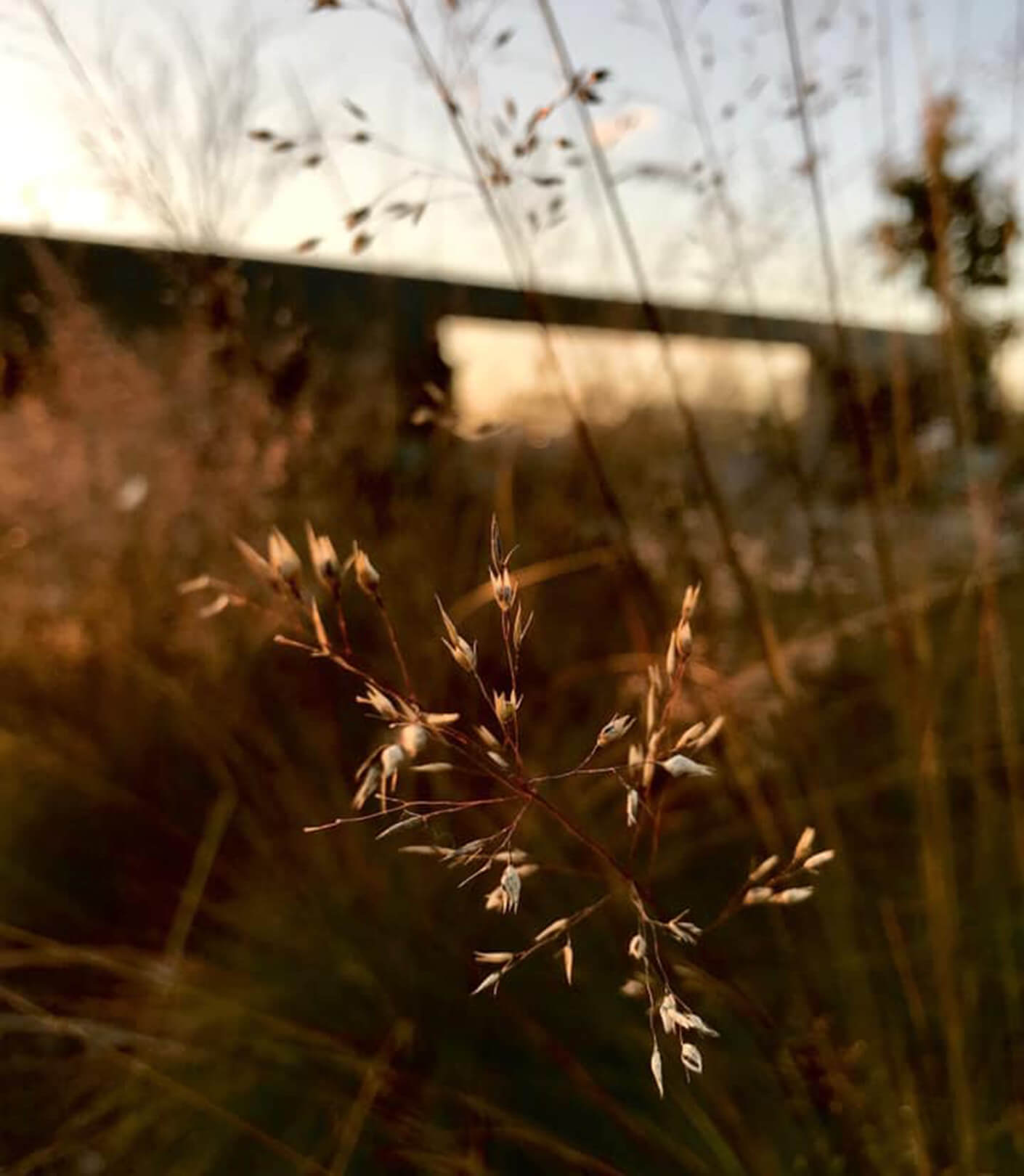
To restore it, WBG and its landscape design team introduced resilient native and adaptive plants—prairie grasses, sedges, black-eyed Susans—chosen for their ability to survive in thin, nutrient-poor soil. Where contamination was higher, raised beds and soil corridors were built to isolate roots. “Over time, life started to return,” Hagerty says. “First the plants, then the worms, then the birds and other animals. It’s a reminder that nature is resilient, and if you give it the right conditions, it will thrive again.”
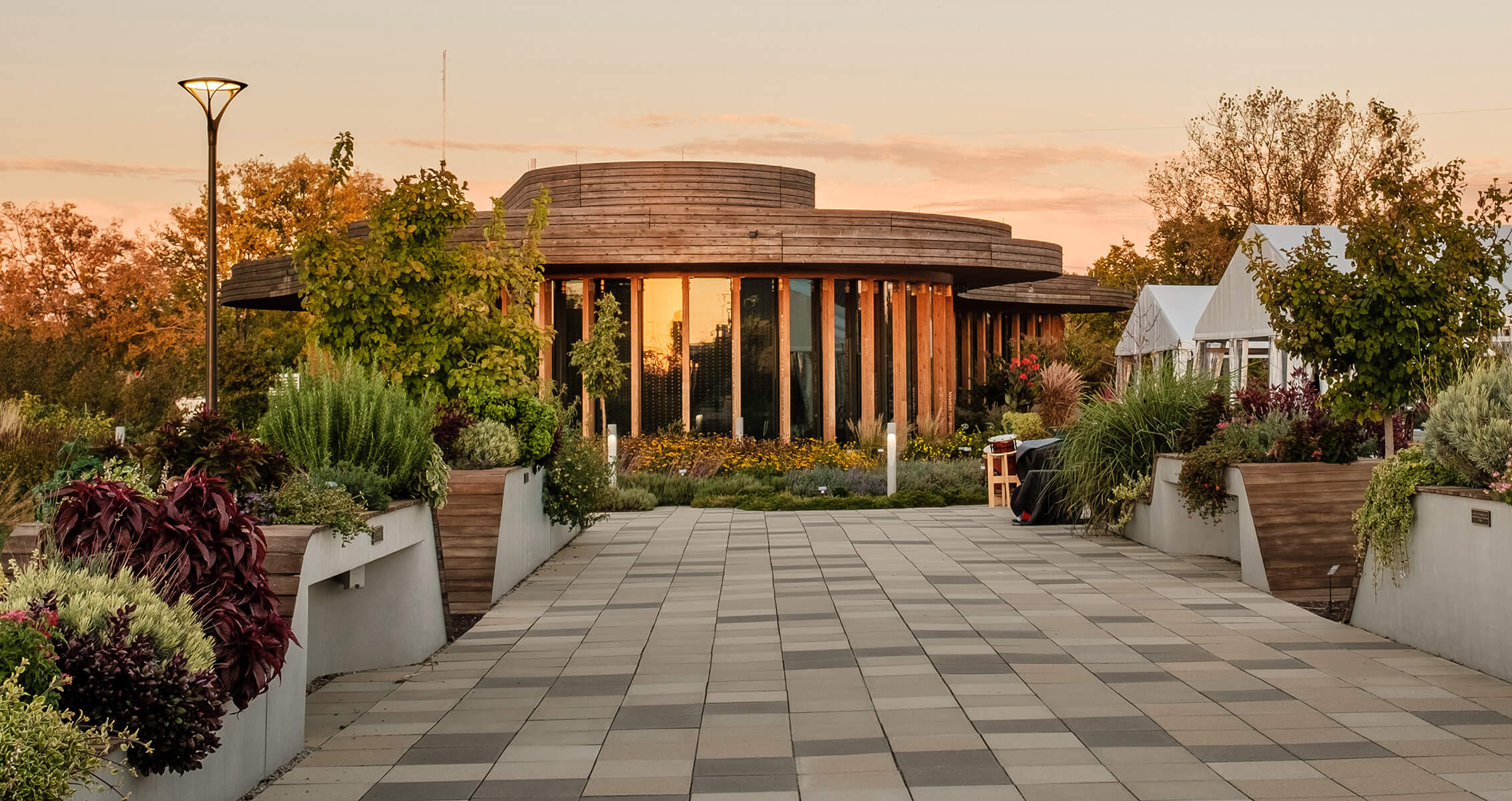
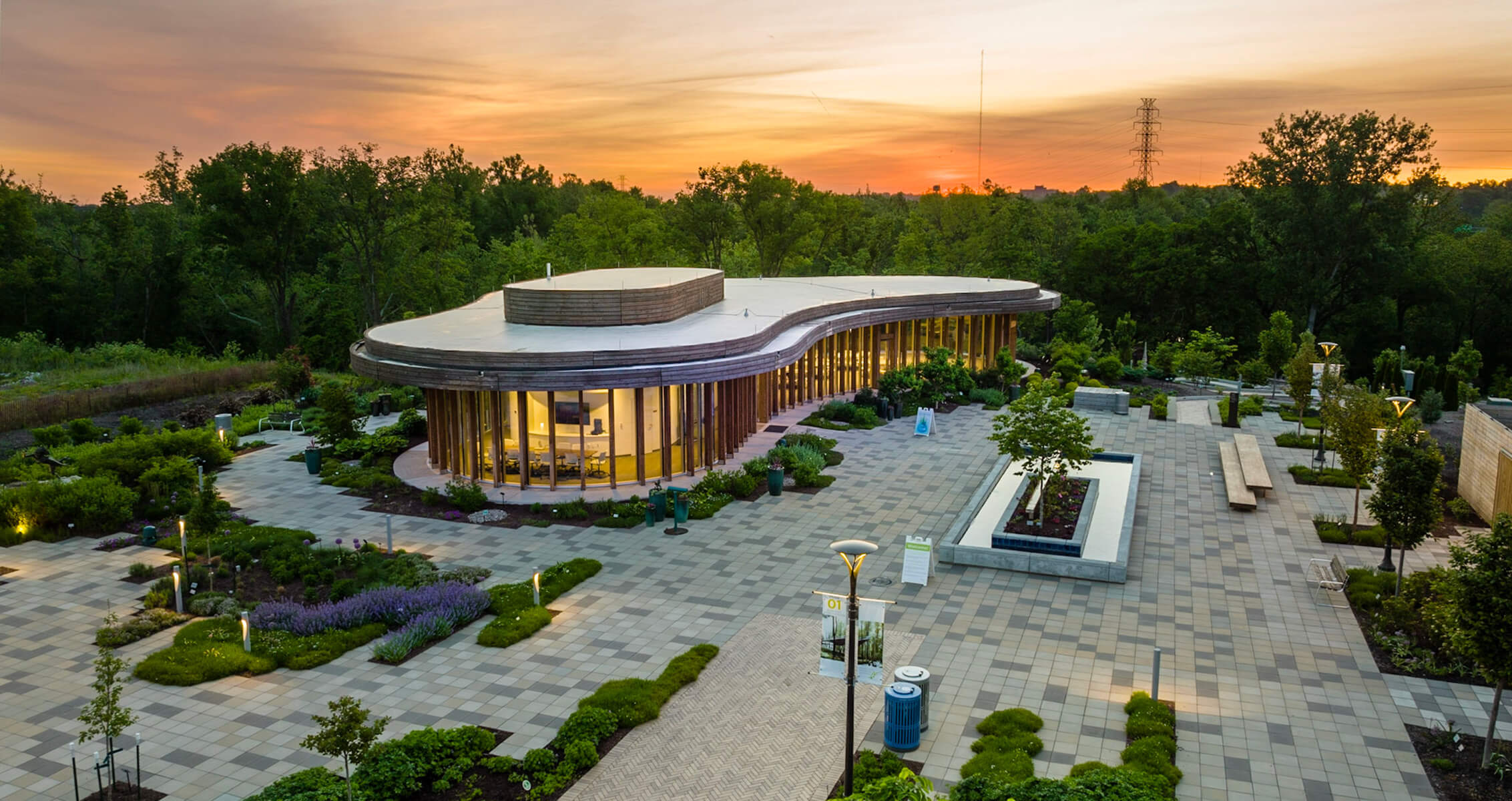
The first phase of the gardens is now complete. The site features an education center, edible landscaping, native and pollinator gardens, and spaces for gatherings, celebrations, learning, and quiet reflection. School groups tour the site year-round and seasonal planting days in late winter and early fall attract hundreds of volunteers.
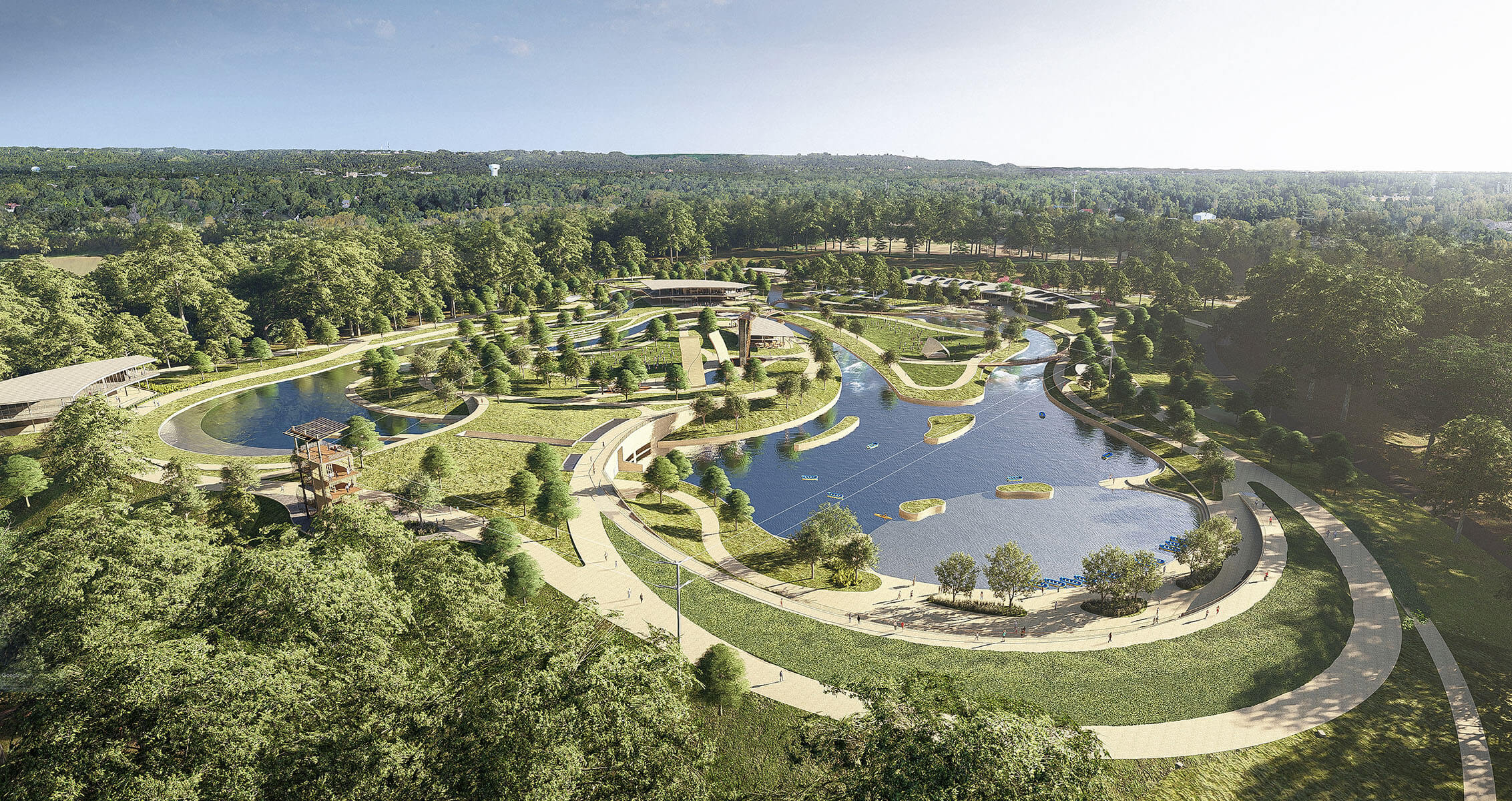
The garden continues to grow with the addition of a bonsai display house and garden, which will showcase a collection of more than 150 bonsai trees, once completed. A new allée of 20 swamp white oaks will lead to an overlook with sweeping views of Beargrass Creek. Future plans also include a visitors’ center, children’s garden, and conservatory.
Welcoming more than 75,000 visitors annually, WBG has become an exemplar of safe, sustainable landfill reuse and a beloved civic space. “We reclaimed a place many had written off and made it into something people want to be part of,” says Phil Koester, president and CEO of WBG.