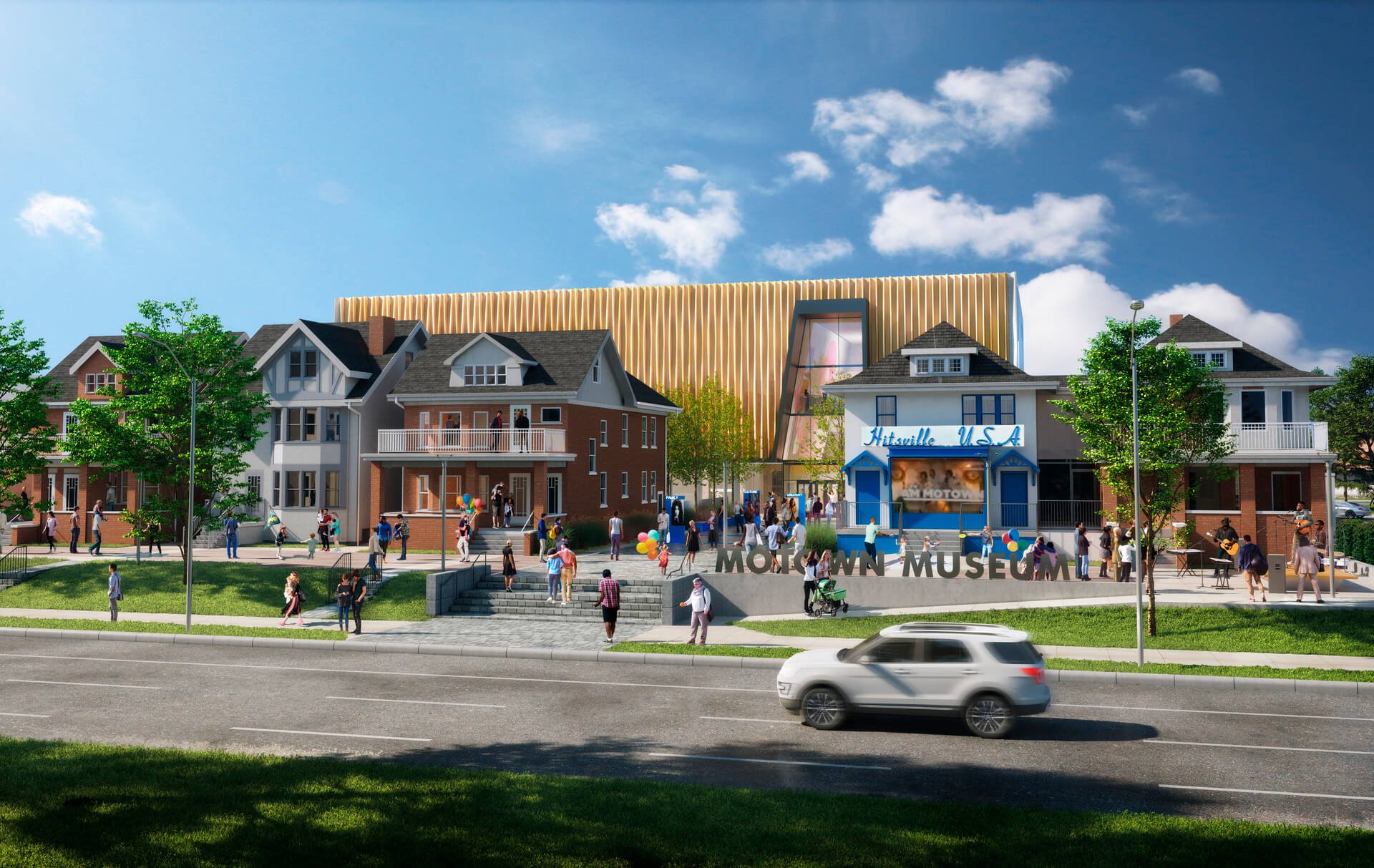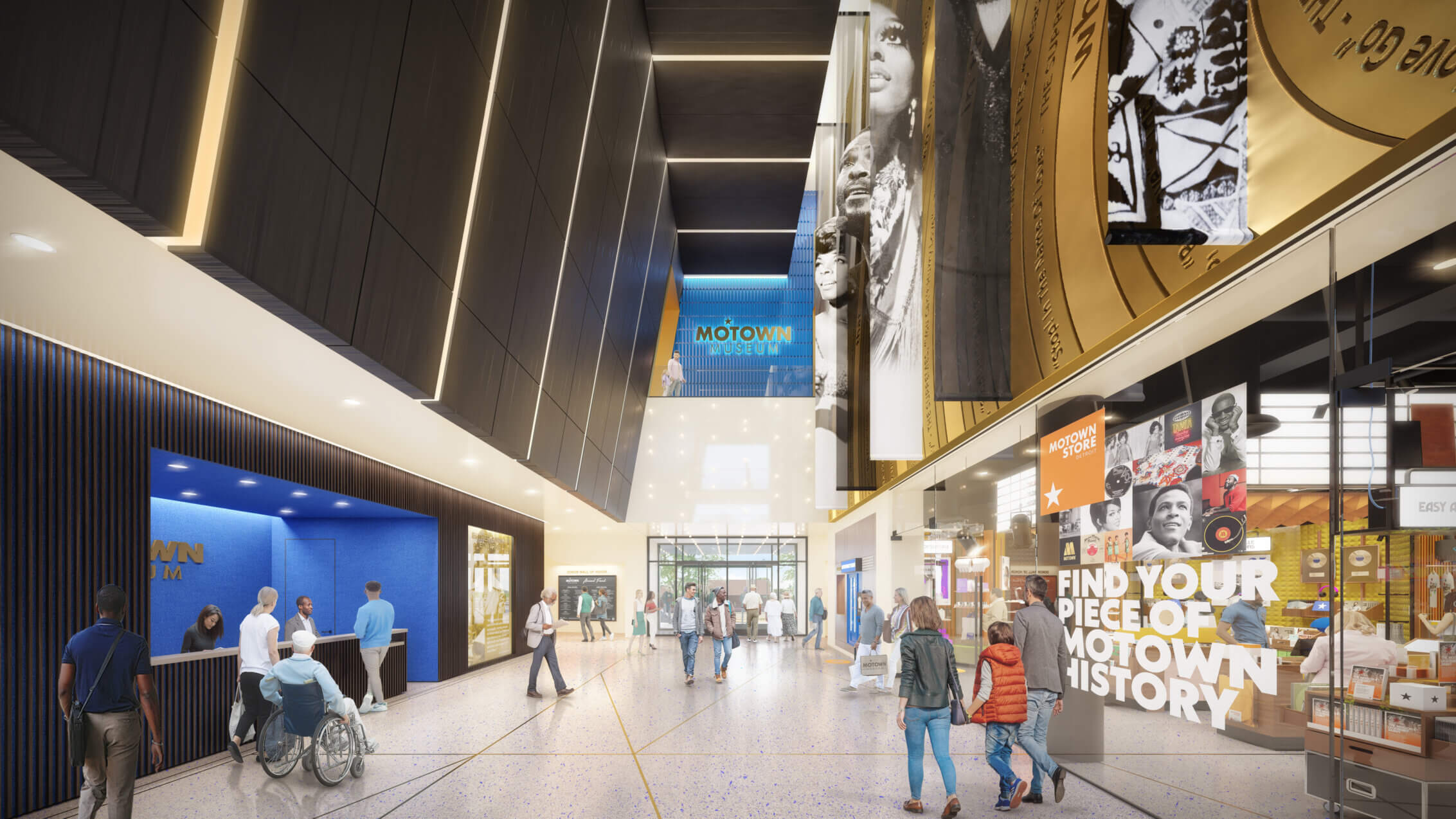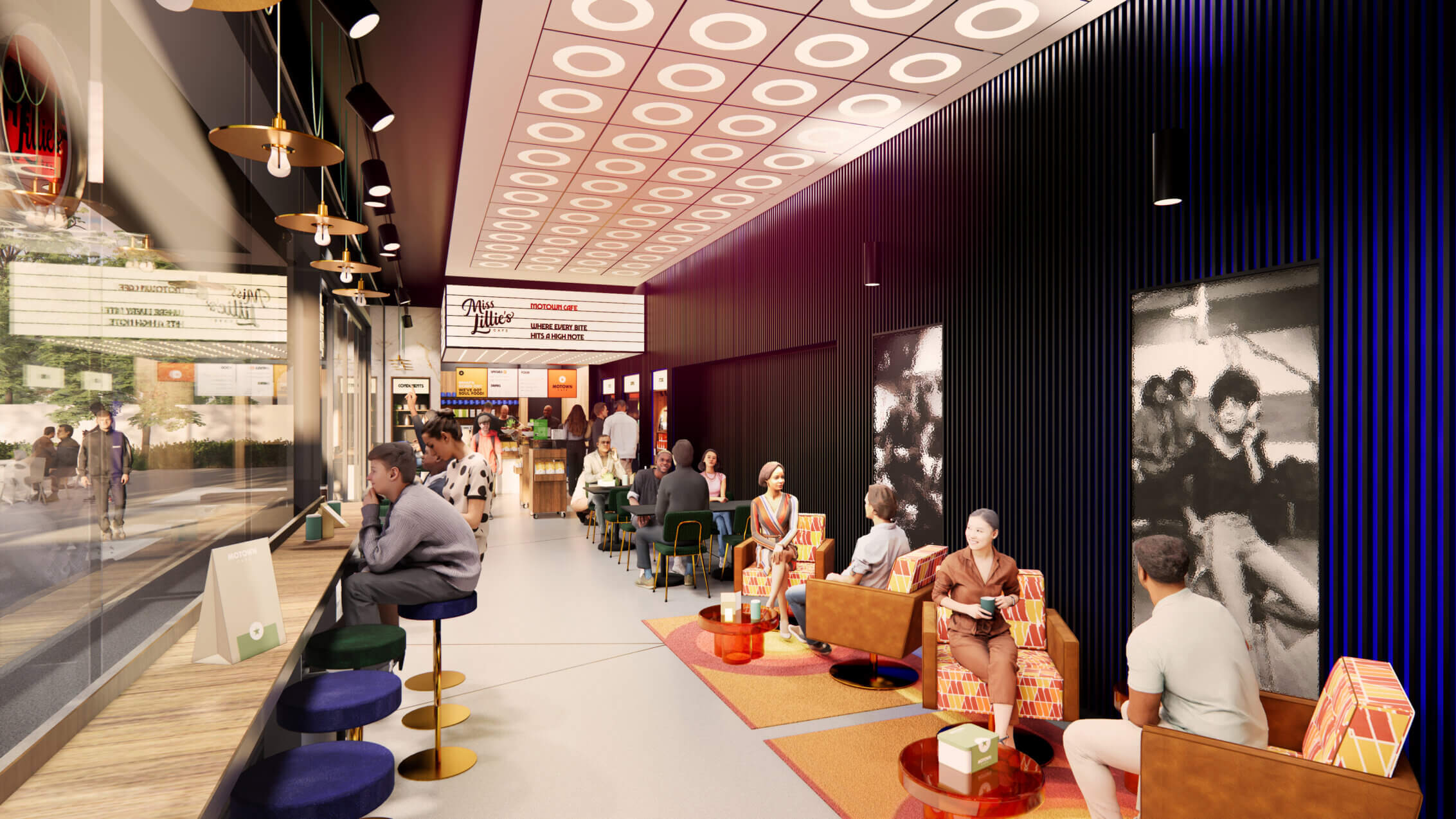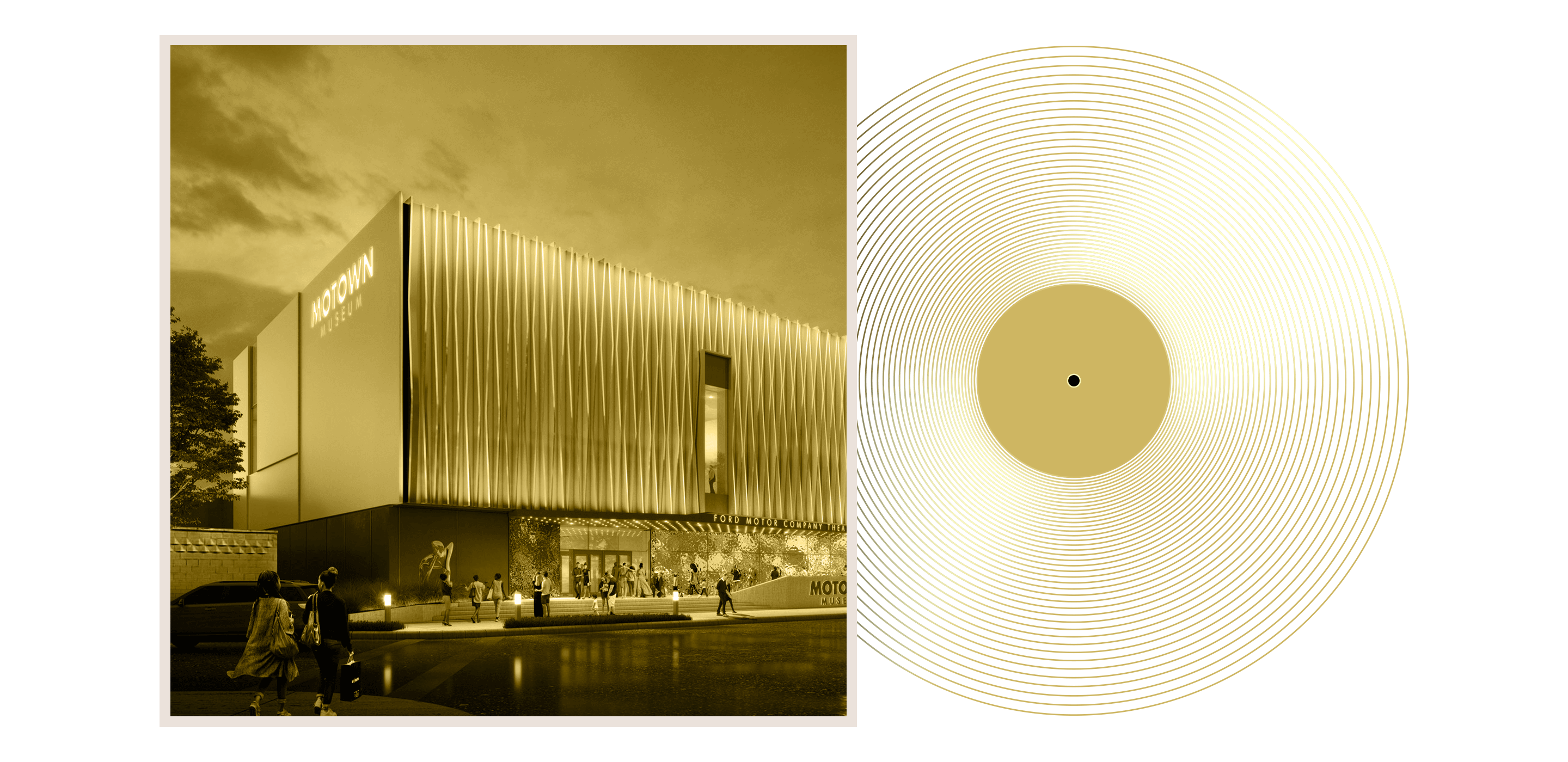
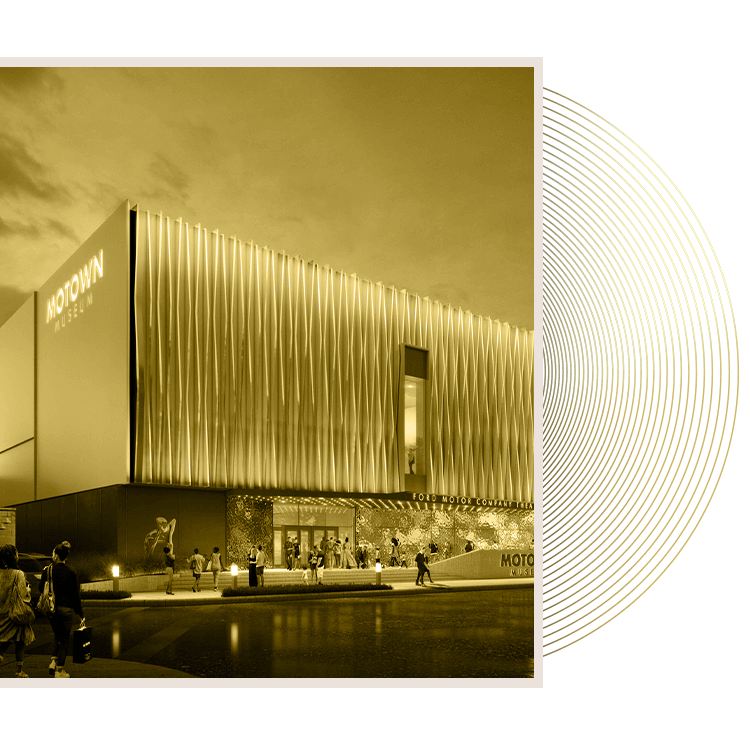
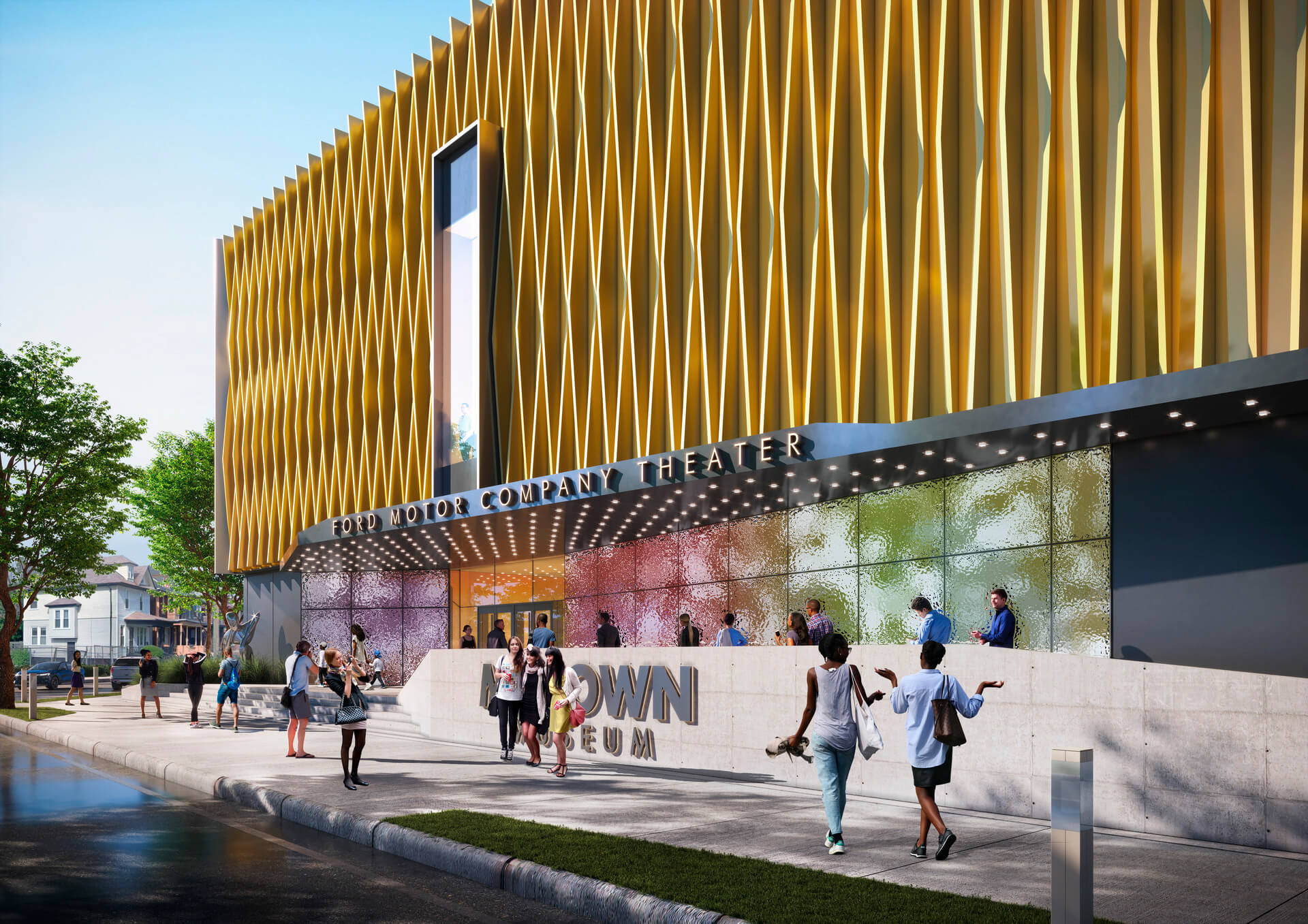
In fall 2024, construction began on the third phase of the Motown Museum, a cultural, entertainment, and educational destination that includes Gordy’s original two-story residence, presciently called Hitsville U.S.A., where the label operated until its move to Los Angeles in 1972. The final phase will expand the museum facilities from 10,000 to nearly 50,000 square feet and caps decades of planning from contributors central to Motown’s legacy, including Gordy’s eldest sister, Esther Gordy Edwards. She had the foresight to establish a museum and began preserving memorabilia and stories.
Hitsville U.S.A. has been accessible to fans and admirers since 1985. But the vision for the Motown Museum has always been grander. “We wanted to create a campus that celebrates the legacy of Motown at its birthplace,” says Robin Terry, chairwoman of the museum expansion project and Edwards’ granddaughter. “Our goal is to be an open, magical, and transformative space that welcomes fans of Motown, music, and history from around the globe to be uplifted by this important part of American history.”
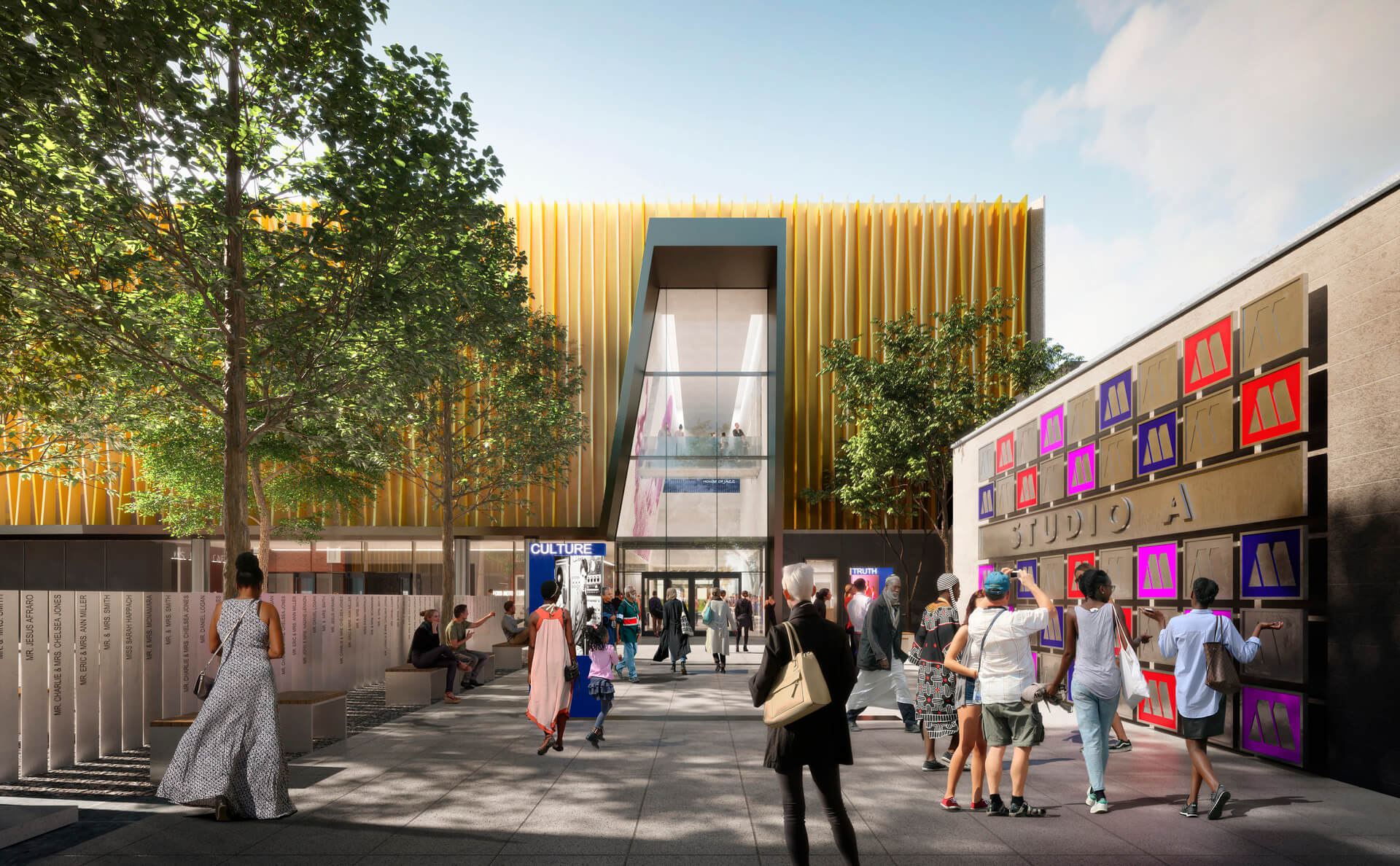
Phase One of the museum saw the restoration of Hitsville U.S.A. and three neighboring houses that served as administrative offices for the label; it also laid the groundwork for Hitsville NEXT, a hub of creative programming for artists and entrepreneurs in the community. Phase Two added Rocket Plaza, a landscaped space outside Hitsville U.S.A. complete with park seating and a Motown soundtrack that serves as the front door and gathering place of the museum grounds.
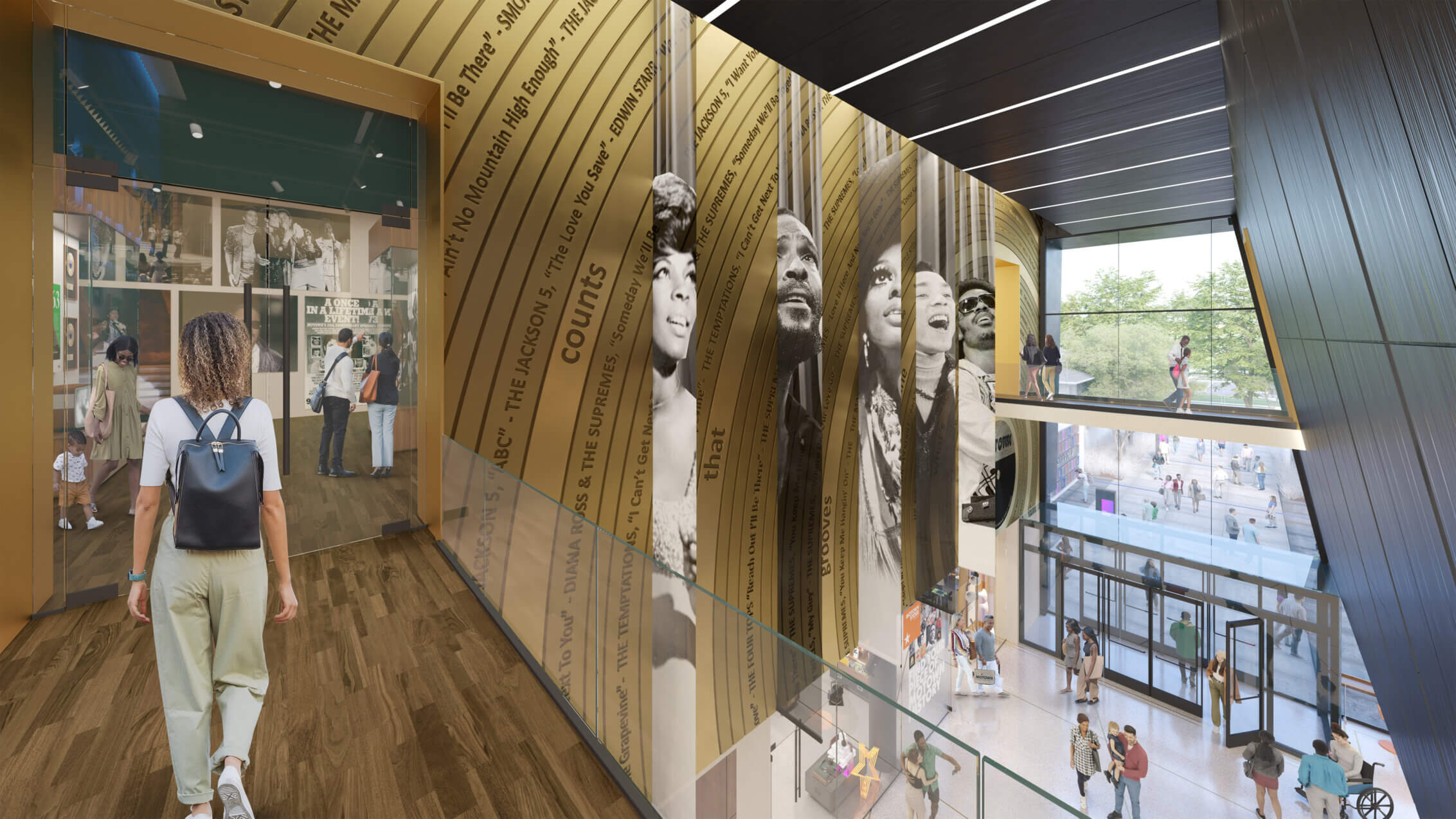
Like the groundswell of industry and social change that followed on the heels of Motown Records, the new expansion will rise behind Hitsville U.S.A. and the modest Motown-era houses fronting West Grand Boulevard. During the design visioning sessions, museum stakeholders regularly recalled the love that generated the sound of Motown. The label’s alumni also wanted the design to metaphorically express the prolific number of gold records produced by the little record company that could—and did.
“The story it tells is the evolution of Motown as a company and brand,” Terry says. “From a small, entrepreneurial startup came the sound of young America and what became the iconic gold standard.”
Visitors to both the plaza and the expansion will be immersed in music, the common thread that runs through the museum campus. “Our hope is that visitors will immediately feel that they have arrived in a special place and begin a journey of inspiration, nostalgia, and empowerment. The museum speaks to not only the generation that was raised on Motown, but also the generation that is here to learn from and continue that history.”