For the Love of People January 14, 2026

Meet the man who is creating Latin America’s largest children’s hospital

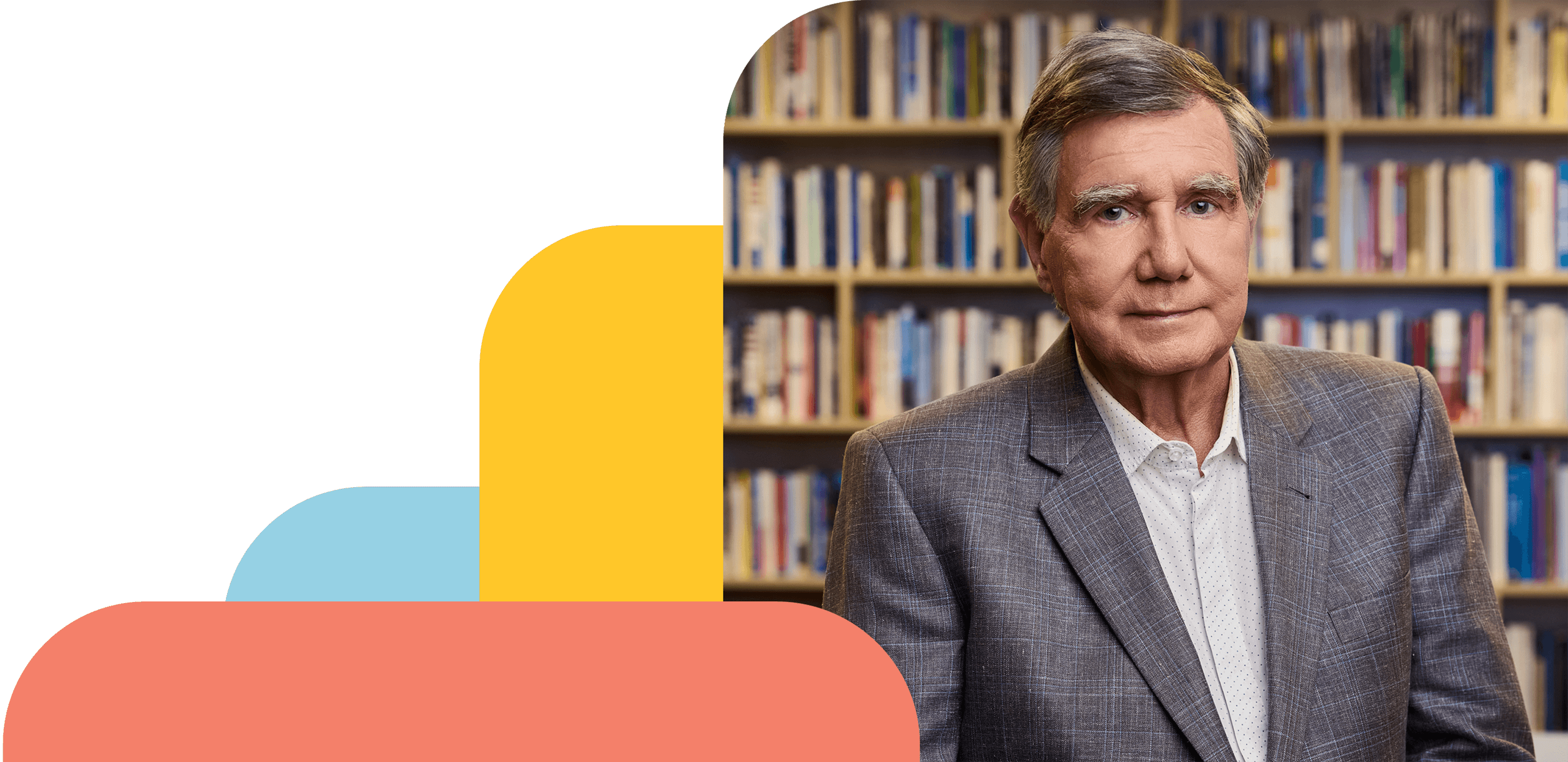
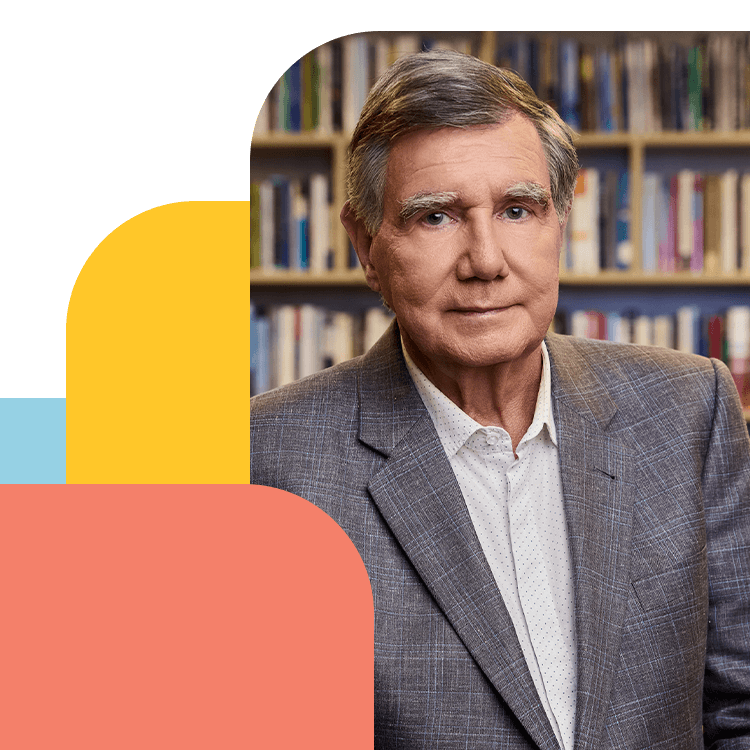
Portrait of José Luiz in a library.
Photo: Victor Affaro
Pediatrician José Luiz Egydio Setúbal is a son of Brazil’s former Minister of Foreign Affairs, Olavo Egydio Setúbal. He’s also a philanthropist who purchased Sabará Children’s Hospital in São Paulo and helped transform it into a leading institution renowned for excellent care and free services to children in need.

Proceeds from the hospital fund the Fundação José Luiz Egydio Setúbal (FJLES), the largest children’s health system in Brazil. It comprises Sabará Children’s Hospital, located in the city of São Paulo and a leading institution in the care of children and adolescents up to 18 years old; the PENSI Institute and PENSI Social, the research and education arms focused on child health, which conduct and promote scientific studies for healthcare professionals, educators, families, and society at large; and Infinis, Institute for a Healthy Childhood Future, the foundation’s philanthropy and advocacy branch, which works to defend the health of children and adolescents and to strengthen civil society in Brazil.
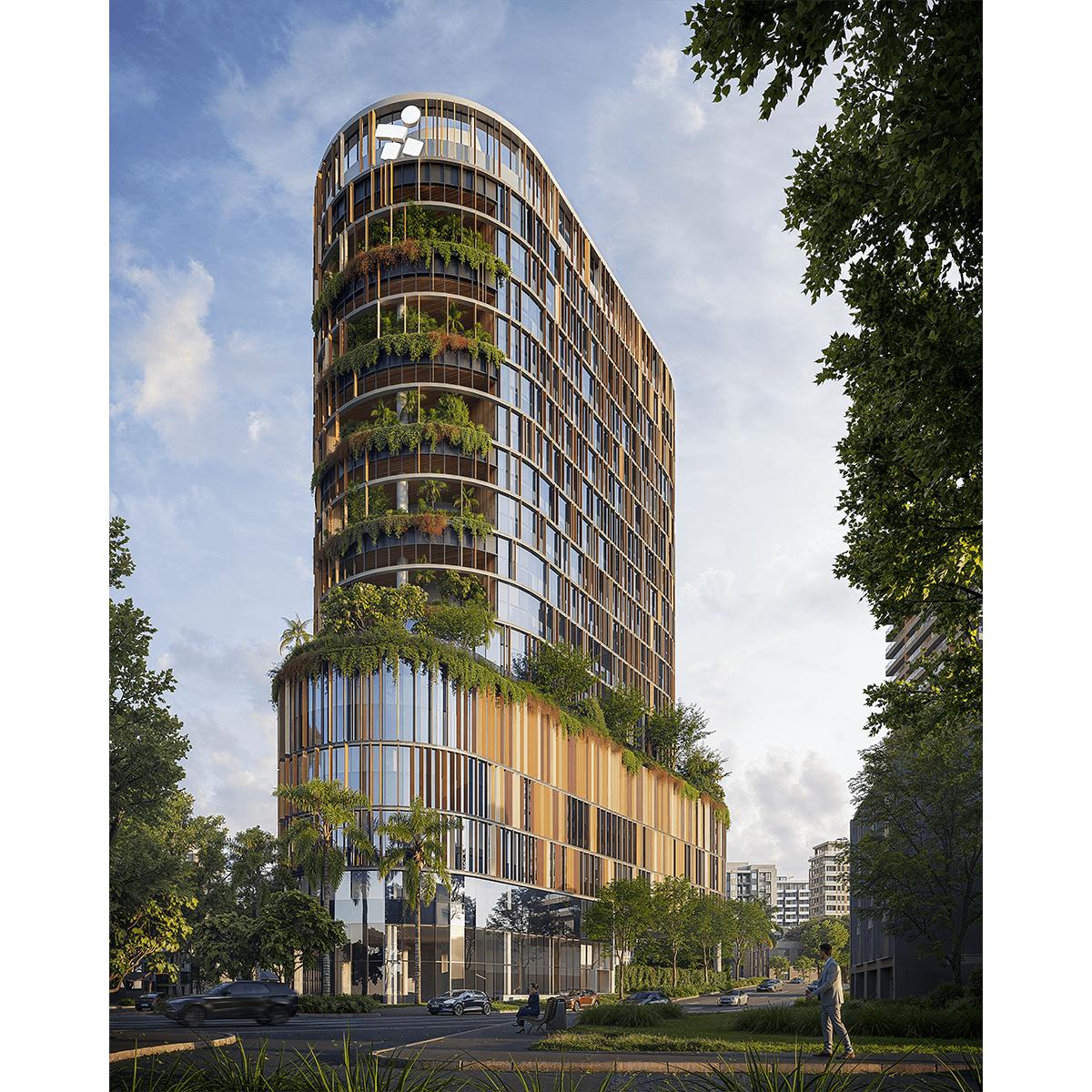
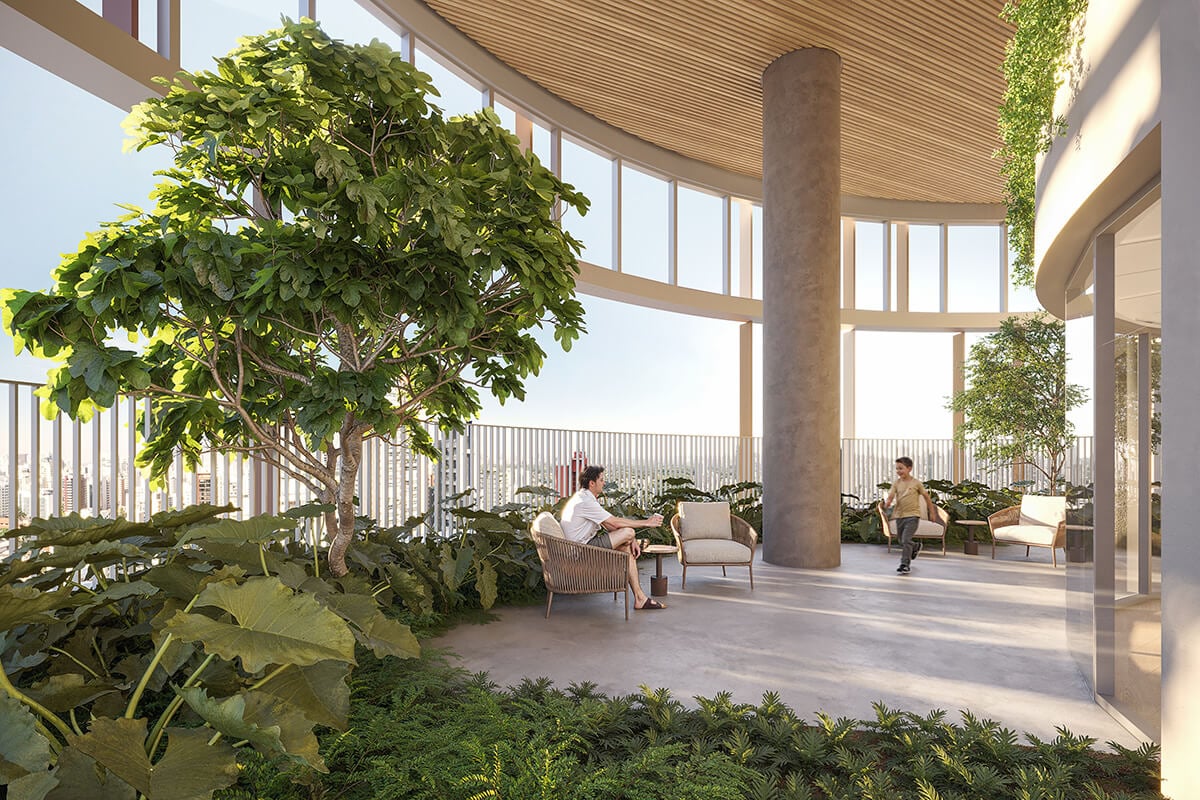
Modern hospital building with lush greenery on a sunny day.
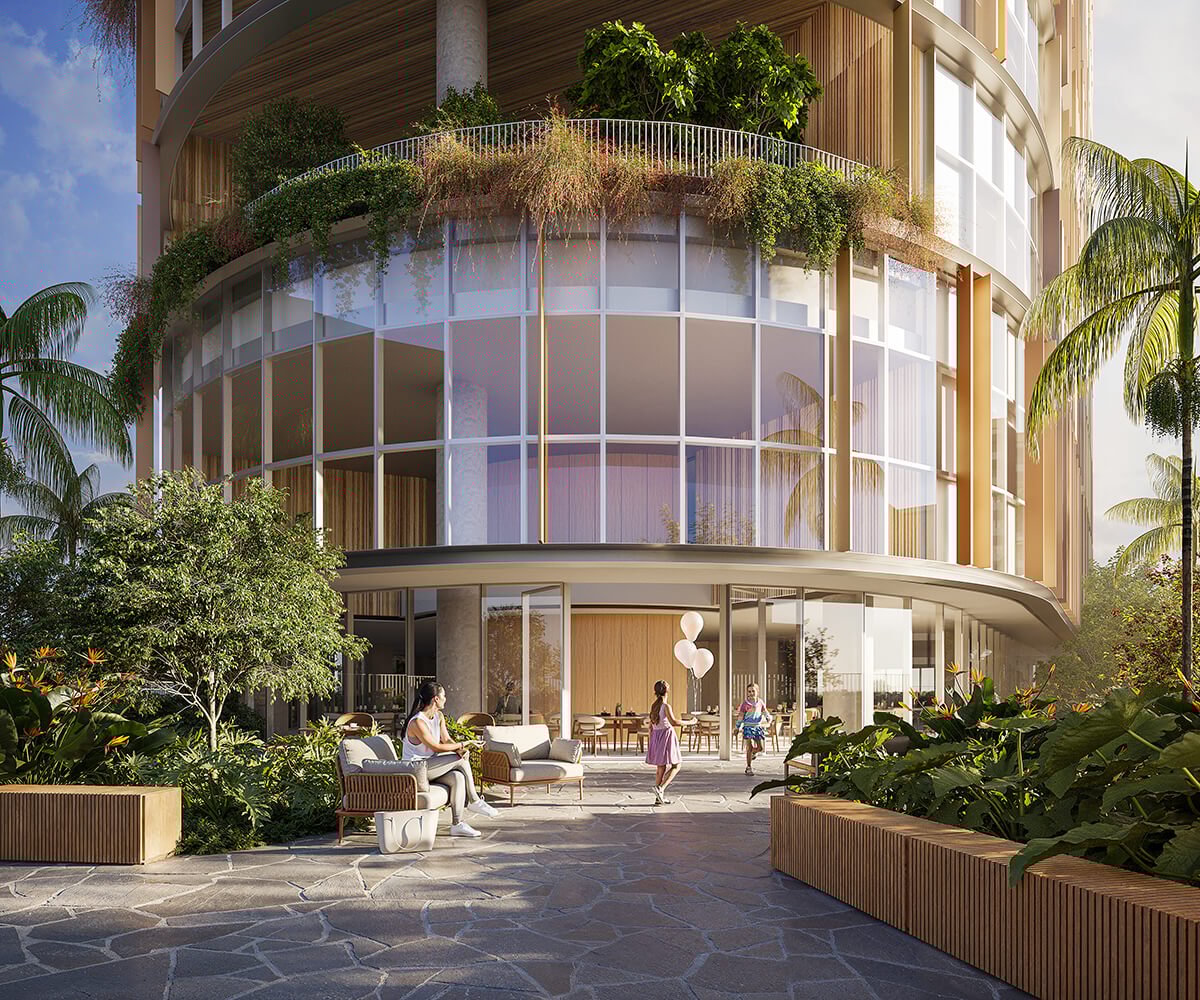
Designed to be the largest pediatric complex in Latin America, Sabará Children’s Hospital blends nature and emerging technologies to serve children undergoing treatment, their families, and medical professionals.
Setúbal is now spearheading an effort to build a new home for Sabará Children’s Hospital that will double its capacity for pediatric care, teaching, and research. Lara Kaiser, a São Paulo-based healthcare designer, recently sat down with him to discuss his life’s work, the new hospital project, and his views on giving back to the community.
Lara Kaiser: Thinking back on your early career, what initially drew you to specialize in pediatrics?

José Luiz Egydio Setúbal: I chose to be a pediatrician for two reasons. First, because pediatrics is a specialty that focuses on disease prevention and health promotion. The second reason is that I find it fascinating to follow children’s development from the beginning of life until they become adults.

LK: As heir to a large fortune, you could have retired to a tropical island and lived a life of ease. Or, given that you come from a long line of politicians, you could have used your fortune to build political power. Instead, you chose to become a doctor and philanthropist. What drives you to contribute to society in this way?

JLES: I would say that my family history is deeply connected to philanthropy in Brazil, whether through corporate philanthropy in family businesses or through family foundations. Another aspect I would like to emphasize is that work, as well as study, are fundamental values in my family, so I would never consider going to a tropical island to enjoy life without working! I cannot imagine not doing something that contributes to improving the community in which I live.


"I cannot imagine not doing something that contributes to improving the community in which I live."
José Luiz Egydio Setúbal
LK: You and your philanthropies are increasingly committed to addressing children’s physical health as well as their psychosocial development. How did this come about? And what are some strategies that the hospital and the research-focused PENSI Institute are pursuing to address them?

JLES: Human beings are very complex and cannot be viewed from just one perspective. We usually consider them within their social context and from at least biological and psychological perspectives.

The foundation operates as a social holding company with three institutions: the hospital, which treats diseases and focuses primarily on biological aspects; the PENSI Institute, which incorporates human and social sciences alongside health sciences and serves as our education and research center; and the Infinis Institute, which is our advocacy arm. All these fields complement each other. With these institutions, we can say that we have closed the circle of medical care, research, education in health, and children’s rights advocacy.

We focus on three strategic areas—mental health, food security, and vaccines—aligning our efforts with U.N. sustainability goals for 2030. We collaborate with organizations such as the U.N. Children’s Fund, for example, and currently prioritize populations in the north and northeast regions of Brazil, which are the most socially vulnerable. We also work with indigenous populations, which include approximately 300,000 children in Brazil.

LK: Regarding the new Sabará Children’s Hospital, how does its design support physical and psychosocial health?

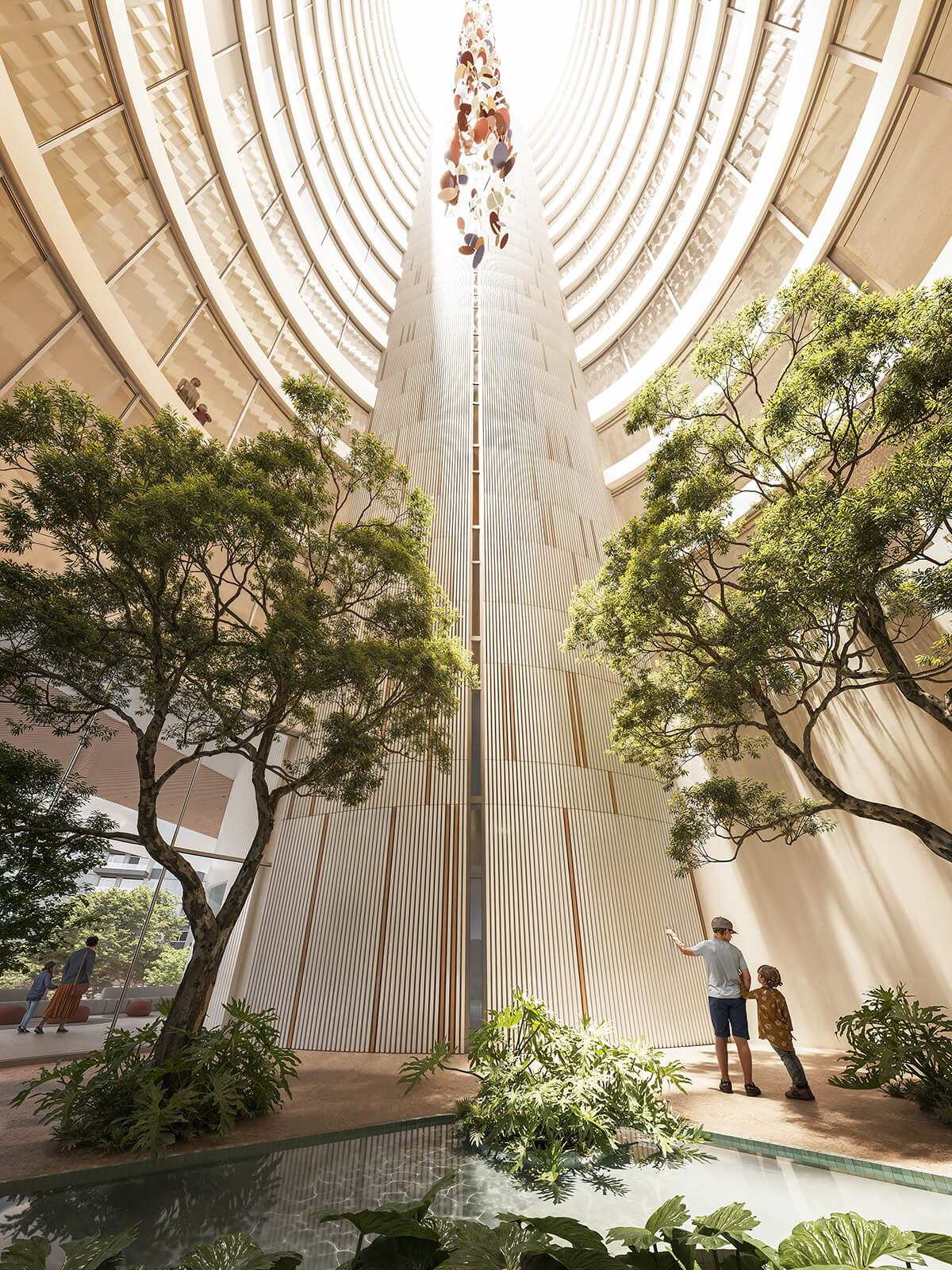
JLES: The new hospital must reflect our foundation’s values. From our very first discussions, the requests made to the architects included considerations for families and children in every detail of the new hospital—curved structures, natural light, access to nature, and playrooms.

Although I haven’t been involved in the details of the architectural design, I helped shape the overall conceptualization. This includes not only the architecture, but also the underlying vision of what we understand by health, how we welcome children and their families, and what we, as a foundation, want to contribute and give back to our society. I think that reflecting on all of this is what brings me the most satisfaction, especially now that everything is starting to take shape.

LK: Your foundation recently signed onto the U.N. Global Compact, the world’s largest voluntary corporate sustainability initiative. Does the hospital’s design reflect this commitment to sustainability?

JLES: In the times we are living in and those we will face in the near future, it would be a strategic mistake not to prioritize sustainability in our project. We live in São Paulo, a city that, in recent years, has experienced heat waves, intense storms, floods, and lightning in unprecedented numbers. Therefore, our project has been carefully designed with a strong commitment to the sustainability of our planet.


"In the times we are living in and those we will face in the near future, it would be a strategic mistake not to prioritize sustainability in our project."
José Luiz Egydio Setúbal

LK: What’s your vision for the future of Sabará Children’s Hospital?

JLES: With the new hospital, I would like Sabará to become a model in pediatric care in Brazil and even in South America. I also believe we can establish an important center for teaching pediatric specialties and studying children’s public health challenges. I hope that in 10 years, we can become the largest children’s health complex in Brazil, perhaps even with the characteristics of a think tank.

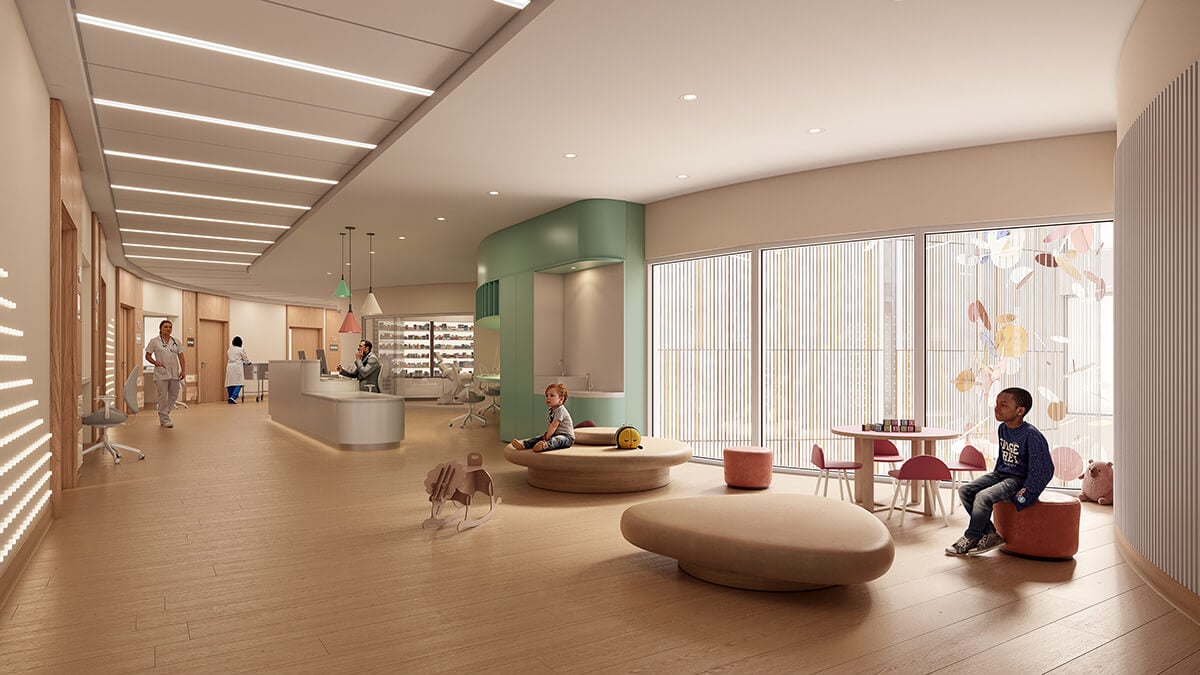
Children's play area in a modern hospital waiting room.
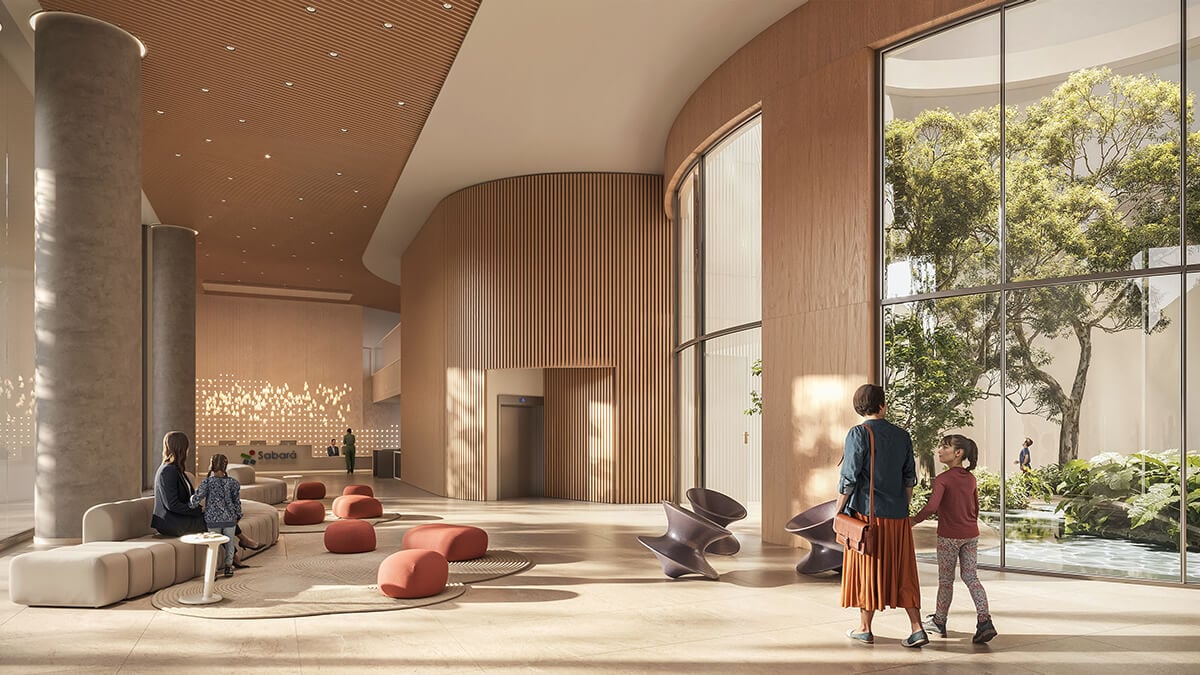
Play areas give children room to explore their delights in interiors alive with daylight.
LK: Do you think that what you are doing with Sabará can be done elsewhere in the world?

JLES: Yes, I believe we have developed a philanthropic model that has proven successful and can be replicated. It is not new—it exists in several places. In this model, a profitable business sustains a social organization, which, by having its own resources, does not need to rely on donors.

Of course, there are always risks. When I bought Sabará Hospital, it had 40 beds; today, it has 160, and in two years, it will have 300. Its revenue and profitability have grown enormously, which is the result of a great deal of work and effort, but always with the belief in a model that could succeed and provide an incredible and lasting social impact.