Designer Spotlight August 3, 2026

Holly Christian: Consider all the Senses

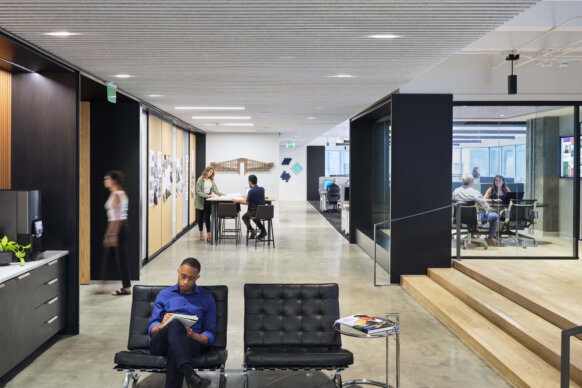
Spacious interior view showcasing curved stairs, seating areas, and natural light with people interacting in a collaborative space.
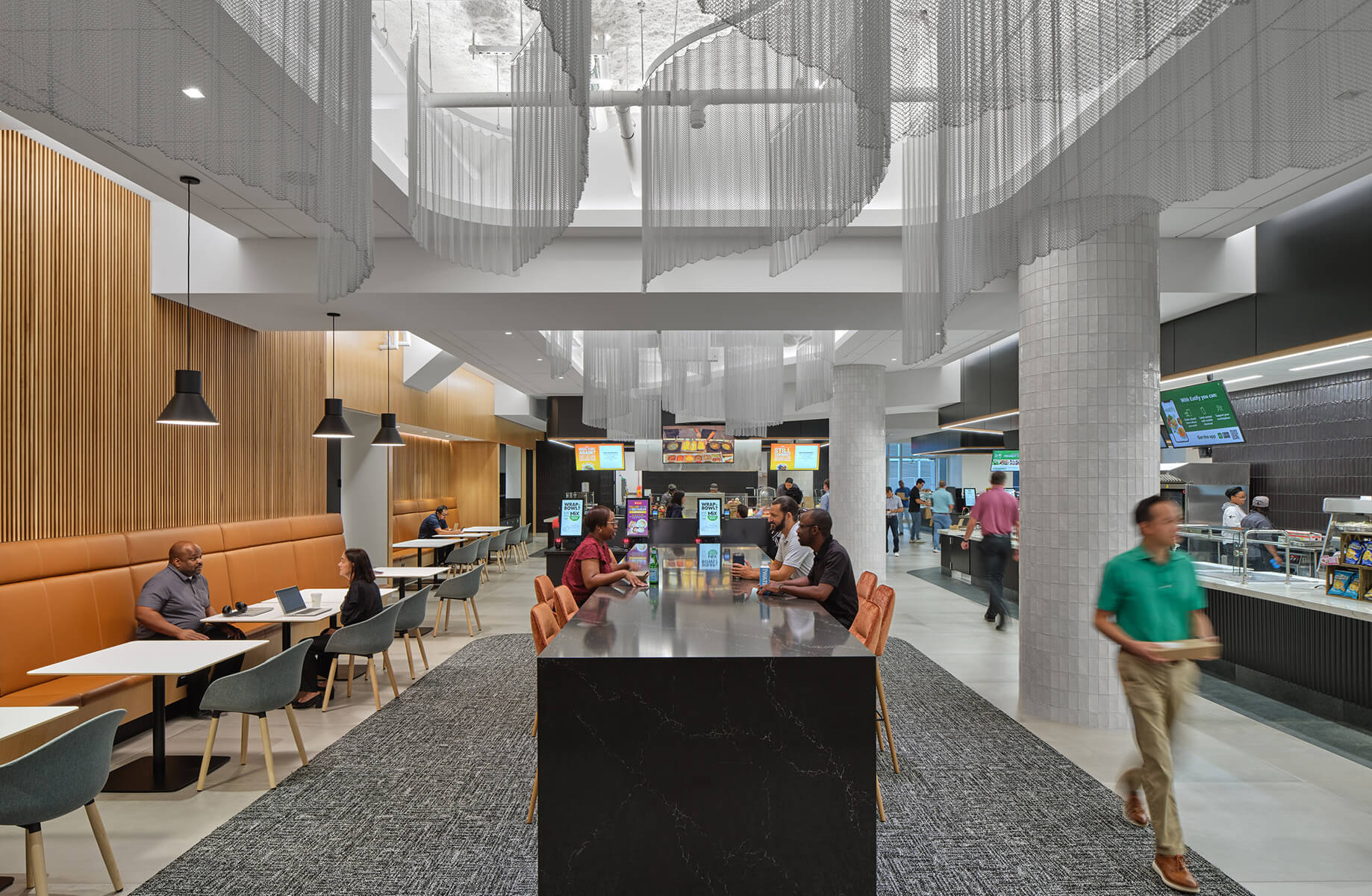
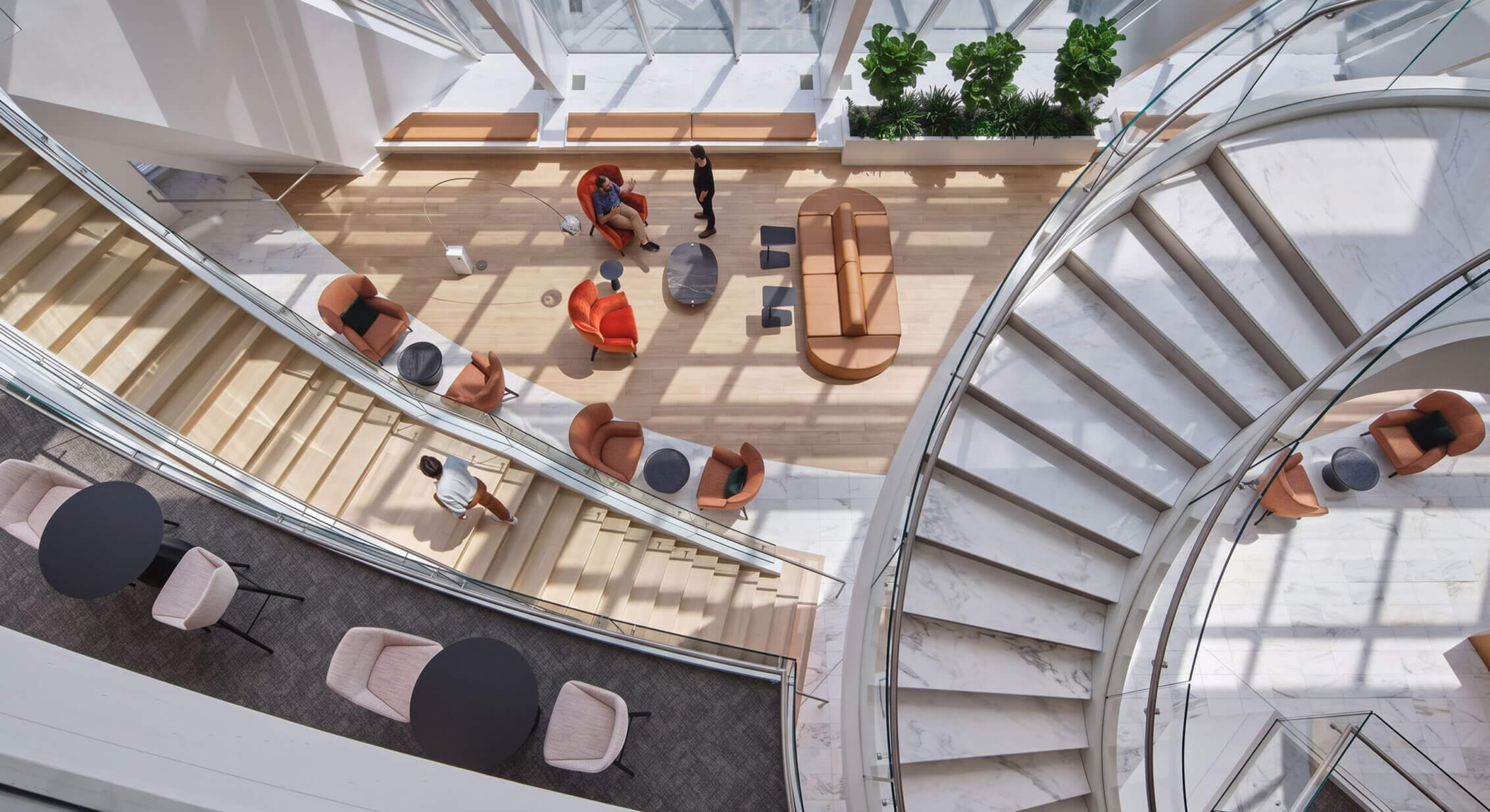
Wells Fargo 550 S. Tryon
Charlotte, North Carolina

With a mix of country roots and big-city experience, Holly leads interior design in our North Carolina studios. She grew up in a tiny Appalachian community, where her parents encouraged her to pursue her dreams of an artistic profession. This led her to studying interior architecture at UNC Greensboro, where she fell in love with the people, projects, pace, and rigor of design. But it was in Chicago, where she started as an intern at The Environments Group (which later merged with Perkins&Will in 2008), that she discovered design could be a rich and rewarding career.

We recently sat down with Holly to talk about her background, where she finds inspiration beyond the profession, her advice for young people just starting out in design, and more.

Interiors are all about experience...consider all the senses and what that space needs to make it even better and more comfortable.
Her love of art started early.
Holly (right) with her sister.
How has your personal background or culture influenced your design philosophy?

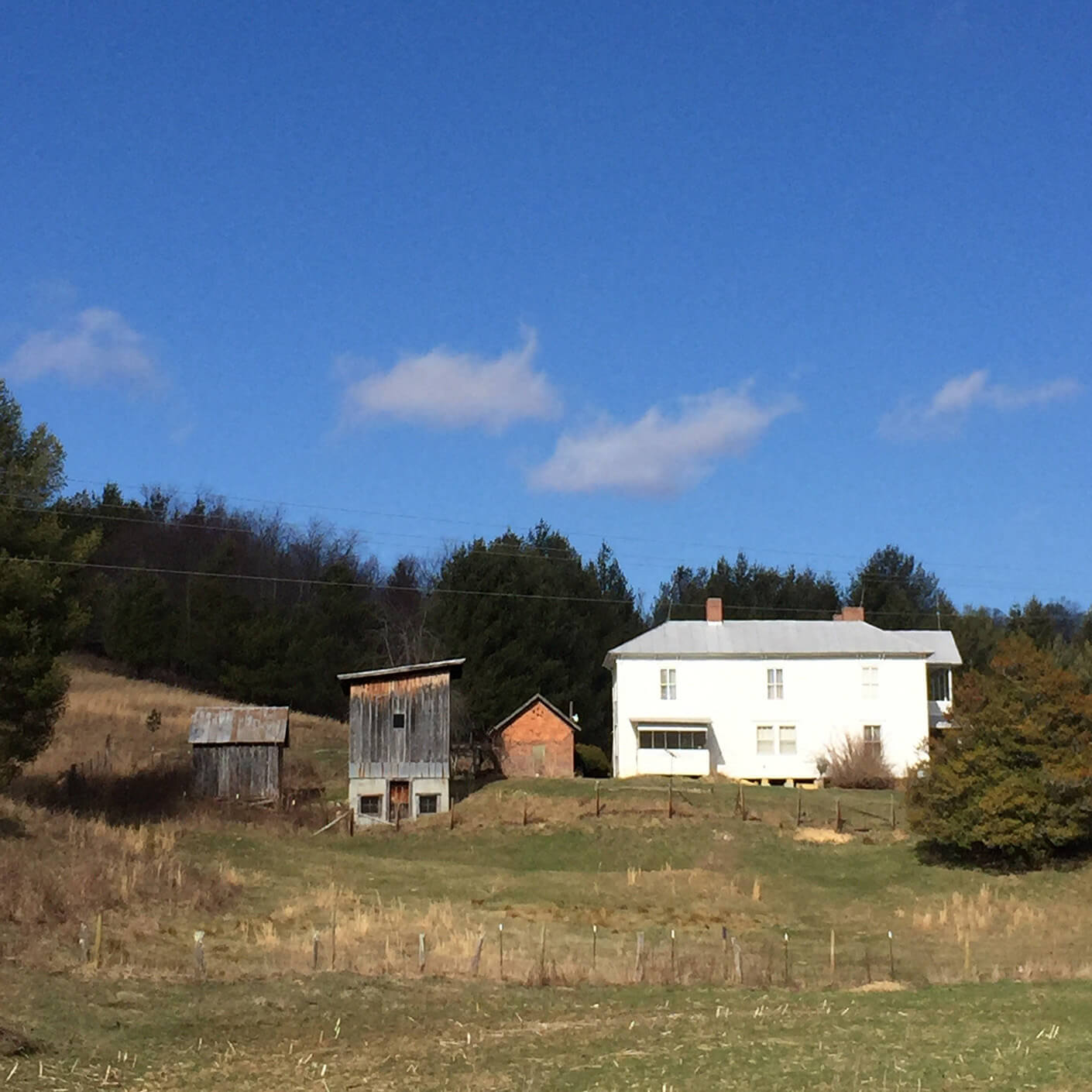
I grew up in a tiny community in the northwestern corner of North Carolina in the Appalachian Mountains. There was one elementary school and 12 in my class. It was a pastoral, gorgeous place to grow up with nature abounding—a perfect place to nurture a big imagination and big dreams.

Looking back on those formative years, I see the influences of my parents. My mother was a nurse—a caregiver of all people. My father was an agriculture teacher and farmer—a caretaker of the earth. Living in such a remote place with low industry and financial resources, we were forced to be resourceful. I have such an appreciation for people and the planet from those years.

Can you describe a pivotal moment in your career when everything changed, either positively or negatively?

When we stopped using the word “design” and starting using “creativity.”

It was about 15 years into my career. A few members of my team came to me and said, “Can you teach us how you develop concepts and get clients on board with your ideas?” We began having workshops and weekend retreats. Once we switched “How to Design” to “Growing your Creative Muscle” it unlocked their ability to design.

Most designers experience imposter syndrome at some point, even in this profession, even when you’ve been doing it for a long time. “Design” has so many connotations around it and people can have a hard time saying, “I’m a designer.” “Creativity” seems to free everybody’s mind up to be like, “Well, there is a little part of me that’s creative and I can possibly be more creative.”

From there, I became more involved in growing the next generation of talent and helping them build their design skills.

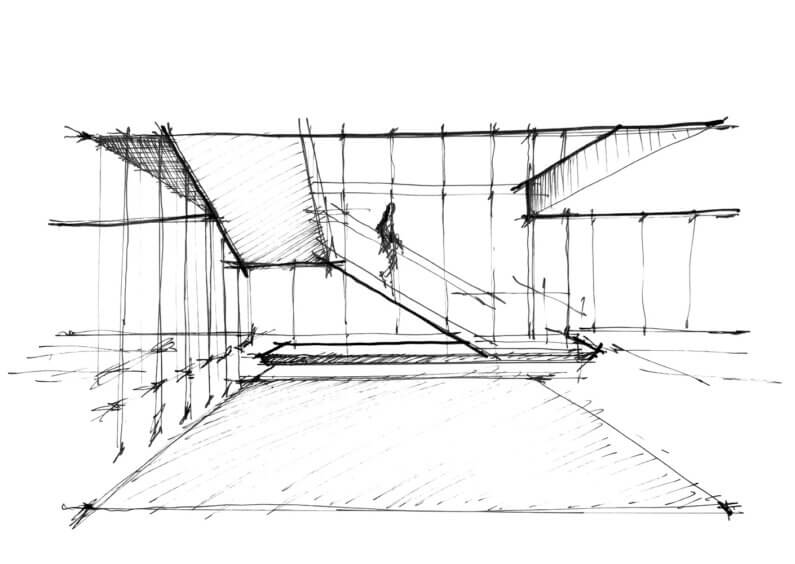
Architectural sketch of a two-level structure featuring stairs, glass walls, and open spaces, illustrating design concepts and spatial relationships.
Schematic design sketch.
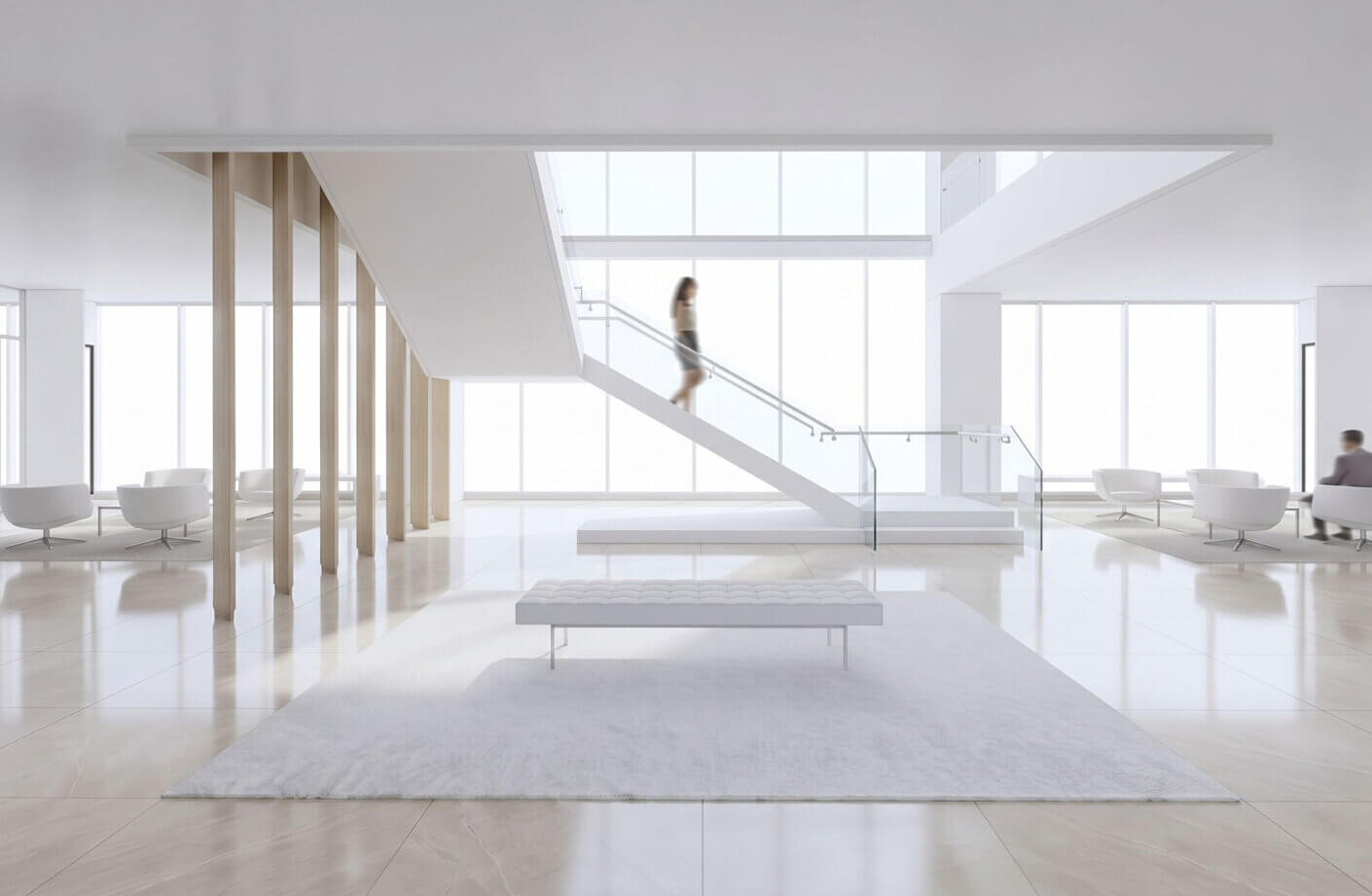
Bright indoor space featuring a staircase, white seating, and light wood accents. A person walks up the stairs, showcasing the open design.
Moore and Van Allen Headquarters
Charlotte, North Carolina
Do you take design inspiration from other arts, sciences, or professions? If so, which ones and how do they influence your thinking?

I believe design inspiration can come from anywhere! I welcome it. I routinely find myself most inspired by art, nature, travel, and even personal style. The work of the artist Andy Goldsworthy is art in nature—incredibly precious, yet not precious. Travel, cultures, countrysides, and cuisine inspire me the most. Eating rotten shark in Iceland was a fun favorite. I was expecting it to be off-putting, but, honestly, I liked its pungent bite.

I have a deep belief that the best designs are simple, curated, and bold. I consider it like the capsule wardrobe, where you just have a few essentials but by pairing them in different combinations you can get different looks. In design, you need to commit to a move, and whatever that move is, you need to keep it tight, use the same vocabulary, and do it at different scales so the project holds together and has clarity and harmony.

How do you approach constraints like budget, zoning, or client demands?

Constraints are welcome ingredients in the design formula. They are simply data points that, in partnership with aspirational ideas, lead us to our very best solutions. I welcome them into the process. As a designer, it feels like tight schedules and low budgets are part of life, so I’ve found that it’s better to work with them than against them. With the right mindset, they lead us to better, clearer, more streamlined solutions.

The client’s perspective is like gold. Bringing a client into the creative process is the most rewarding part of the design journey. Client engagement provides the key to unlock innovation, new ways of thinking, speaking, and delivering the most aspirational results. One tool I use every day is listening keenly to the client—the words they use, the sentiments they make, their point of view. When the client’s POV is incorporated in the design solution, they feel heard and seen as a valuable collaborator.

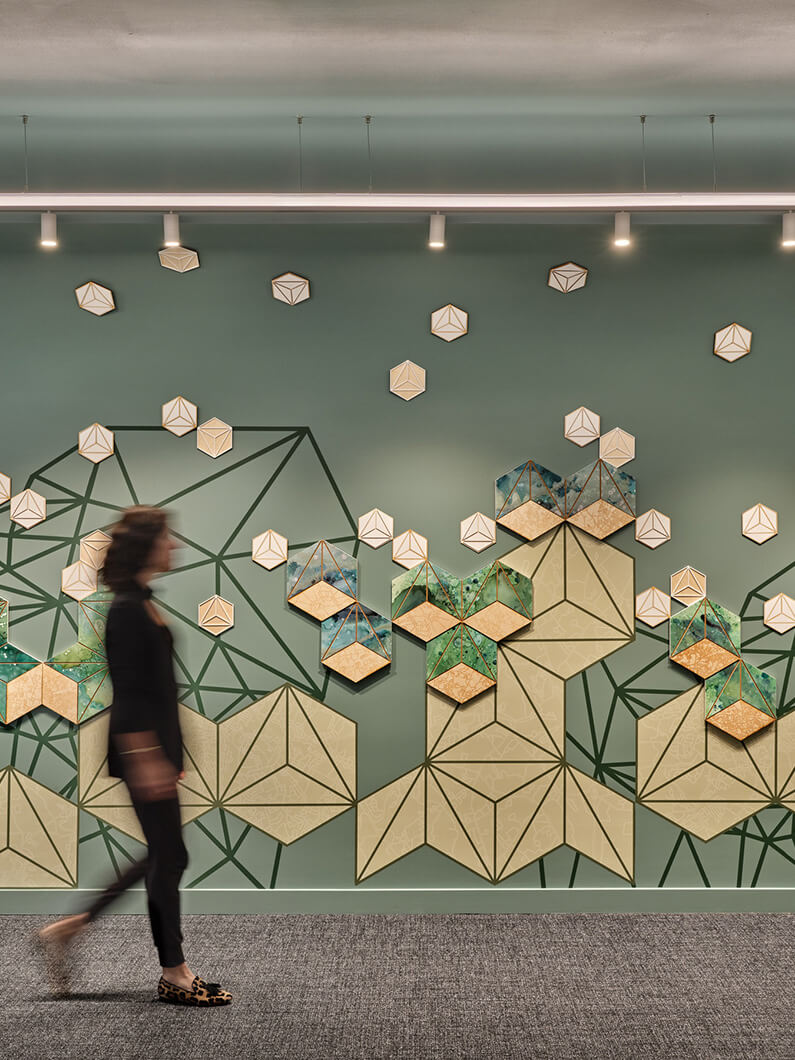
Wells Fargo 550 S. Tryon
Charlotte, North Carolina
When you are designing a project, how much emphasis do you place on the experience you are creating for those who will use it?

Interiors are all about experience. You have to consider the lives inside, every single person. What do they need? How do they arrive? Really plant yourself in every little and big space—from wellness and locker rooms, to grand halls and sky gardens. Consider all the senses and what that space needs to make it even better, more comfortable, and a richer experience.

Another way to ask the question deeper—and an immersive strategy I use routinely—is to walk a mile in someone else’s shoes. That allows you to design more sensitively. Really take on the perspective of a user. Consider what they like, what keeps them comfortable, and what they need to do their best work, then design for that.

What projects are you working on now that you are most excited about?

Being newer to Perkins&Will, I am loving the varied practice areas, partnerships, and cultural opportunities across our country and firm. The scales and client engagement opportunities are so varied and vast. One highlight is a 200,000-square-foot law firm, the largest in Charlotte, with a fun and engaging client, going into the newest and most signature building in the Charlotte metro area. Also, I’ve had the pleasure of partnering with Zena Howard and the Cultural and Civic practice on a Charlotte Ballet expansion project—a cultural catalyst for our city, the Southeast, and the ballet profession.

Family of four standing in front of a glacier, wearing colorful winter jackets. Icebergs visible in the background under a cloudy sky.
Icelandic family adventure.
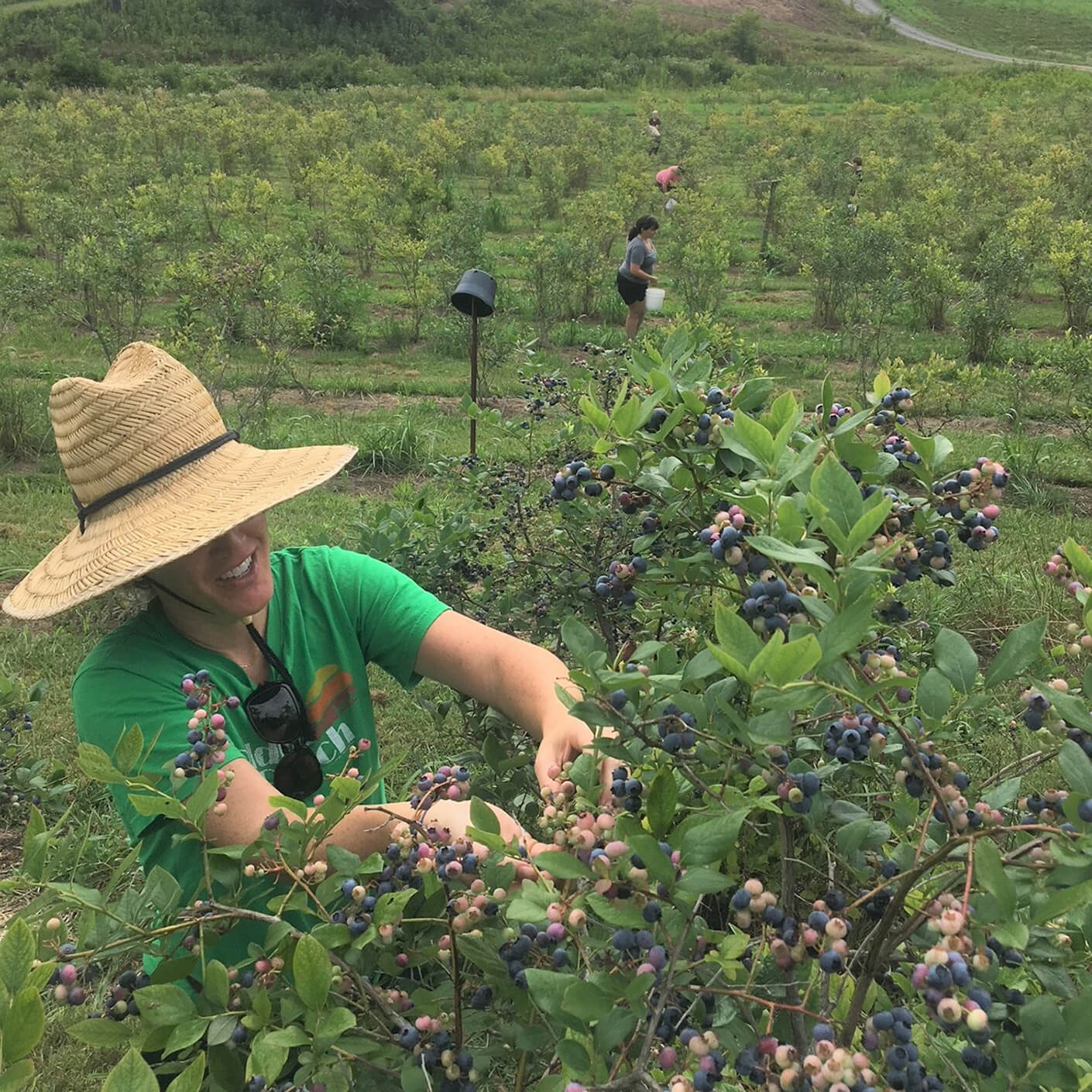
Kerplink, kerplank, kerplunk.
Blueberries for Holly, who can be seen here communing with nature.
Outside of architecture, what art forms or hobbies influence your work or mindset?

Embrace the fullness of life. A dear friend offered that to me in a down moment when I was feeling overwhelmed with too many irons in the fire and too many priorities. She said she always admired how I was able to bring so much into my life. That sentiment resonated so strongly within me. It felt that she was giving me permission to live fully in the avenues that make life richest. Now, after living that philosophy for a number of years, I see the avenues of life as a spectrum—similar to Living Design—many petals make up one rich, bold, beautiful life.

I find enormous joy and vitality in parenting, cooking, baking, reading, exercise, and communing with nature. Supporting my two teen daughters in their social, academic, and sports pursuits brings unexpected perspective and joy, and teaches loads of patience! Cooking is one of the best daily ways to create and unwind at the same time. I find enormous joy in bringing together simple ingredients in unique and creative ways for inspired meals. I see cooking as such a similar process to design.

I am a voracious reader with multiple books going at the same time: one for fun, one for information, one for inspiration. I just finished Revenge of the Tipping Point by Malcolm Gladwell and have been fascinated by its conclusions ever since. Design-wise, I was recently gifted Eventually Everything Connects by Andrew Blauvelt at a retreat at Cranbrook Academy. It is a beautiful book about Charles and Ray Eames and mid-century modern design in the U.S. It is delightful to reflect on their foundational work and how design builds and grows over time.

Tourist enjoying a ride in a tuk-tuk on a city street, with palm trees and buildings in the background. A man walks nearby.
Adventuring in Thailand.
Commute made possible by tuk-tuk.
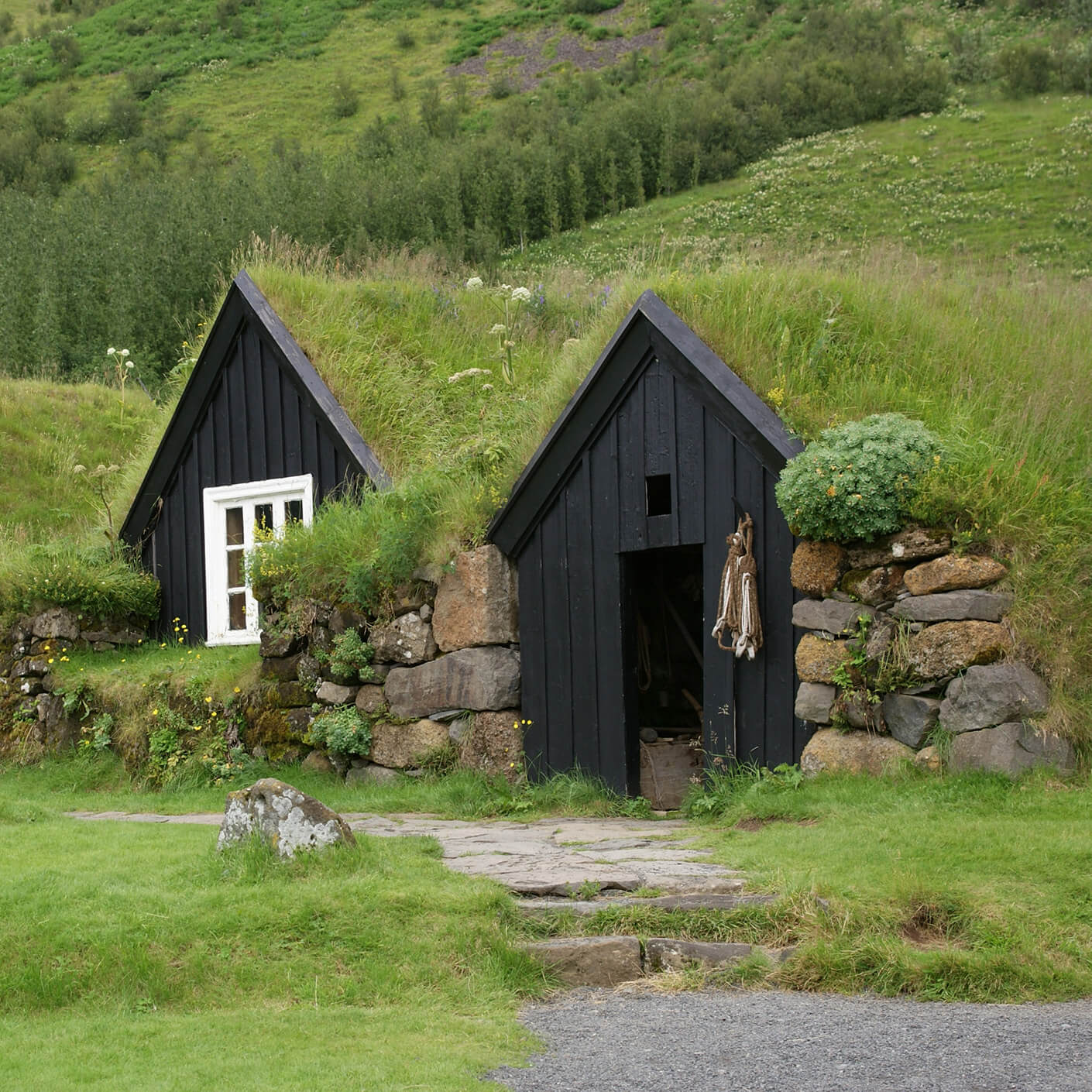
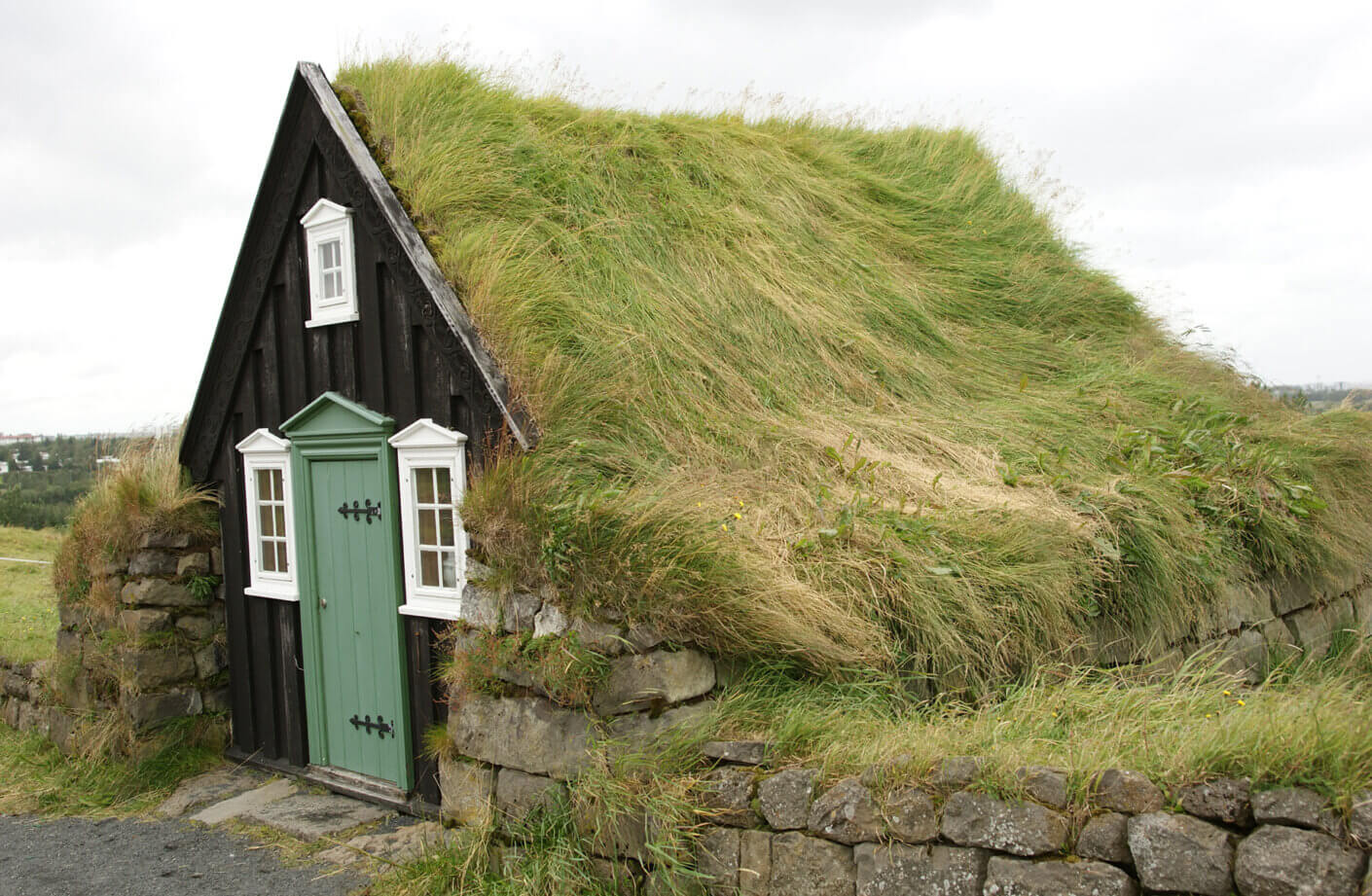
Grass-covered roof of a traditional cottage with a green door and white windows, surrounded by stone walls and open landscape.
A typified Icelandic turf farmstead structure.
What advice would you give to a young person who is considering studying architecture or just starting out in the profession?

I love giving back to the profession and sharing insights with the next generation of talent. As the advisory board chair for Virginia Tech’s interior design department, I have the opportunity to speak with many students. Here are three bits of advice that are very basic, yet, when applied, create the most dynamic results:

  1. Be a sponge. Be curious. Soak up everything you can. Learn all you can. Engage in as much as you can. Hang on to the good. Whatever excites you and fuels you, do more of that.
  2. Aim high. Shoot for your dreams. Pursue them. Have the fire in the belly to go after your aspirations. There is no substitution for hard work and a can-do spirit. Your work ethic has a ripple effect.
  3. Attitude is everything. There is no substitution for a great attitude. Skills can be taught, but attitude is a choice. Staying positive, seeing the bright side, and choosing joy are ways to shape a positive perspective, which I’ve found to be a super-power in our profession and life.

Our profession requires all three, every day, in all we do and pursue. With these as your foundation, building a career can be rewarding, meaningful, and uniquely you.

Find Holly on Instagram!