Perspectives October 27, 2026

Reimagining Student Housing For The Next Generation of Higher Education

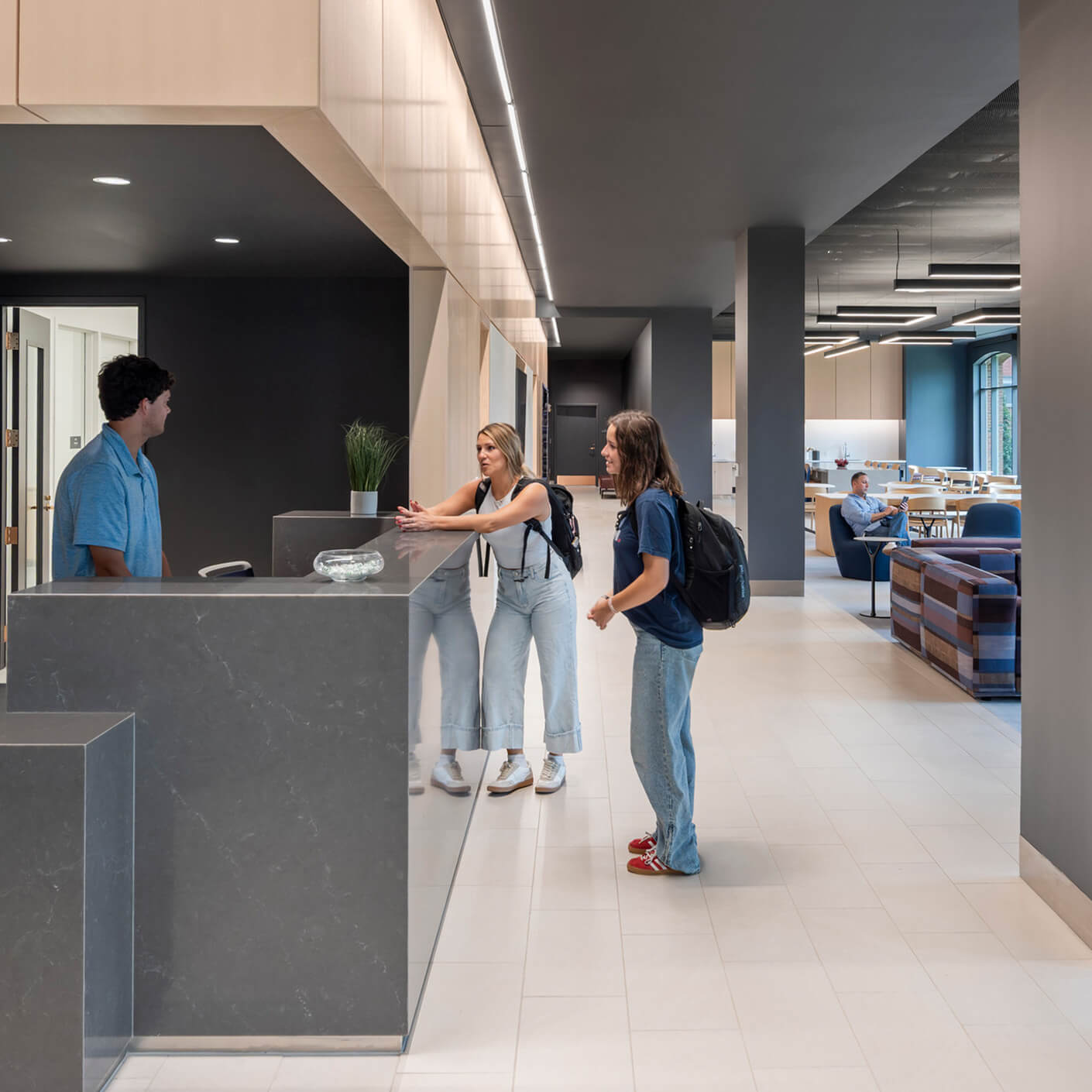
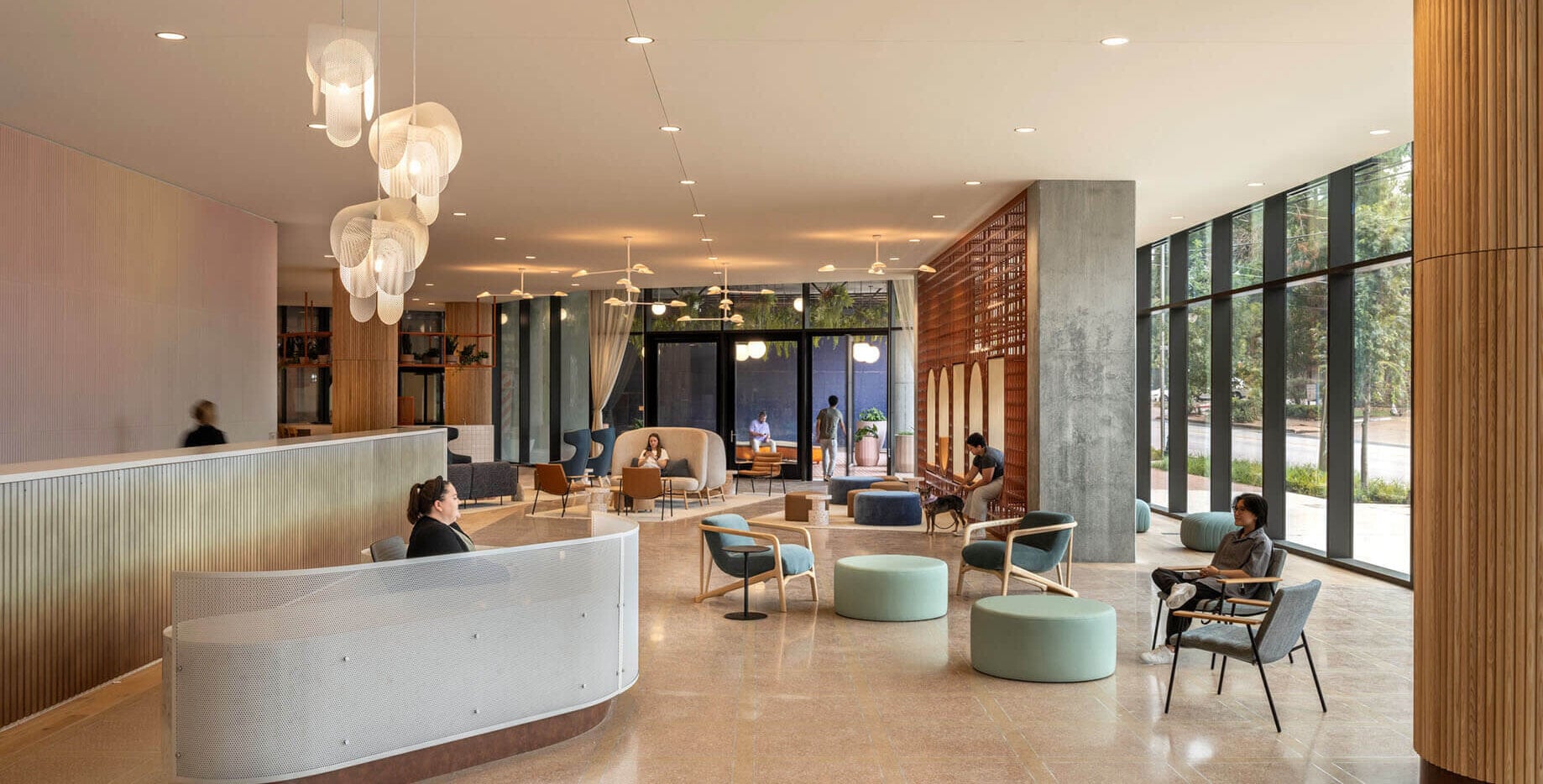
Interior view of a reception area with a curved front desk, seating arrangements, and large windows providing natural light.
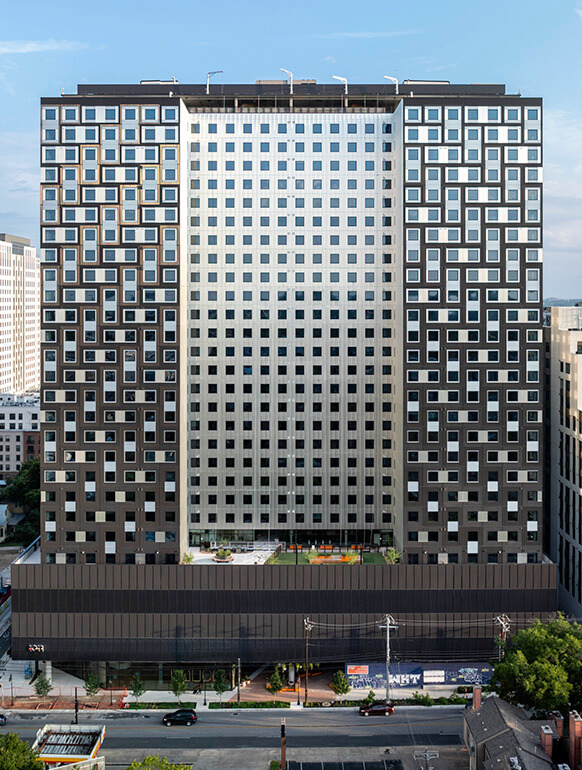
Union on 24th
Austin, Texas

Higher education is changing—and student housing has an opportunity to change with it.

Enrollment pressures, rising tuition, and questions about the value of a four-year degree are prompting institutions to rethink whom they serve and how. Deloitte’s 2025 Higher Education Trends report describes “significant financial headwinds” and cites survey findings that 47% of Americans believe a four-year degree is worth the cost without loans; that figure falls to 22% when loans are included.

At the same time, institutions are expanding beyond the conventional four-year pathway. Working professionals may be completing degrees, while other learners seek short-term credentials or new skills. These shifts raise a design question: What if student housing did more than provide a place to sleep?

Housing can help institutions welcome a broader range of residents, support learning beyond the classroom, and create a stronger sense of belonging. Three opportunities stand out.
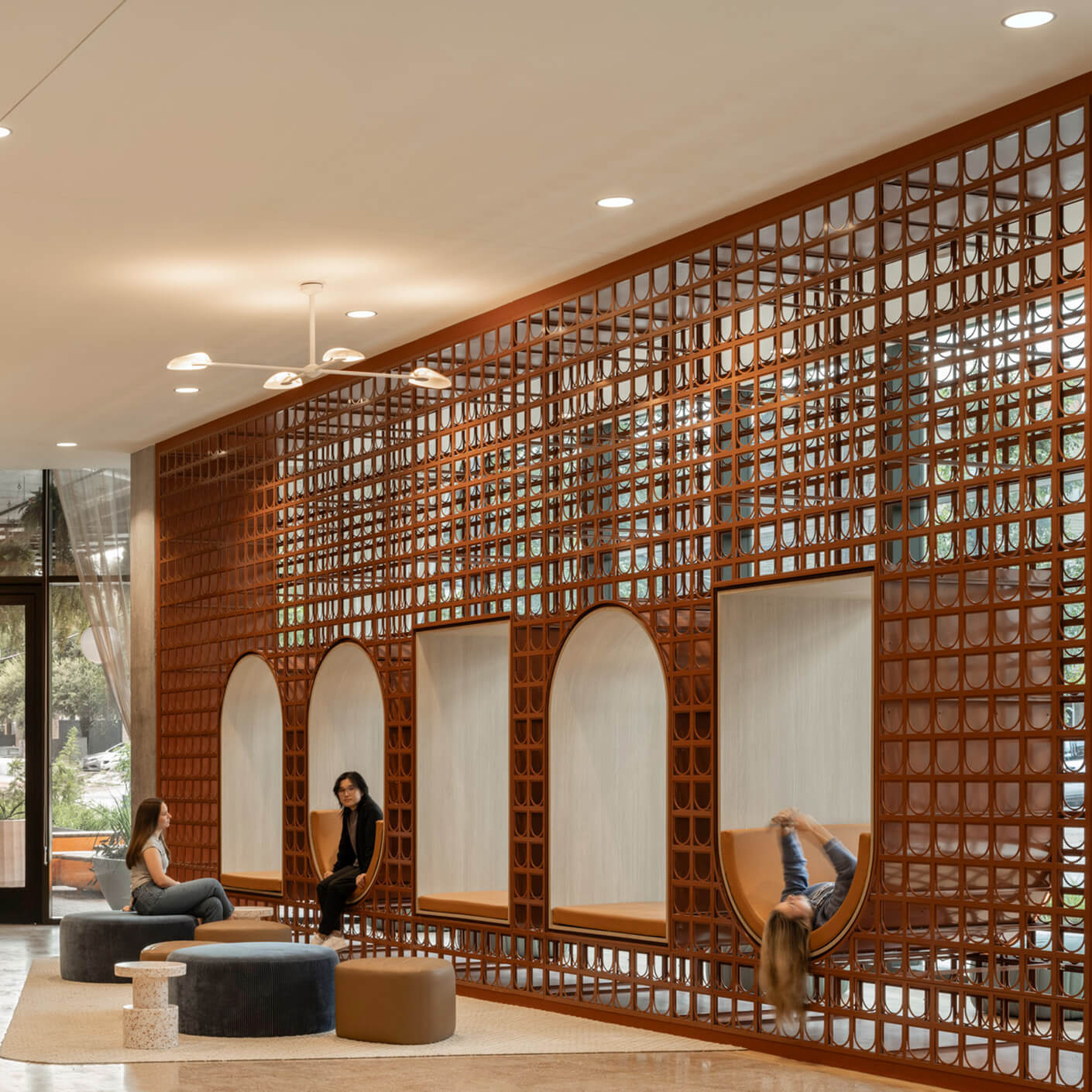
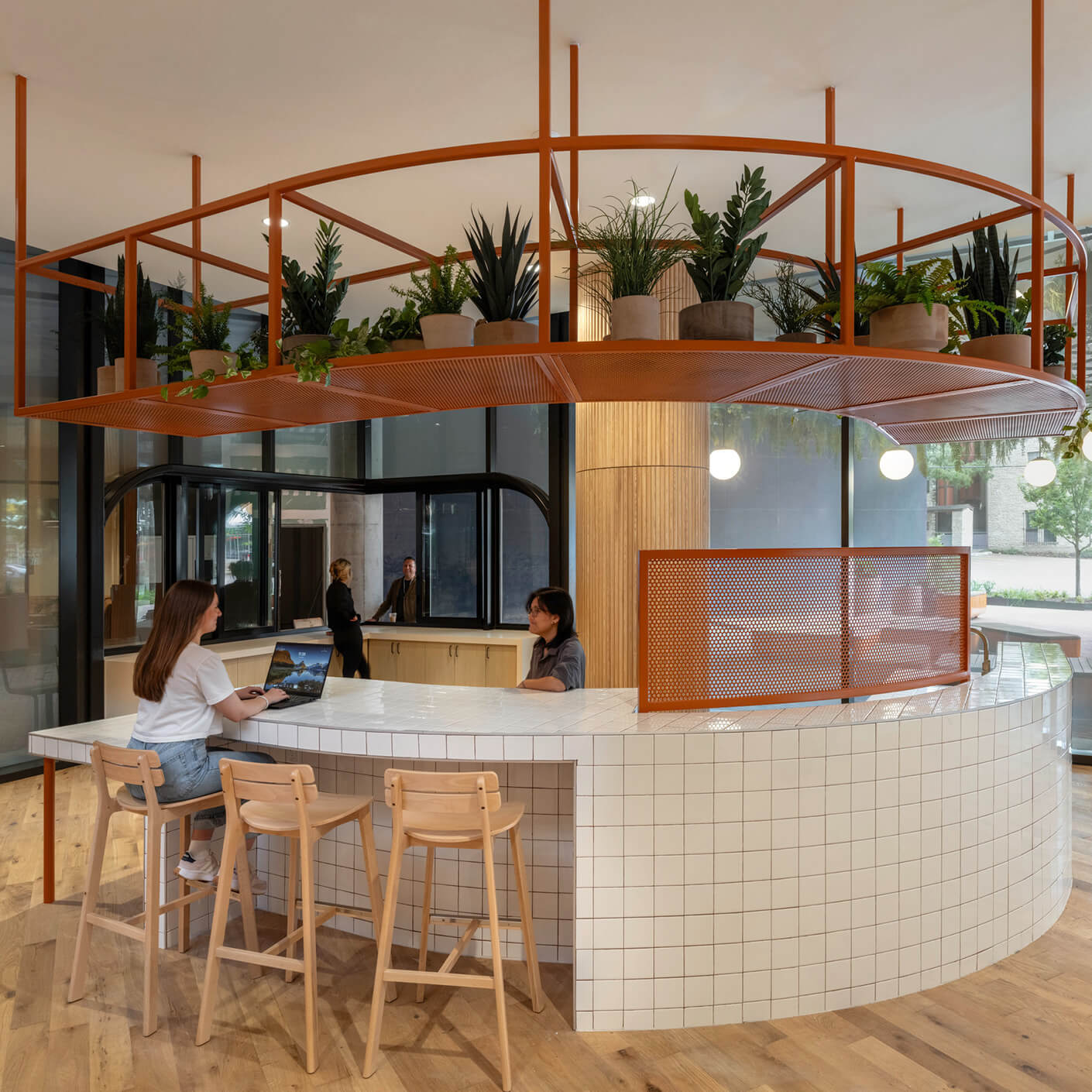
Union on 24th
Austin, Texas
1. Design for More Ways of Living and Learning

The student arriving directly from high school is no longer the only person institutions need to consider. Adult learners, working professionals, international students, and others may bring different schedules, needs, and expectations. A useful housing model gives them choices without sacrificing community.

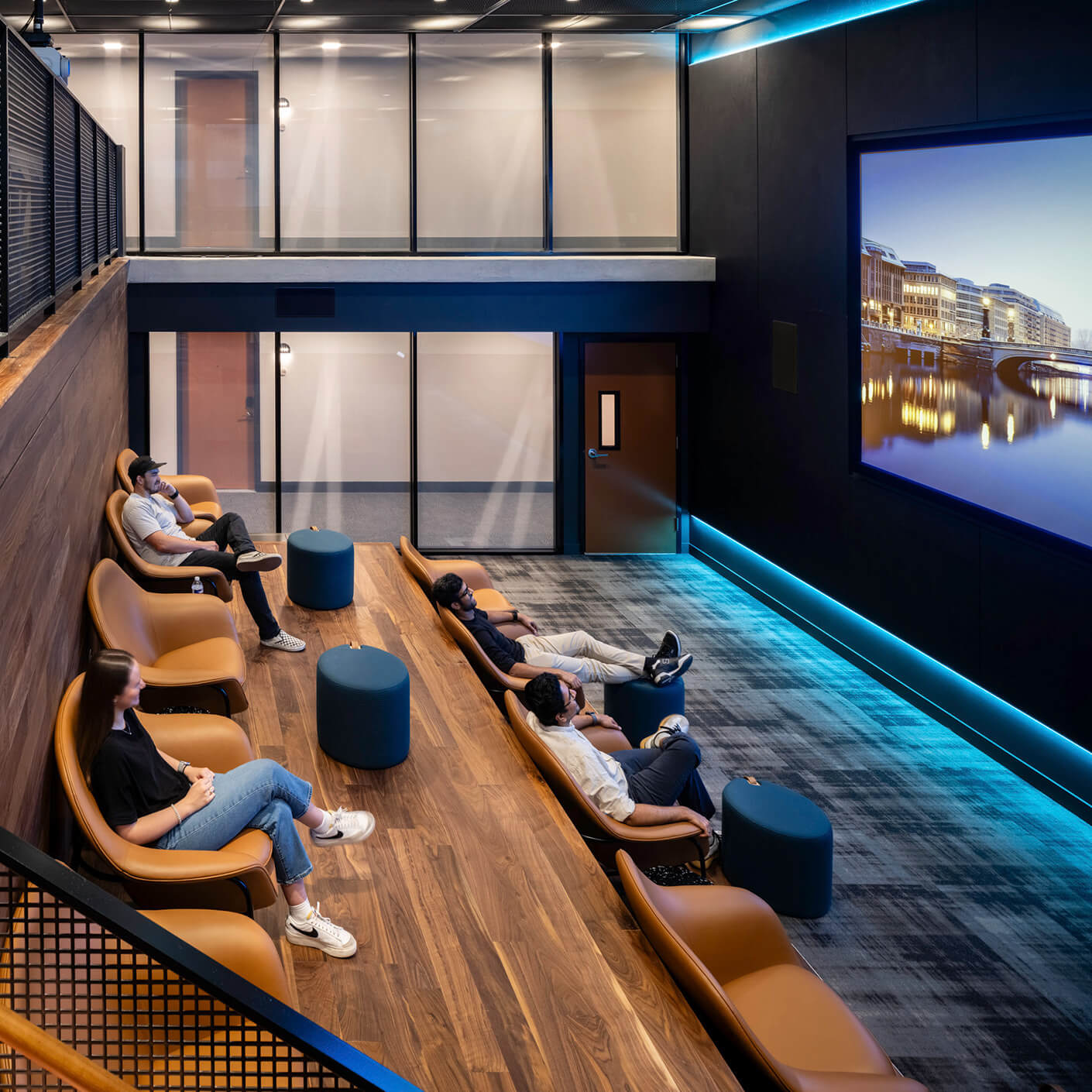
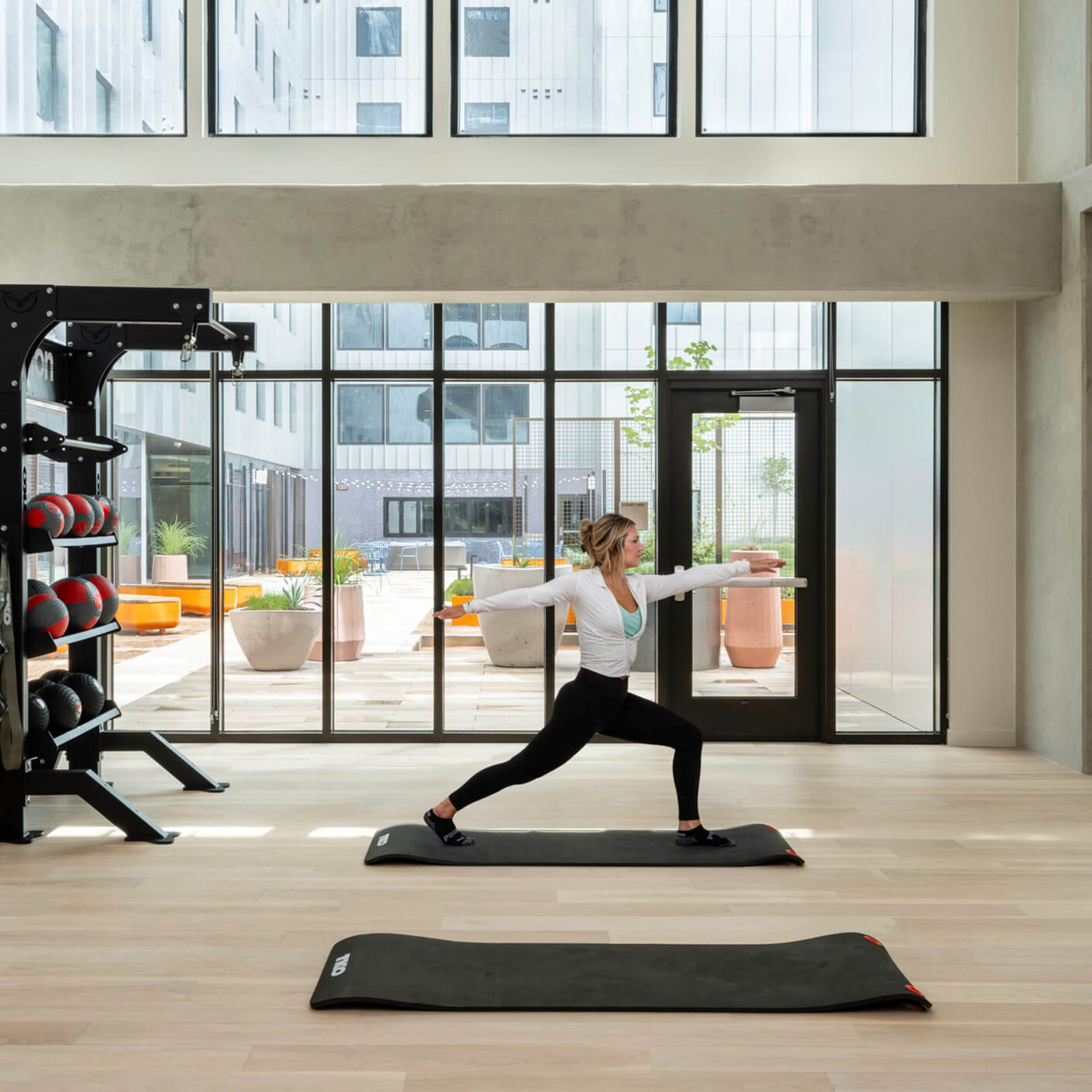
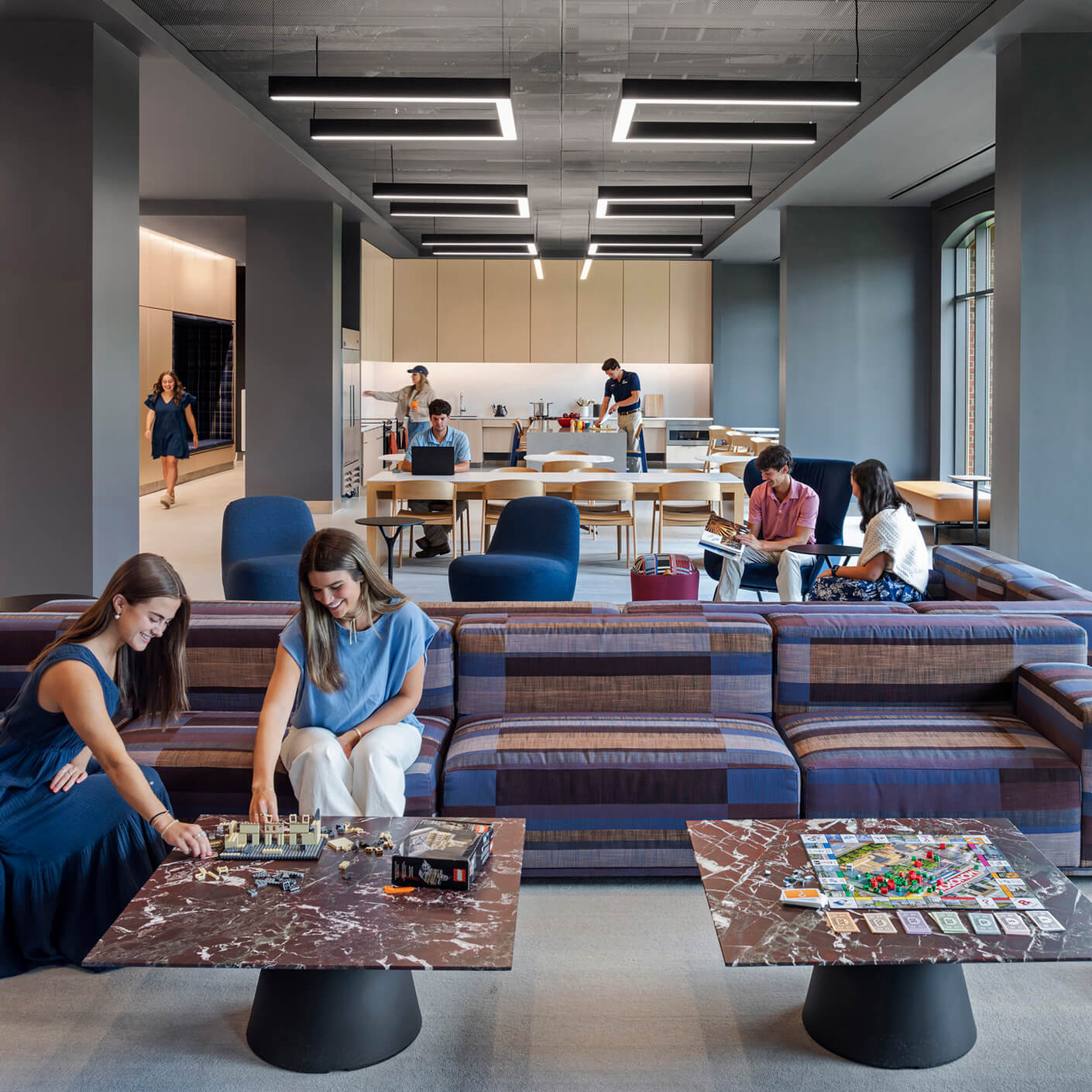
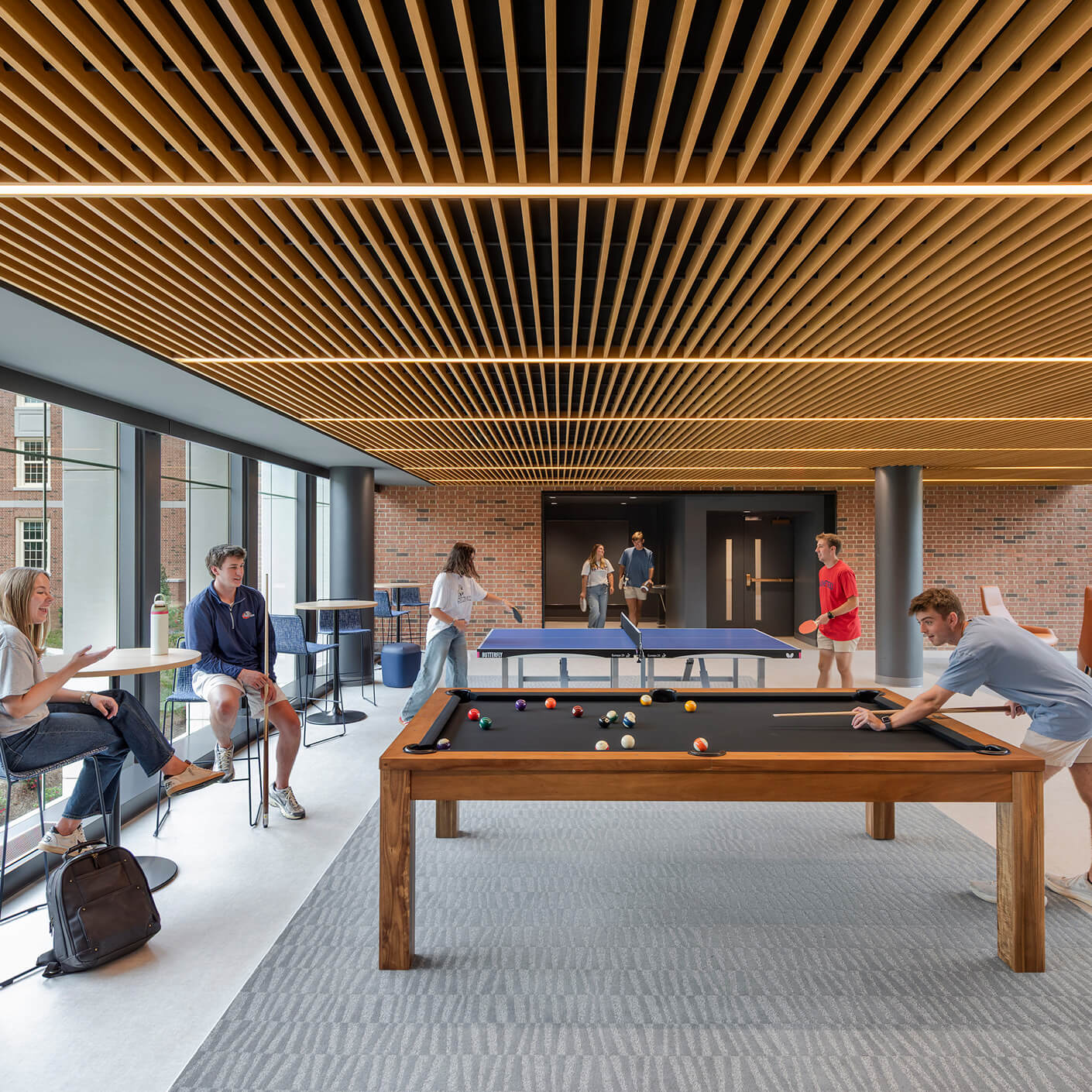
Union on 24th in Austin, Texas, offers one such example. This developer-delivered, market-rate residential tower, designed by Perkins&Will, has 552 units across 850,000 square feet and accommodates approximately 1,400 residents. Its mix of shared suites and independent studios speaks to different preferences for privacy and connection. Amenities include co-working space, a theater, gaming rooms, and places for sports and wellness activities.

The longer-term question is how such spaces will adapt as resident interests evolve. Designing amenity areas with flexibility in mind can make them easier to repurpose rather than locking the building into today’s preferences.

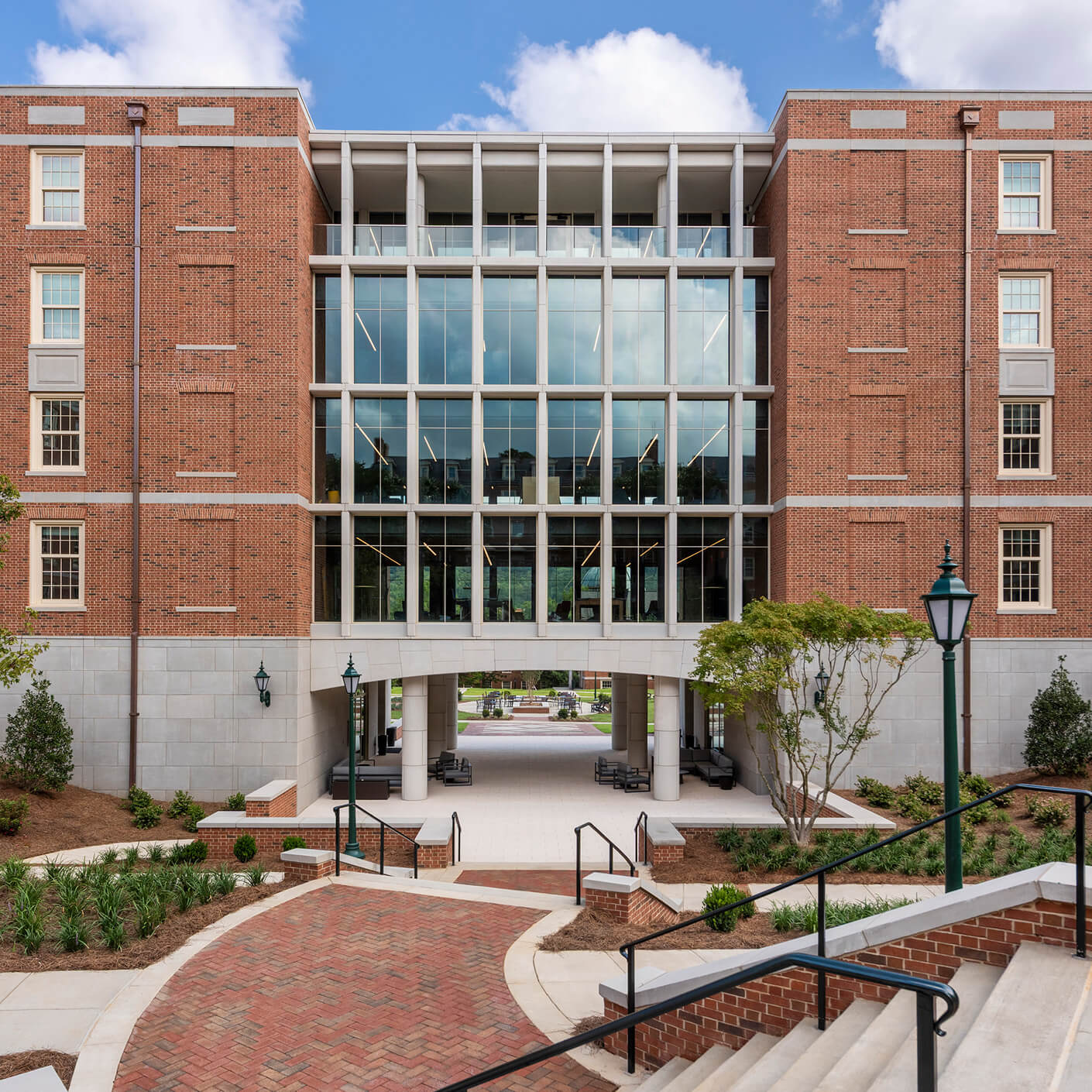
Institution-owned housing can take a different approach. At Samford University in Homewood, Alabama, a variety of study lounges, shared kitchens, and community rooms throughout the residence hall connect residents to one another, while outdoor spaces and courtyards extend the places where they can gather. The lesson is not that every building needs the same amenities. It is that housing should respond to its residents and its campus context.

2. Make Room for Learning Beyond the Classroom

Deloitte reports that 72% of higher-education leaders face growing pressure to ensure students are career-ready at graduation. Institutions are responding with more experiential learning, partnerships, and real-world problem-solving. Housing can complement that work by giving students places to practice collaboration, exchange ideas, and build relationships outside scheduled classes.

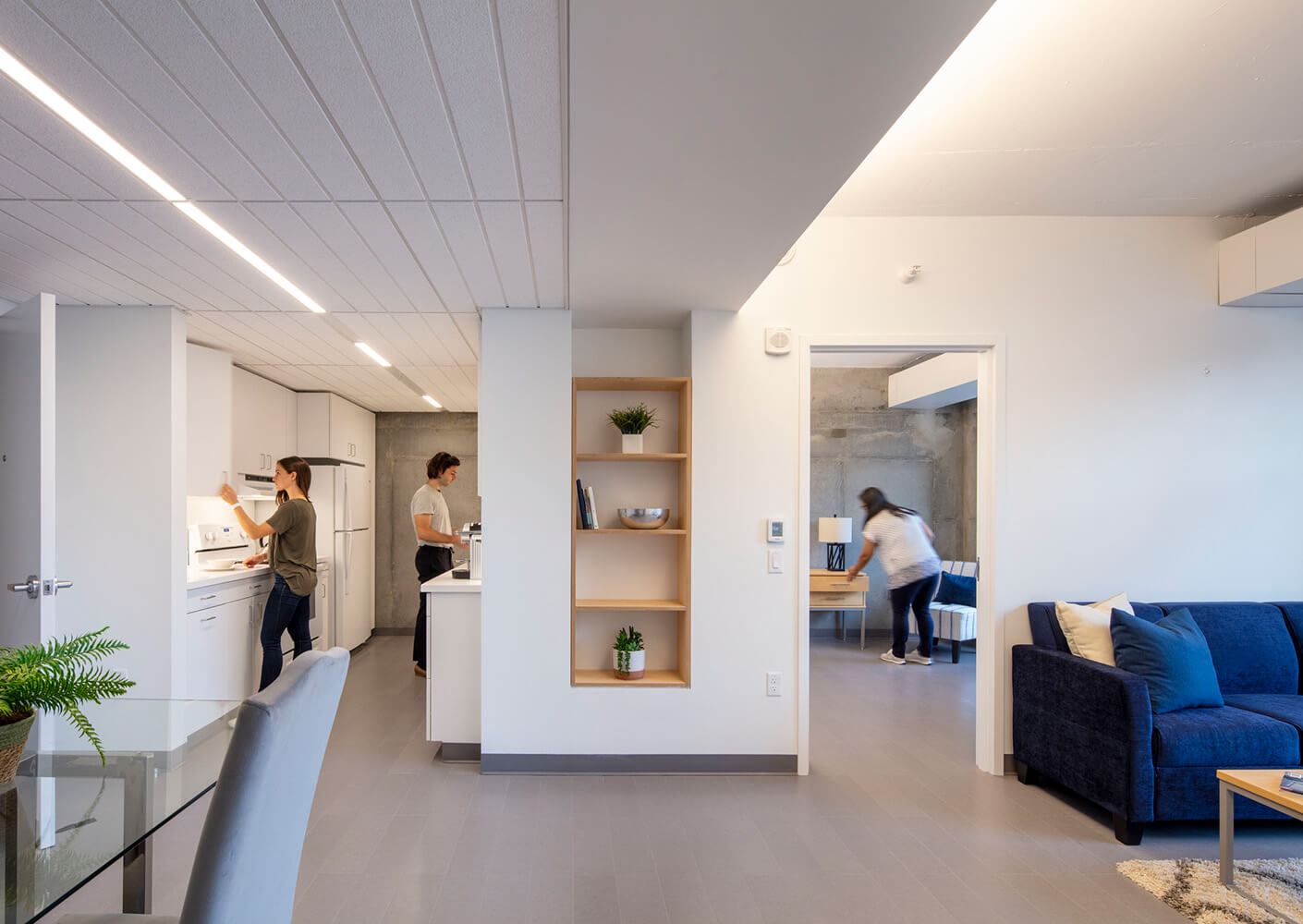
That might mean a lounge that can host a panel discussion one evening and a small group project the next. It might mean quiet rooms for focused work alongside shared spaces for conversation. Within residential units, details such as writable surfaces, built-in storage for books and materials, or a semi-enclosed study area can make learning feel like a natural part of daily life.

Specialized spaces can also bring practical learning closer to where students live, when a program and its housing model warrant them. The aim is not to turn a residence hall into another classroom. It is to create more opportunities for informal conversations, mentorship, and teamwork that help people grow.

As institutions expand online and hybrid offerings, those in-person connections may become even more valuable.

Samford University, First Year Residence Hall
Homewood, Alabama
MIT Graduate Housing Tower
Cambridge, Massachusetts
3. Learn From Hospitality, but Make Space for Home

Residents increasingly recognize thoughtful service and amenities. Yet housing should offer something distinct from a workplace, classroom, or hotel: a sense of home. That means room for privacy, personal expression, rest, and control over one’s surroundings, not simply a longer list of shared amenities.

At Union on 24th, a nature-inspired palette, daylight, and outdoor terraces help create opportunities to gather or decompress. Spaces for privacy matter as much as spaces for connection. Across housing types, smaller design decisions—such as adjustable lighting, temperature control, and acoustic privacy—can give residents more agency in their daily routines.

For graduate students and working professionals in continuing education, different unit types may offer a stronger sense of independence and permanence. The right mix will vary by institution and resident community. The consistent priority is to make belonging tangible in everyday life.

Housing as a Strategic Asset

Higher education’s next chapter will require institutions to balance mission and financial resilience while responding to changing needs. Student housing cannot solve those challenges on its own. But when designed as part of the broader campus experience, it can help people connect, learn, and feel at home.

The opportunity is to move beyond asking how many students a building can house—and ask what kind of experience it can help create.