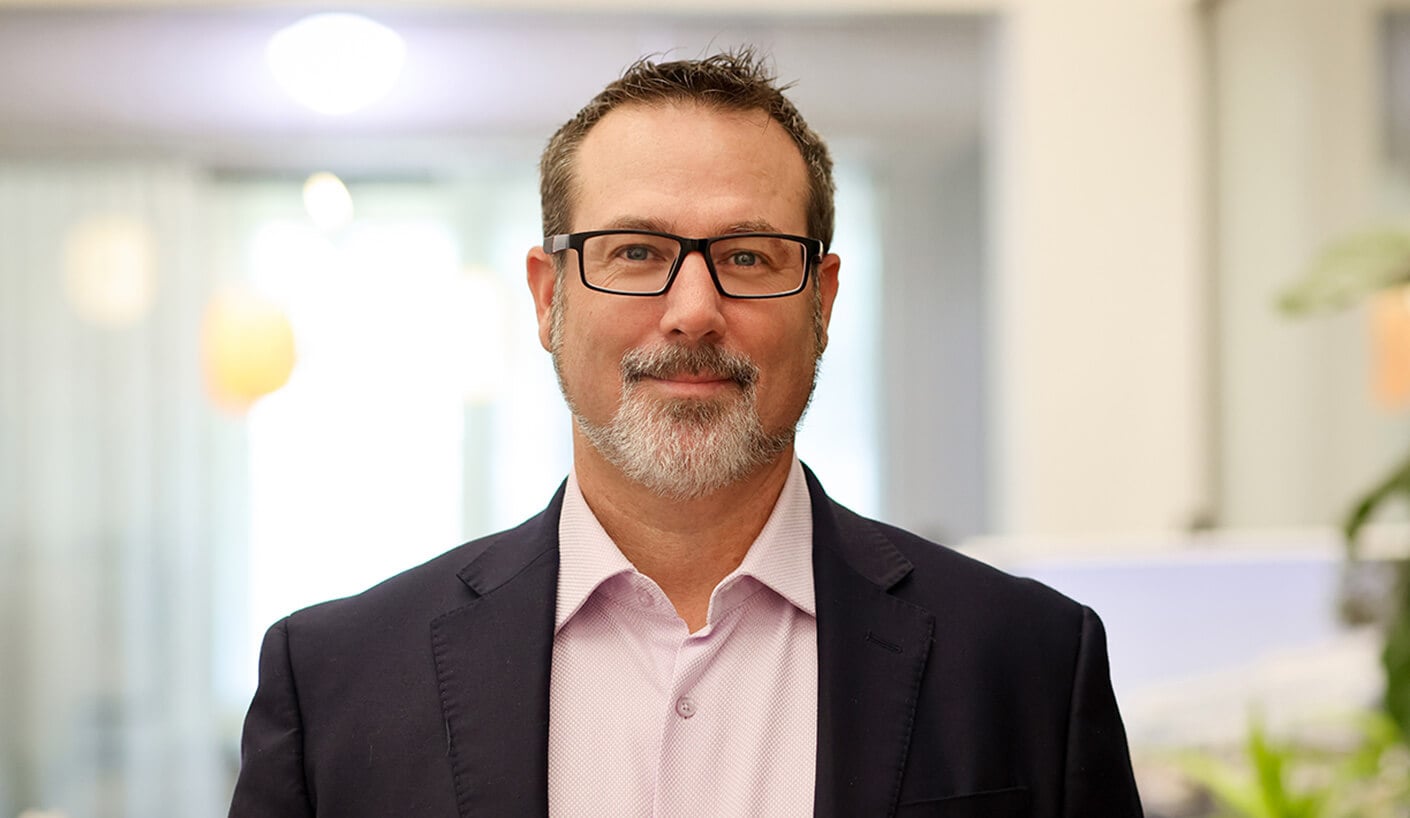
Casey Carlton's headshot

Casey Carlton

AIA, NCARB
Principal, Health, Dallas

Casey thinks our built environment can take better care of us. Good design, to him, means whole-person design, considering brain health and belonging as much as physical experience and operations. Technical acumen and decades of wide-ranging and complex healthcare project delivery have shaped his insights, but the emotional core of his ambition is more personal. When Casey’s middle son had significant mental health challenges as a child, he spent time in facilities that showed Casey just how disconnected our buildings can be from their mission. “I had to help make a change,” he says. “And I’m a healthcare architect. I can. So, I will.”

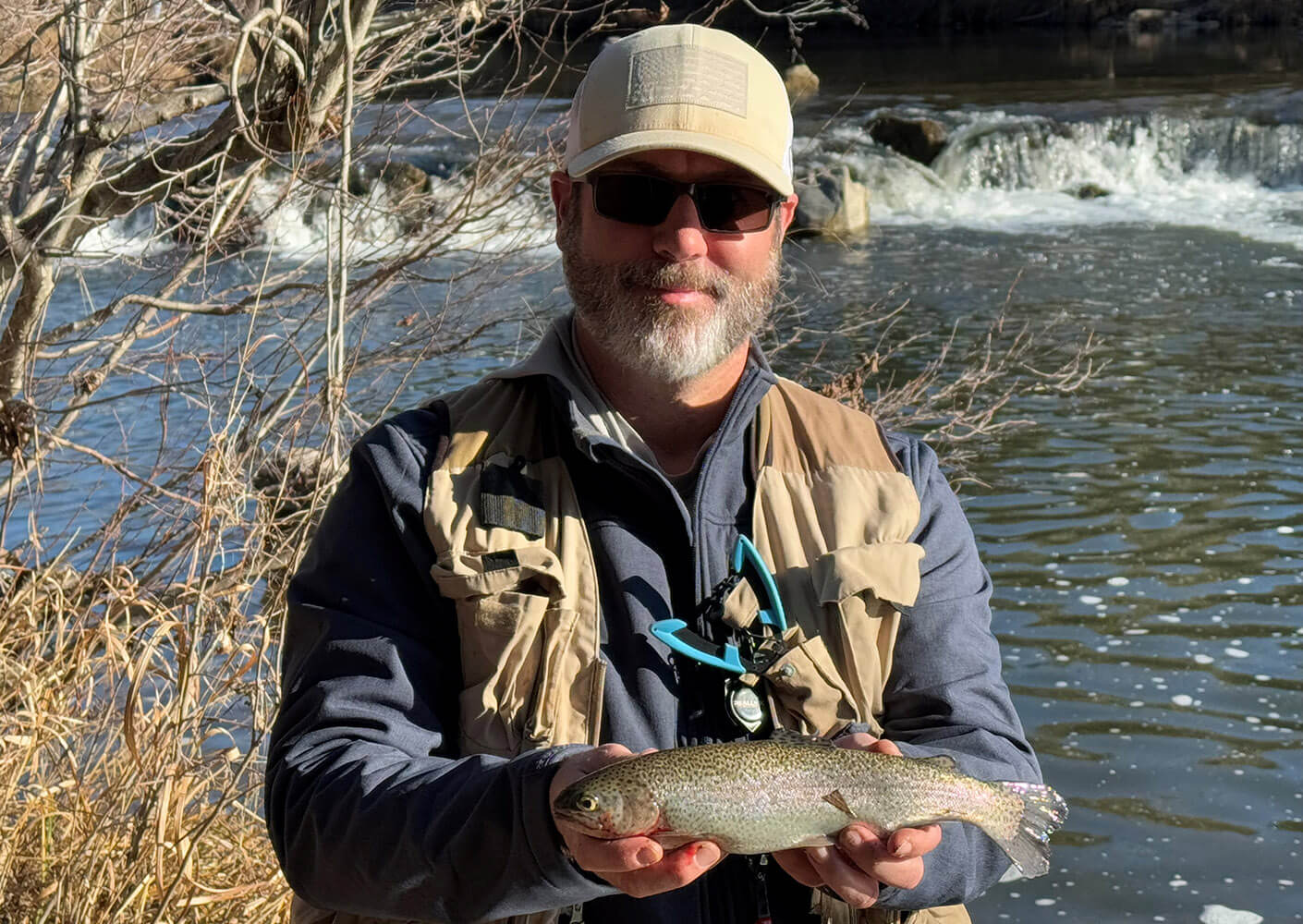
Casey grew up in Wink, Texas—“Wink and you’ll miss it,”—and El Paso, where he met his high school sweetheart, now his wife and mother of his four children. He loved construction before he loved architecture, framing houses for a contractor in high school, and he’s still hands-on in his free time today, woodworking and fishing.
People in healthcare spaces aren’t usually there having a happy time. They’re hurting. But on the other side of hurting is healing, and that’s what resonates with me: the chance to influence these spaces in a way that brings hope.
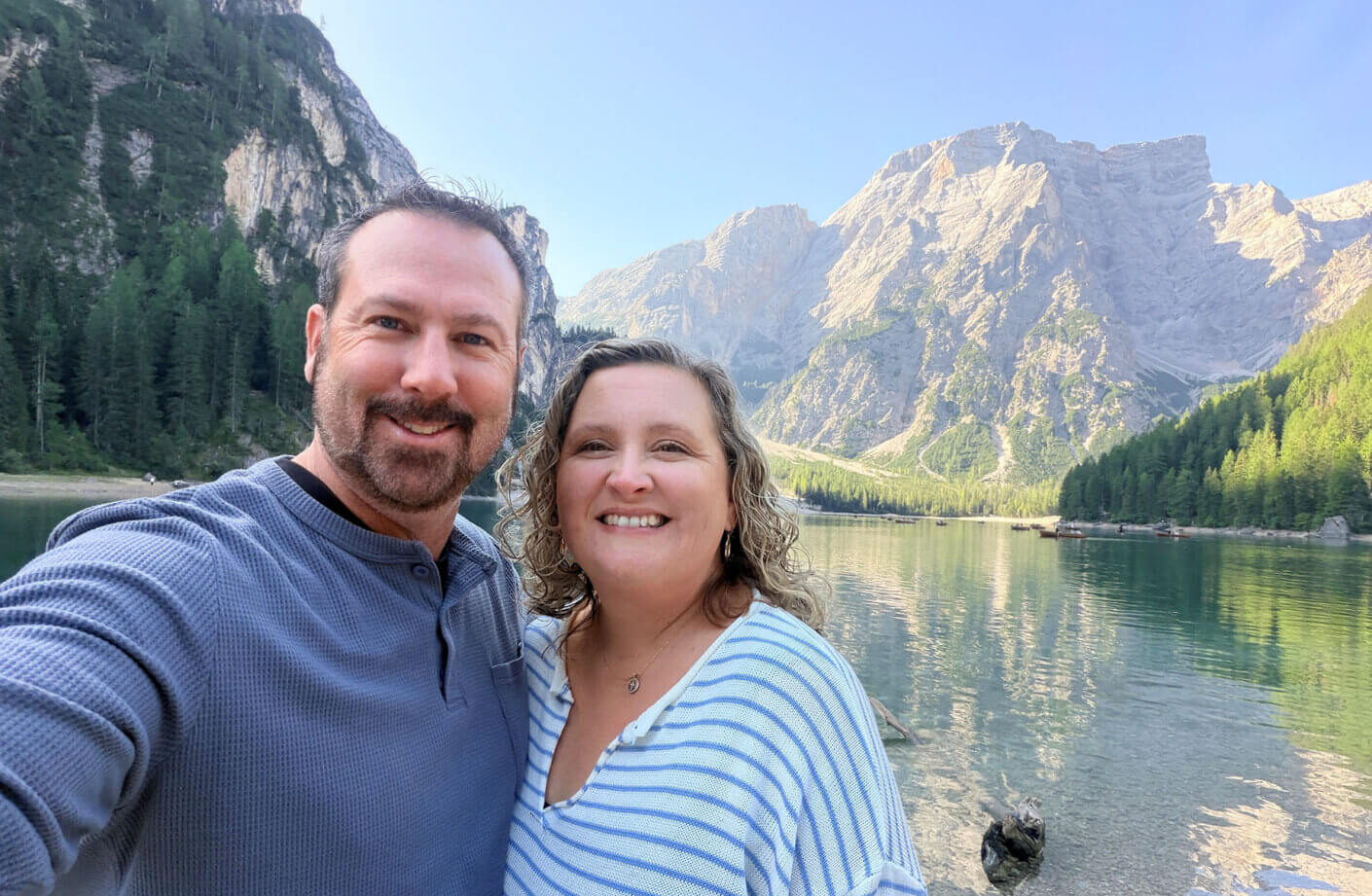
Casey and his wife taking a selfie by a serene lake, surrounded by mountains and pine trees, in a natural outdoor setting.
Casey with his wife, traveling in the Dolomites
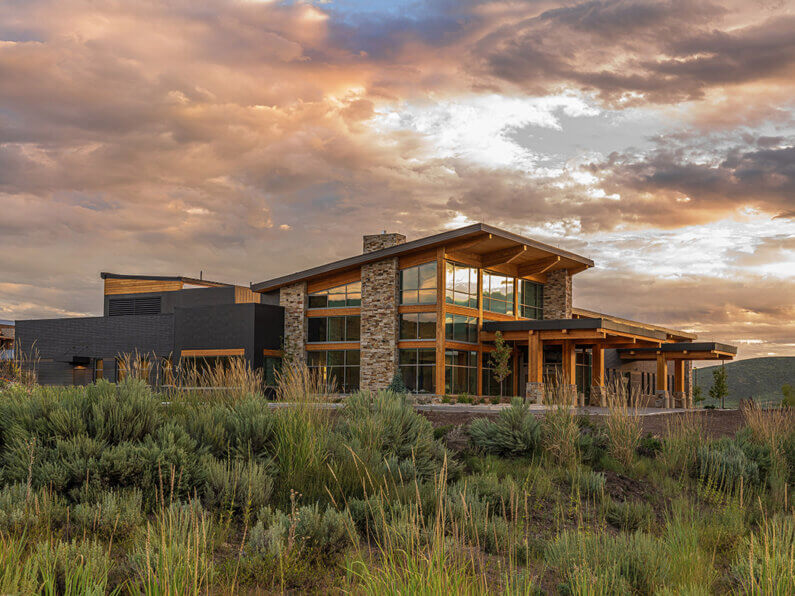
Architectural exterior of a large house with a stone facade and expansive windows, set against a dramatic sky with clouds and surrounding greenery.
One of Casey's favorite projects: a surgery center he designed in Park City, Utah
Connection is Key

Casey’s whole-person philosophy grew a new dimension during a project in Uvalde, Texas. There to design a mental and behavioral health campus for the region’s mental health authority, he spoke with architects behind other projects around the city and noticed siloes: mental health, education, and medical care each operating in their own lane. This fragmentation came to light especially after the Robb Elementary tragedy, and Casey began studying ways design can promote more integrated community services. Architects can’t fix every fracture, but in programming and planning stages, he thinks, there is space to encourage whole-community thinking and create a stronger network of support. Outside of his project work, this is Casey’s focus.

fun fact
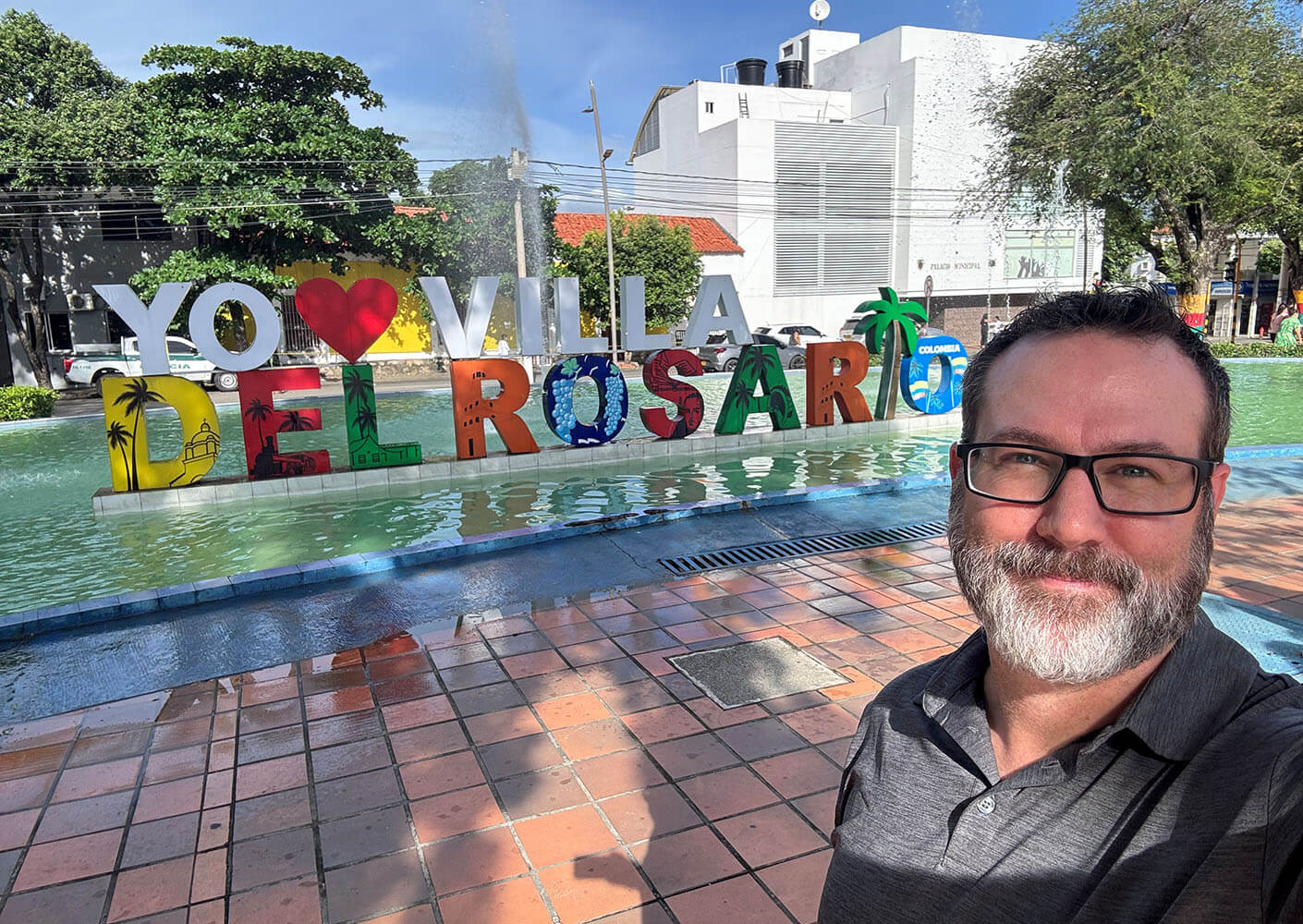
Casey leads an annual mission trip in Columbia. He’s built a relationship with the team there and provides ongoing support throughout each year.