Innovation starts with inquiry.
In our never-ending quest for knowledge, we push limits, take risks, investigate, and discover. We constantly ask ourselves, “What if?” “What’s next?” This makes our ideas clearer, our designs smarter, our teams happier, and our clients more satisfied.
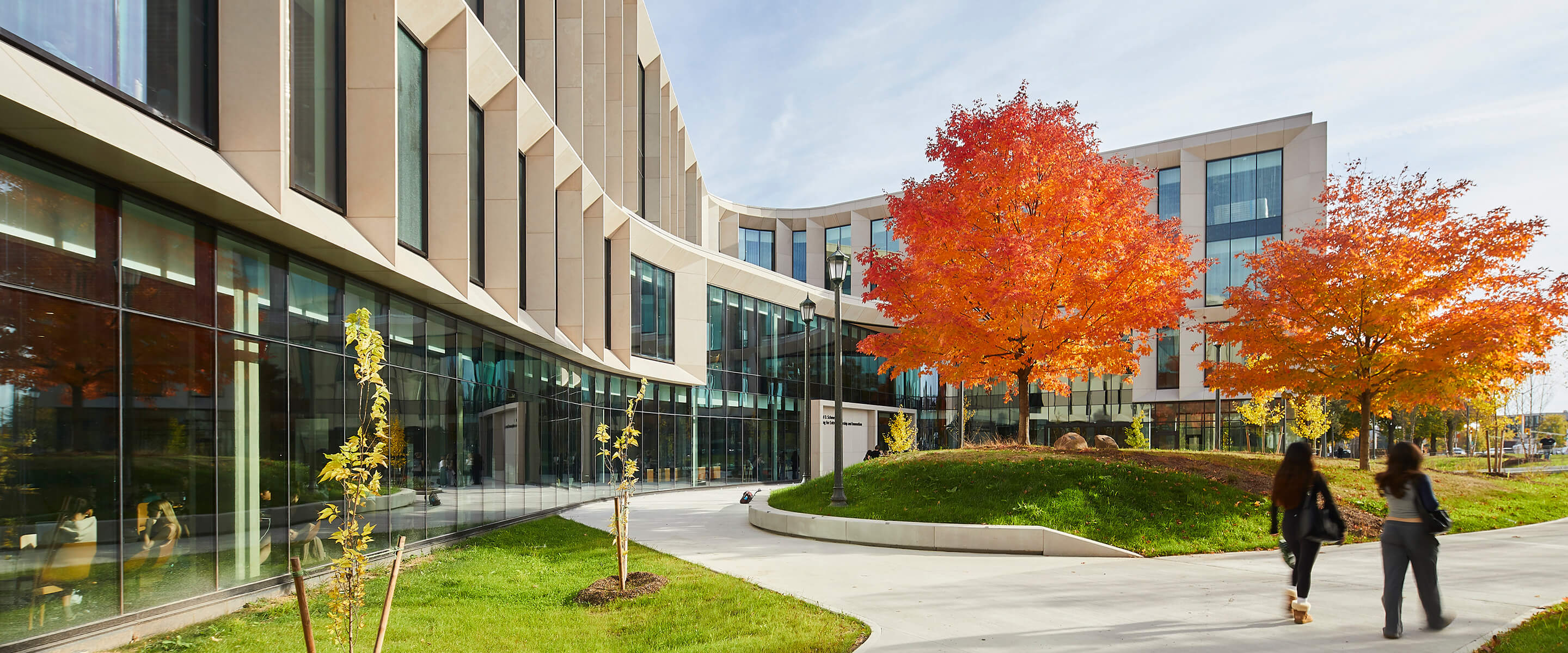
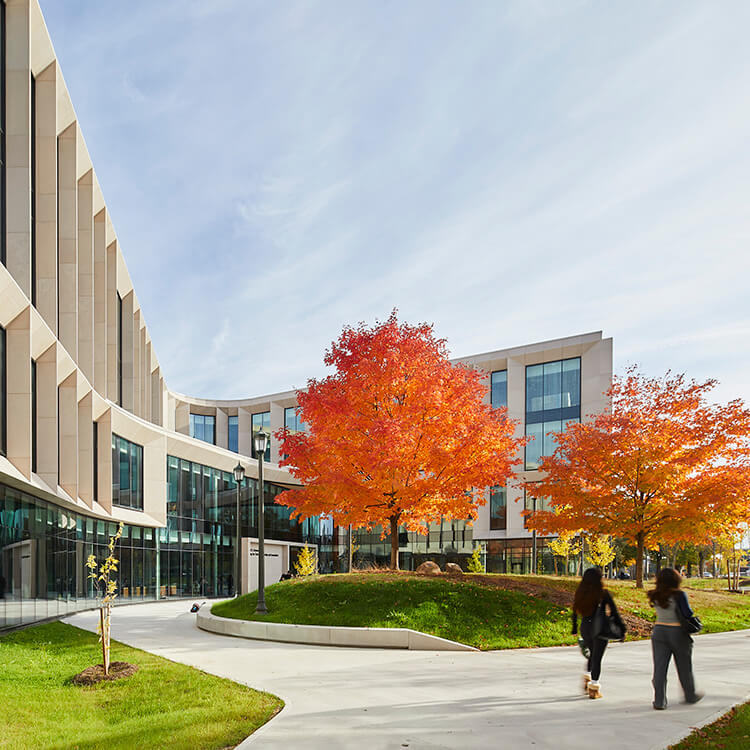
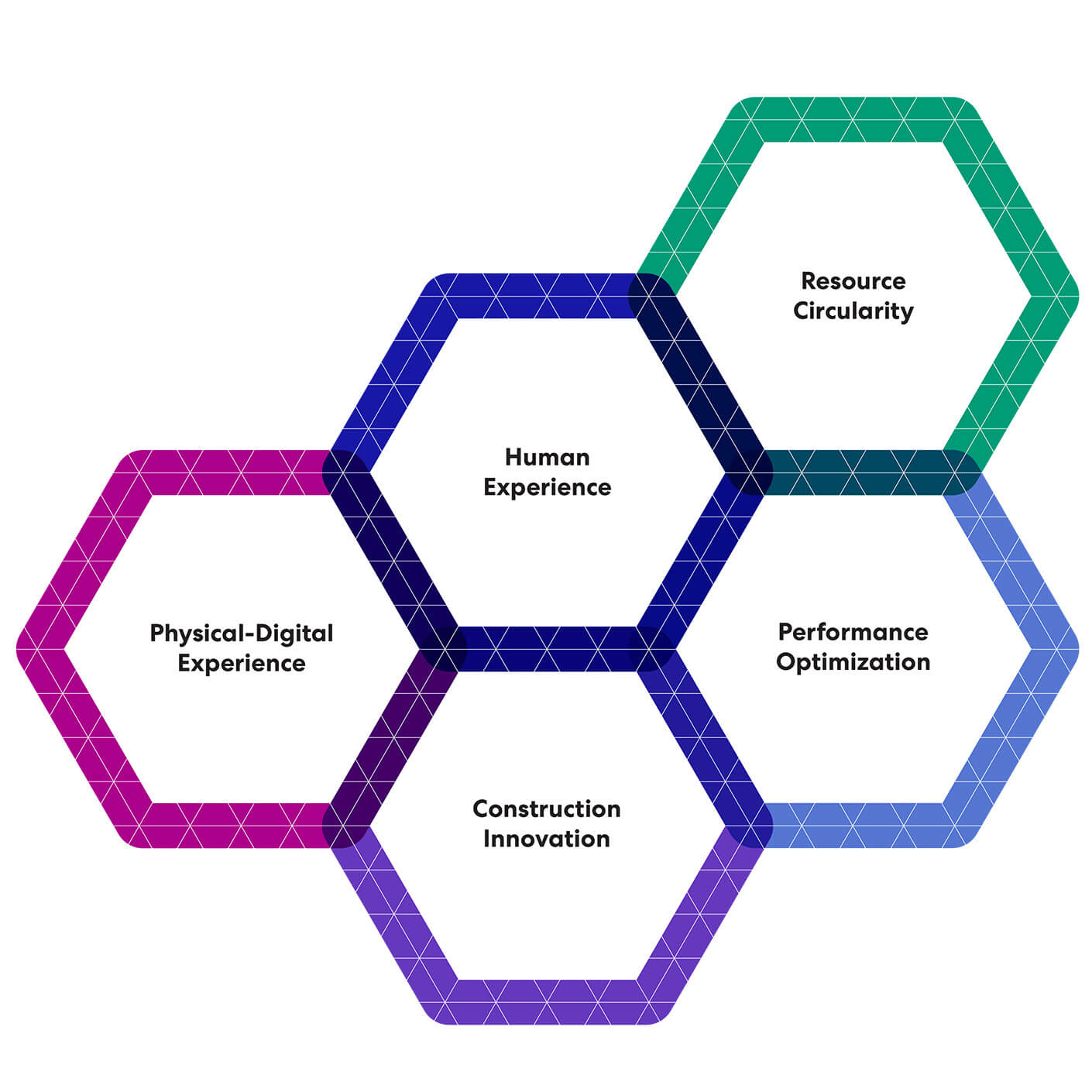
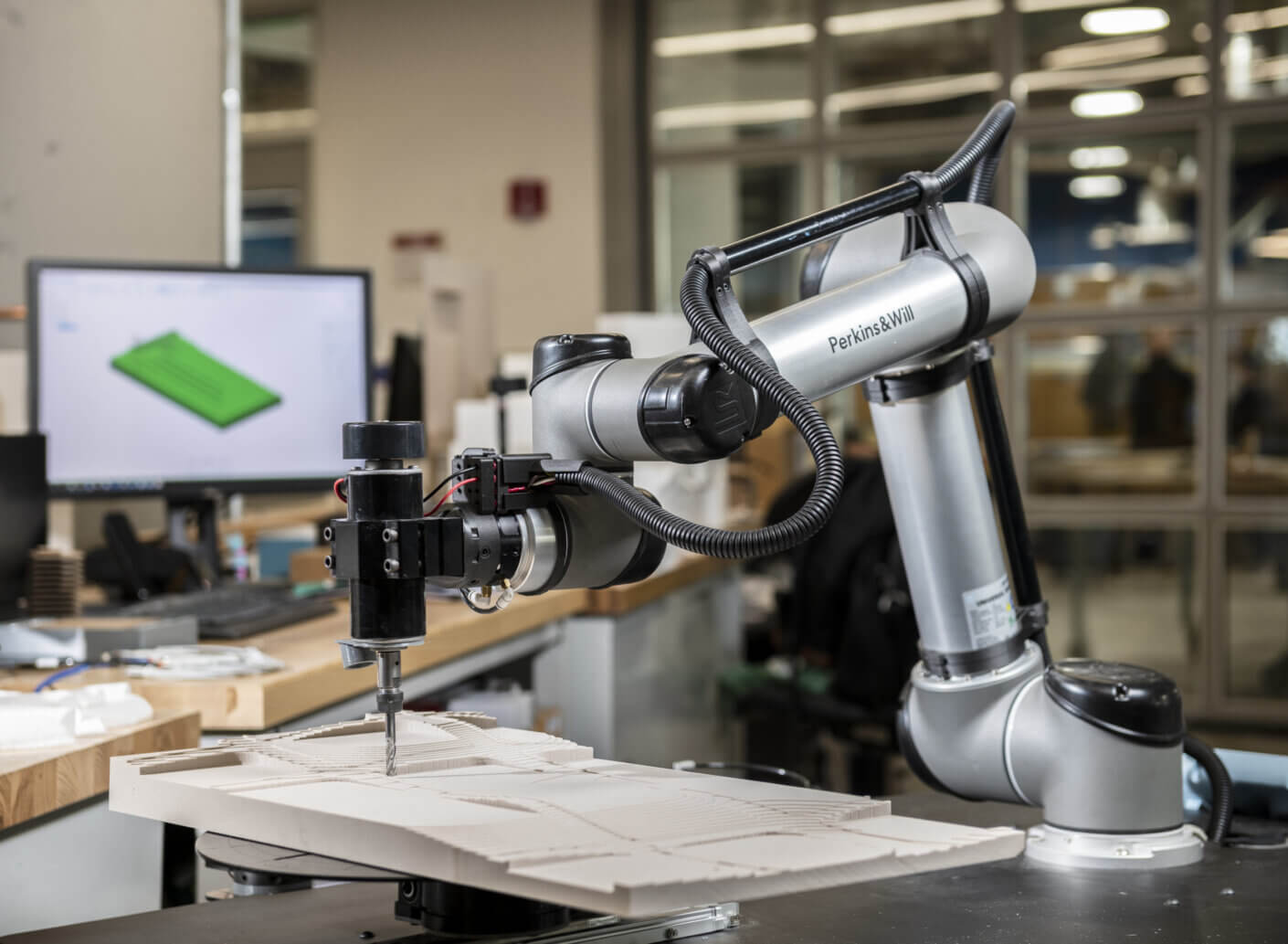
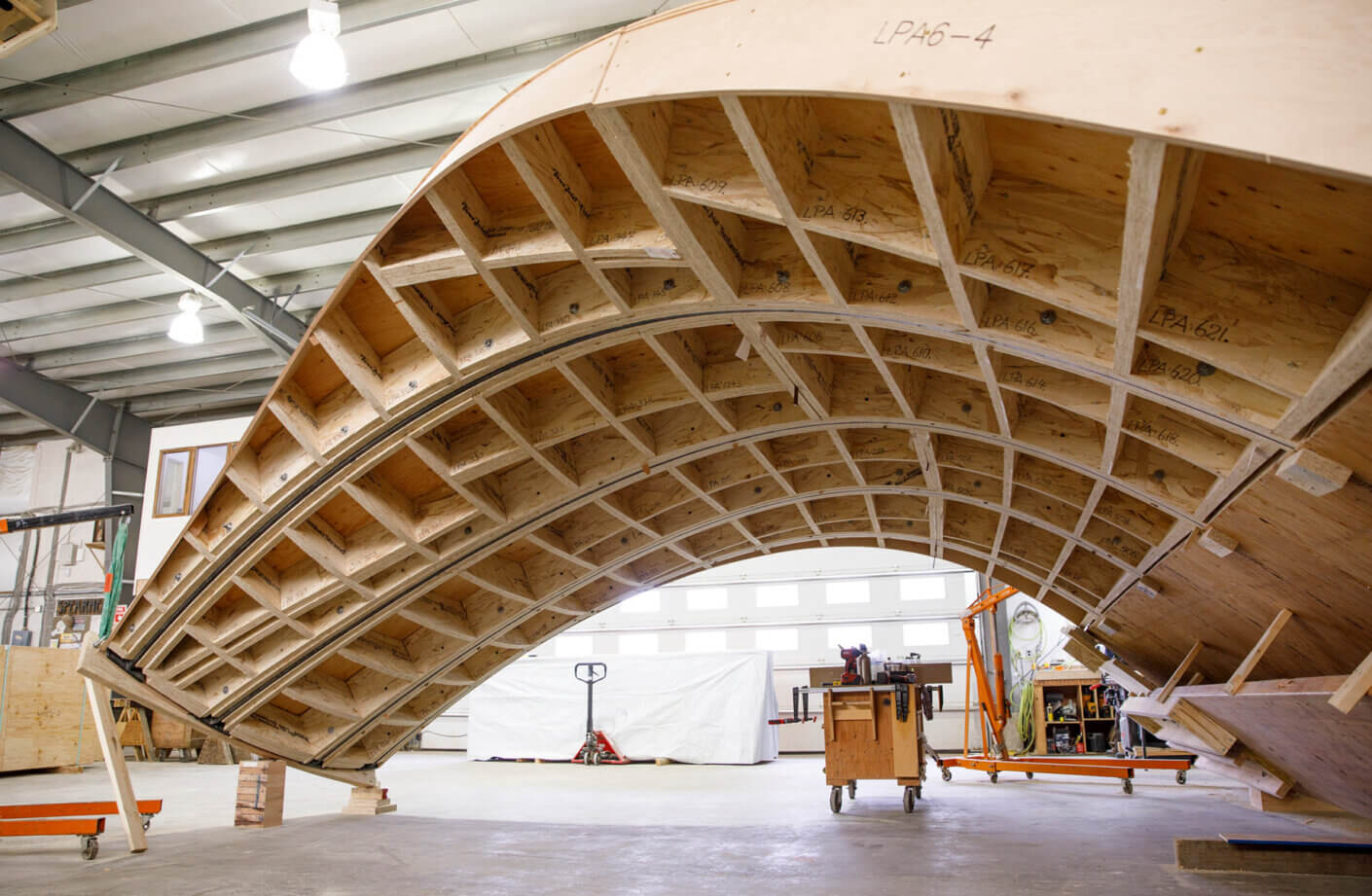
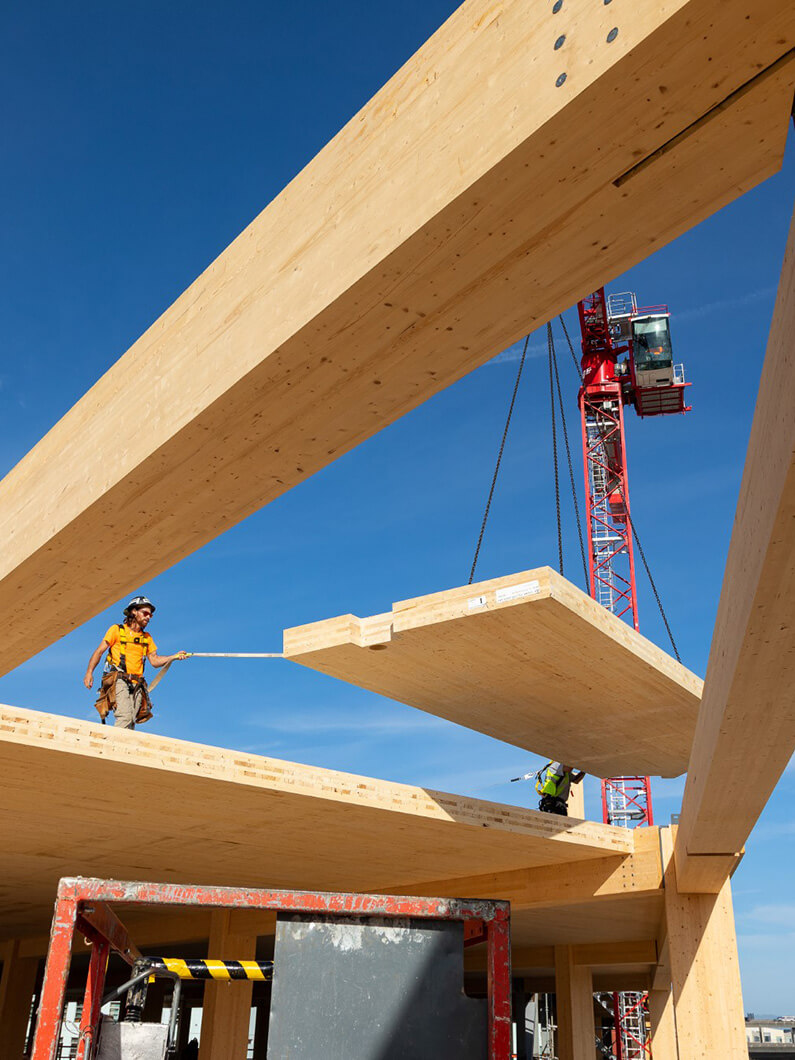
Advancements in material engineering, digital manufacturing, and automation are revolutionizing how we design and construct. By reimagining design-to-construction processes, we can save time and resources, enabling more sustainable and efficient building practices. Our research empowers professionals with knowledge of emerging construction methods and technologies, from innovative delivery methods for adaptive reuse to designing for disassembly to offsite manufacturing of building components.
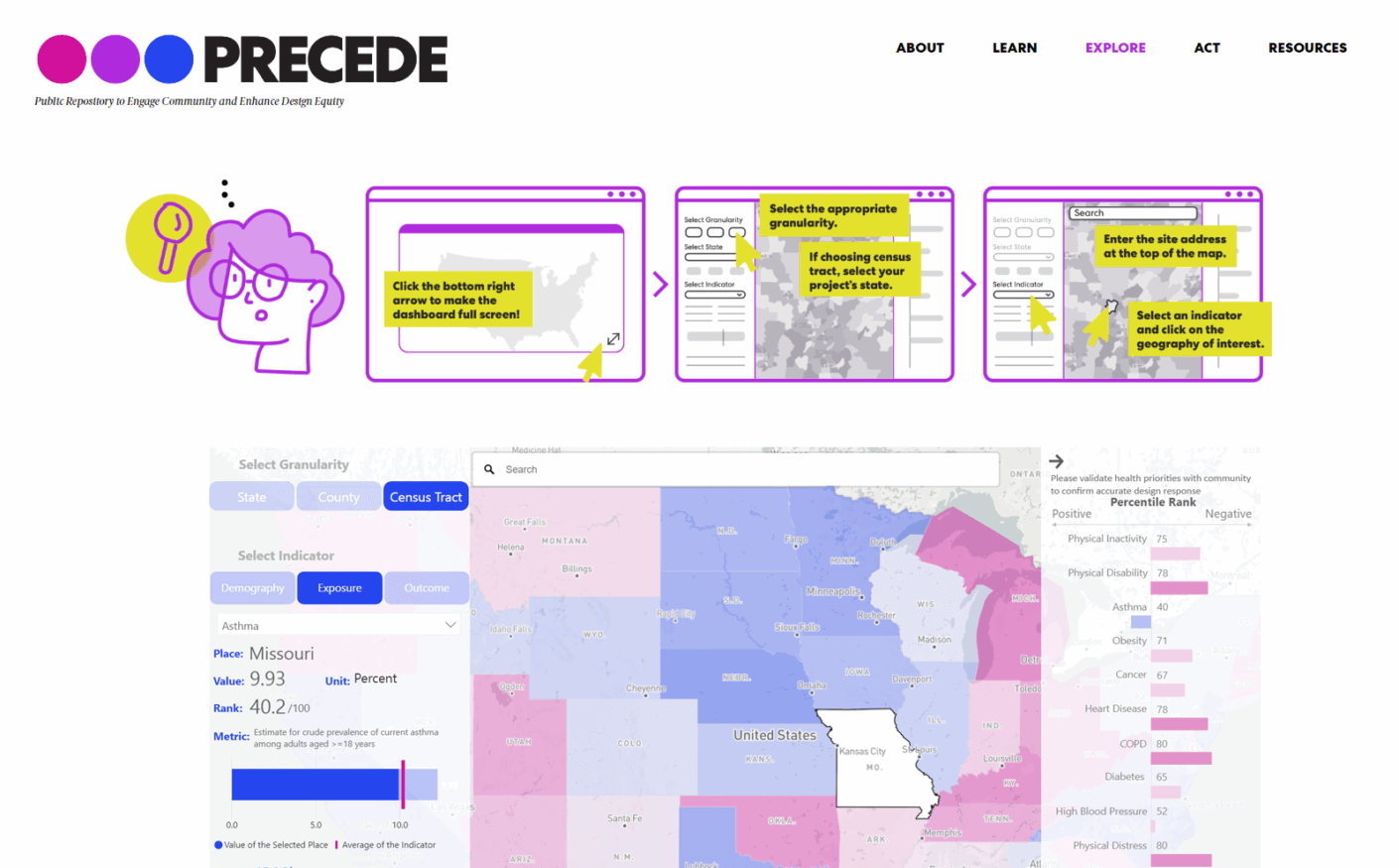
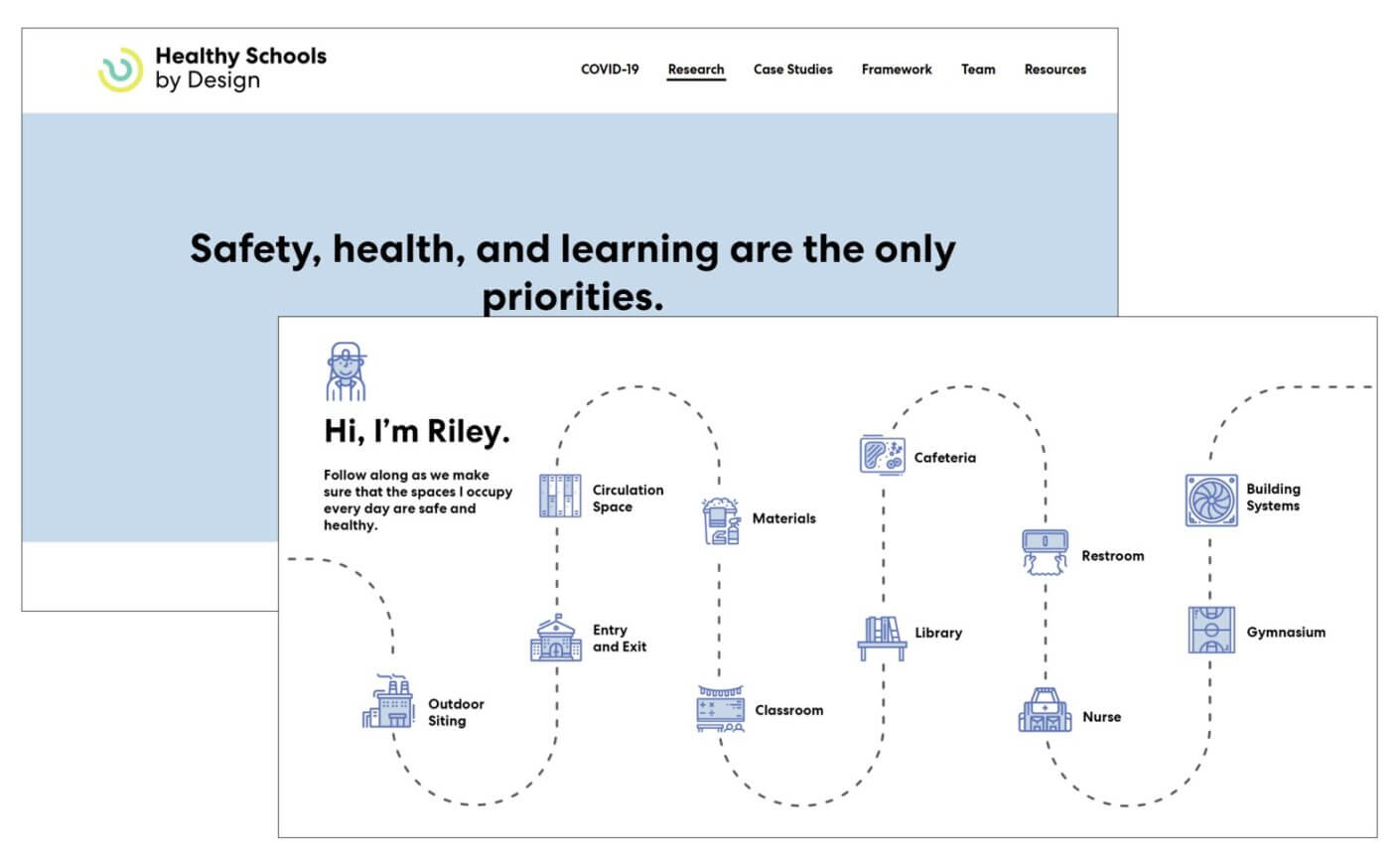
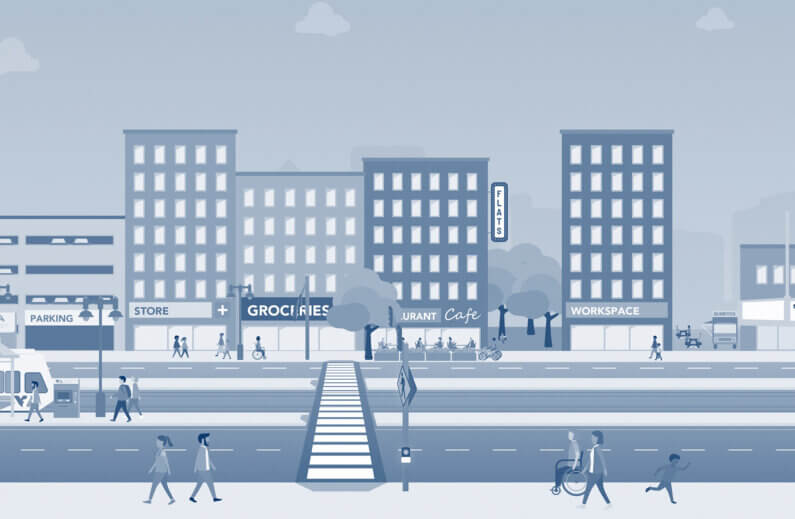
By emphasizing human experience, we design places that make a meaningful impact in our communities. Our research elevates holistic well-being, addressing both psychology and public health. We investigate the physical and social relationship between people and space, and its influence on human perception and behavior.
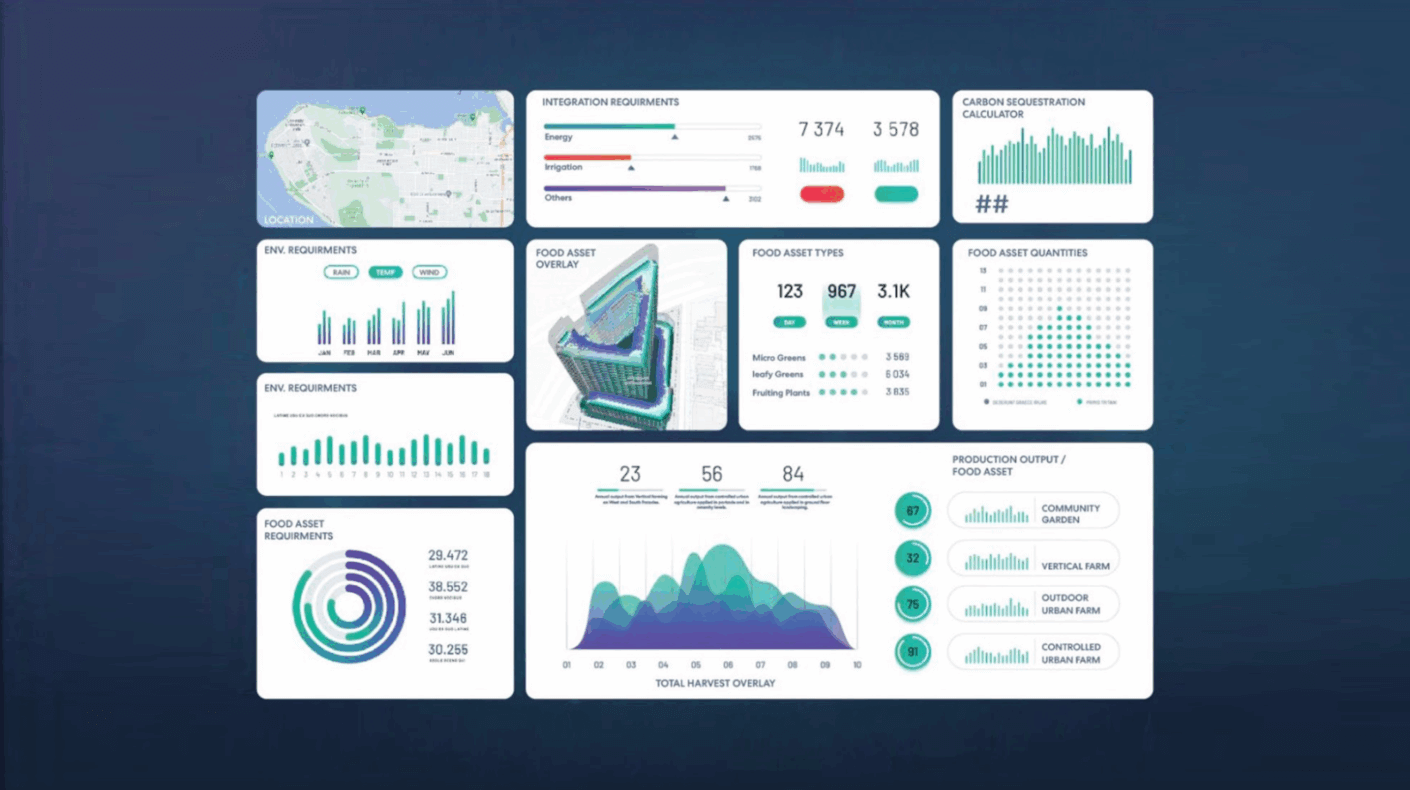
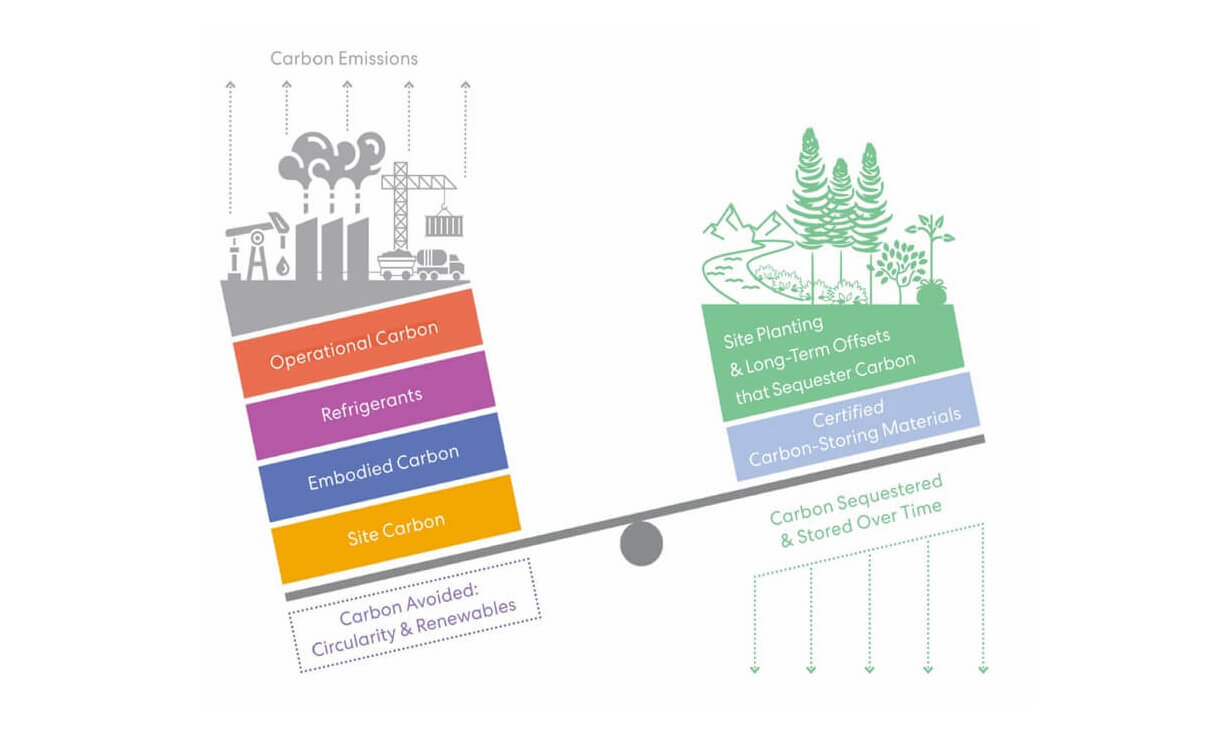
Rethinking resource consumption is essential to cultivating a more sustainable and prosperous future. Embracing a circular design approach promotes a continuous flow of material use and reuse, reducing reliance on new resource extraction and minimizing environmental impact. Our research challenges conventional practices, driving innovation in building science, social equity, supply chains, and planetary health.
We published a series of pioneering carbon health reports aimed at transforming how architects and designers choose sustainable materials and reduce plastic in their projects, as well as an in-depth exploration of how bio-based and natural materials are being deployed in the industry today.
Our guide distills best practices in circular design from projects across our global practice, making a circular approach more accessible for design teams.
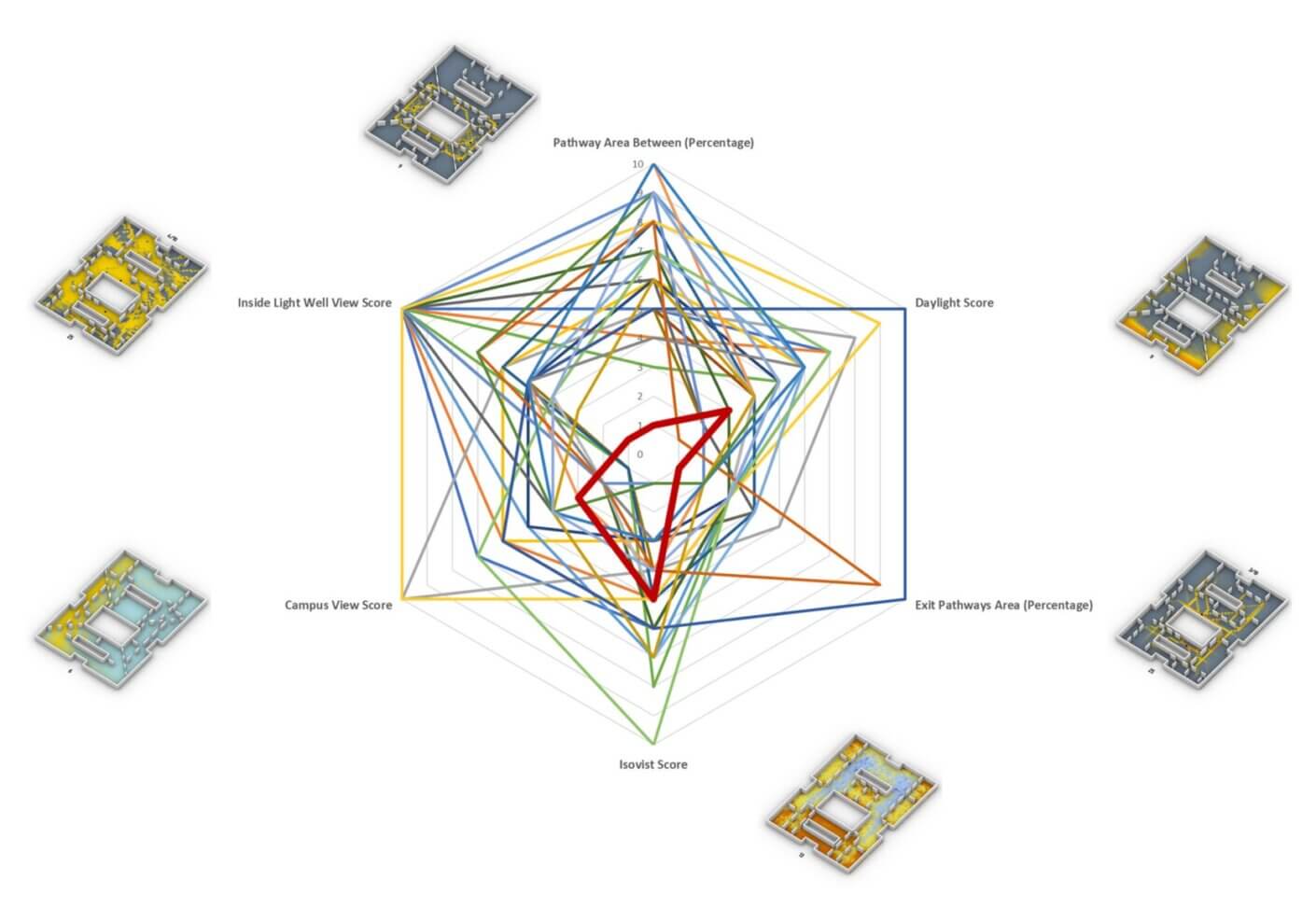
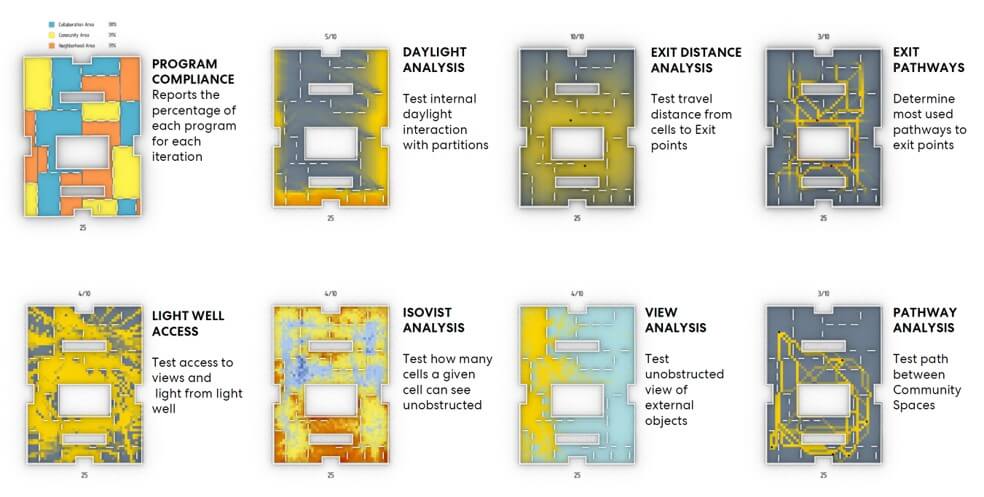
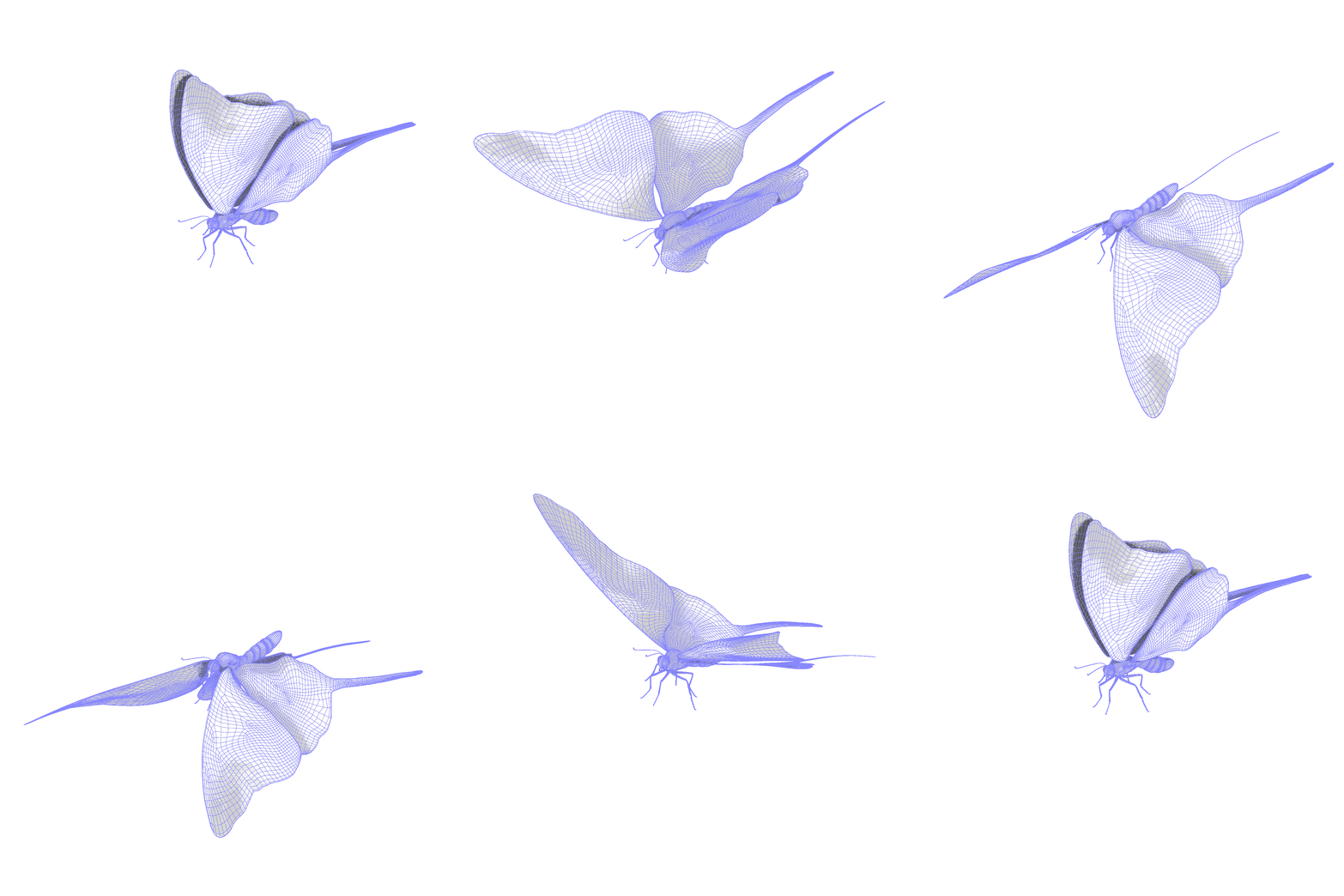
High-performing buildings create environments where humans and nature thrive in harmony. We develop peer-reviewed research in advanced design processes, simulation models, and data analytics to assess key performance factors—natural light, acoustics, thermal comfort, energy and water efficiency, human movement patterns, and wind power. By employing evidence-based methods, we gain critical insights into how our designs perform, ensuring they are both impactful and effective.
By integrating technology and design, we aim to transform how individuals perceive and interact with their environments. Whether through physical spaces enhanced by digital sensor data or fully digital environments, we strive to create immersive spatial experiences that connect people with their surroundings in meaningful ways.
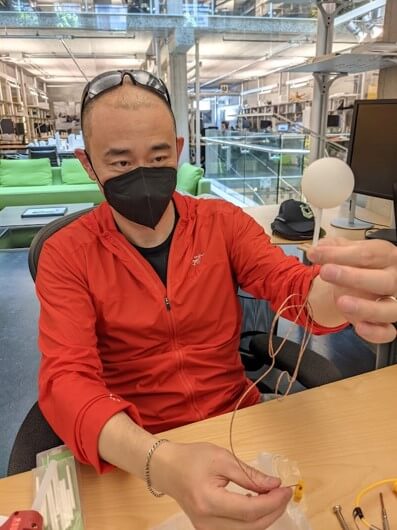
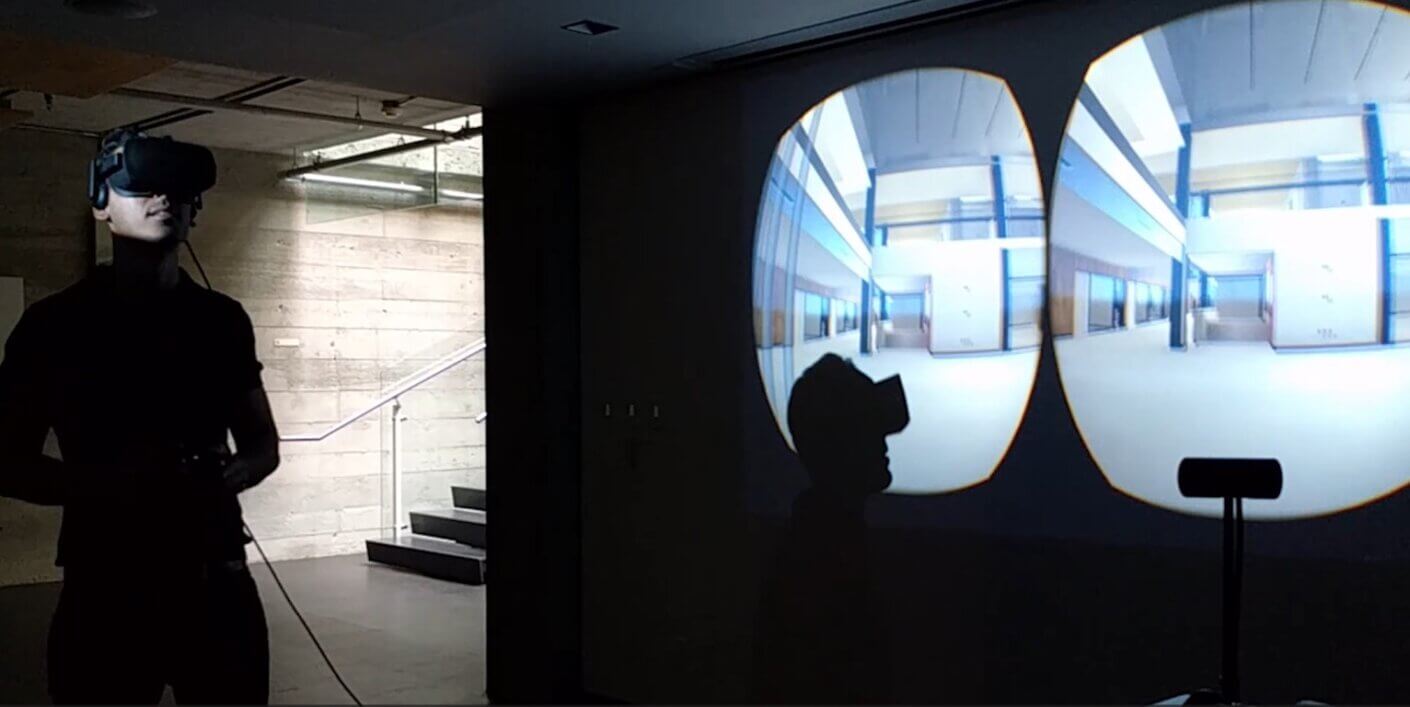
We improve how people live and work by blending design, technology, research, and innovation. A dedicated team of digital innovators works to ensure we’re leveraging the latest design technologies across our global practice.
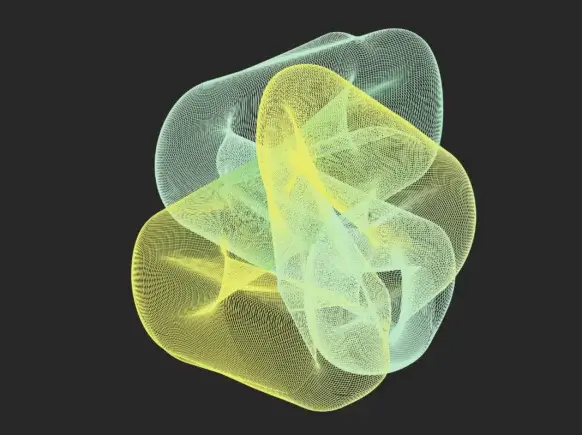







Our Innovation Incubator democratizes research and development. Anyone at our firm who wants to explore solutions to pressing design challenges can apply for a firm-funded research grant. It’s just another way we allow our creativity and curiosity to change the world.

Girls and women experience the built environment differently than boys and men. This study aimed to understand how teen girls between 13 and 18 perceive and use public space. Through a literature review and expert interviews, we gained insight into how we might reimagine our approach to designing public spaces to support play, socializing, and a sense of belonging.
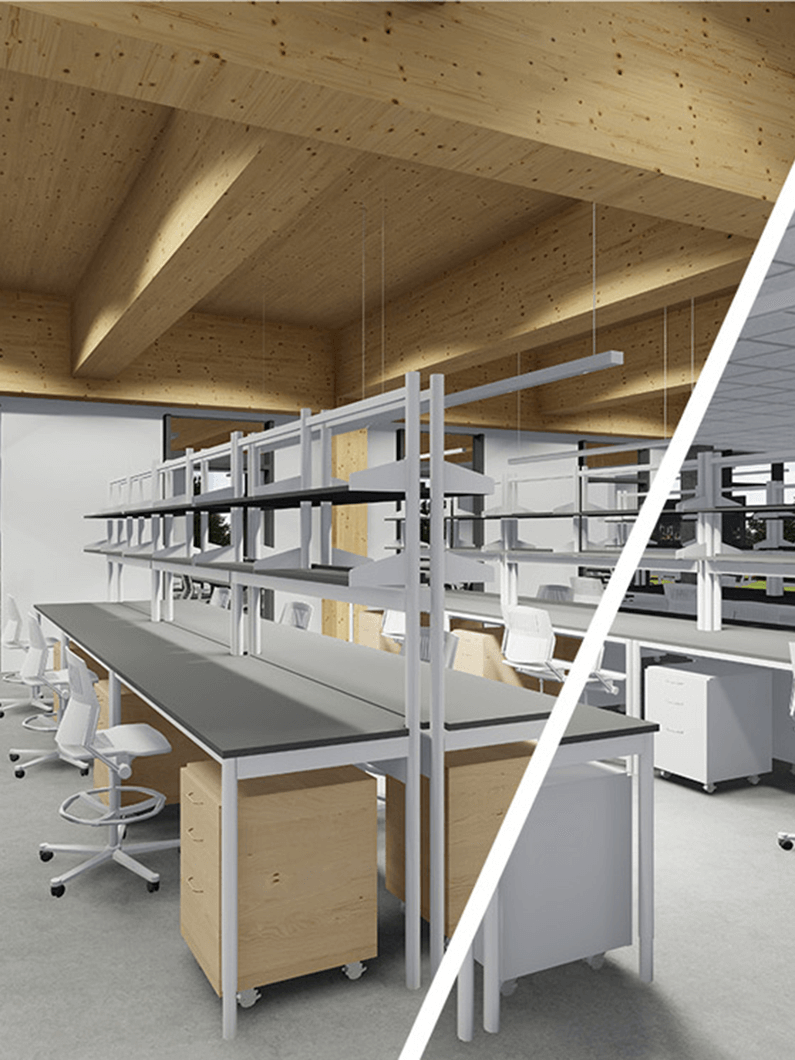
Lab building embodied carbon is significant, due to intensive structure, finishes, and MEP systems. Recent projects are experimenting with designs uncommon to labs: CLT structure, wood cladding, demountable partitions. But no resource before now collected these into a common framework for evaluating their carbon benefits.
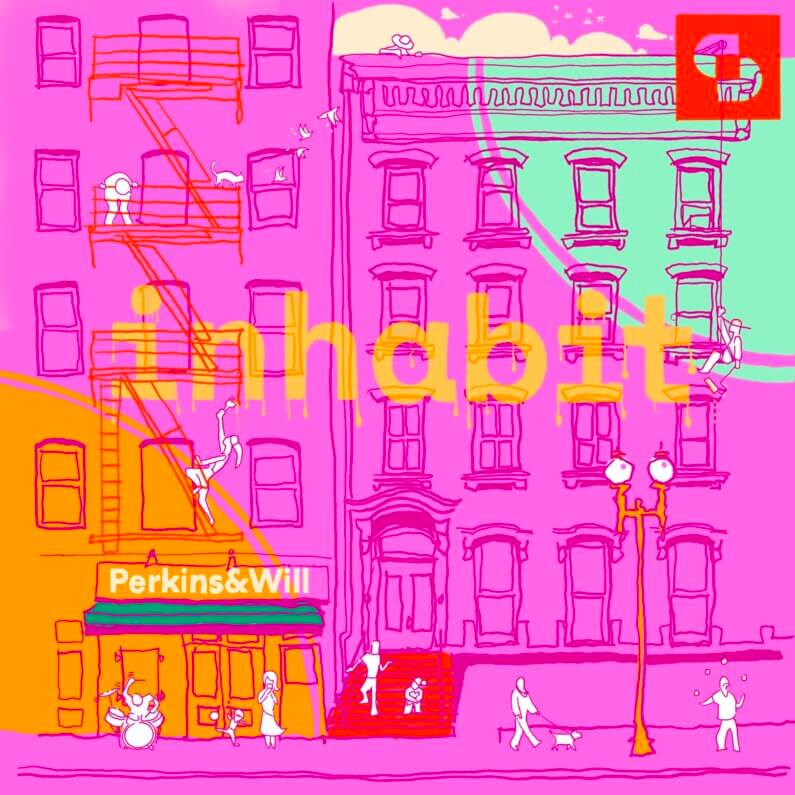
In our firm’s podcast, Inhabit, our hosts uncover how the built environment shapes us in ways we often overlook. Each season features a member of our research team as they break down the science, history, and stories behind the spaces we rely on—and what it takes to change them. You’ll also get practical ways to put the power of design in your own hands.
Through open-source research, our nonprofit AREA Research, and collaborations across design and academia, we team up with partners to discover and share new knowledge that advances the industry.