The Field School
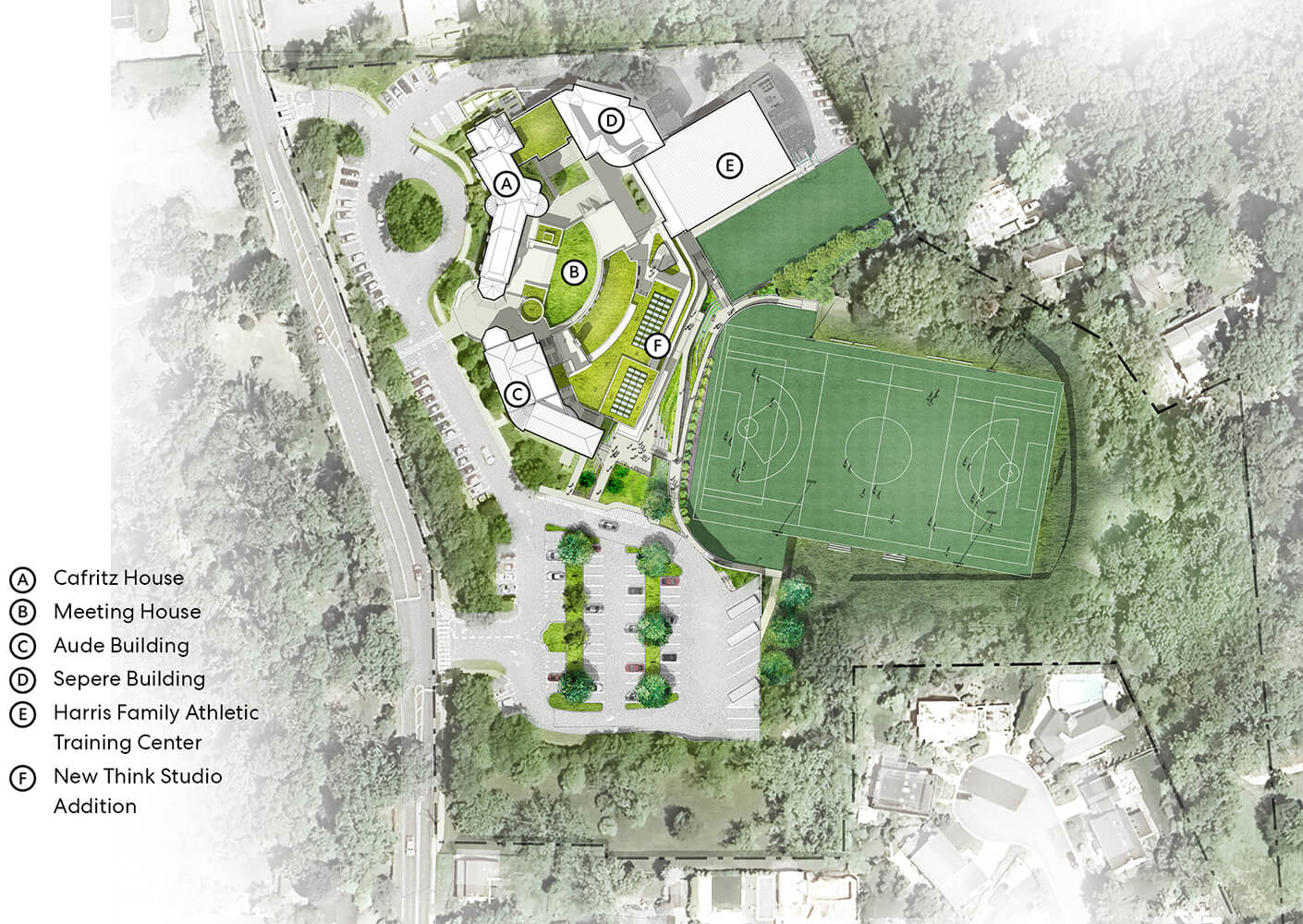
The Field School’s 10-acre campus in Northwest D.C. is an urban oasis for sixth through twelfth grade students. With an enrollment projected to grow from 350 to approximately 400 students, the school needed a clear, strategic path to expand by about 15% and make room for modern teaching spaces. To chart that future, we partnered with school leadership to assess existing facilities and develop a master plan to guide thoughtful growth.
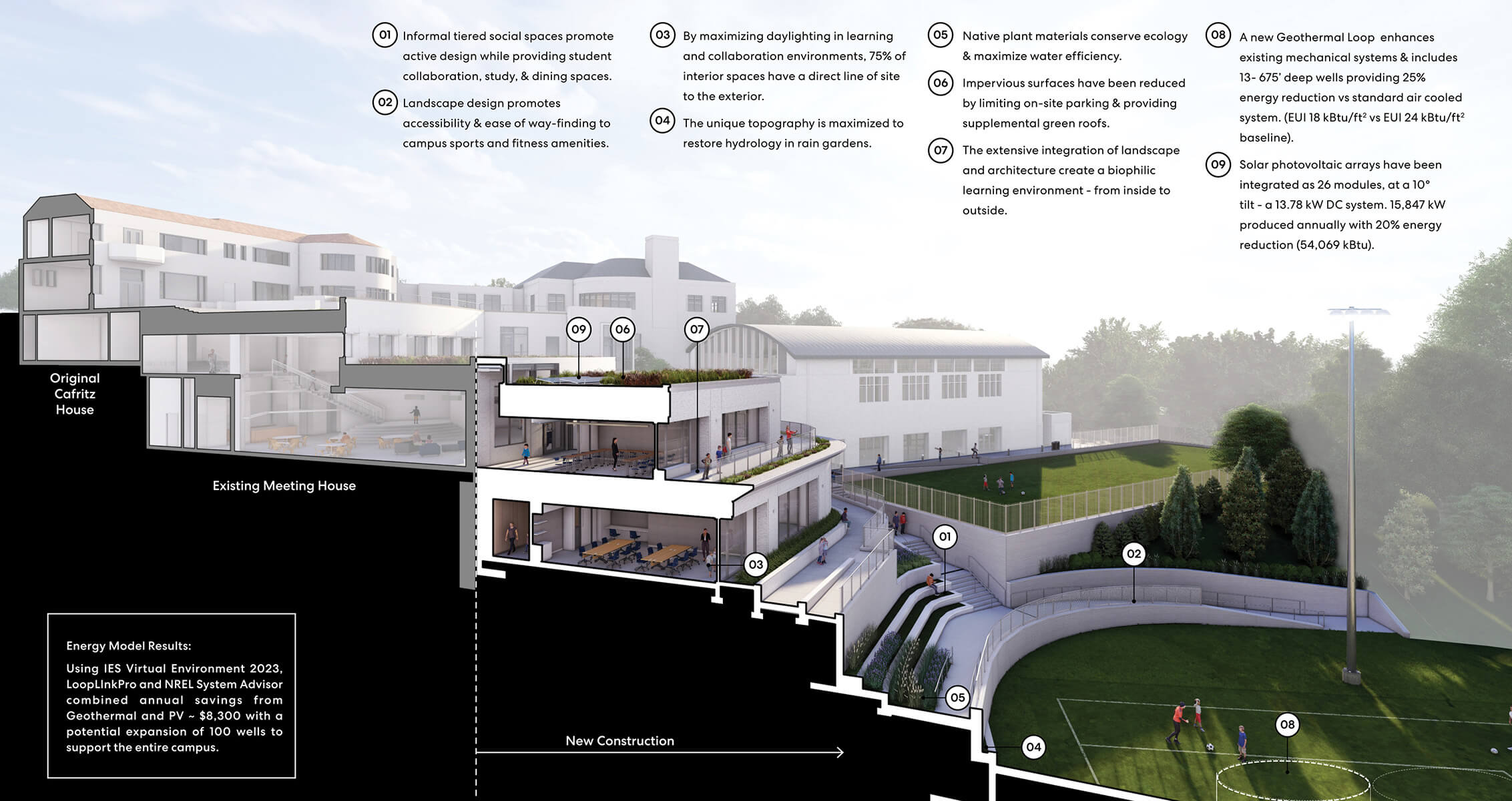
Following our master plan effort, the Field School has embarked on a phased redevelopment that celebrates their campus’s defining qualities—its green spaces, city views, human-scaled buildings, and rich history. Rooted in the school’s values and mission, we reimagined how the campus could better support learning and community by right-sizing classrooms, repurposing underused areas, and consolidating administrative functions. Accessibility improvements and new outdoor connections foster a stronger sense of place, transforming the campus into a more cohesive, inspiring environment for students and faculty alike.

Head of School Lori Strauss, the Field School
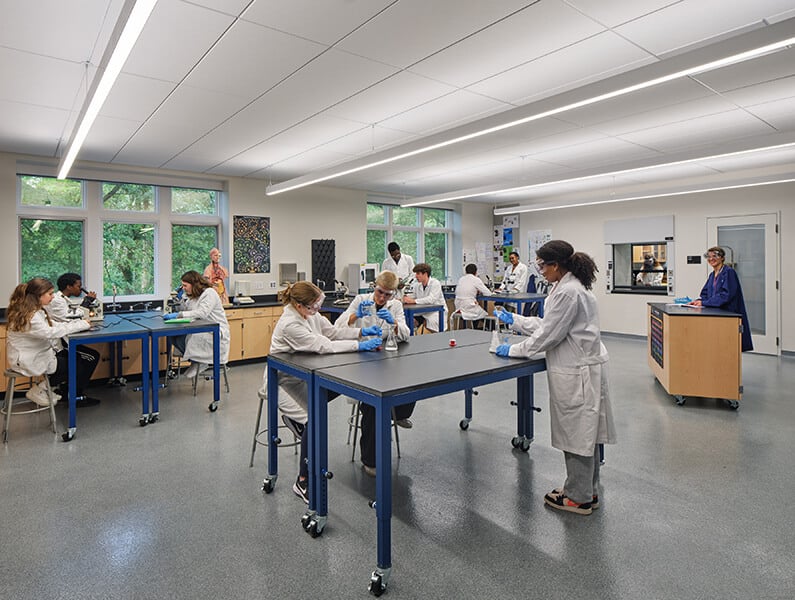
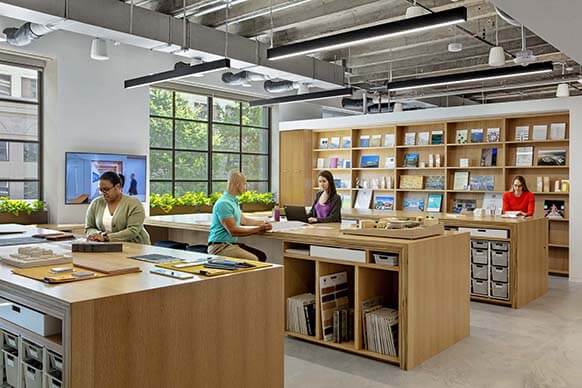
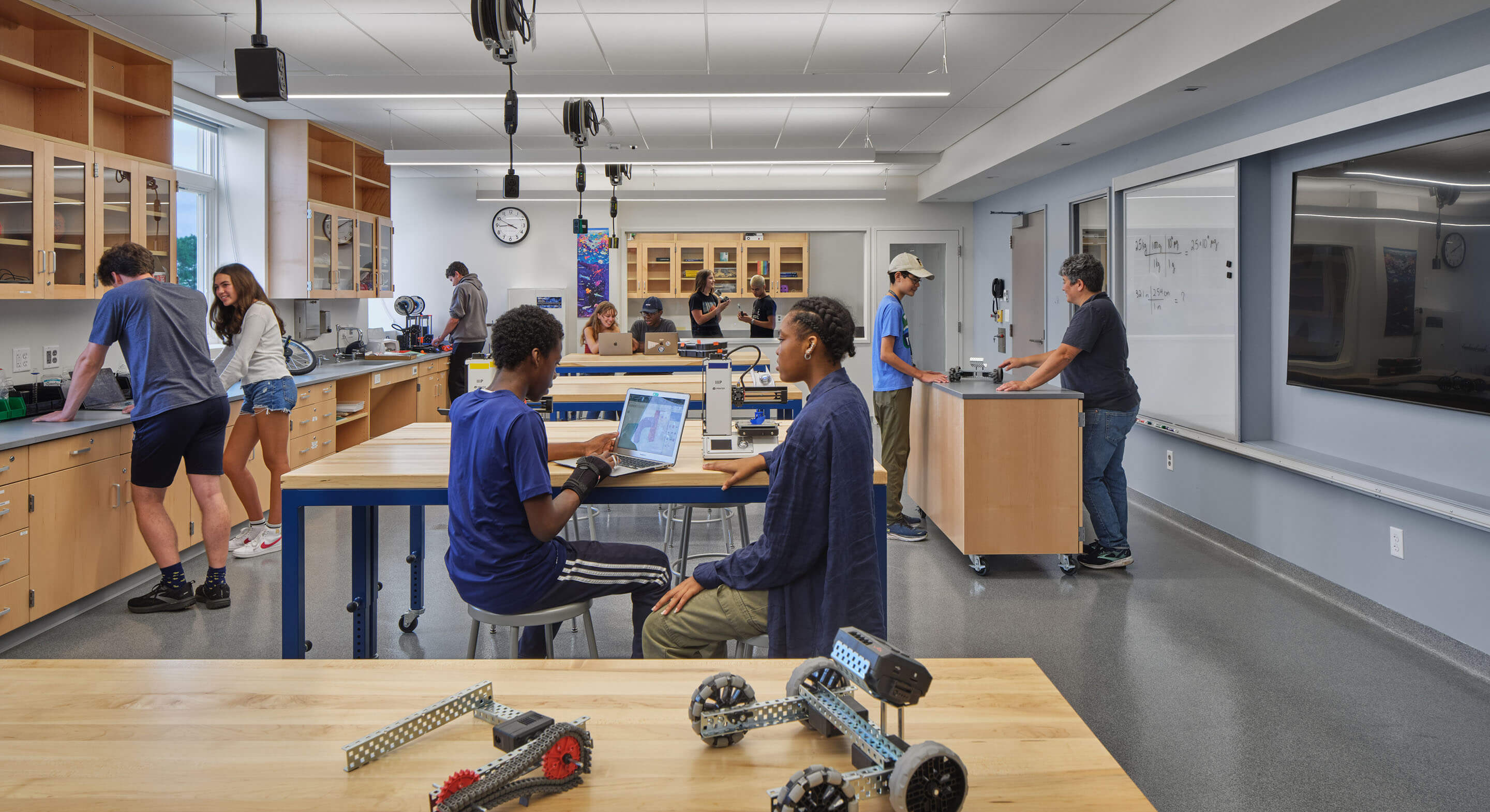
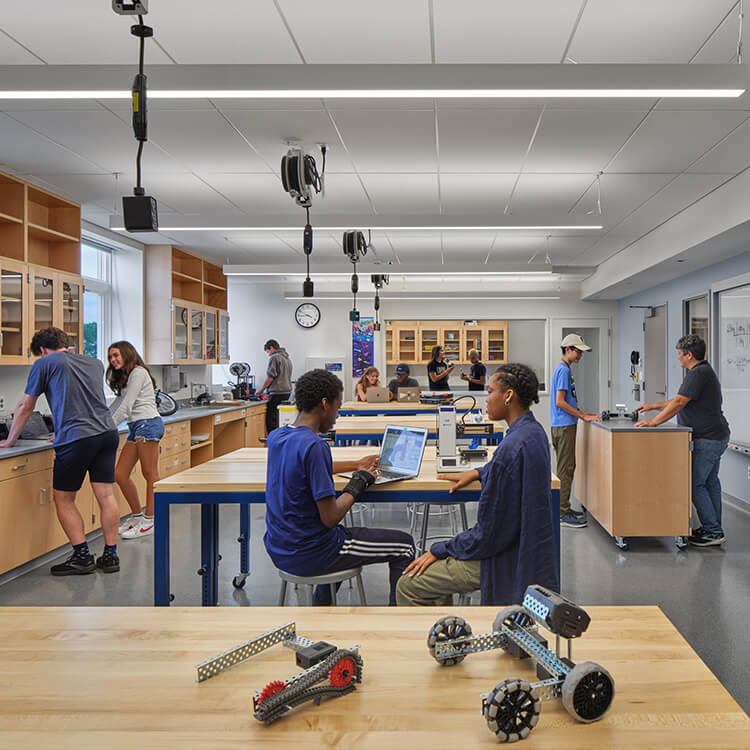
The first phase renovated outdated science classrooms and prep rooms into bright, flexible environments designed to support next-generation learning. Once constrained by inefficient space and limited flexibility, the classrooms now encourage collaboration and hands-on experimentation. New perimeter casework maximizes storage, creating a more functional open interior, while lab tables on casters provide flexibility for changing programs and activities, with adjustable-height surfaces that support accessibility and ensure the spaces can accommodate all students.
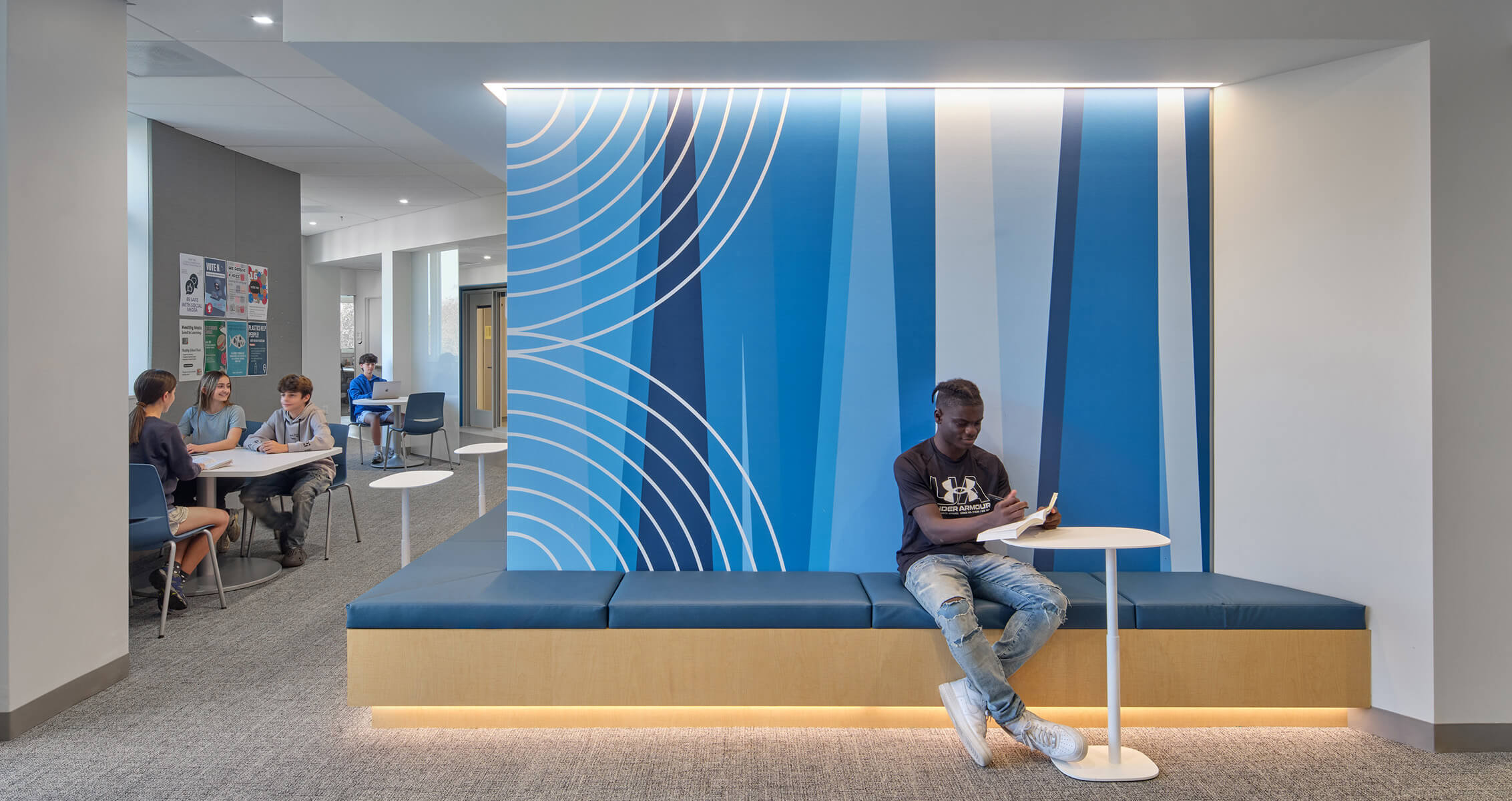
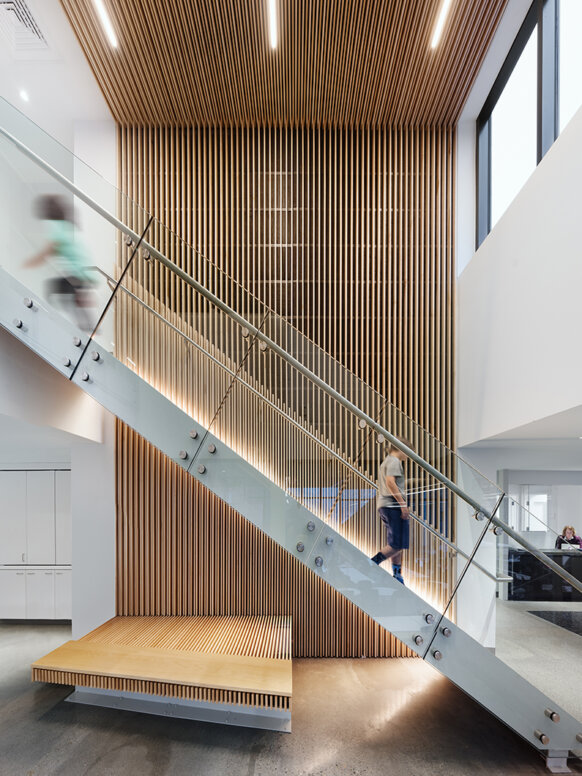
In phase two, we renovated the Aude Building, creating a sunnier, more connected learning environment for the middle school program. Originally built in 2002, the building’s layout and limited access to daylight no longer reflected the school’s evolving pedagogical mission. We transformed underutilized spaces into right-sized classrooms, new collaboration areas, and dedicated faculty spaces, creating a more flexible and engaging environment that better supports active learning and strengthens faculty connection.
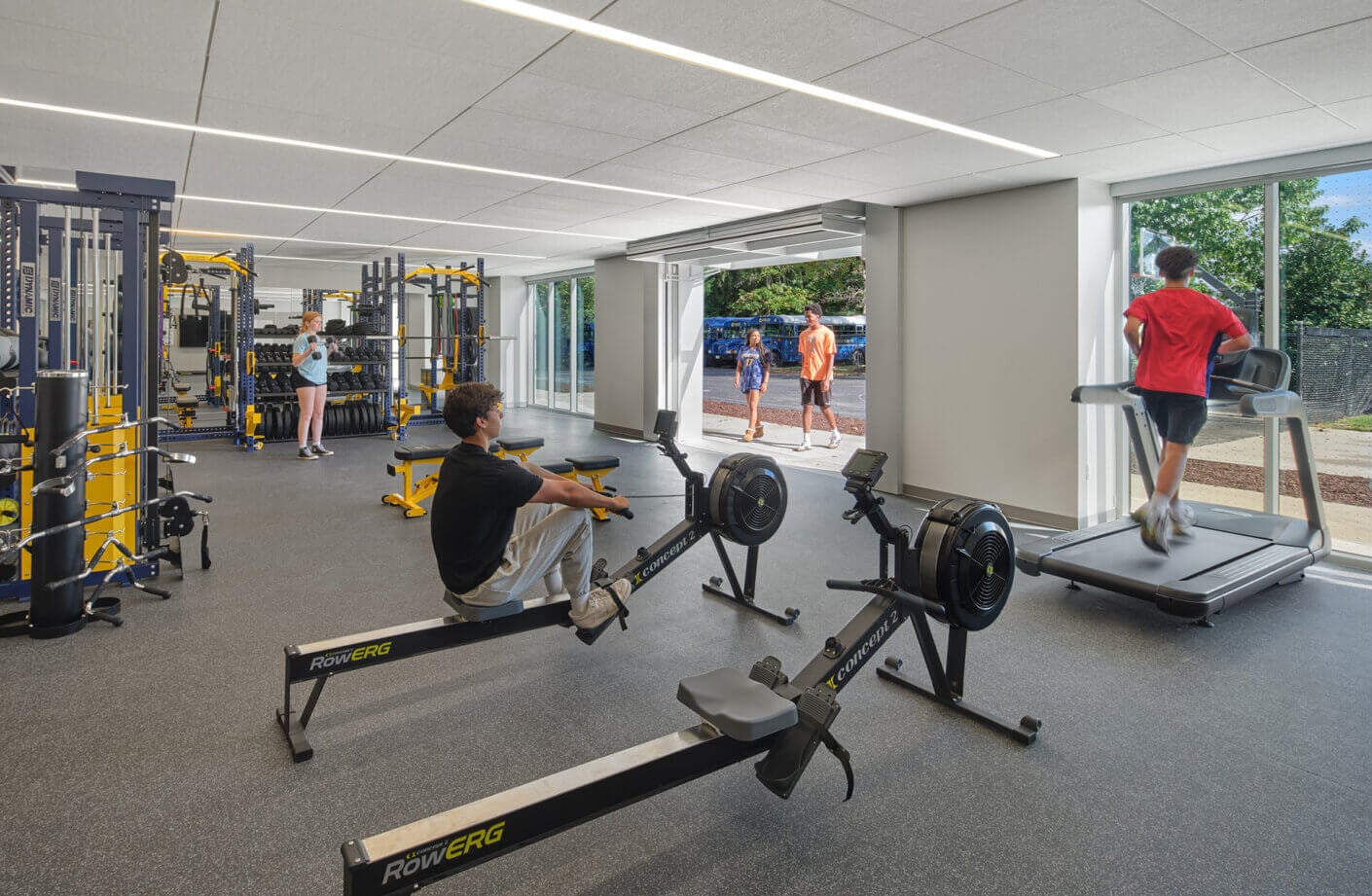
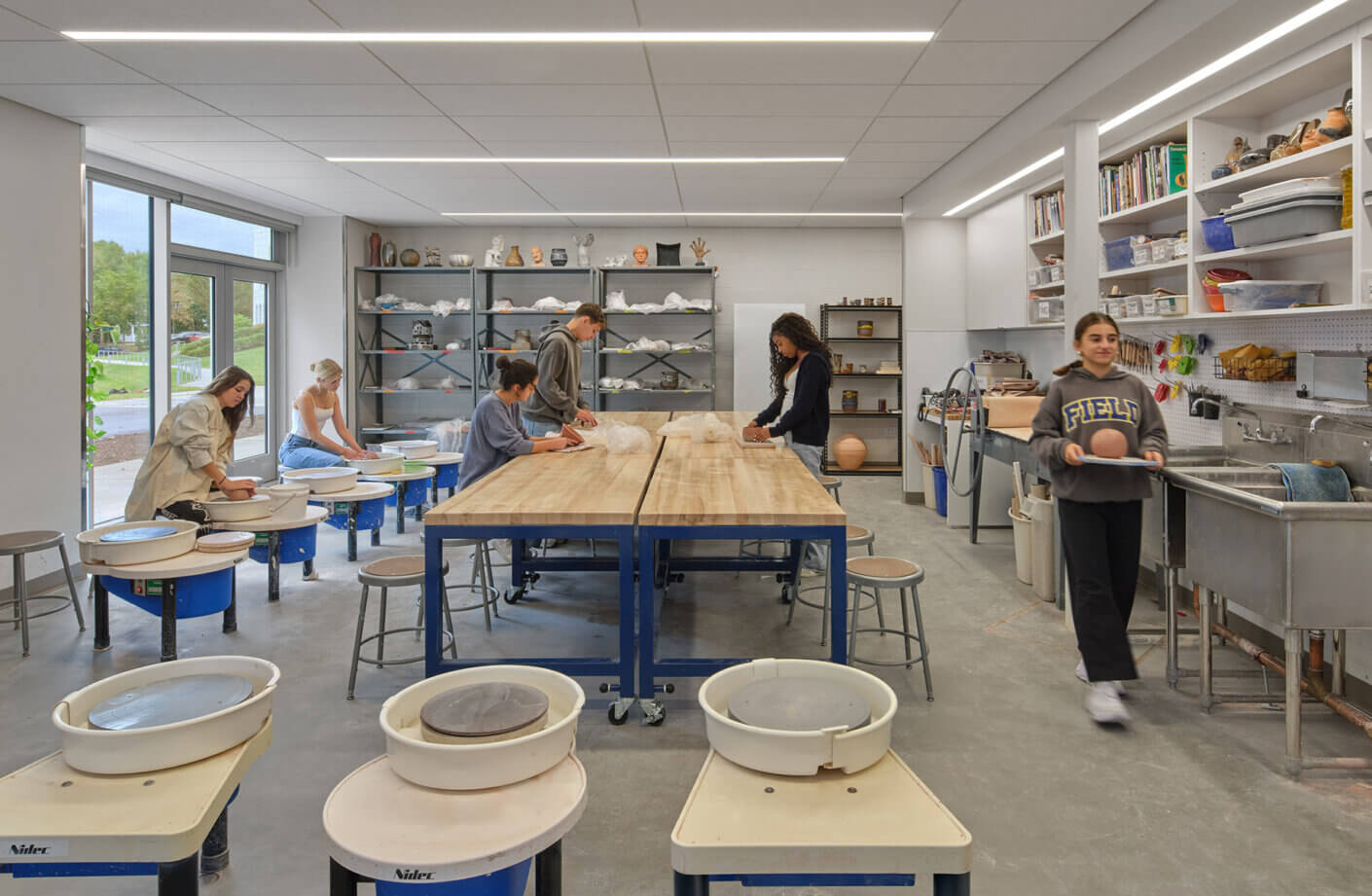
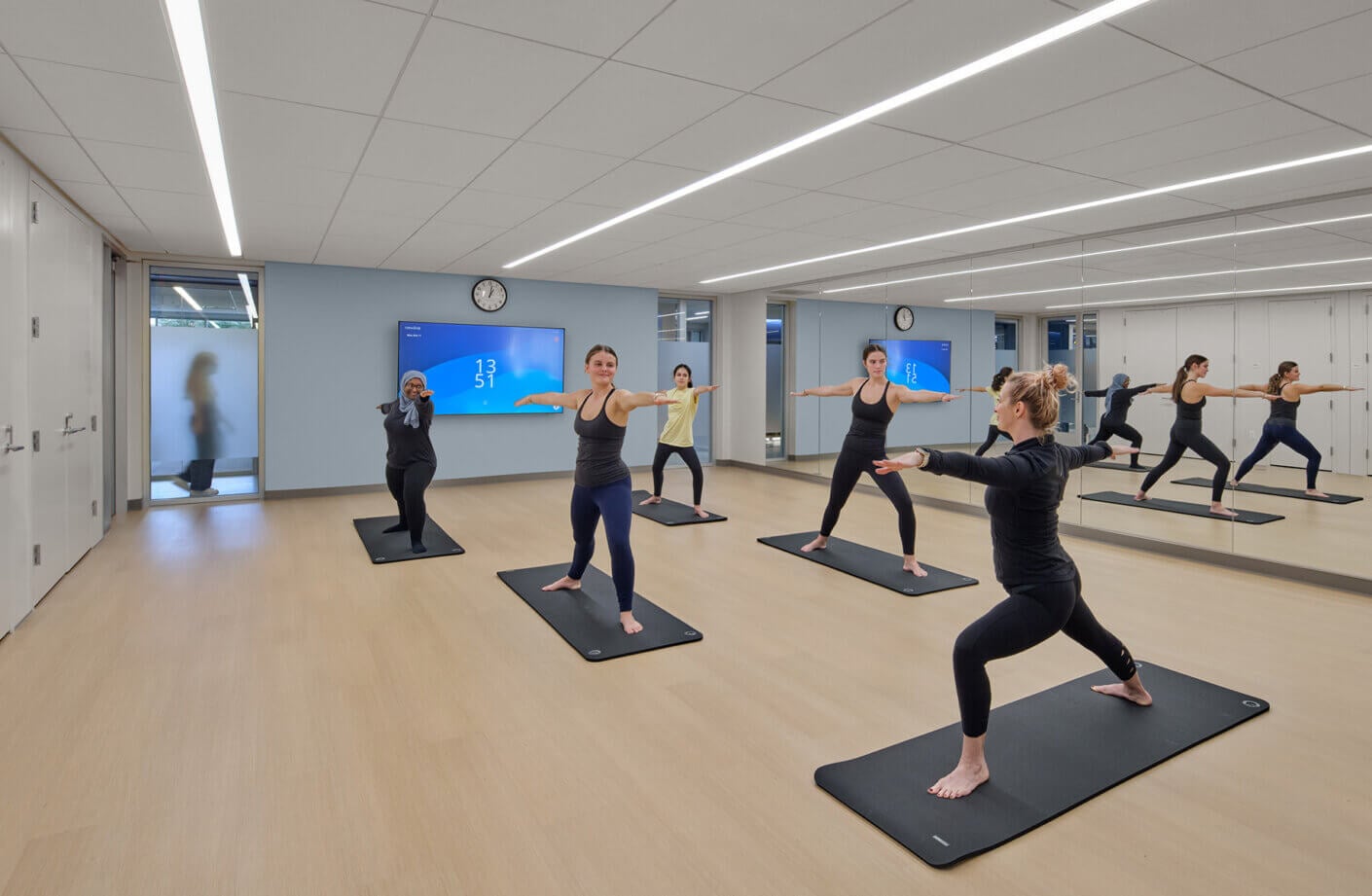
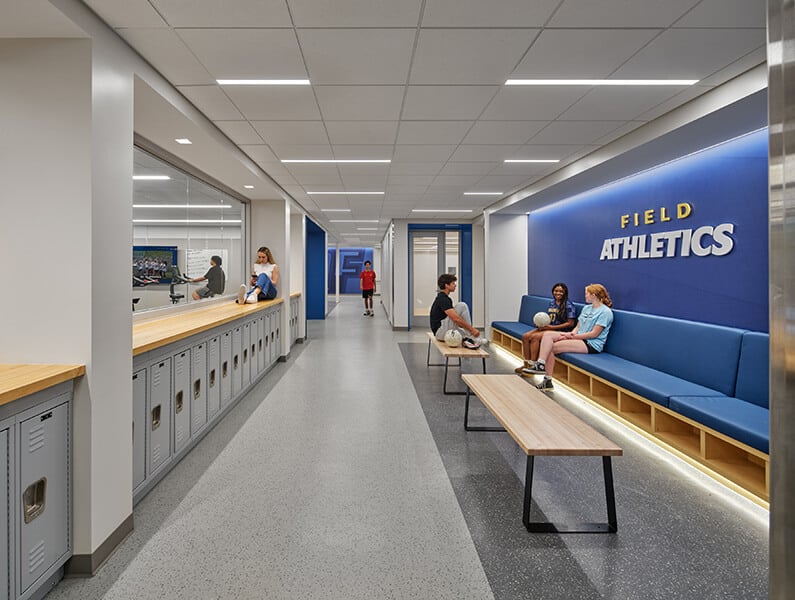
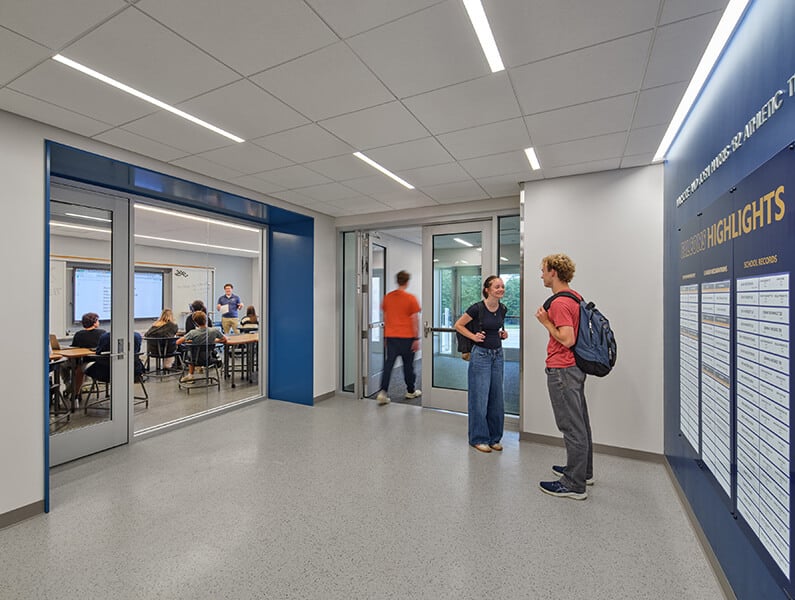
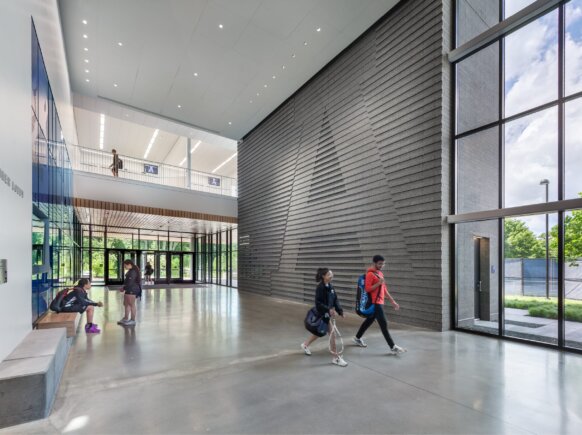
In phase three, we transformed the once dated, dim lower level of the Wonder Building into the Harris Family Athletic Training Center, a vibrant student hub that strengthens community and pride around the school’s growing athletics and arts programs. The reimagined space brings together a general-purpose classroom, a state-of-the-art weight room, an expanded ceramics studio, and a yoga and dance studio, alongside improved locker areas. The campus now offers the resources students need to pursue athletics and artistic expression side by side.
Project Team



Related Content