Press Releases October 14, 2026

Chris Connell Appointed Design Director of Our Houston Studio

Global design leader brings expertise spanning healthcare, civic, transportation, culture, and placemaking to support the studio's next chapter of design excellence.
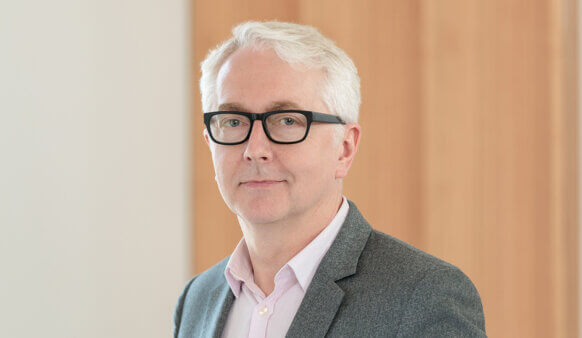
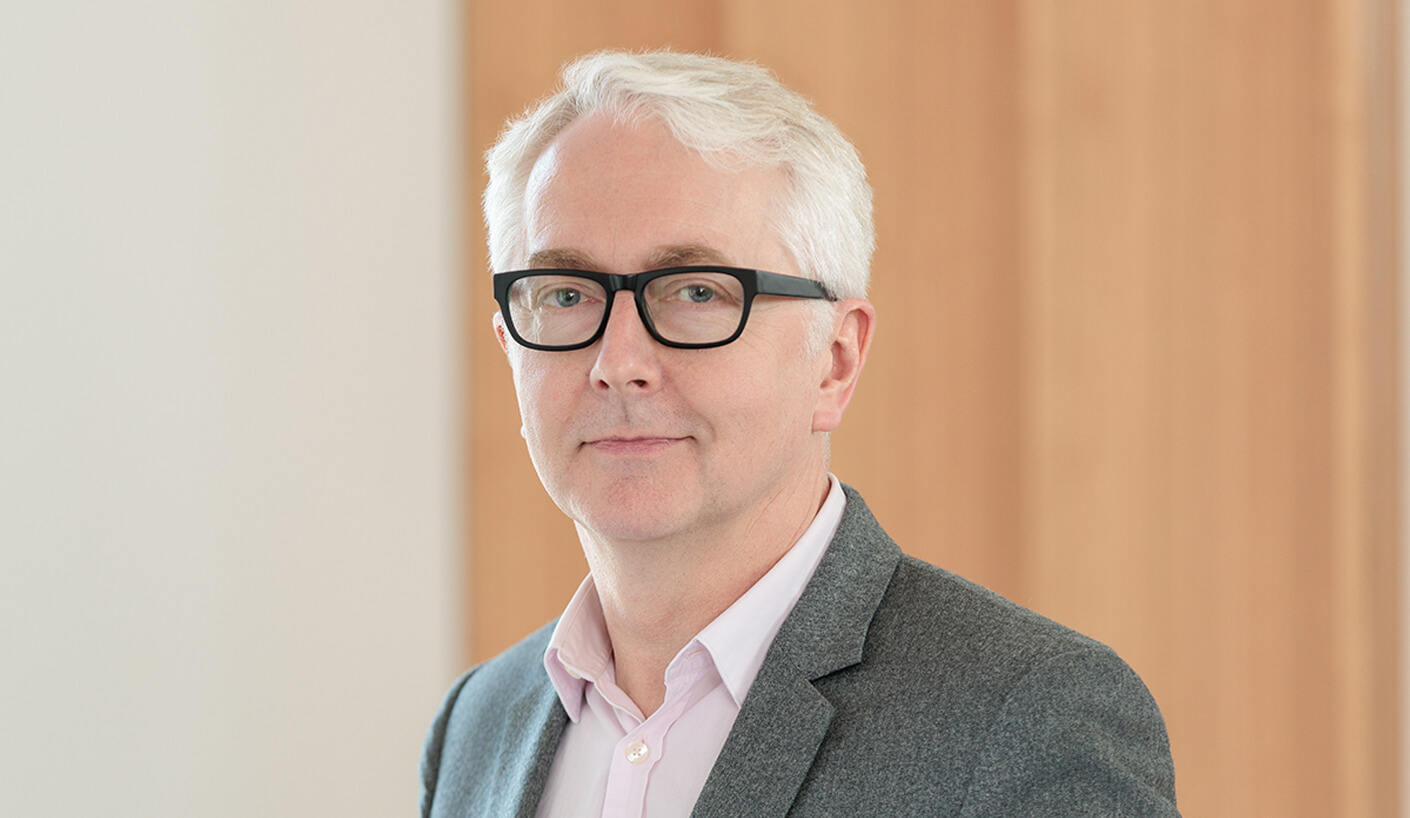
Chris Connell Headshot

HOUSTON—Perkins&Will has appointed Chris Connell as design director of its Houston studio, strengthening the firm’s commitment to design excellence and advancing its vision for how architecture can shape healthier, more connected, and more meaningful places.

In his new role, Chris will help guide the studio’s design culture, mentor project teams, and elevate design across a growing portfolio spanning healthcare, science and technology, civic, commercial, and cultural work. The Houston studio, which is currently at the helm of several critical projects across the region, including MD Anderson’s Clinical Service Building, Houston Center’s repositioning, and the Mayo Clinic’s Master Plan in Florida, will lean on his more than three decades of international experience leading complex projects and large-scale infrastructure to elevate design across all sectors.

“The Houston studio has built an extraordinary reputation through deep client relationships and a strong history of leadership in healthcare and science and technology,” Chris said. “What excites me is the opportunity to build on that foundation while exploring how design can contribute more broadly to the future of this city—its neighborhoods, institutions, public spaces, and evolving identity as one of the country’s most dynamic destinations.”
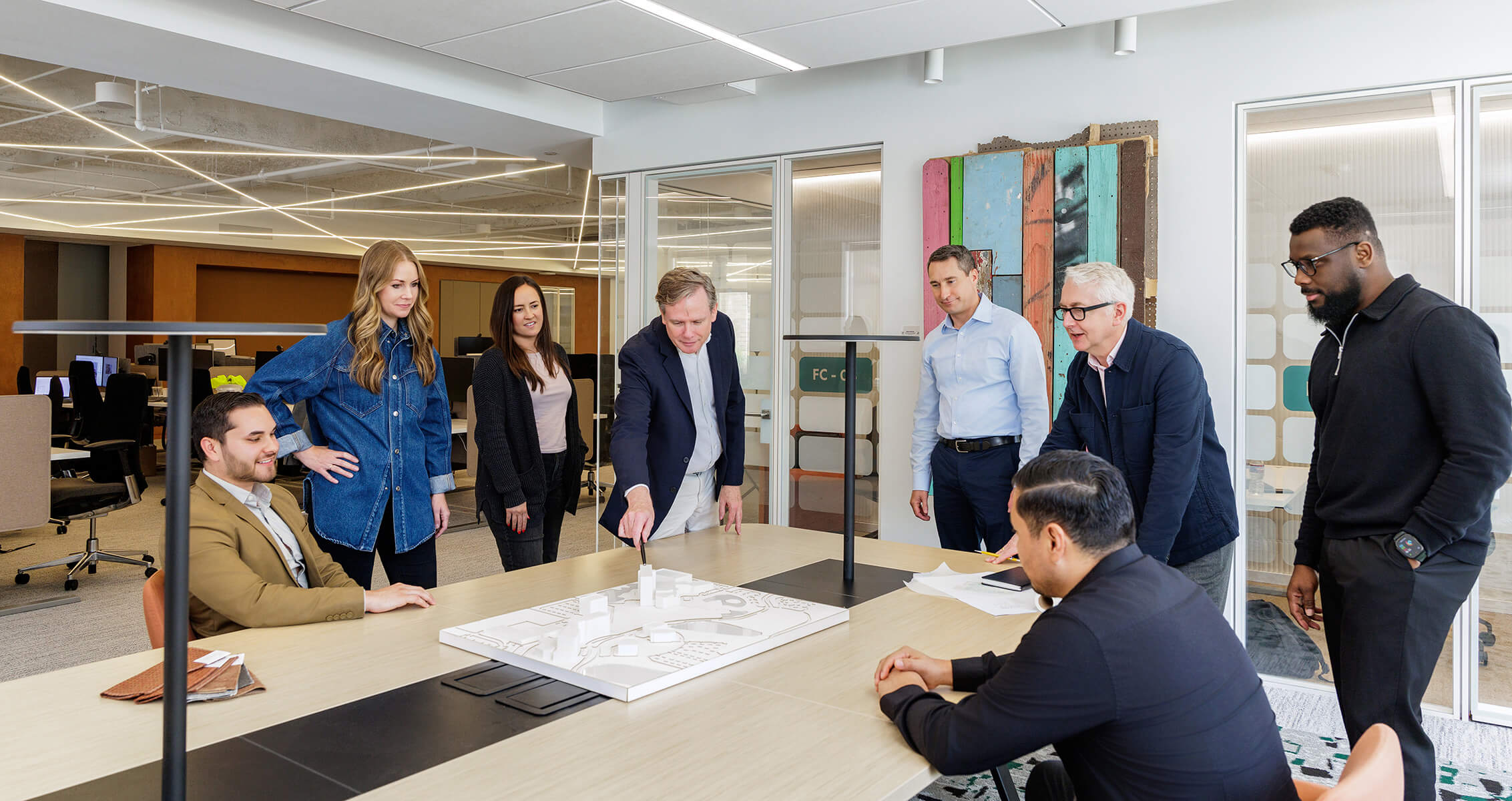
Chris (third from right) with colleagues in the Houston studio.
Designing for People, Not Typologies

Throughout his career, Chris has challenged conventional distinctions between building types, arguing that all projects share a common responsibility to support health, well-being, and human experience.

“Every project should be good for you,” he said. “Whether it’s a hospital, workplace, transit hub, cultural venue, or public space, we’re designing environments that influence how people feel, connect, work, learn, and live.” For Chris, an interdisciplinary approach means applying the best ideas from one sector to another—translating innovations in one realm into richer, more resilient environments regardless of project type. By first solving for function and purpose, he believes design becomes more than a collection of successful interventions; it becomes an integrated experience where each decision reinforces the next, often revealing opportunities and value clients hadn’t imagined at the outset.

That perspective has shaped his work for clients such as Cleveland Clinic, one of the highest-ranking healthcare systems in the world. His award-winning portfolio also includes iconic global venues like the OVO Hydro Arena in Scotland, Selene Tower in New York, and Crossrail Place in London.

“Chris brings a rare combination of global perspective, design rigor, and genuine curiosity,” said Diana Davis, managing director of Perkins&Will’s Houston studio. “He understands how design can solve complex challenges while creating places that resonate deeply with the people who use them. His experience and leadership will help us continue to evolve our design culture and expand our impact throughout Houston and beyond.”

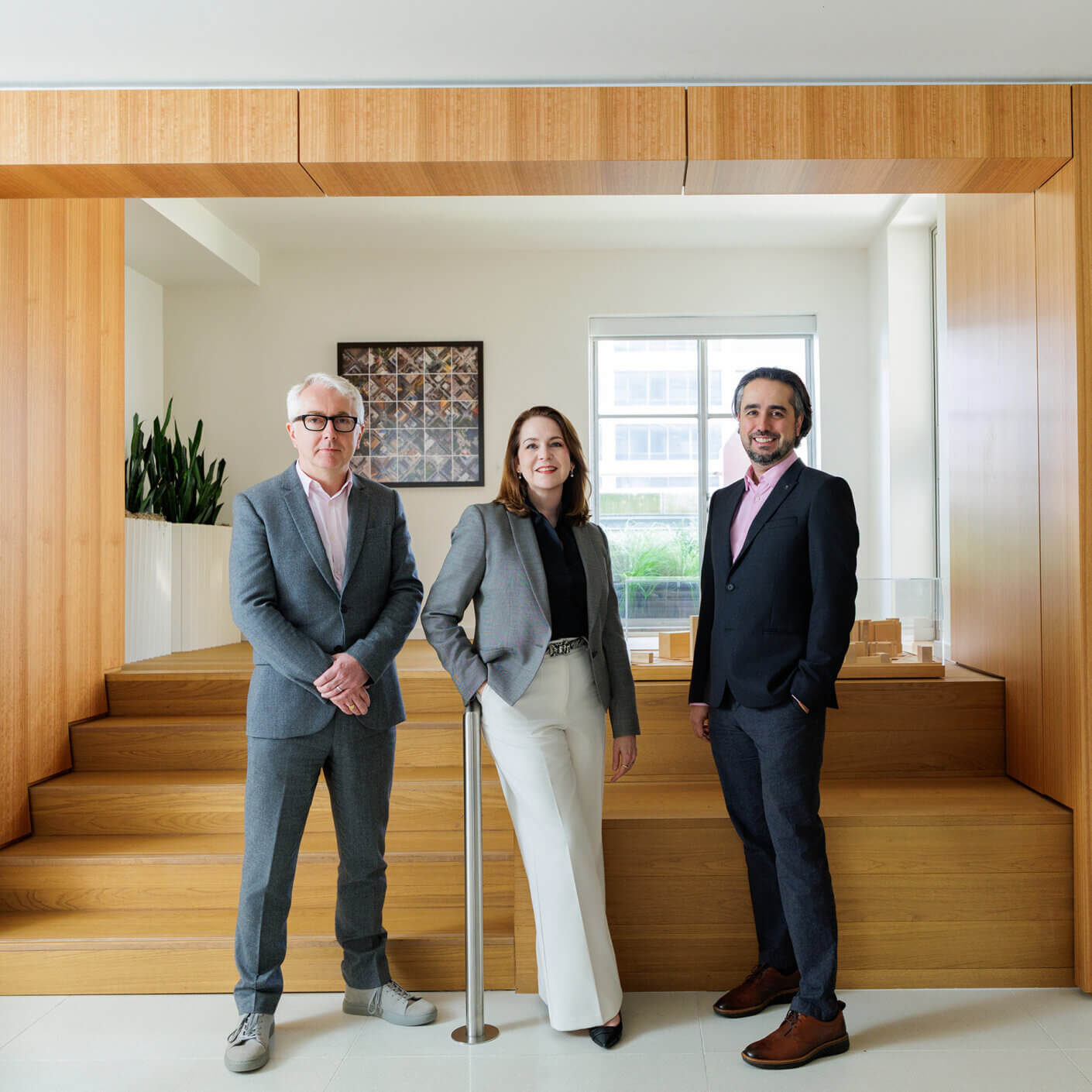
Houston studio leaders Chris Connell, design director; Diana Davis, managing director; and Massimo Giaffari, operations director (left to right).
Architecture as a Catalyst for City-Building

With Houston’s continued development, Chris sees architecture’s impact extend beyond individual buildings and into the greater city fabric. He is particularly interested in how projects can strengthen connections between neighborhoods, contribute to a sense of place, and help shape a more cohesive urban experience.

“The most successful projects aren’t isolated objects,” Chris said. “They become part of something larger. They help neighborhoods work better. They contribute to a city’s identity and, together, create experiences that people may not consciously notice every day, but that ultimately make life better.”

Chris is drawn to and has worked on architecture that endures for generations. He believes the built environment should be resilient enough to evolve alongside changing technologies, communities, and ways of living—anticipating what’s next while responding to the practical needs and preferences of the people who depend on it today.

Whether designing a transport hub that serves millions of people or a healthcare facility that supports moments of profound human need, his focus remains consistent: creating places that continue to shape everyday life through performance, adaptability, and lasting value to the communities they serve.

Advancing a Culture of Design

As design director, Chris’s priorities are about more than the project and are focused on the people and culture that shape them.

For Chris, the strongest design organizations are built on listening, mentorship, collaboration, and a shared understanding of purpose. His leadership approach emphasizes helping teams understand not only what they are designing, but why it matters.

“The value is always in the why,” Chris said. “When people understand the purpose behind what they’re doing, they become more invested, more creative, and more capable of delivering meaningful work.”

Through mentorship, design leadership, and collaboration across disciplines, Chris aims to foster an environment where curiosity, critical thinking, and innovation can thrive.

“Great design starts with listening,” he added. “Every conversation, every challenge, every observation is an opportunity to learn something new. Our responsibility is to transform that understanding into places that surprise, delight, and create lasting value.”