Gateway Building
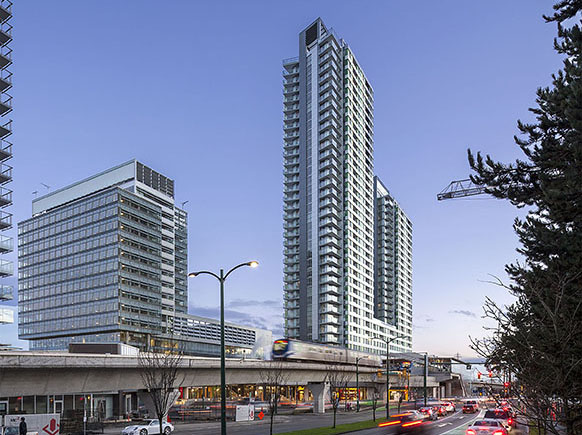
The Gateway Building rises 13 stories above Seattle’s light rail, integrating transit, architecture, and urban life. Serving as a gateway to the University of Washington, it enhances pedestrian safety and connectivity while offering offices, retail, sustainable features, and public amenities that anchor the district’s evolving identity.
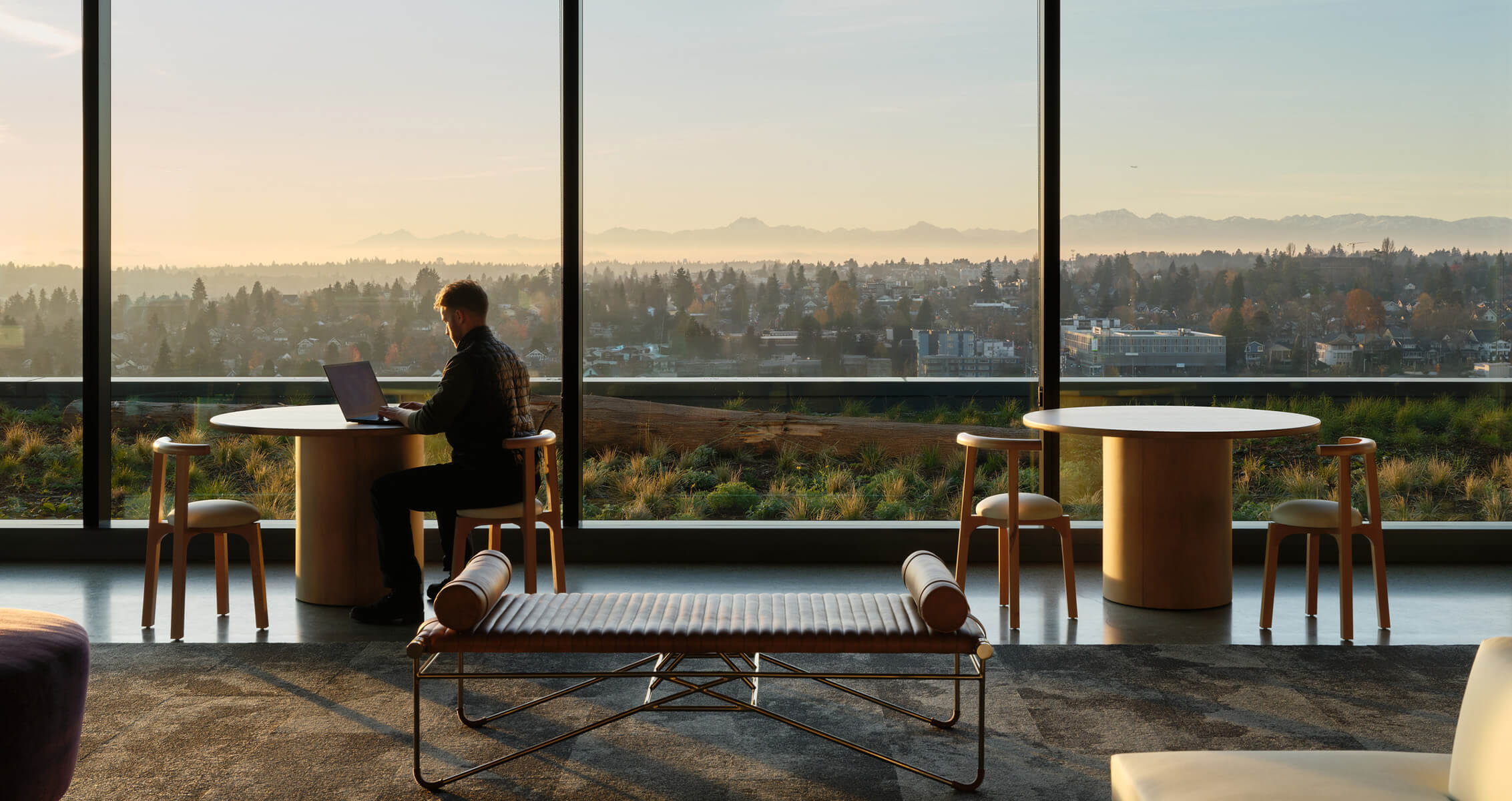
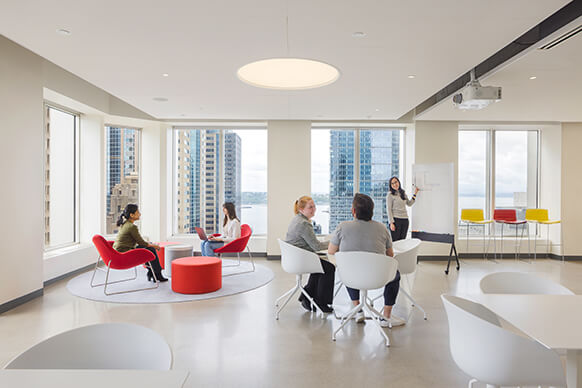
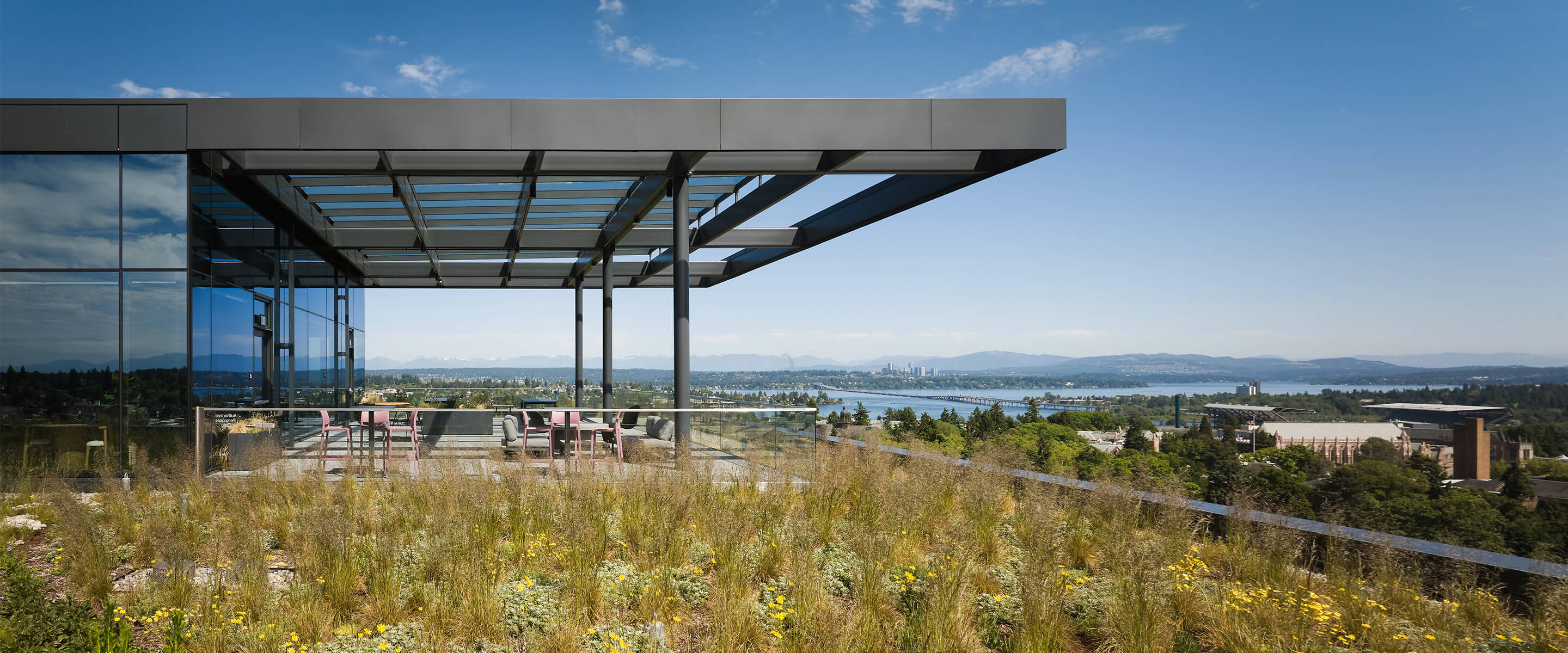
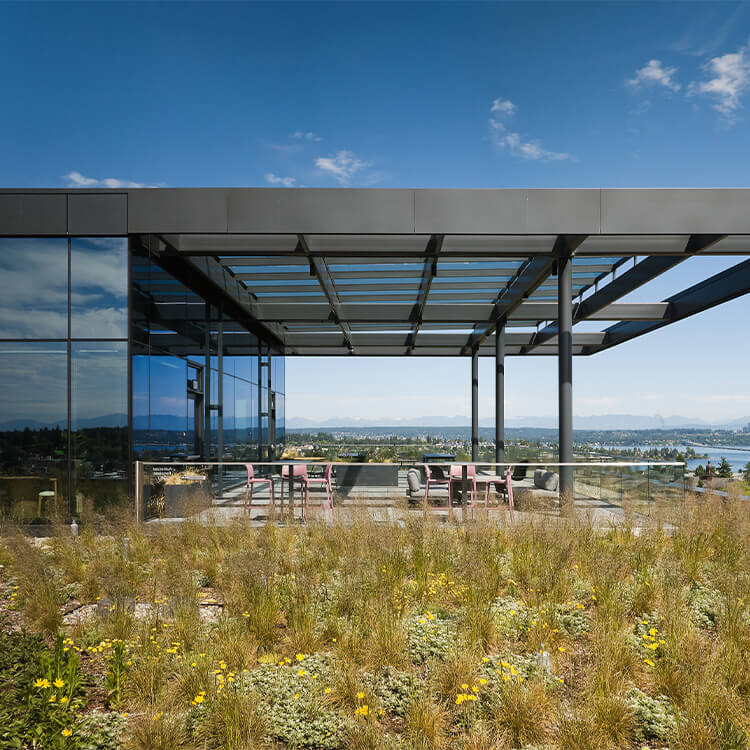
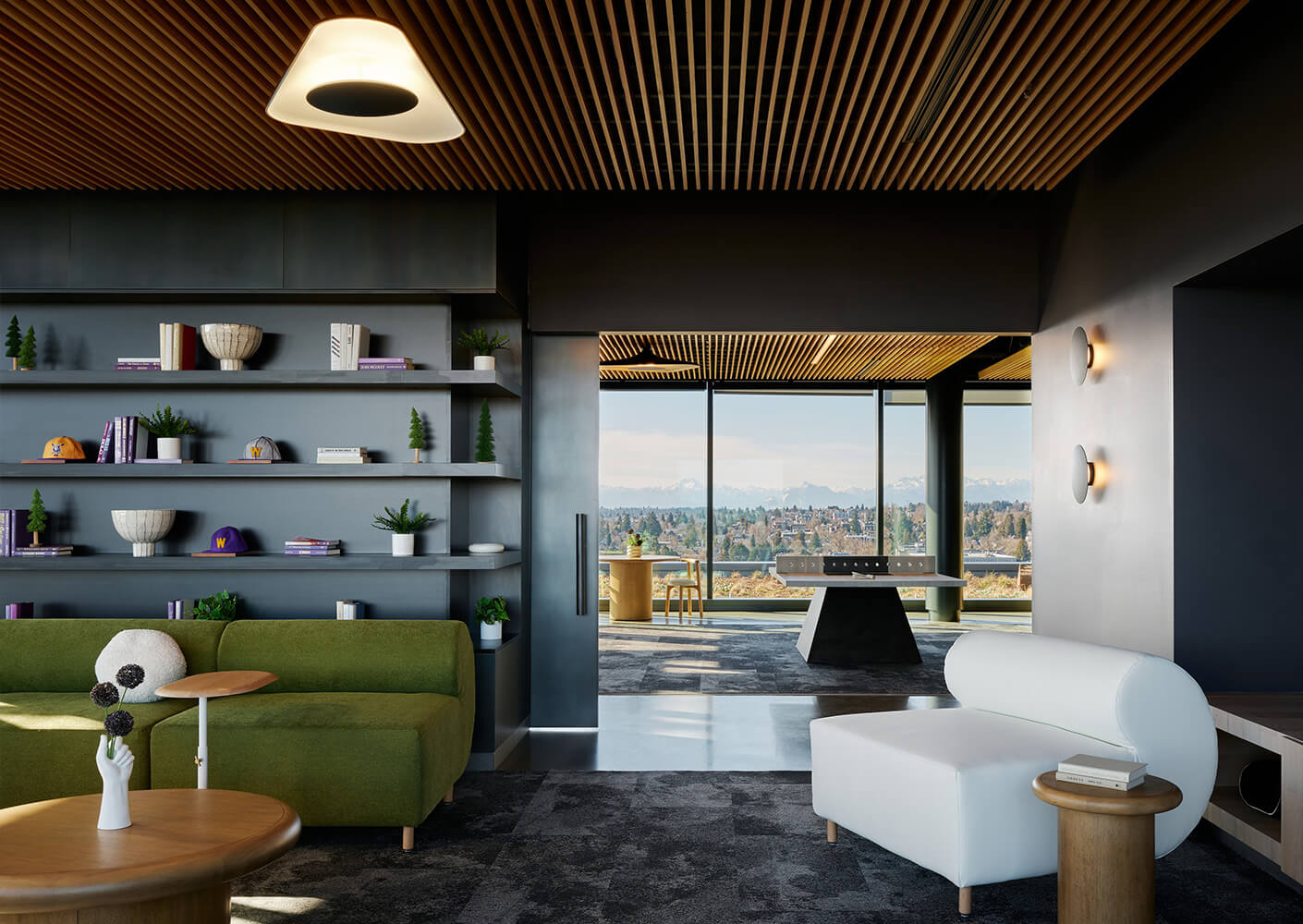
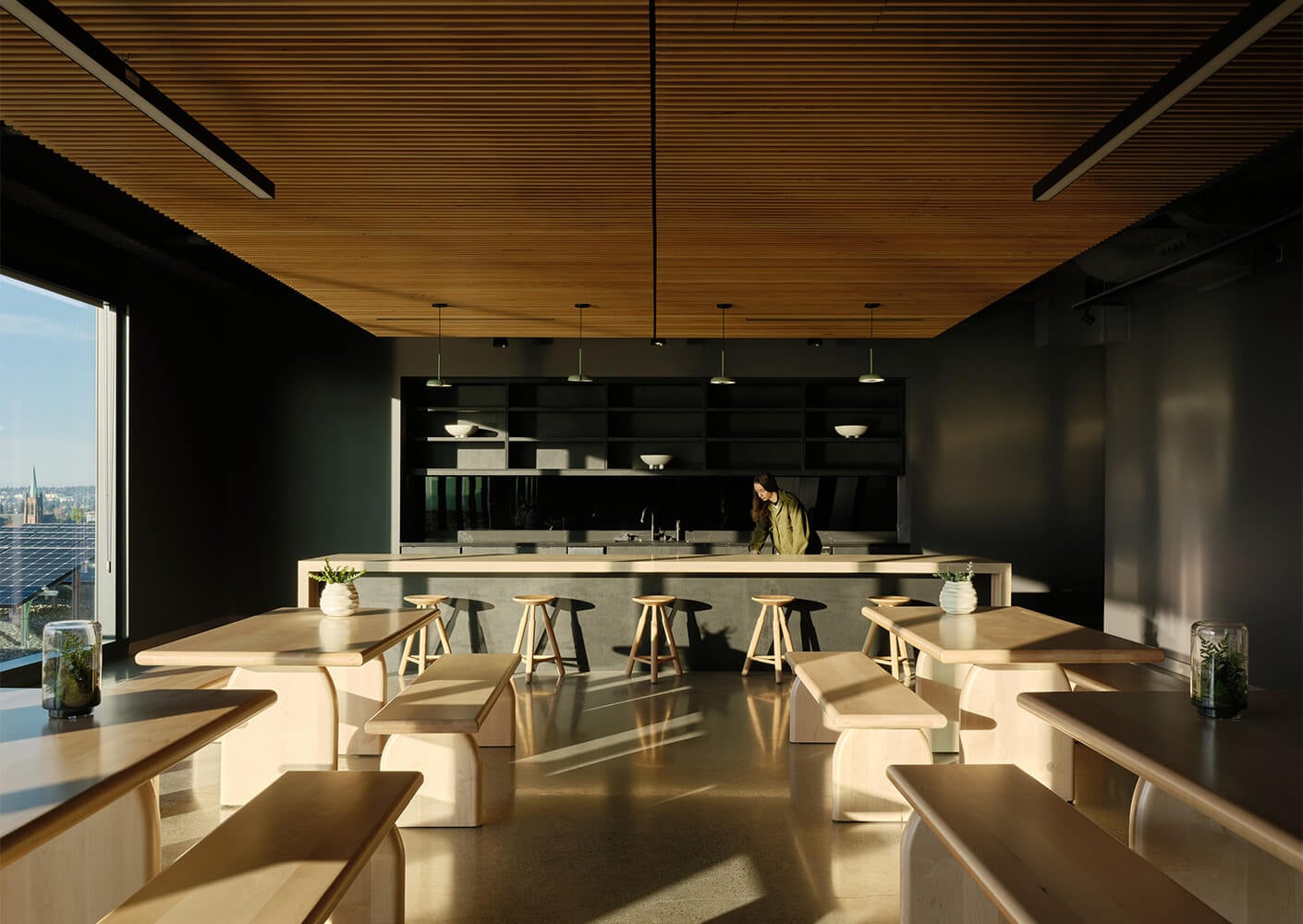
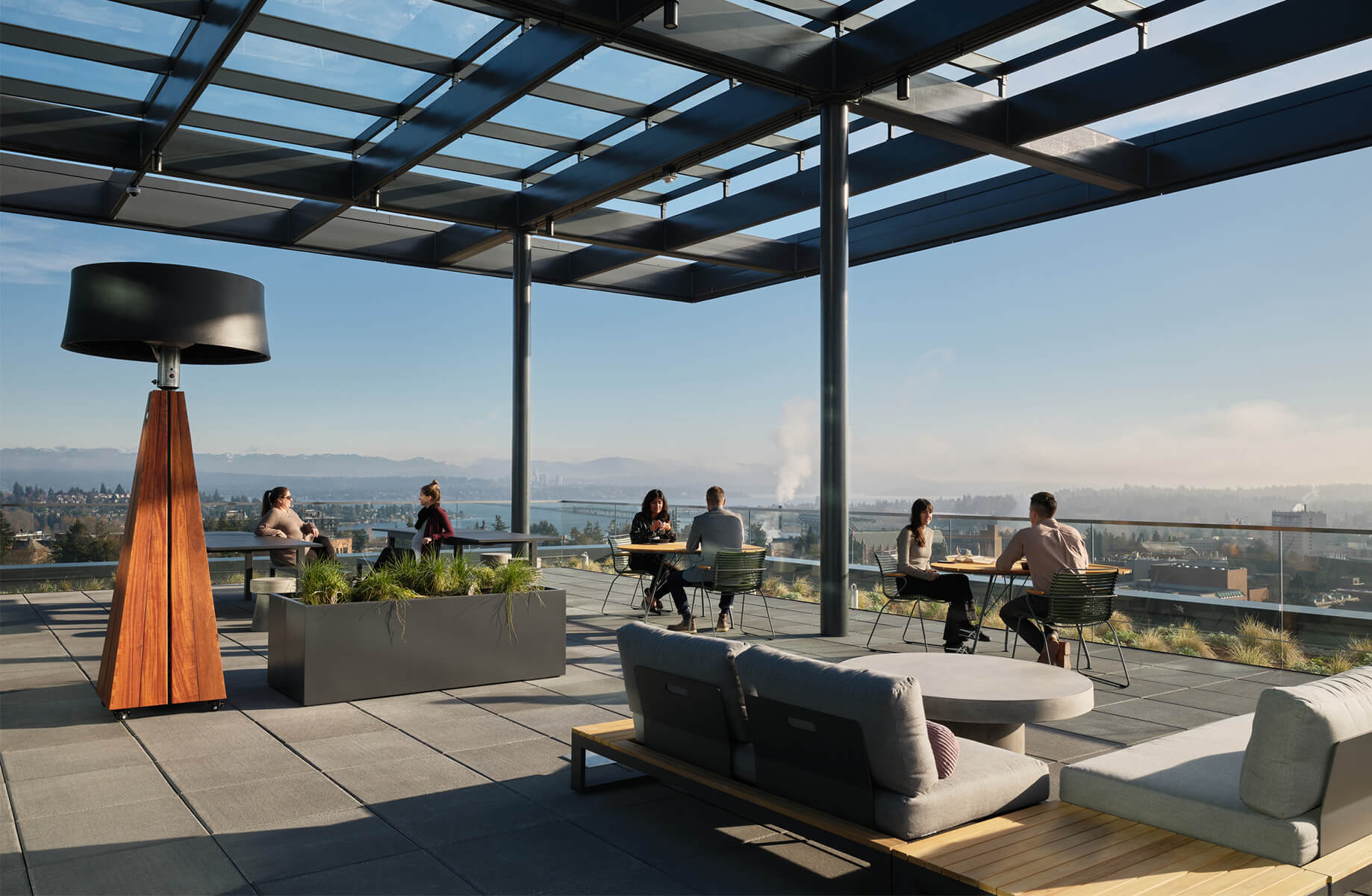
The client’s vision called for a flexible program that could support a single major tenant or multiple tenants simultaneously, while remaining resilient over time. This demanded spaces that were not overly prescriptive, yet rich enough to foster identity, belonging, and community. Key moments, such as the transit-connected lobby and shared amenity level at the top of the tower, serve diverse users while reinforcing a sense of arrival and inclusivity.
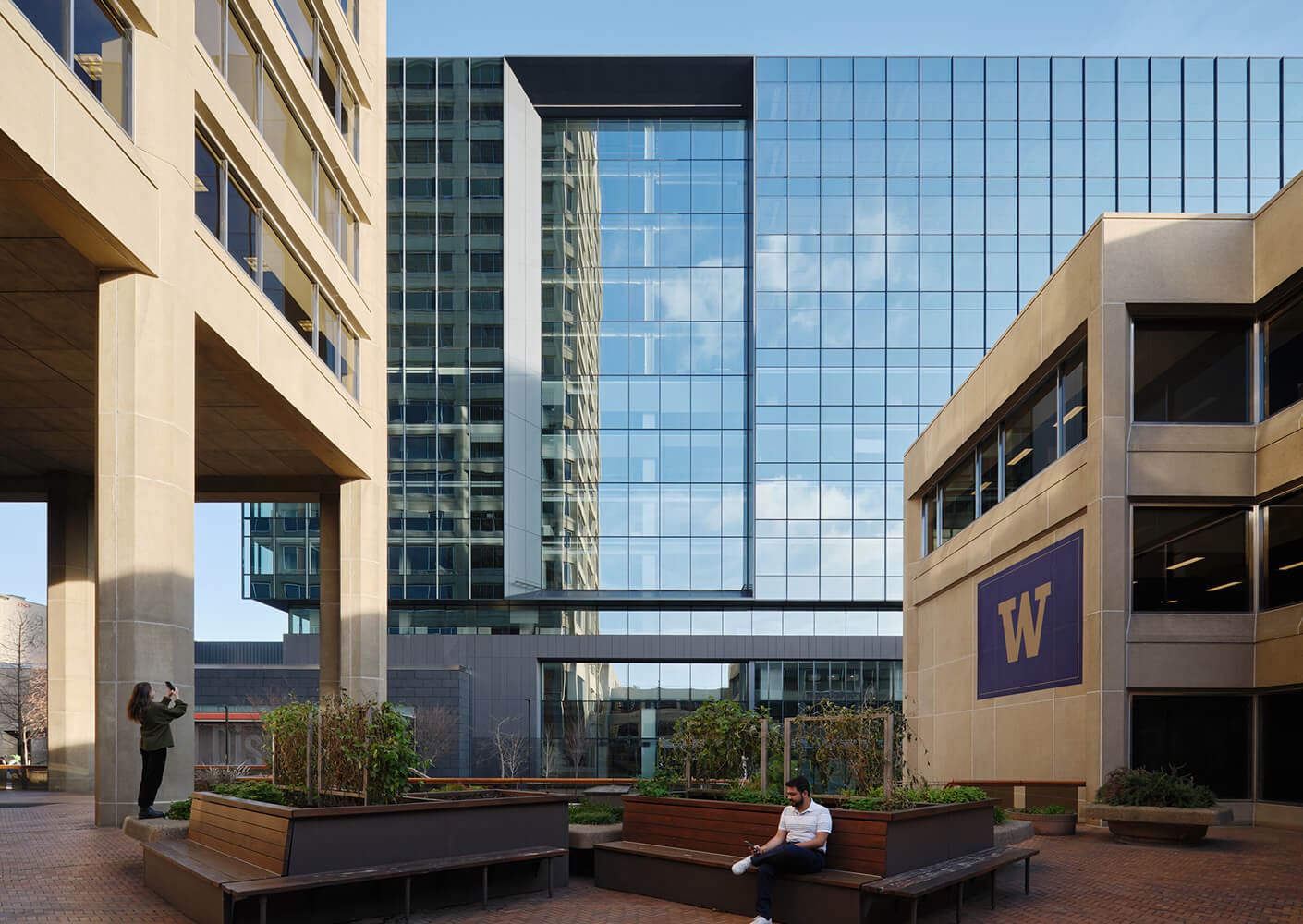
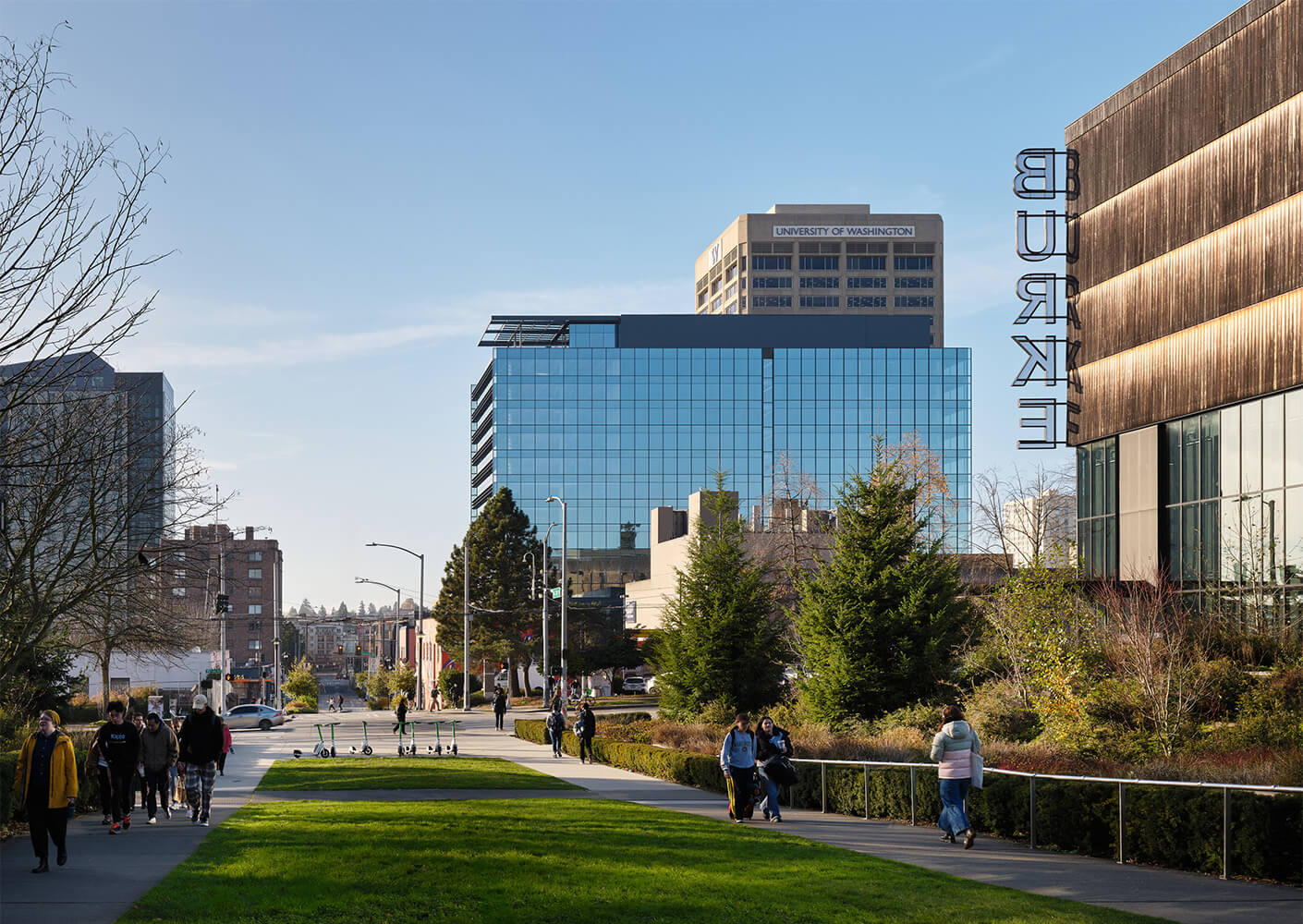
Building over an active light rail station presents a unique set of challenges. The design team worked closely with Sound Transit to ensure seamless integration where the two structures connect, aligning with their requirements and minimizing any impact on the station, while the general contractor expertly sequenced activities to keep pedestrian access open and transit operations running smoothly.
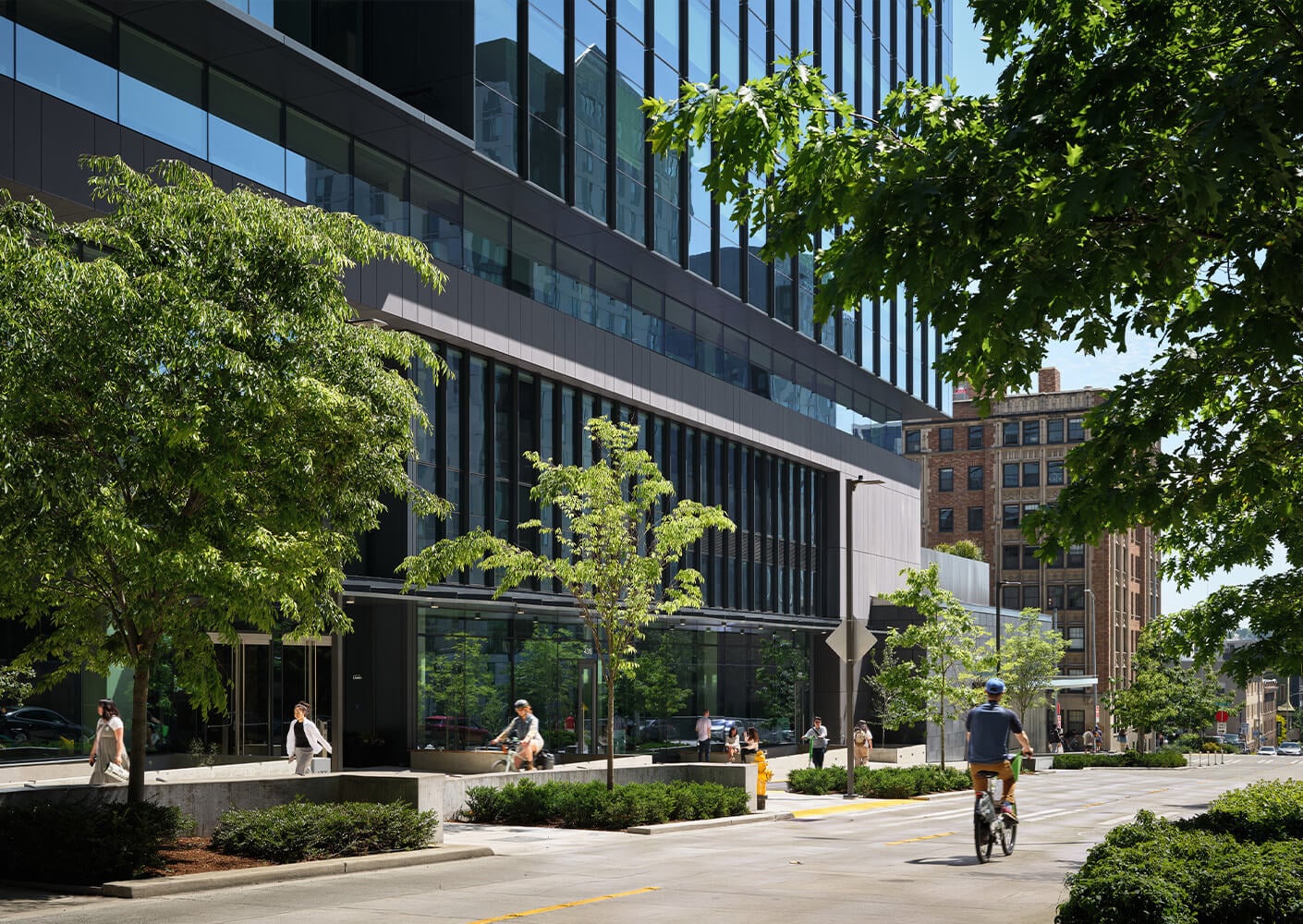
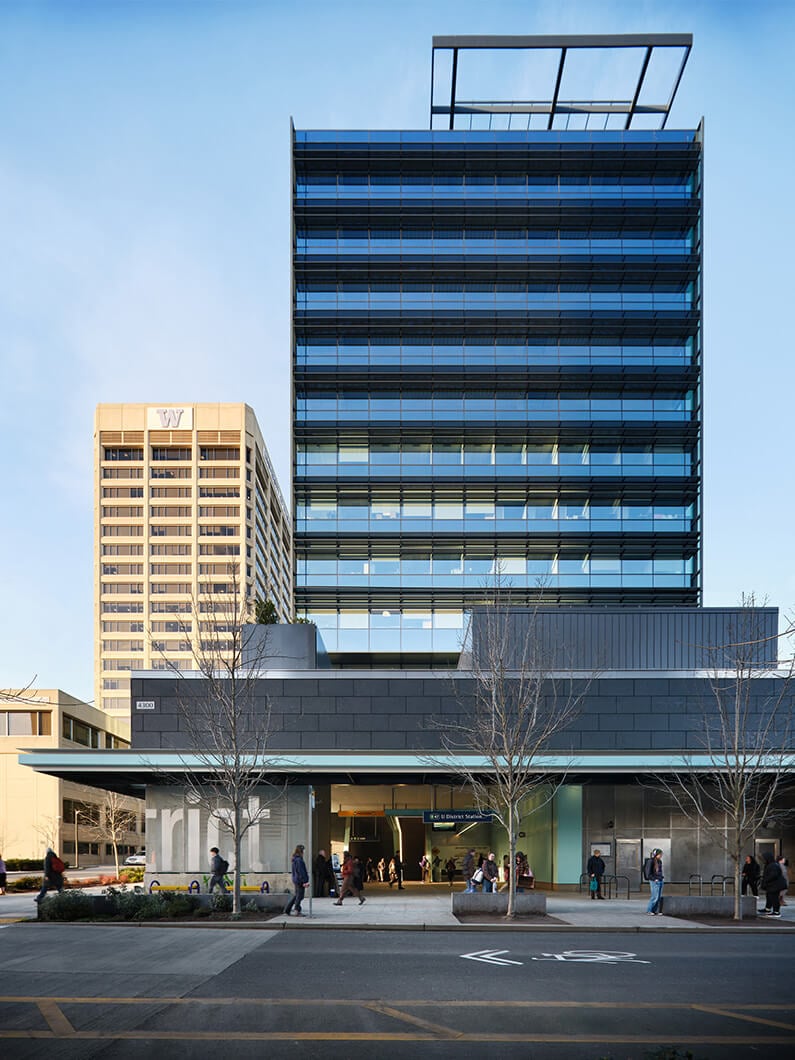
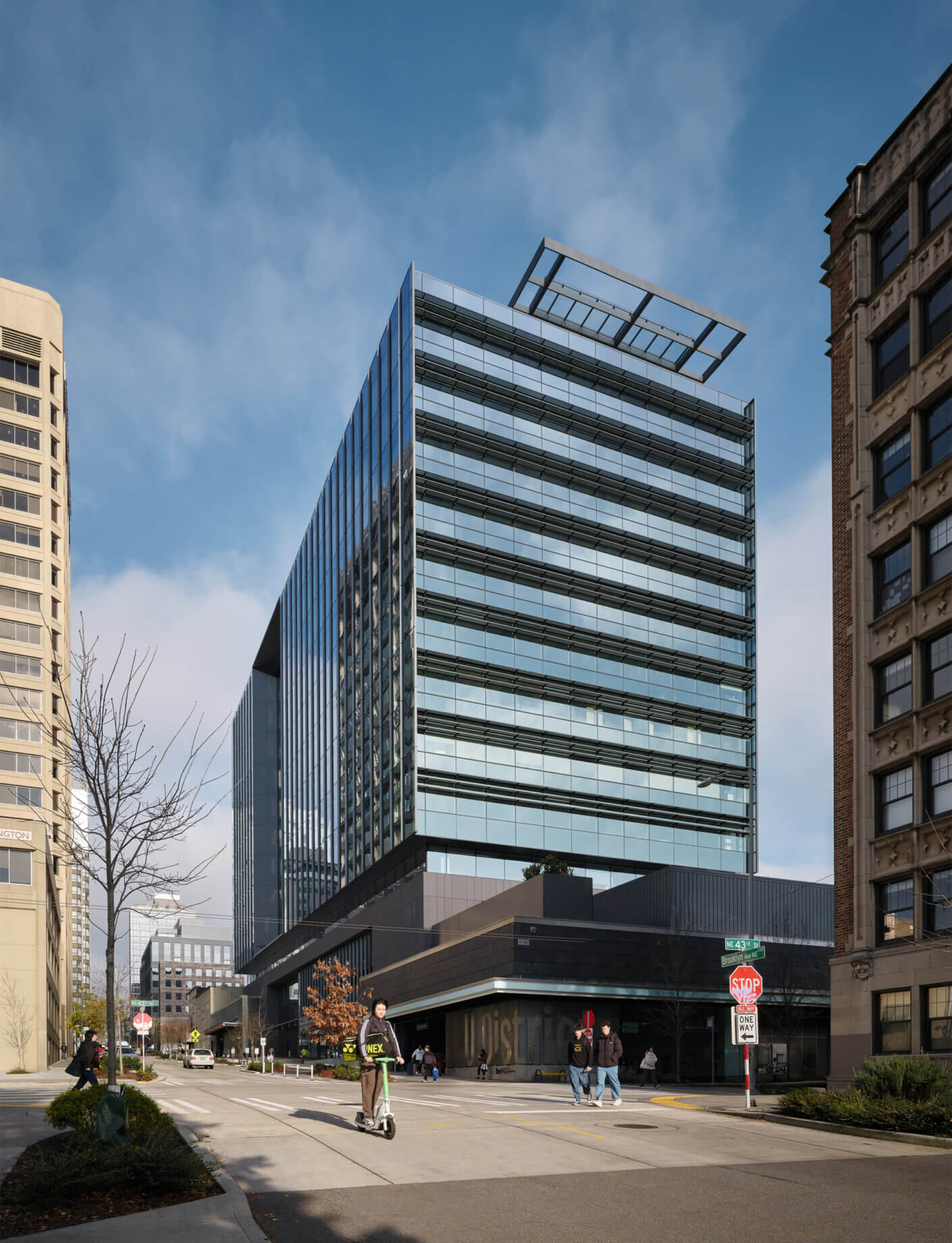
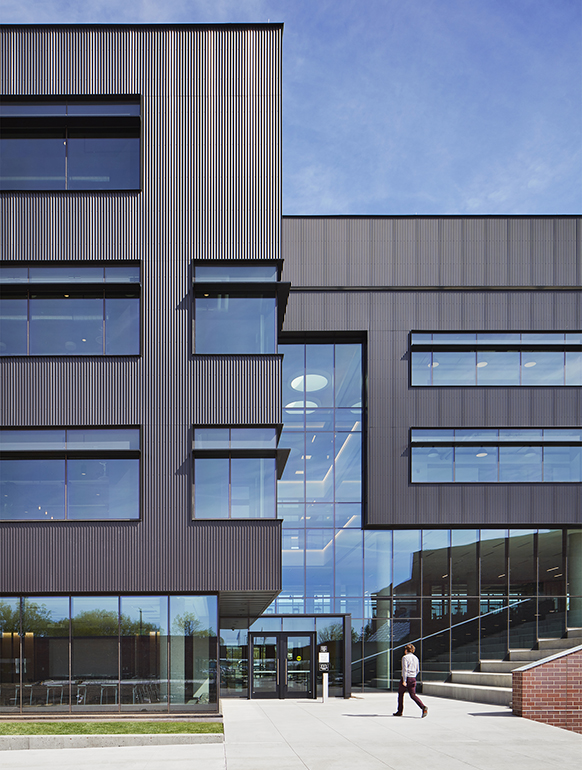
The design seamlessly integrates with the neighborhood’s evolving greenbelt, enhancing the pedestrian experience. Thoughtful setbacks, active ground-level spaces, and a welcoming streetscape reinforce its role as a gateway, strengthening the connection between the university and the surrounding district. Beyond its physical presence, the Gateway Building serves as a bridge between academia and industry.
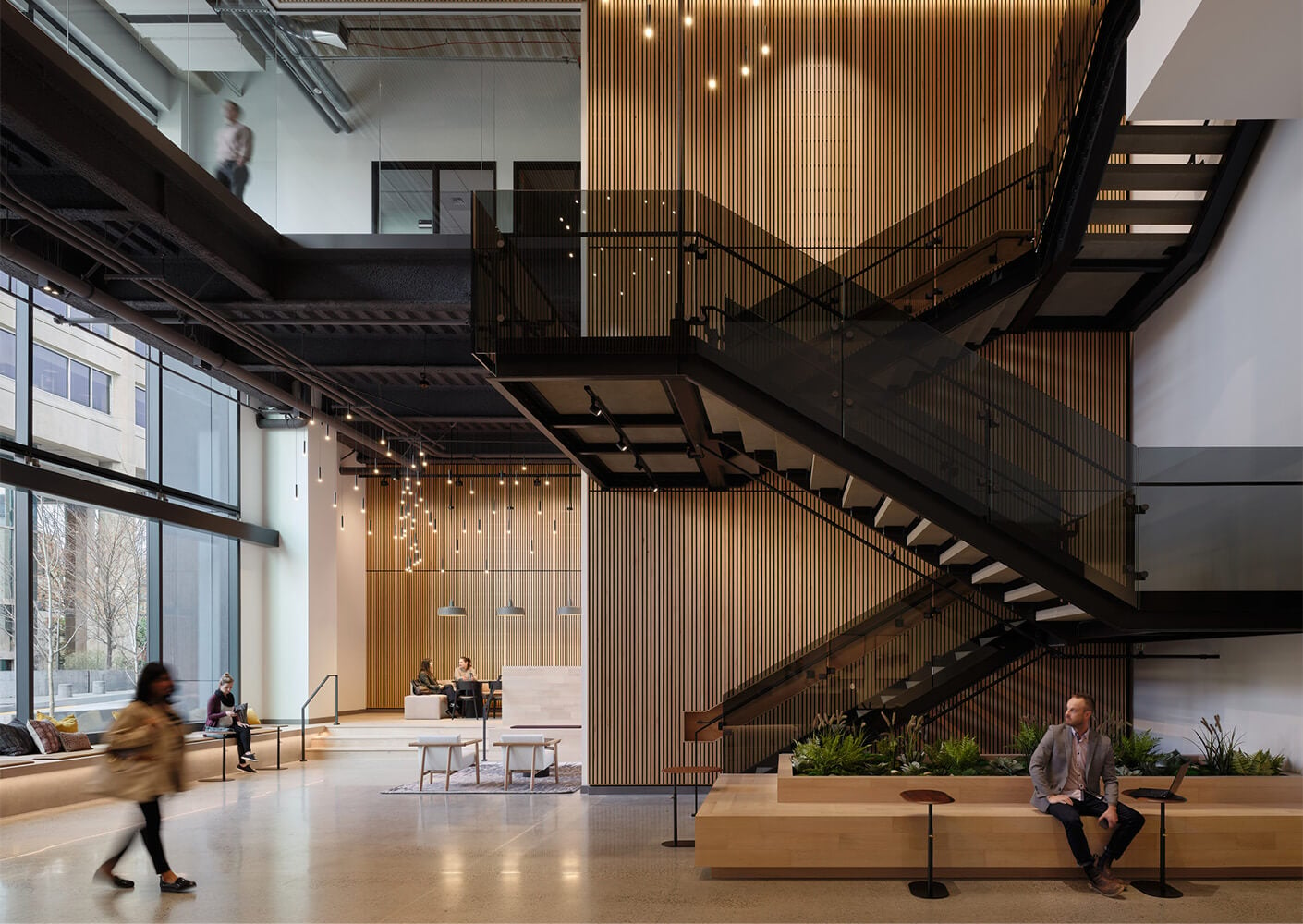
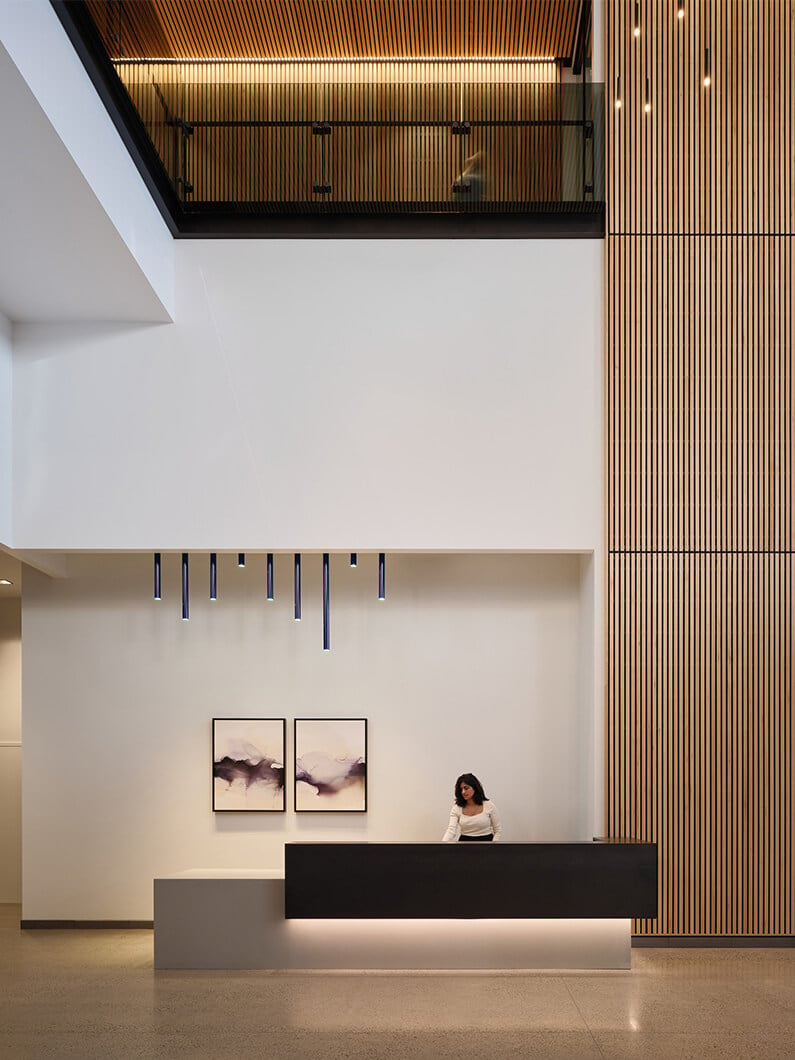
The Gateway Building addresses the complexity of its transit-oriented site through a series of deliberate, human-centered design solutions. Positioned directly above the U District Light Rail Station, the building transforms infrastructure into experience by creating a clear and welcoming vertical sequence from transit to workplace. Material choices provide both durability and warmth: white oak millwork, hot-rolled steel, and integrated greenery create spaces that feel grounded and resilient, while aging gracefully over time.
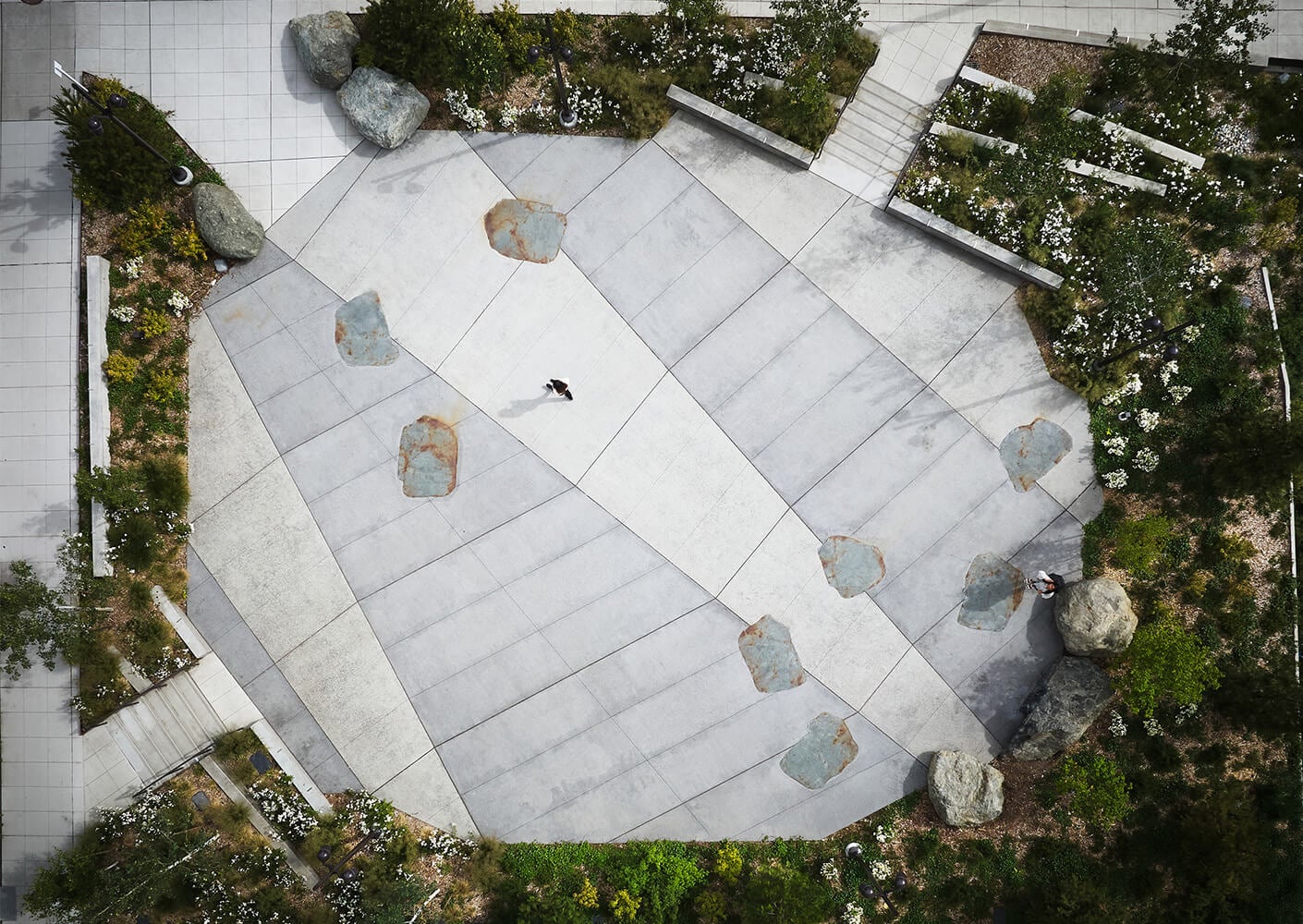
The pocket park and landscaped streetscape extend these experiences into the public realm, creating moments where pedestrians, vegetation, and urban wildlife coexist to transform an urban gateway into a living, breathing environment.