Head to the Heart January 14, 2026

A treatment center for traumatized children imagines the ultimate therapeutic environment
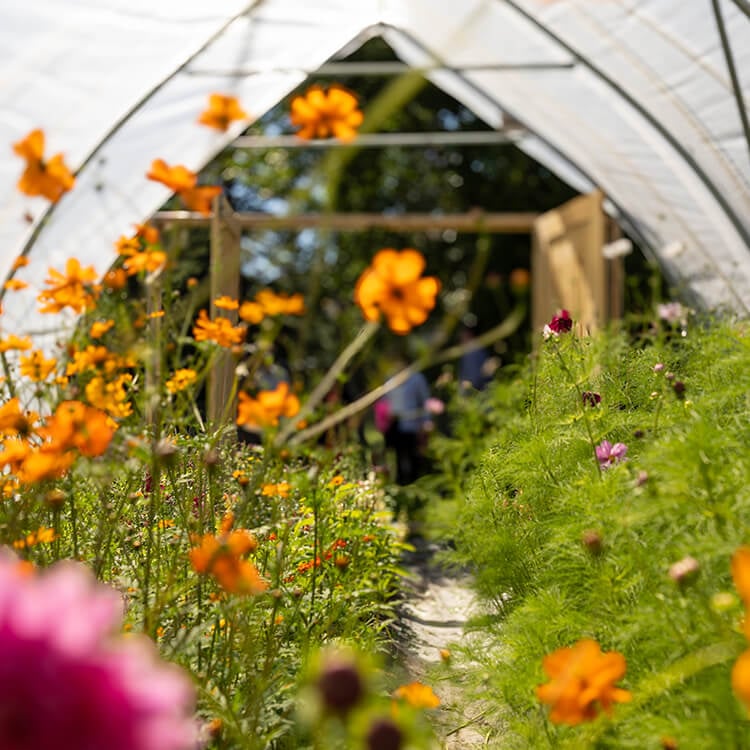
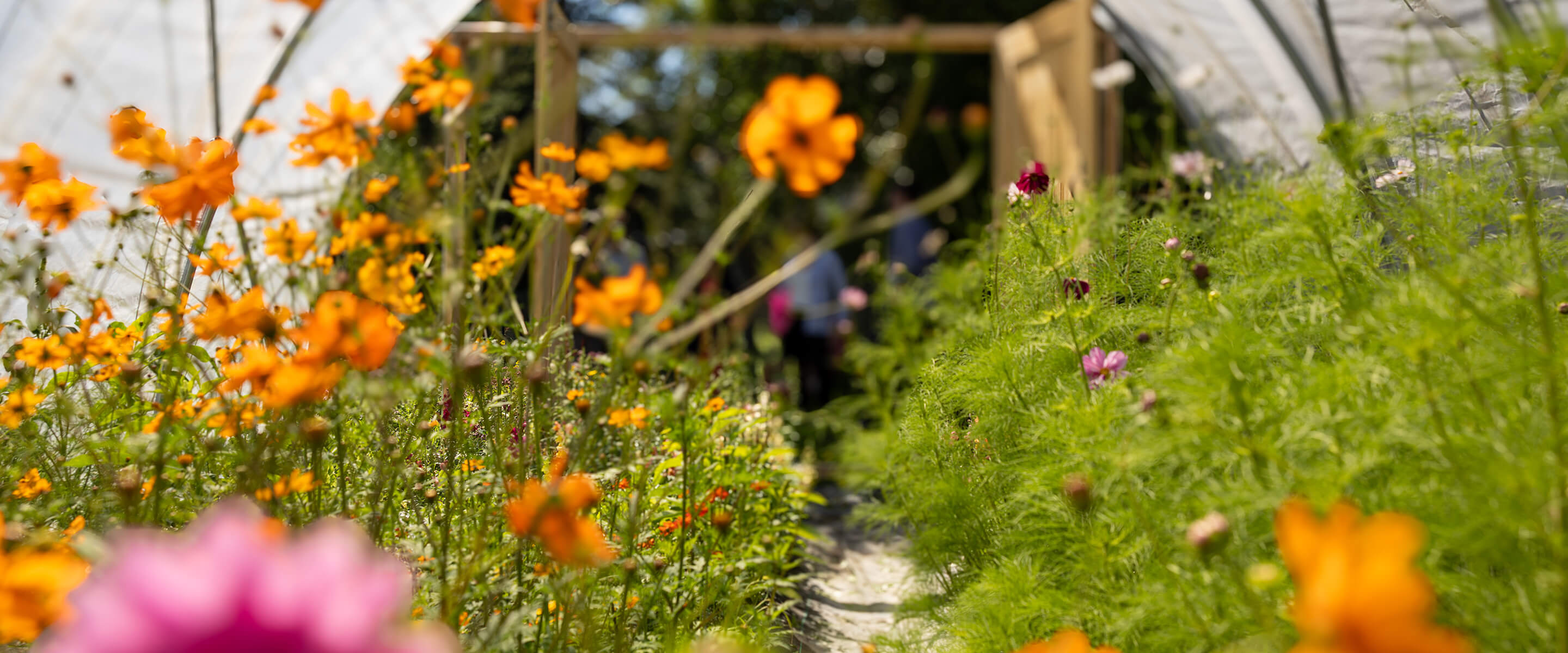
Colorful wildflowers in a sunlit greenhouse path.
Vibrant flowers bloom inside a sunny greenhouse tunnel walkway.

For more than 60 years, Hull Services has provided support to children and families coping with mental health and behavioral challenges in Calgary, Canada’s third-largest city. Most are there by choice; some by court mandate. “These are kids who have often experienced complex trauma and struggled through multiple, less restrictive programs at school and at home, which means they need more intensive support,” says Dr. Emily Wang, a clinical psychologist and Hull’s senior director of clinical services. “We know that if we don’t have enough safety and predictability in our environment in our early years of development, our brain chemistry is impacted and our ability to regulate our emotions and behavior becomes a lot more difficult.”

Smiling woman standing in doorway with trees reflecting in the window.
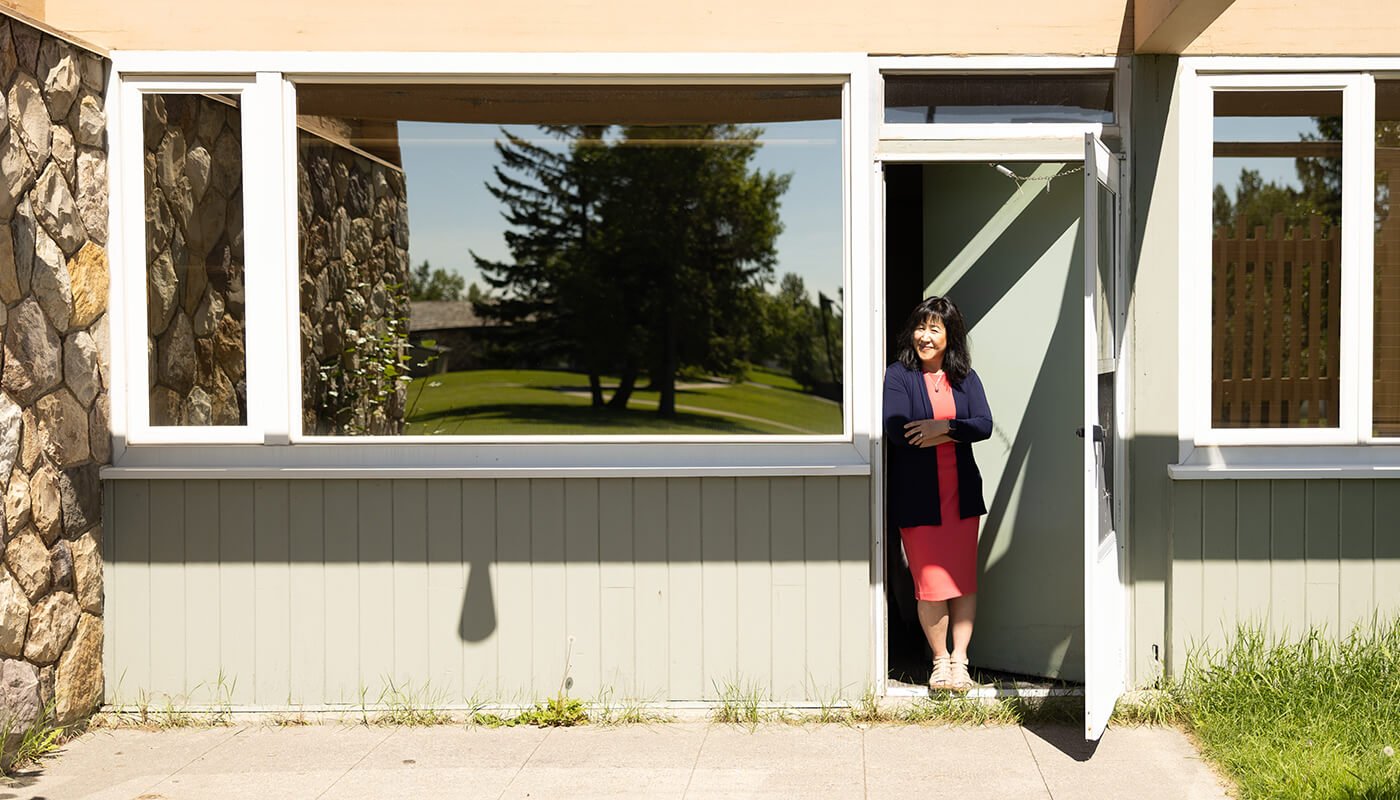
Dr. Emily Wang at her office in the campus’ Administration Building

It’s tough work. But thanks to William Roper Hull, an entrepreneur and philanthropist who donated the land and resources in 1925, Hull operates from a 28-acre campus in southwest Calgary. Its facilities include a secure building for young people who pose a danger to themselves or others, campus-based live-in treatment programs, and a school for grades one through 12. Its $50 million CAD (~$35 million USD) budget, largely government-funded, allows approximately 900 full- and part-time staff to support more than 8,000 children, youth, and families a year, offering programs both on- and off-site.

Recently, Hull Services staff had the opportunity to collaborate with a local design team to rethink their entire campus with the goal of creating a holistic vision of trauma-informed care. “Our hope is to create a regulating environment as much as possible through the design of the environment itself,” Wang says.

“Our hope is to create a regulating environment as much as possible through the design of the environment itself.”
Emily Wang, Hull’s senior director of clinical services
Farm-Fresh Therapy

This ambitious vision began with Vaden Somers, a longtime instructor at Hull who thought a small farm might provide another form of therapy. Six years ago, he installed the first vegetable beds. The Subnivean Farm—subnivean is the protected habitat under the snow layer where small animals thrive—quickly expanded to a quarter-acre and now includes cut-flower beds, a berry patch, and an orchard. In addition to 4,000 pounds a year of farm-fresh produce, which is distributed to families and used in the school’s dining hall, the urban agricultural program has other benefits.

“If a student gets into a conflict, the counselors are able to bring them to one of the regulation stations,” says Somers. “For example, there’s a big bin of soil that needs to be sifted for seedlings. If a kid is dysregulated, a counselor can say, ‘Let’s go sift some soil.’ The repetitive work helps with regulating the limbic system [the part of the brain that processes emotions] so that the reasoning part of the brain can engage. Or they can move some soil bags, which activates the vestibular system [responsible for balance], which helps them regulate.”

Man walking by a greenhouse and vegetable garden.
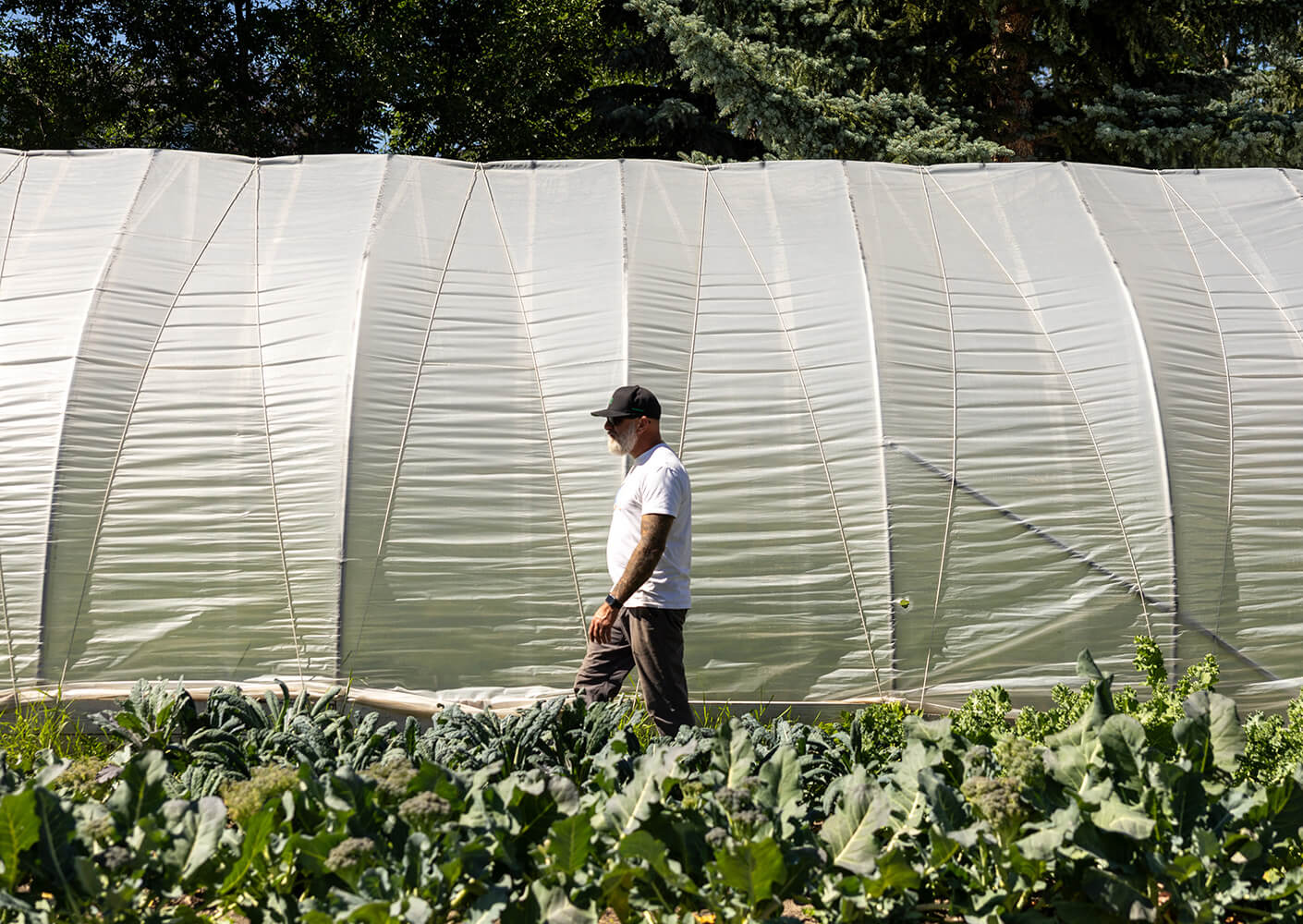
Vaden Somers at the Subnivean Farm
“If a kid is dysregulated, a counselor can say, ‘Let’s go sift some soil.’”
Vaden Somers, a longtime instructor at Hull

The therapeutic value of the farm, along with its ability to build community through campus farm-to-table dinners, soon became apparent. Hearing about Somers’ desire for a centralized farm educational building, his friend Joe Crawford, a designer, offered free design help, available to nonprofits through his firm’s Social Purpose program.

Around this time, the Hull administration began thinking about what to do about their aging facilities. About half of the original buildings needed to be replaced or substantially renovated. Crawford’s rendering of a farm outbuilding became the catalyst for what came next: “We started thinking, ‘What if we transformed the campus from how it was designed 60 years ago to a modern-day healing campus?’” says Dan Hornsberger, Hull’s director of infrastructure. “We could tie in everything that we’ve learned about trauma-informed care, the work that we do with our Indigenous resources, different therapies, and growing food, and combine that all to revolutionize the campus.”

A man standing outside a stone and wood building with a large shingle roof.
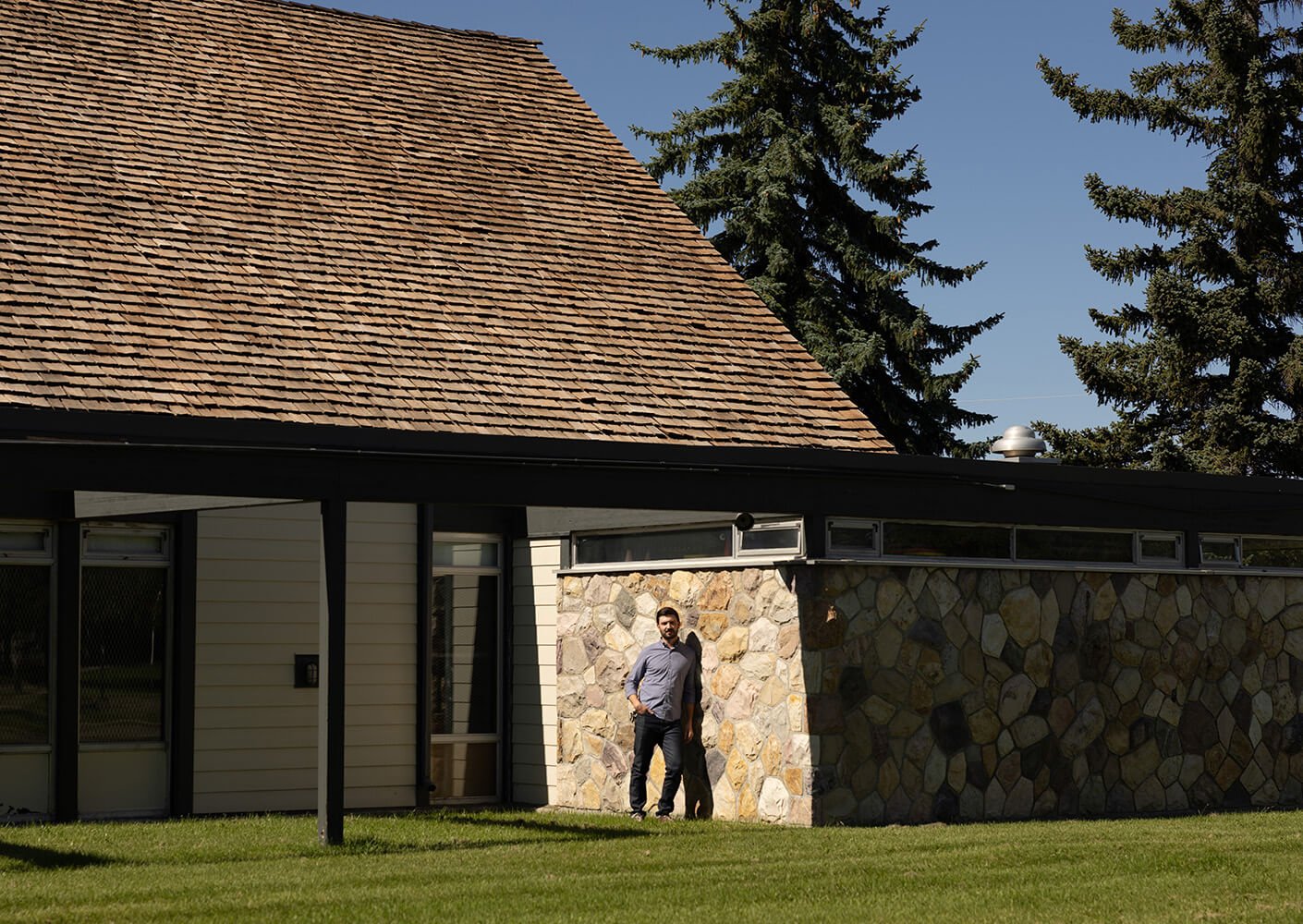
Dan Hornsberger outside the Gymnasium
“We could tie in everything that we’ve learned about trauma-informed care...to revolutionize the campus.”
Dan Hornsberger, Hull’s director of infrastructure
Healing Utopia

Taking advantage of the interest and momentum, the plan was formulated in a matter of months. A group of Hull staff and key community members came together for a series of workshops with Crawford and his colleagues. Together, they developed four guiding ideas: Indigenous ways; rewilding and ecological momentum; resilience and regeneration; and trauma-informed campus design. Using these pillars, the design team created a concept plan for the campus, which will be fleshed out in the next phase of design.

In broad strokes, the plan emphasizes connection to nature and a sense of belonging. It changes the physical layout, organizing many of the buildings in a wheel around a large central gathering area. The open spaces are reconceived as ecologically rich natural landscapes that represent the region’s diverse ecosystems. The plan also moves the administration building from the far side of campus to a new location by the main entrance, improving accessibility and reducing car traffic across the site. And the farm will be extended: The program and the administration buildings will get their own food production beds.

Man walking between lush green vegetable beds on a sunny day.
The farm provides fresh produce to the campus dining hall and local families, and is an important component of Hull’s therapeutic program.
Trauma-Informed Design

On a more granular level, the goal is to provide kids with a predictable, controllable environment that is consciously non-institutional. “They should be able to choose whether they want to be inside or outside, seen or not seen, close or not close to people,” Wang says. Some simple examples are being able to decide whether you have your back to the window or face a window, and being able to move your seat to be closer or farther from others.

And interwoven through the entire design will be a focus on Indigenous culture, values, and perspectives. About a third of the families and youth that Hull Services supports are Indigenous. Hull has responded by offering specialized programs, including one that helps Indigenous families recognize and cope with intergenerational trauma. Sacred ceremonies occur once a month in the campus sweat lodge. Among the various ways of deepening Hull’s connection to Indigenous culture, the redesign will integrate medicinal plants and signage in an Indigenous language. “This project is about building a future that goes beyond a simple acknowledgment,” says Crawford, who is himself a member of the Métis Nation of Alberta. “It’s about Indigenous and non-Indigenous people working together to repair the land as a means to healing the children and the community.”

“Hull had a dream, which he had to create himself to make it happen,” says Casey Eagle Speaker, Hull’s Indigenous Elder, who has been with the agency for nearly 30 years. “It’s a dream that could come true, not only here, but in the broader community—a dream of what it could be like to live in harmony, with equity and inclusion.”

Older man looking up in a forested area with white outbuildings
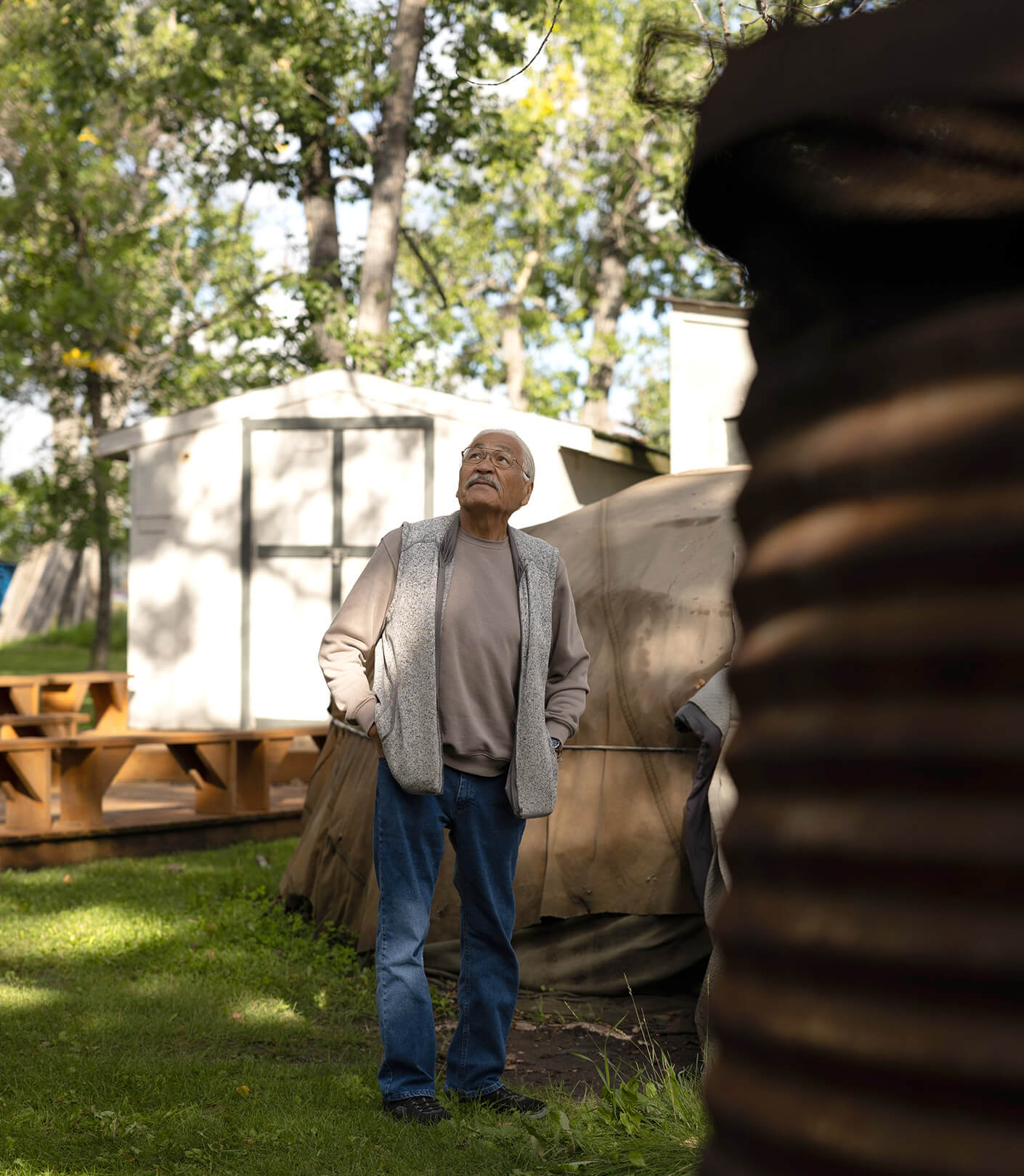
Casey Eagle Speaker, Hull’s Indigenous Elder, in front of the campus sweat lodge, looking at a bird
Hull Services specializes in the neurosequential model of therapeutics, a novel approach to addressing complex mental health problems, and offers programs on its campus as well as in other locations throughout Calgary. Learn more >