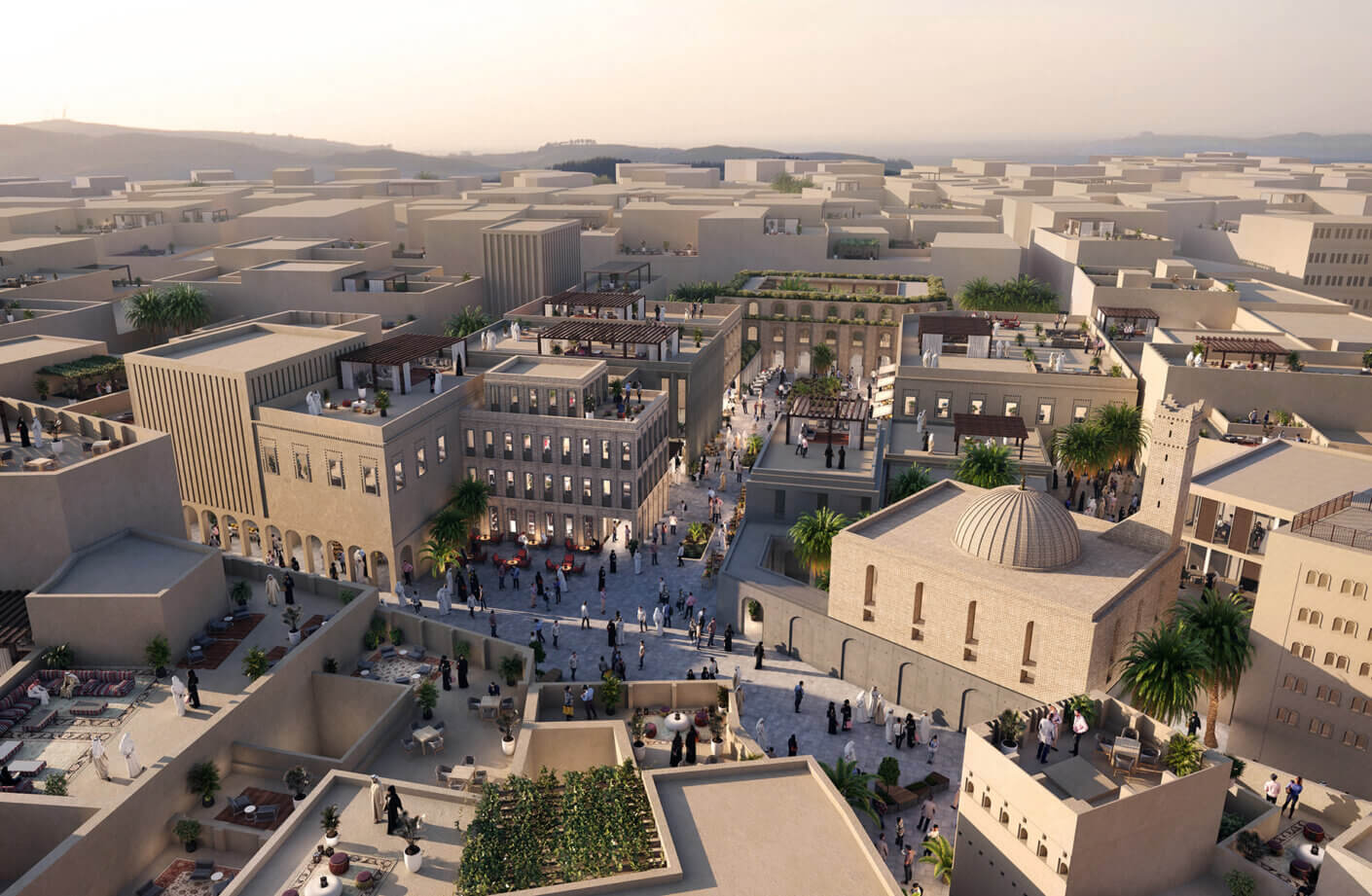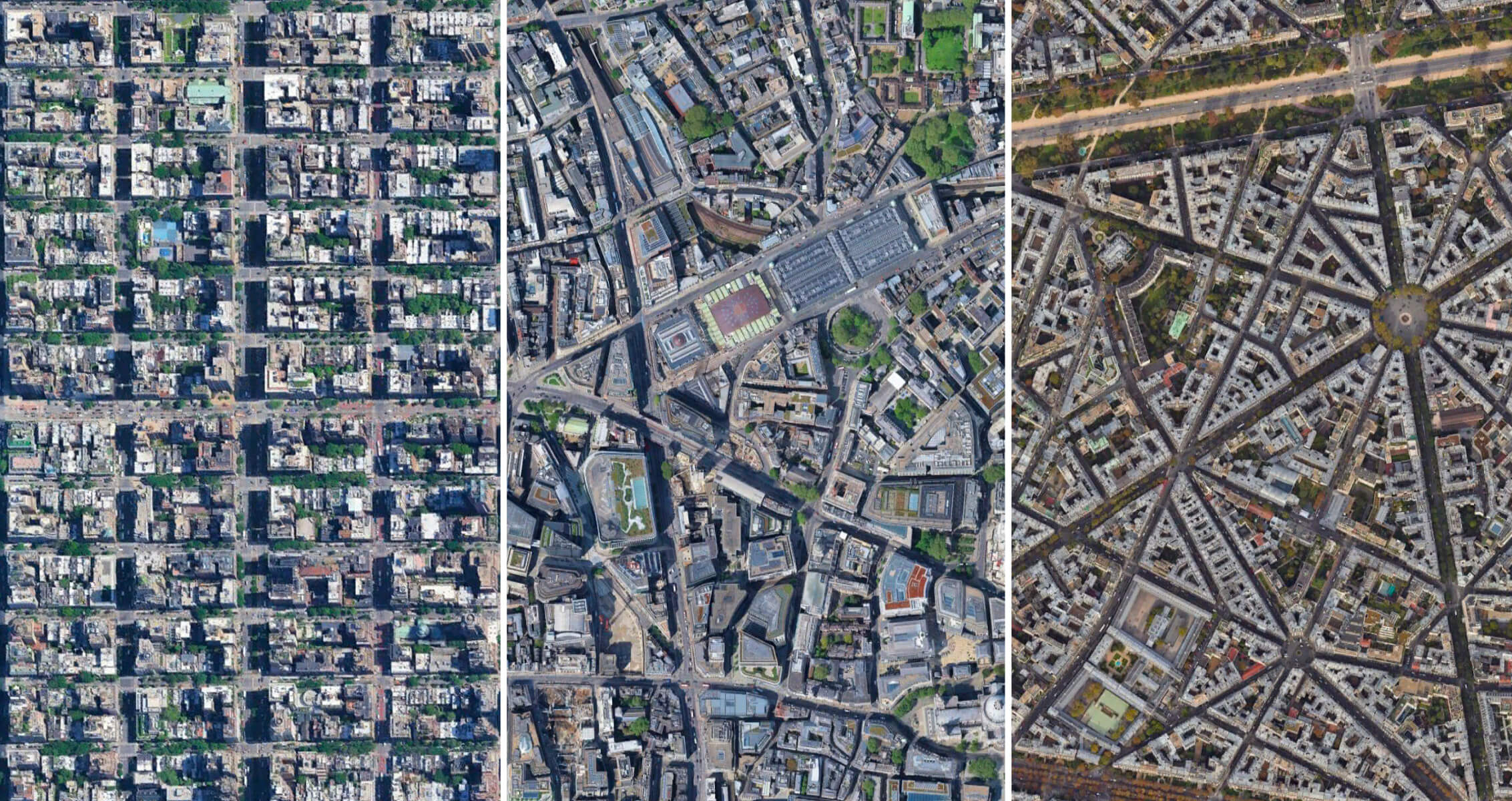
As urban designers and architects, we are frequently asked why we can’t currently build places that have the feel, human scale, and pedestrian connectivity of the older parts of historic cities. Think London, Paris, or even Manhattan. The answer is that we can, but prevailing subdivision regulations usually restrict us from doing so.
Today’s conventional city planning methods rely on centralized control and projected land-use zoning. This approach tends to lead to disconnected, unwalkable suburbs characterized by vast tracts of land dedicated to singular purposes—residential here, commercial there, etc. Contrast this with more traditional urban forms where you have homes, businesses, schools, cultural institutions, parks, and more all mixed together in close proximity, sometimes one atop the other.
The centralized approach is prevalent in modern cities across the globe where development regulations legally preclude the emergence of diverse, adaptable, and vibrant urban fabrics.
It doesn’t have to be this way. It is possible to devise subdivision ordinances that draw from the spatial intelligence of historic urban forms by reintroducing incremental urbanism as a dynamic planning tool. Incremental, or what we like to call operationally organic development, does not need a central regulatory authority projecting land-uses across zones. In other words, it moves us away from conventional, top-down land-use planning.