Ashley Mar
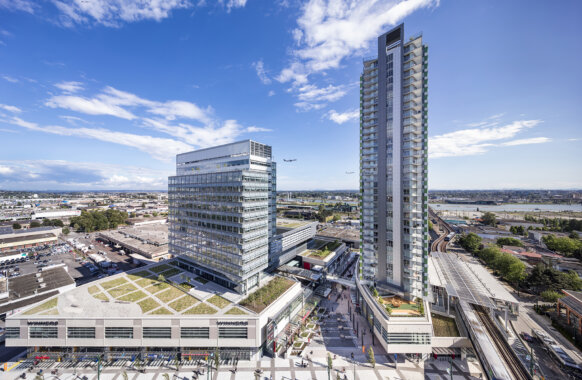
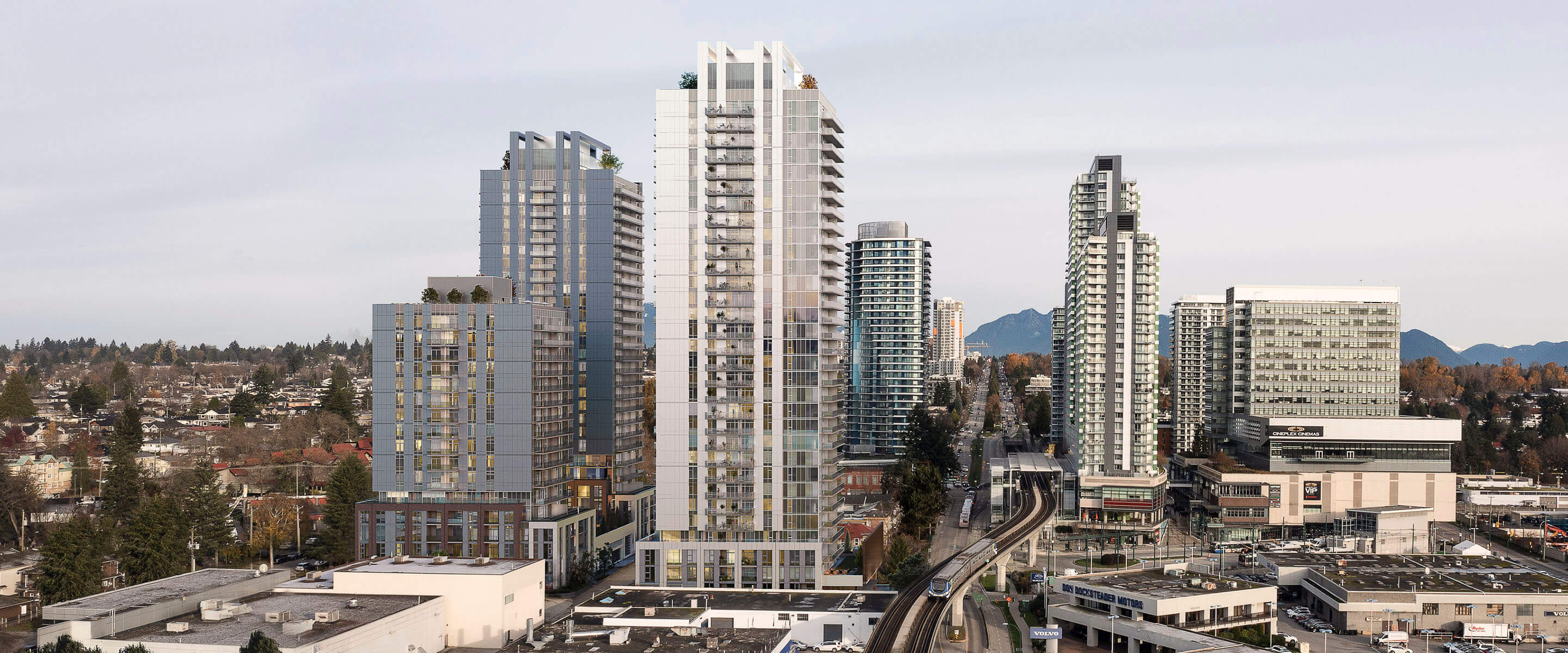
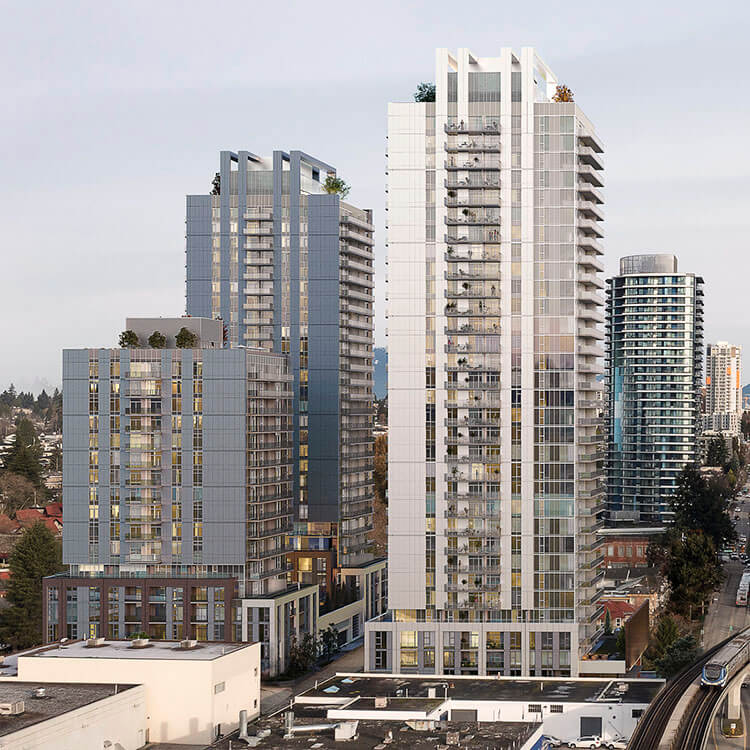
The Ashley Mar Co-op Residential Development is one of North America’s largest co-op redevelopment projects: a deeply personal, community-led vision to reimagine a beloved but deteriorating housing co-op established in 1983. Residents were given the opportunity to shape their own future, working closely with our team and developers to create a vibrant new transit-oriented community. Composed of three related towers connected with grounded podium massing, the development comprises the new co-op, along with secured market rental housing.
Driven by the guiding principle of “About Them, For Them, With Them,” the project emphasizes a sense of belonging, and tells a compelling story of urban transformation—one that balances inclusivity, density, and livability. By pioneering a new model of co-op renewal through market rental, it sets a precedent for how cities can evolve while preserving the communities that define them.
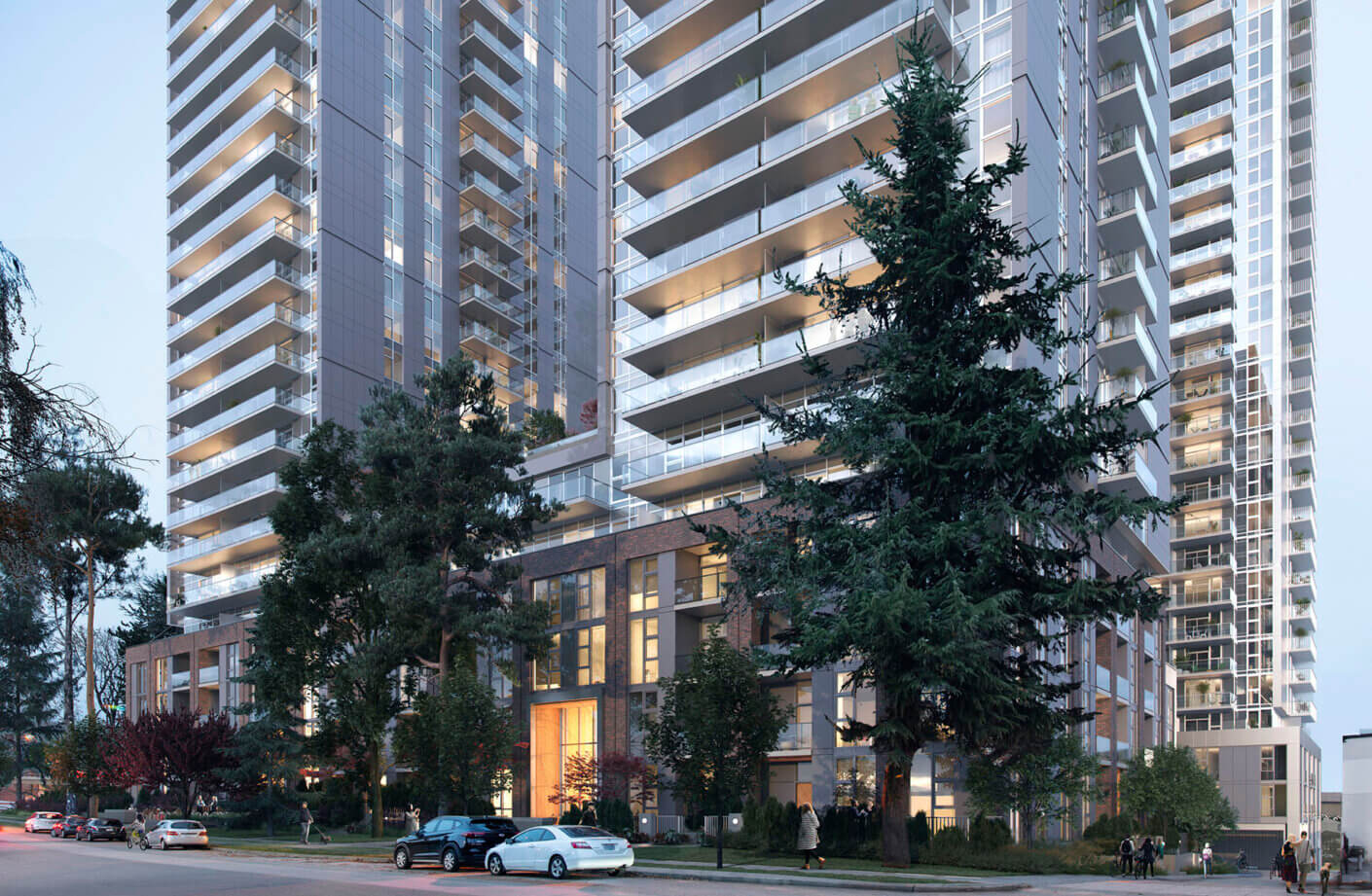
This redevelopment is a testament to inclusivity in the design process. From the outset, the design team engaged directly with co-op members, listening to their stories and understanding their unique needs within the tight-knit community. This approach resulted in solutions that were not only functional but deeply meaningful, tailored specifically to the residents’ lifestyles. Using BC Housing’s Design Guidelines as a basis, 100% adaptable homes demonstrate accessibility, ensuring that future needs for equity and mobility can be met through customizable features. This approach promotes dignity, independence, and the ability to age in place, strengthening the community’s continuity over time.
Social connection was of utmost importance in the design of this new community. By integrating courtyards on various levels, the project offers spaces that encourage spontaneous gatherings and strengthen community. The mid-block connection and communal garden plots provide additional opportunities for residents to interact, share, and build relationships. The design addresses the coexistence of the co-op and market rental towers by offering shared amenities and thoughtful transitions between public, semi-private, and private spaces. This integration of communal areas with residential life reflects the commitment to nurturing a thriving community.
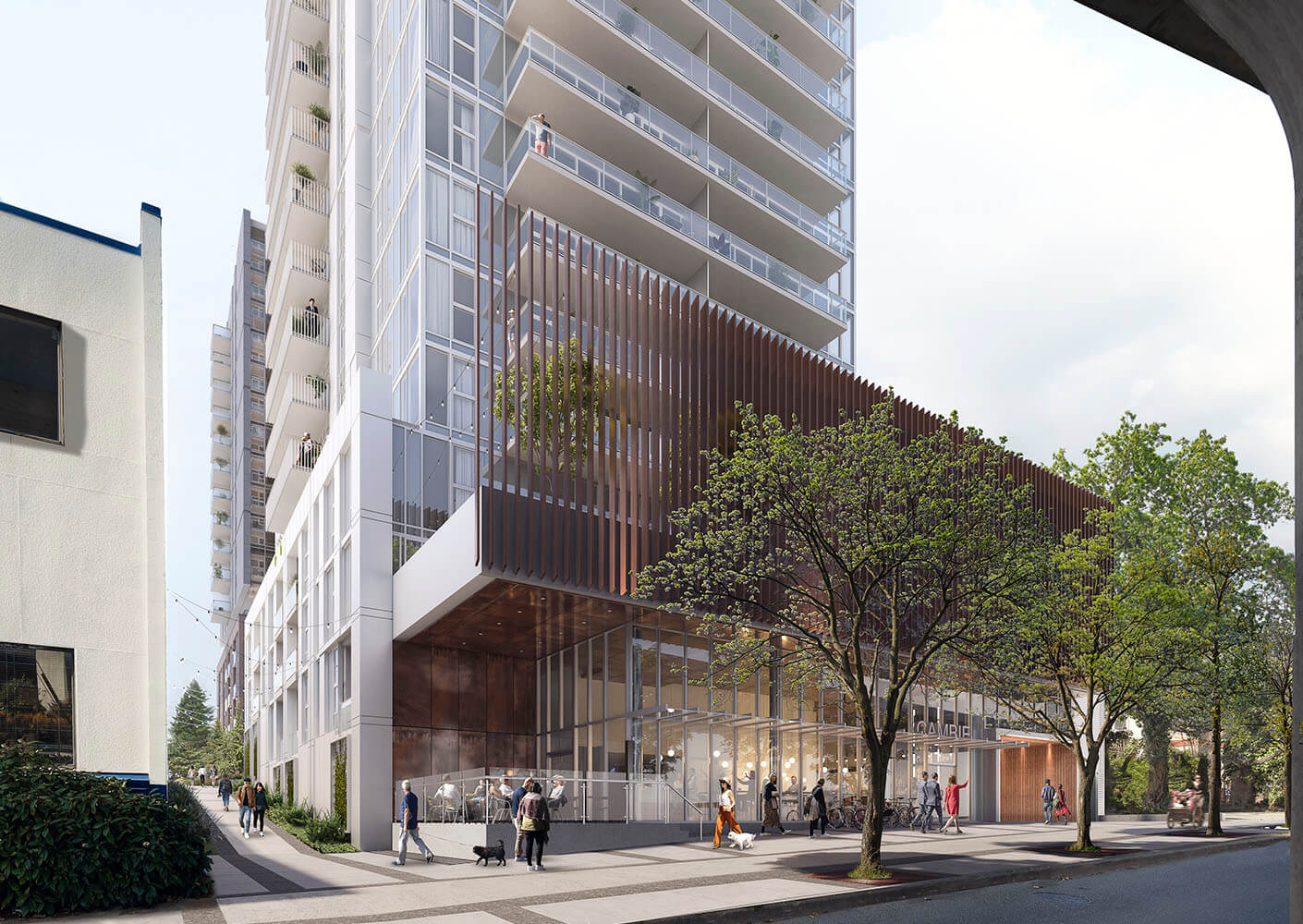
A small civic plaza fronts retail space along Cambie Street and encourages activity at the ground level. In the laneway behind the development, the design prioritizes activation and livability: instead of isolating service functions, townhouses are positioned to face each other across the alley, creating a more residential feel. The use of bollards instead of hard sidewalks helps soften the streetscape, making it more inviting for pedestrians. These elements work together to urbanize the alley, transforming it into an extension of the surrounding walkable streets.
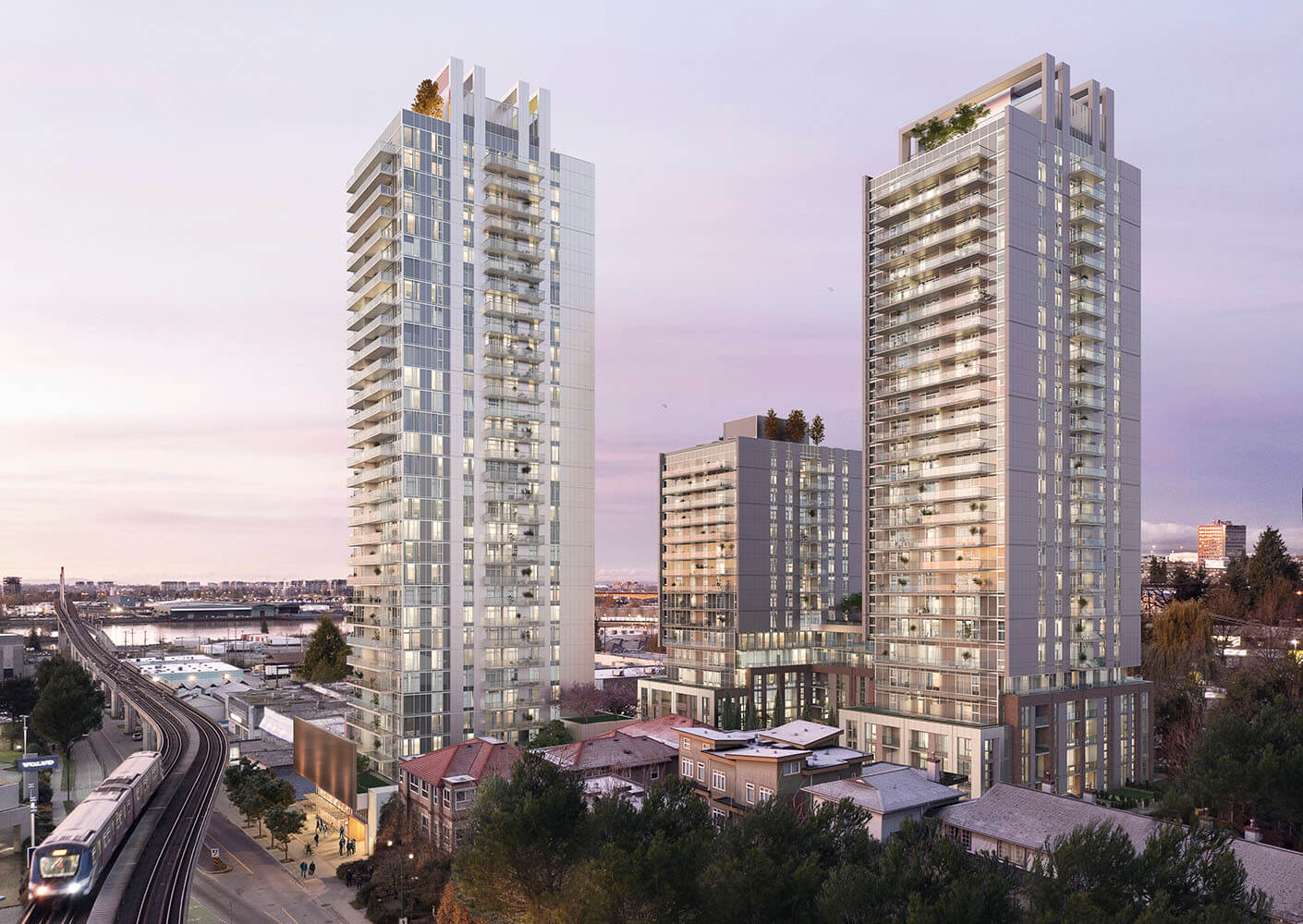
While the Community Plan supported redevelopment of the co-op sites near Marine Landing, it did not account for the level of private sector density required to make renewal financially viable. Securing rezoning therefore became an iterative process, involving testing multiple development scenarios, bringing in equity partners, and sustained advocacy. Working closely with Intracorp Developments, we identified the right mix of housing types and density, and prepared a series of rezoning submissions that ultimately informed the Marine Landing Guidelines and established the necessary policy framework.
Throughout this effort, we met regularly with the co-op’s board to share updates and explain the approvals process. At key milestones, our team—developers, co-op members, and architects—met with City staff to jointly advocate for the community’s needs and seek municipal support. After rezoning was secured, we collaborated with the City to accelerate development and building permits, enabling a streamlined second phase of approvals.
By embracing simplicity in massing and articulation, we enabled optimization of the energy model without compromising architectural clarity. Passive cooling strategies such as operable windows, exterior shading, and green roofs reduce energy demands while increasing comfort. Balcony connections for potential air conditioning units are also incorporated. The result is a project that meets current demands while also anticipating future challenges.