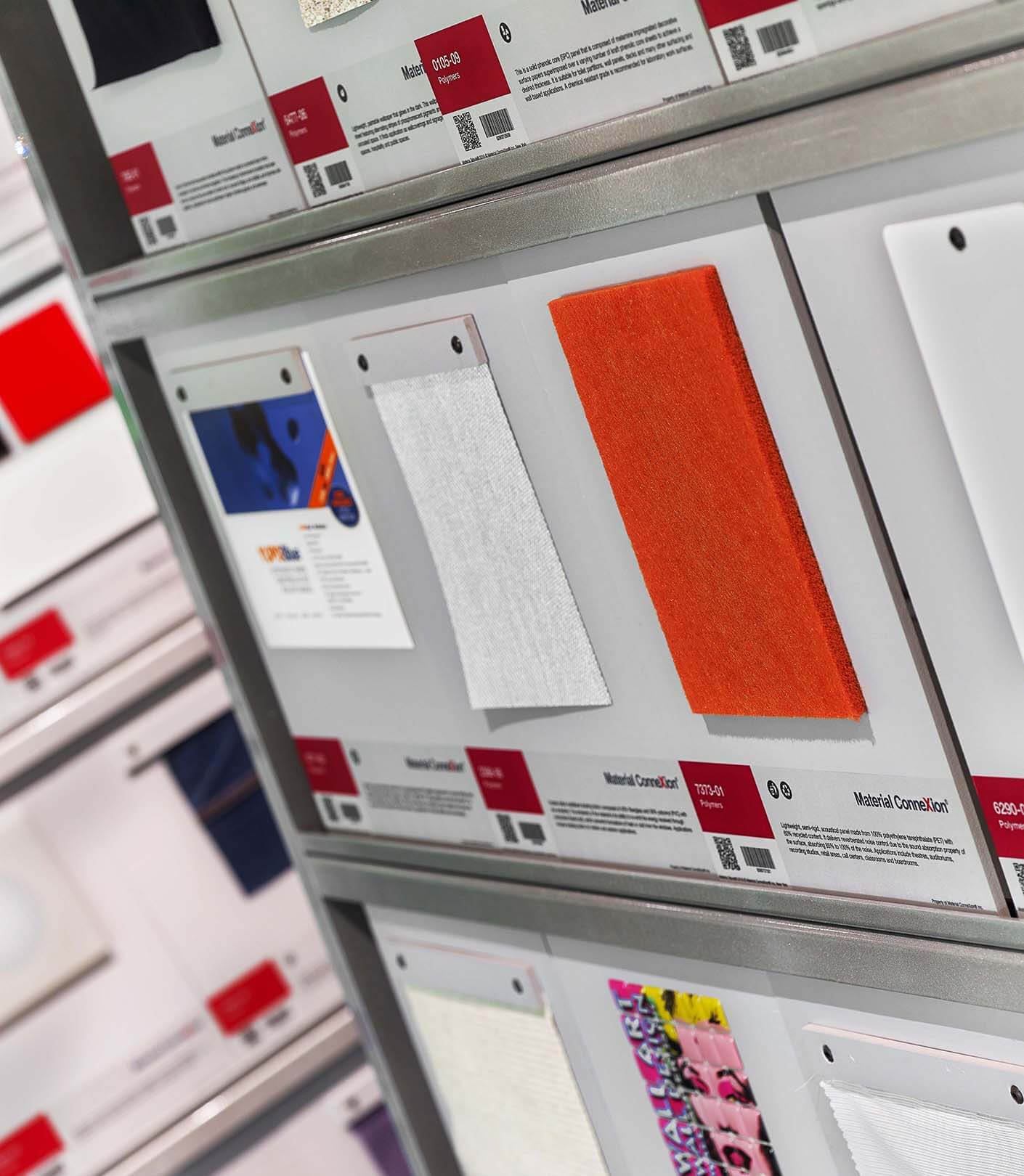
Design that respects and restores our environment.
We know sustainability means different things to different people. Whether it’s energy efficiency that matters most to our clients, or healthy indoor air and nontoxic materials—we’ve got all of it covered. Sustainable design is built into our practice.
One of the things we’re most proud of is that, for decades, we’ve led the AEC industry toward exceptional environmental performance. And this leadership has caused a sea change in the way places and spaces are designed and constructed all around the world. Our goal? To keep lighting the way forward.
Jason F. McLennan, Chief Sustainability Officer
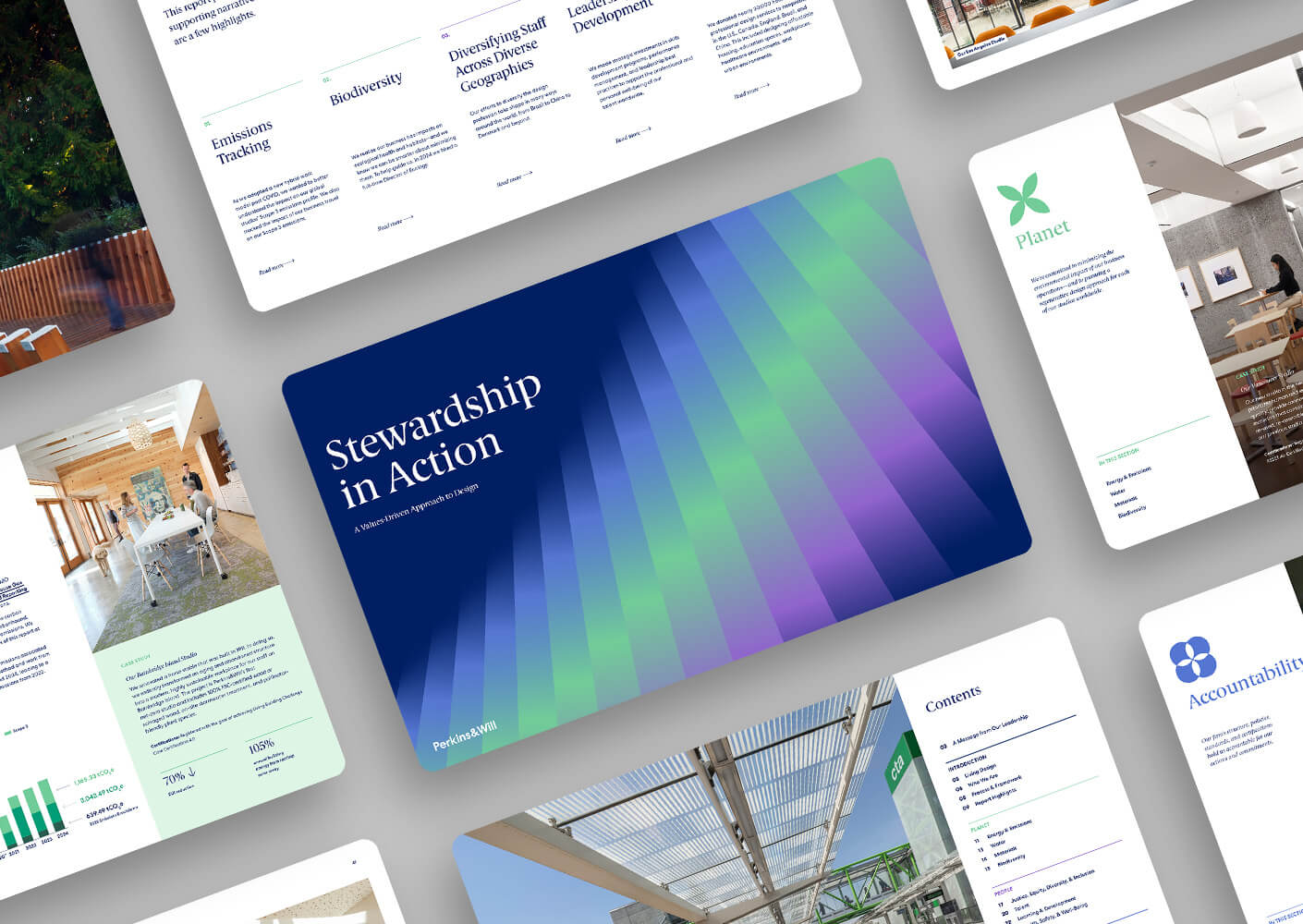
Our latest impact report provides robust data on our industry leadership in decarbonization, ecological health and well-being, and diversity and inclusion.
In honor of our 90th anniversary, the report also highlights our long legacy of designing places that are good for both people and the planet—starting with our very first project in 1935.
We are pioneers of the sustainability movement. From carbon leadership and energy reduction to building transparency and healthy materials, our collective achievements have been recognized over the decades with dozens of industry accolades. Most recently, Architizer named us the 2023 Best Sustainable Firm, and Metropolis recognized us as Firm of the Year in its 2022 Planet Positive Awards. We’ve earned a reputation for making design greener.
Today, we’re pushing beyond sustainability toward regeneration—toward a planet that’s flourishing with life, abundant with nature’s beauty, ecologically diverse, and continuously self-healing. We simply won’t settle for a world that’s “less bad” than it was yesterday; we strive for good, always. And we’ll settle for nothing less than a world that’s safe and enduring.
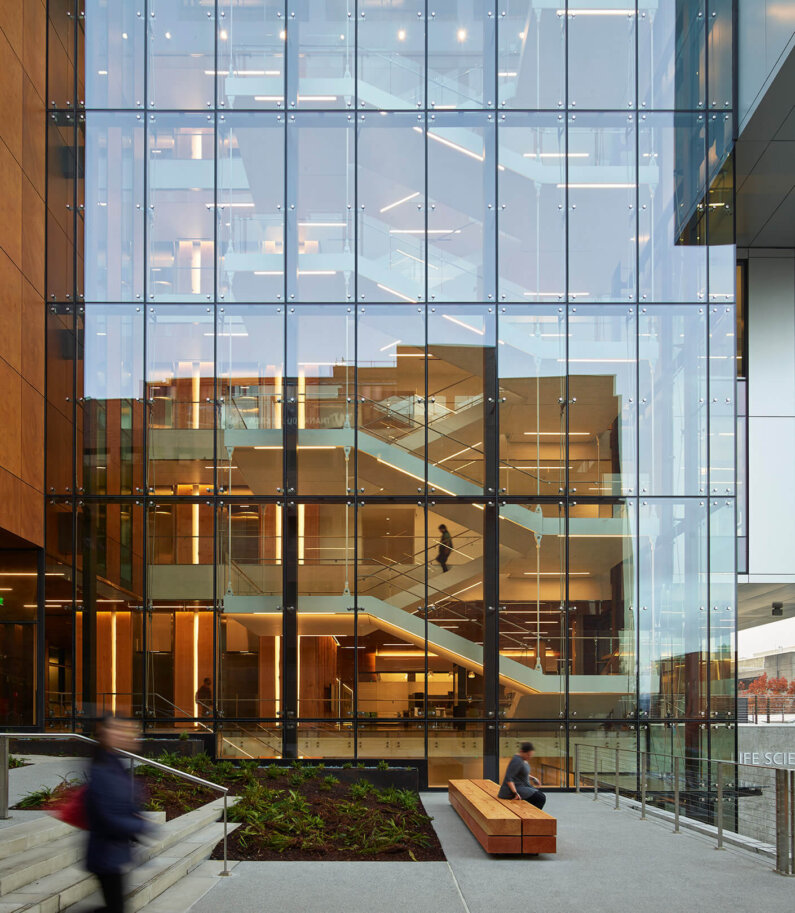
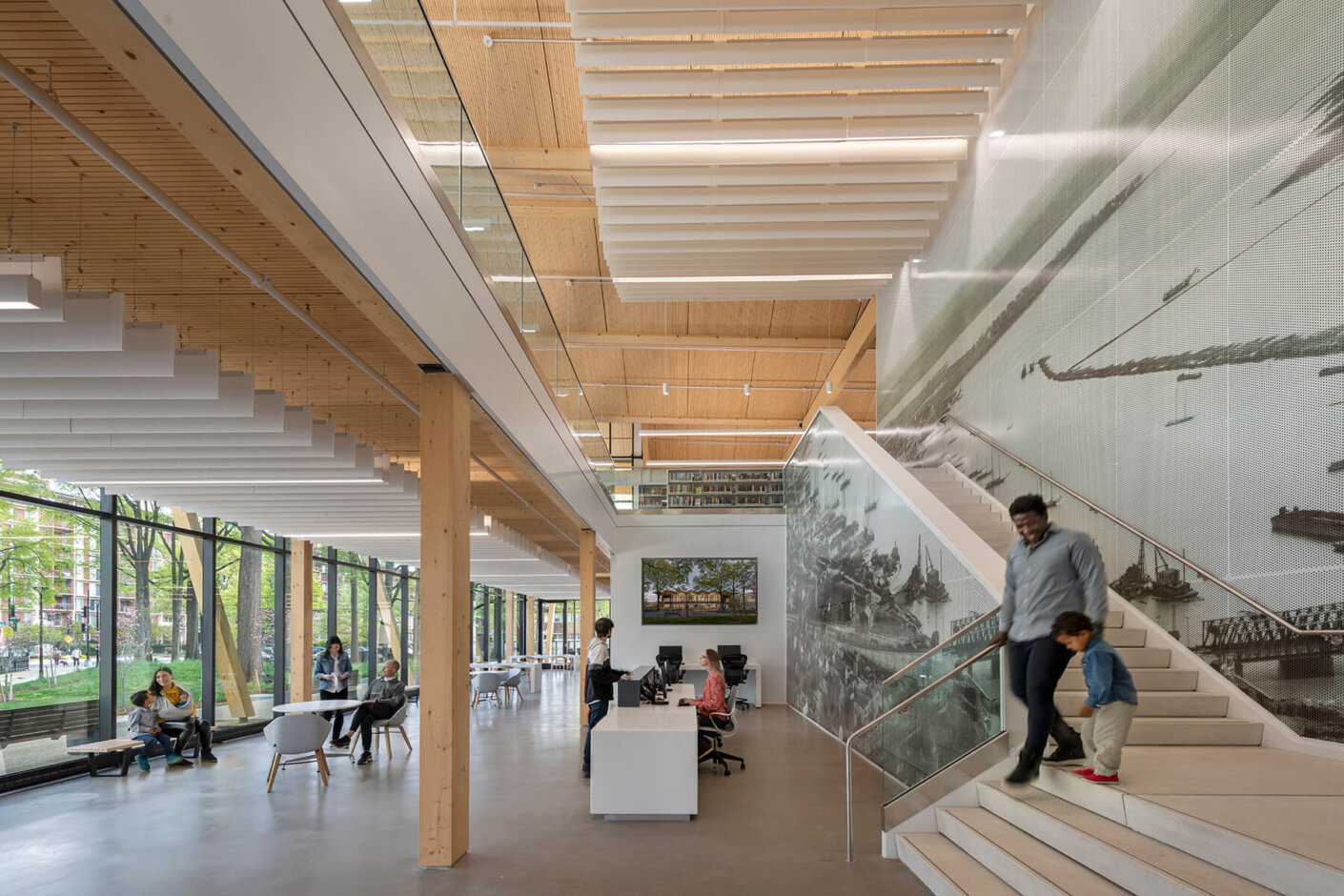
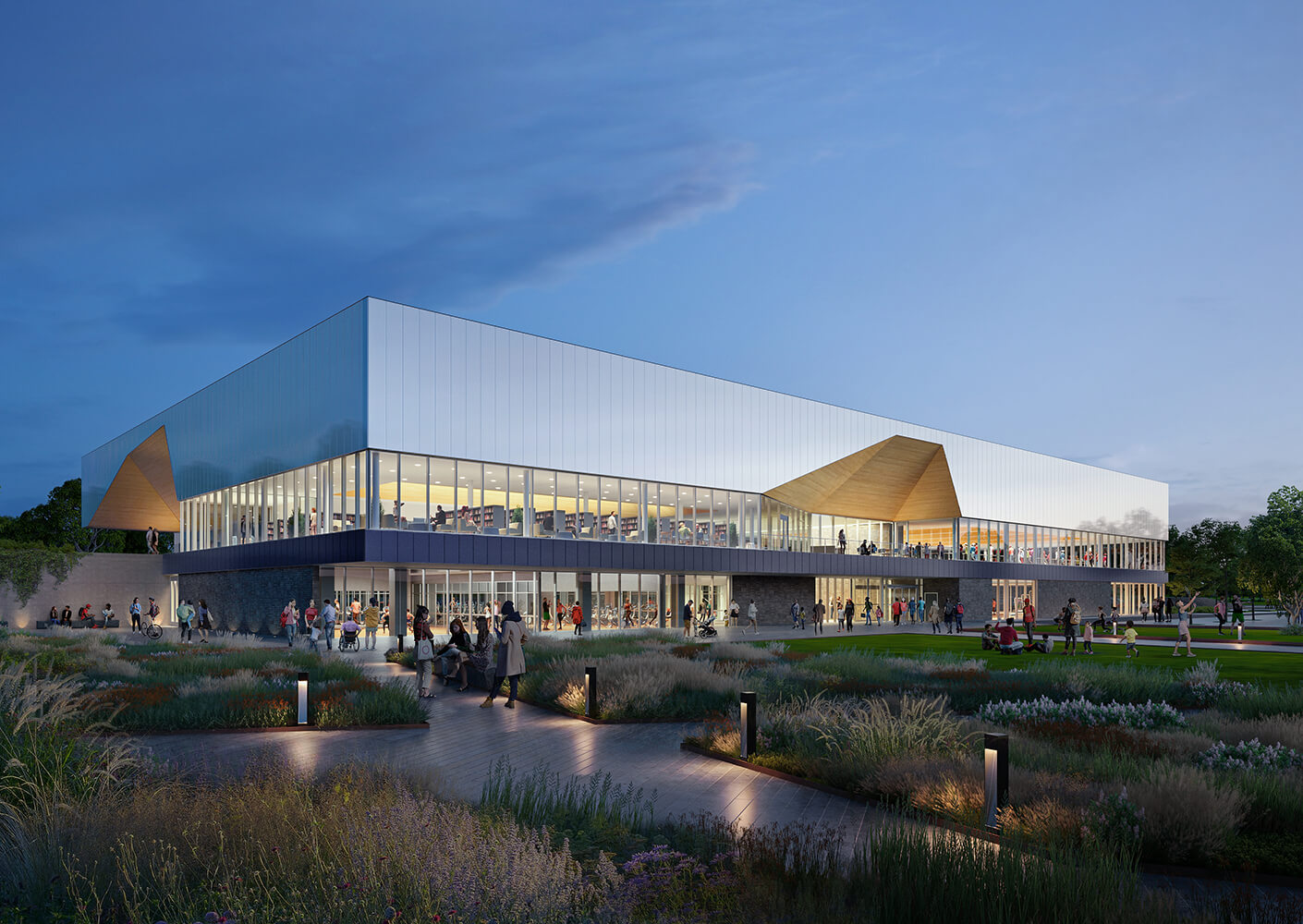
We envision designing a world that creates healthier, thriving ecosystems for all. Our research-backed Living Design framework combines sustainability with other vital elements of a holistically high-performing environment. Ultimately, Living Design ensures optimal well-being and resilience for our clients and communities.
We developed research-backed, industry-leading thresholds for energy use intensity (EUI) and embodied carbon to significantly improve the operating and embodied carbon impact of our global portfolio. And our advanced specifications protocol ensures materials are vetted against stringent health and environmental requirements.
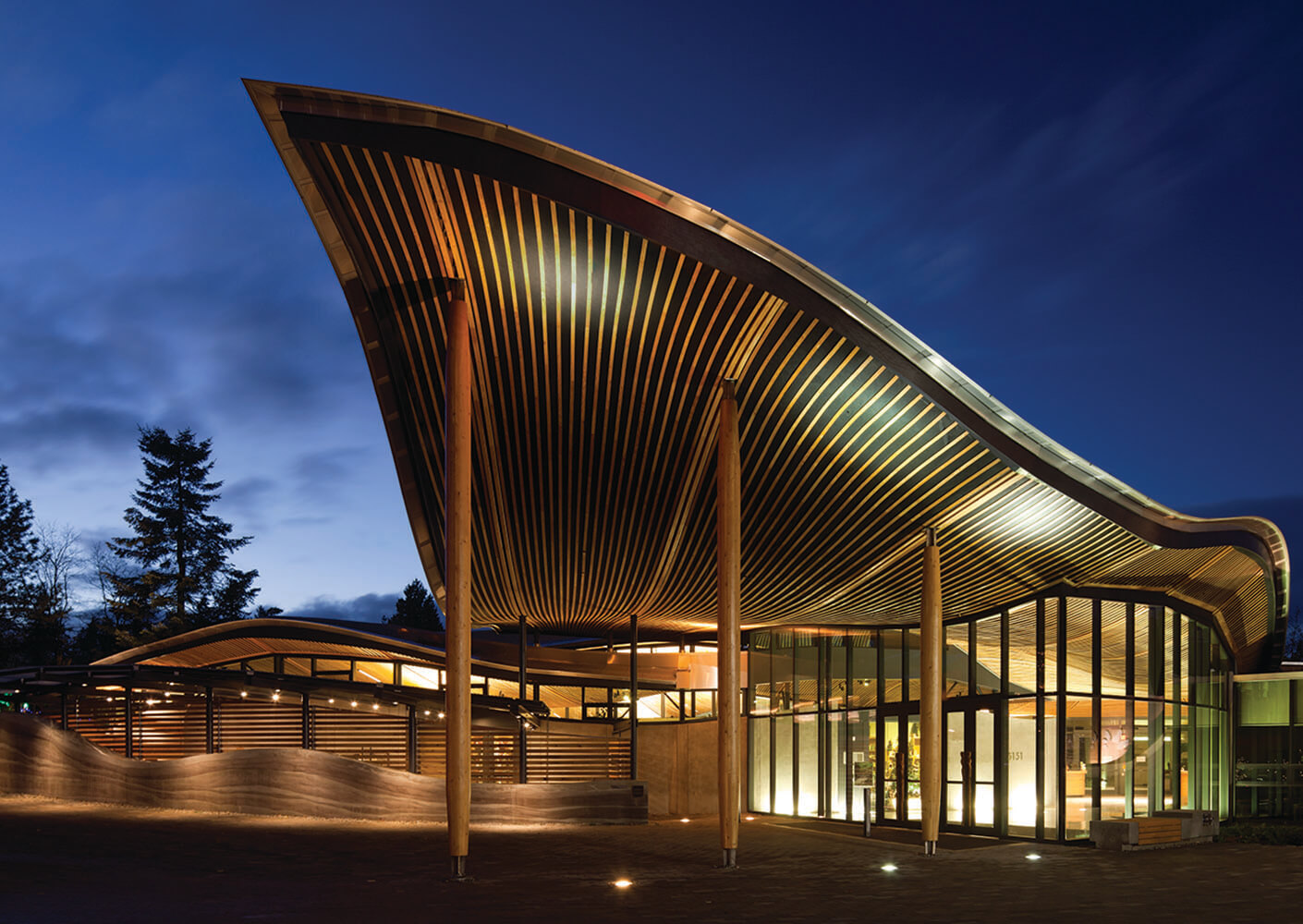
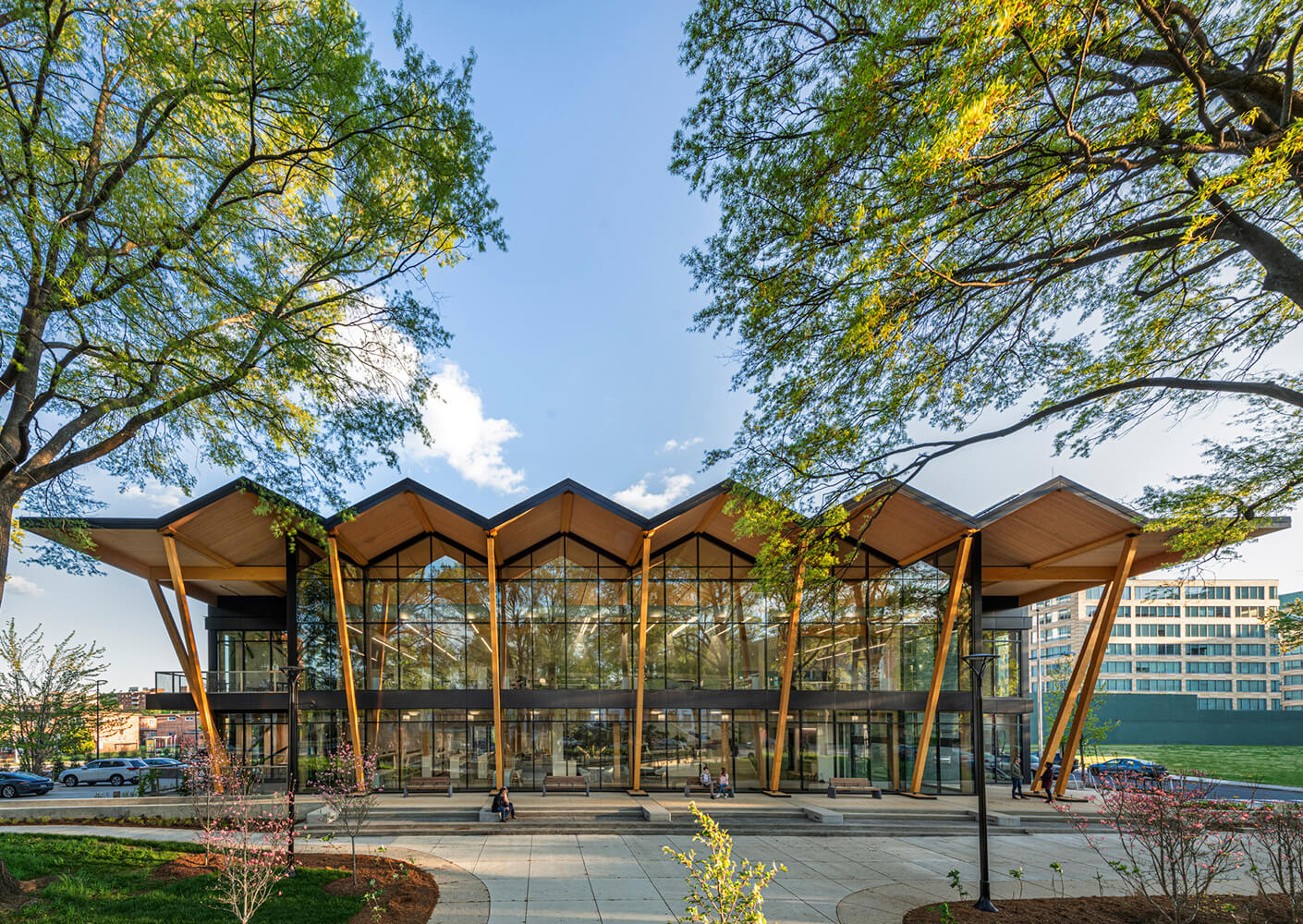
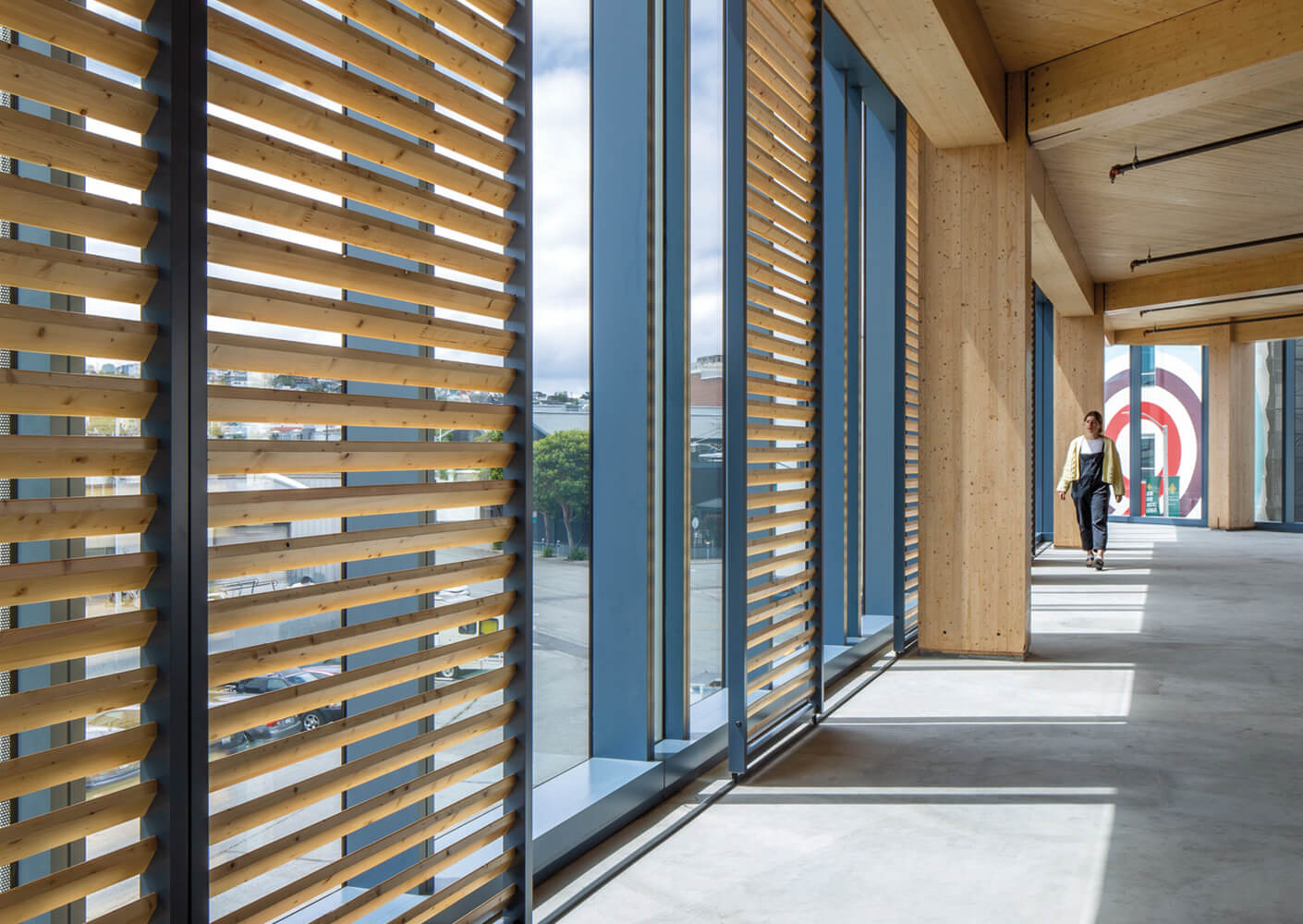
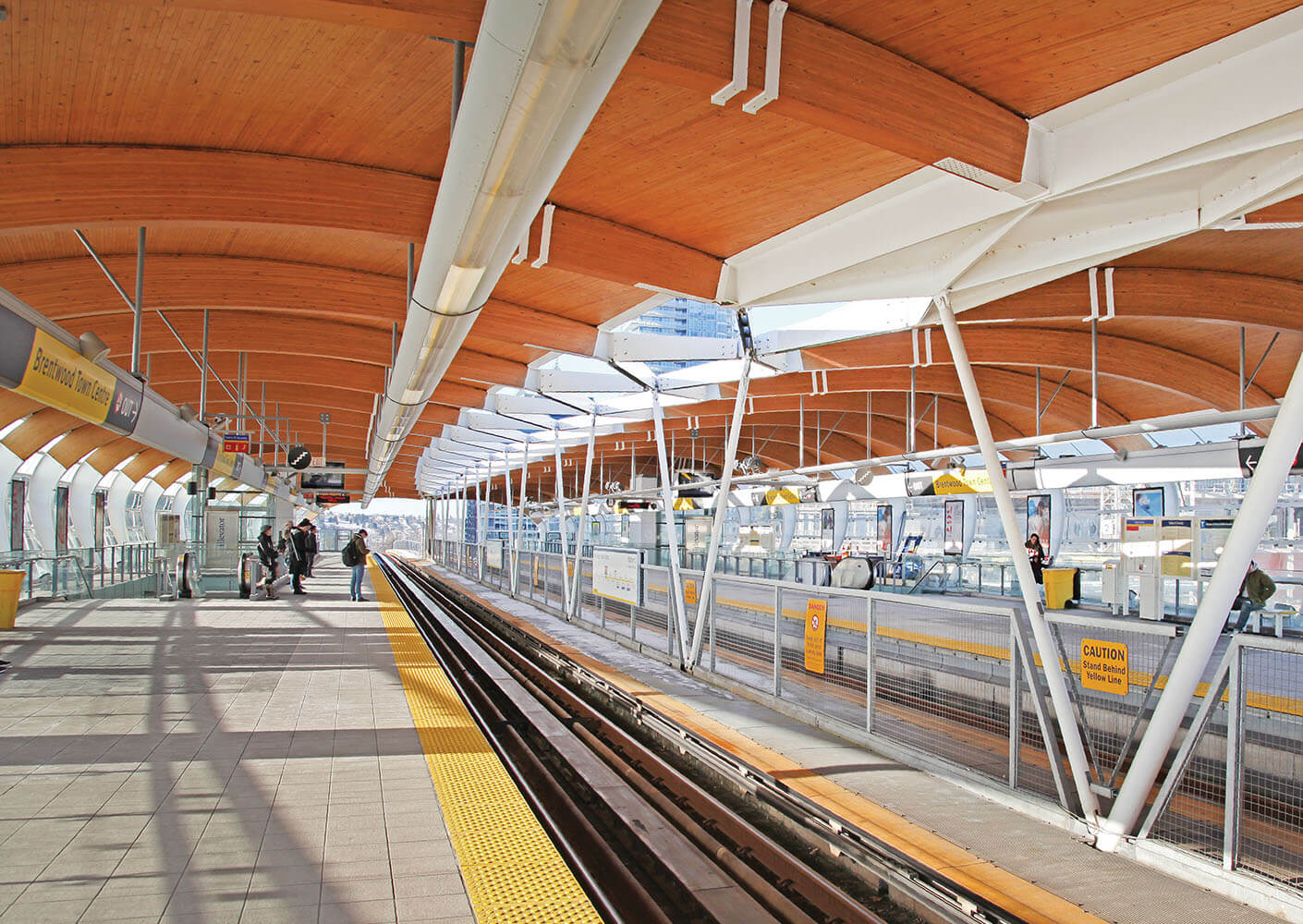
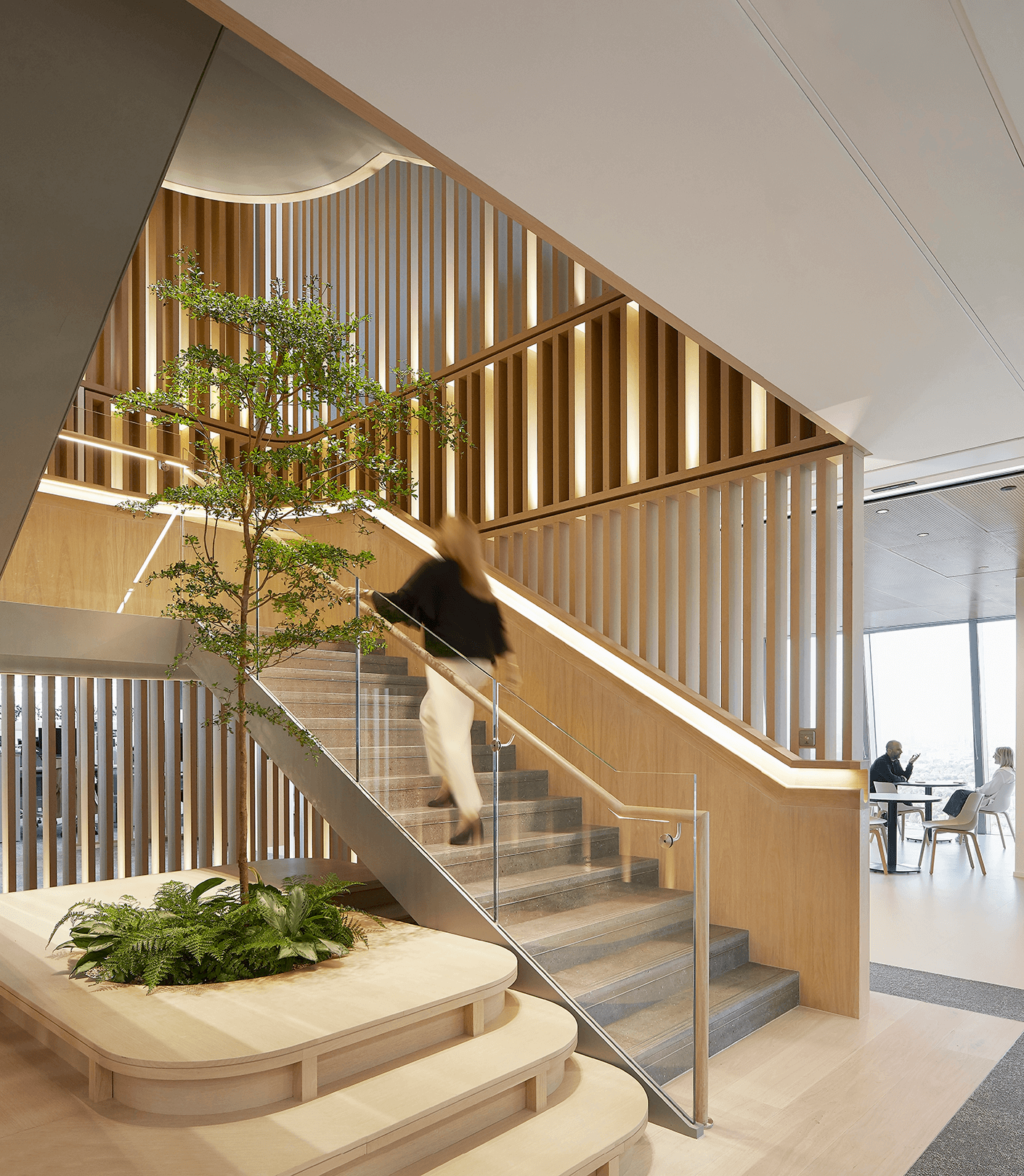
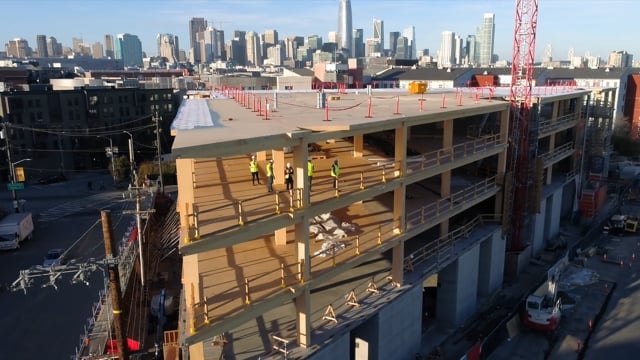
We’re committed to mitigating the environmental impacts of our design processes and construction, and believe mass timber is critical to a resilient future. With over 30 years of experience designing and delivering mass timber projects all around the globe, we’re helping to transform the industry—and the world.
Our rapidly growing portfolio of timber environments is paving the way for a new generation of sustainable architecture and design. Engineered wood is the new frontier of healthy living, working, and learning. From Vancouver to Copenhagen, San Francisco to Washington, D.C., LA to Charlotte, we’re building transformational relationships focused on timber craft at scale.
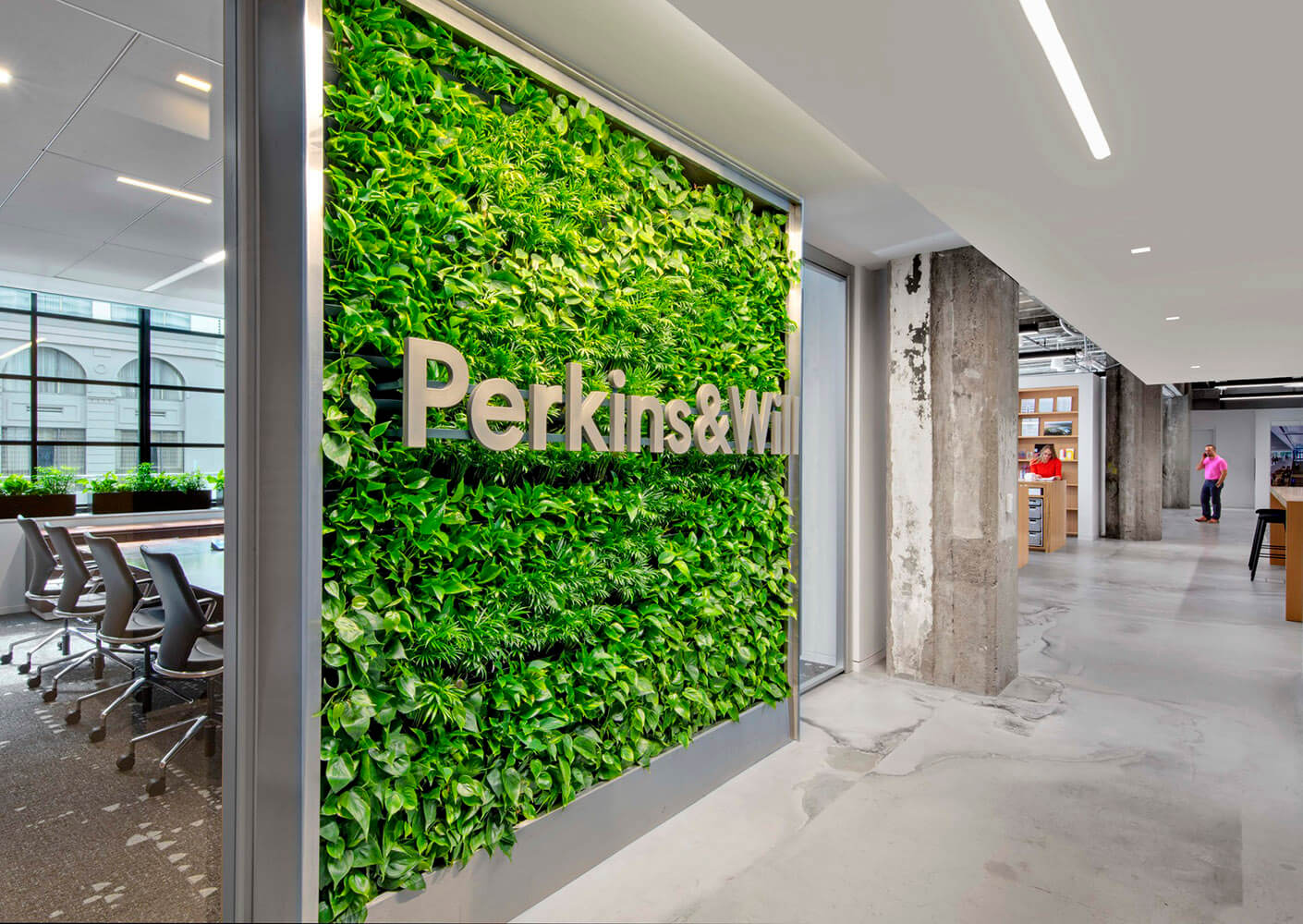
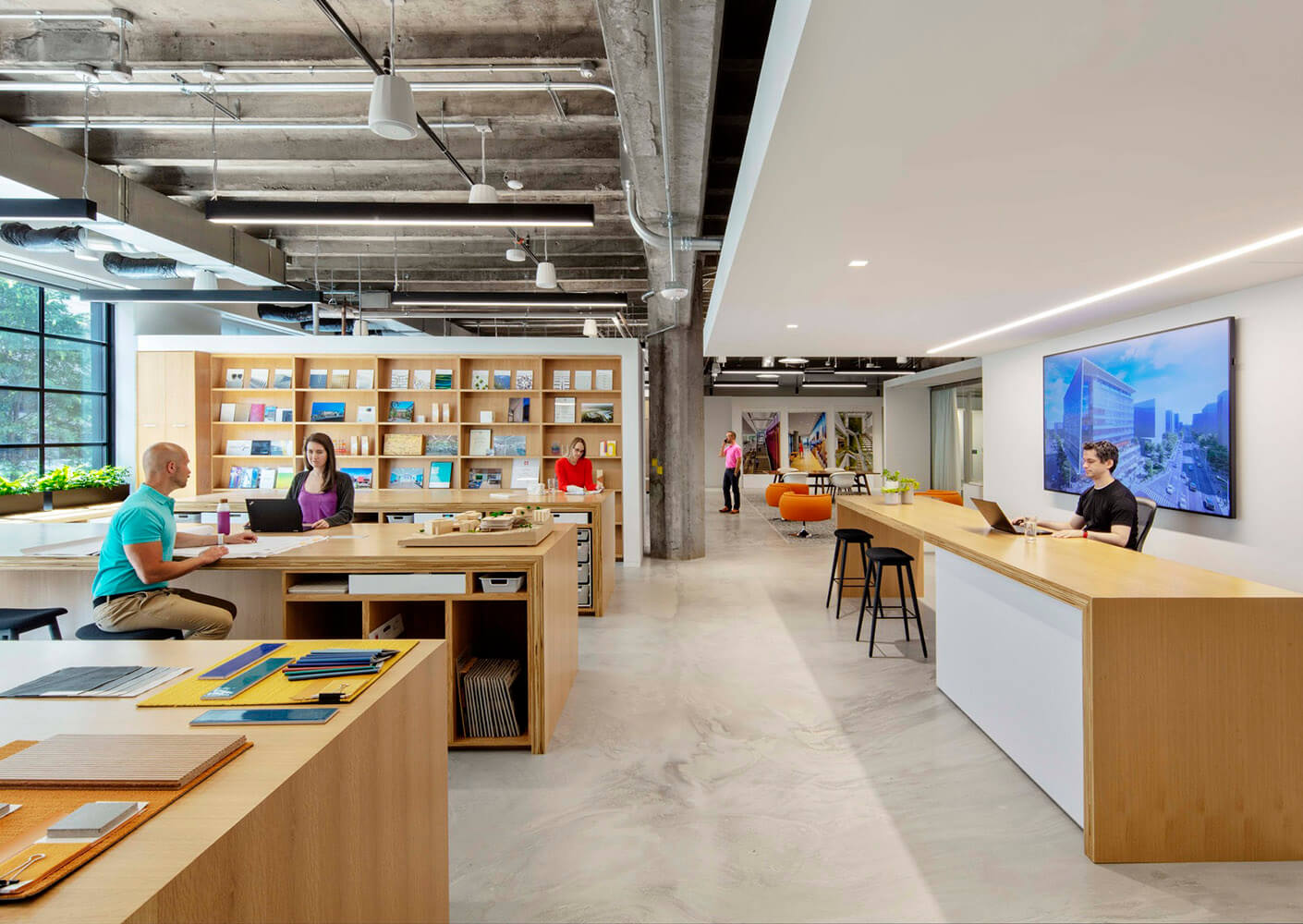
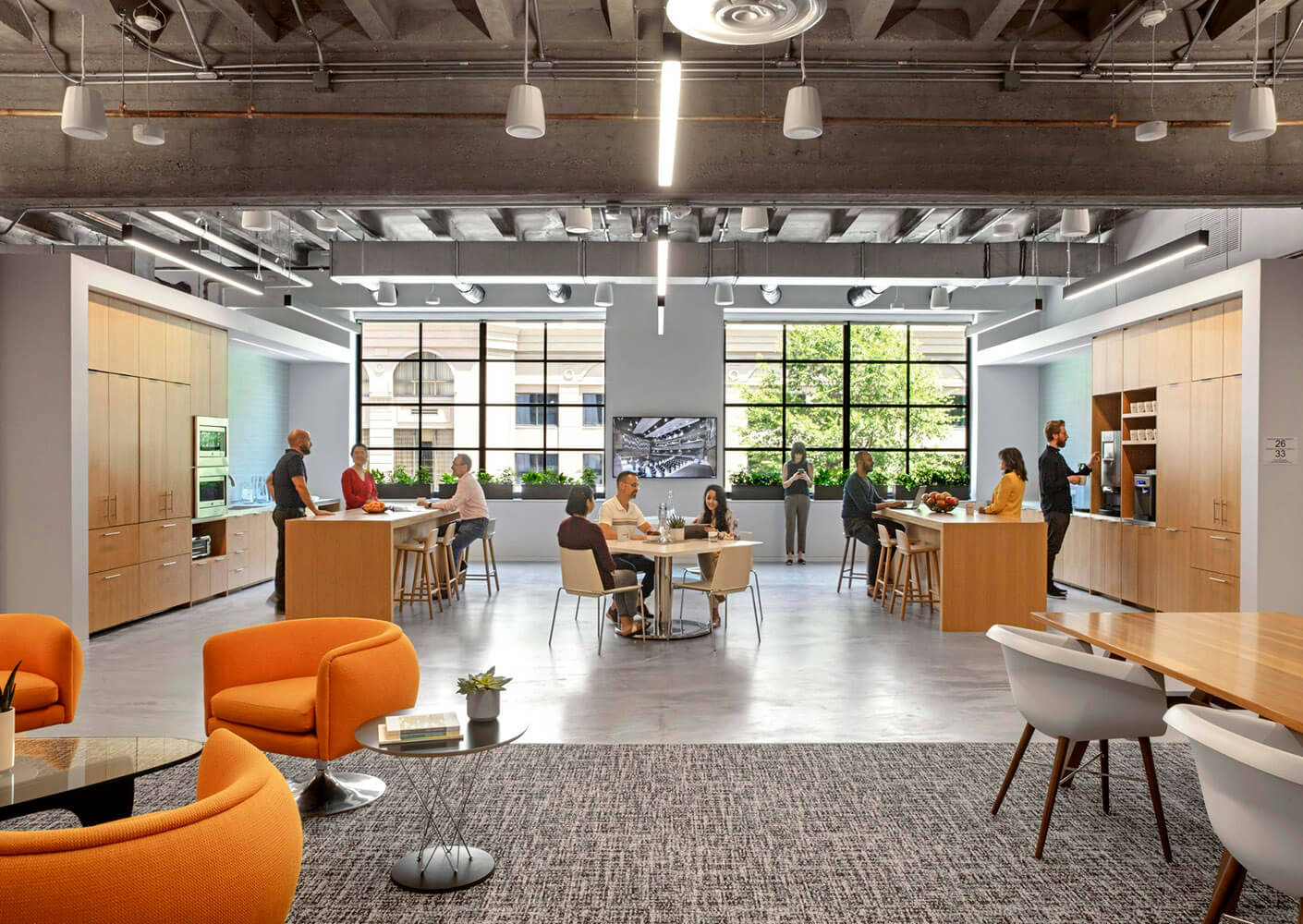
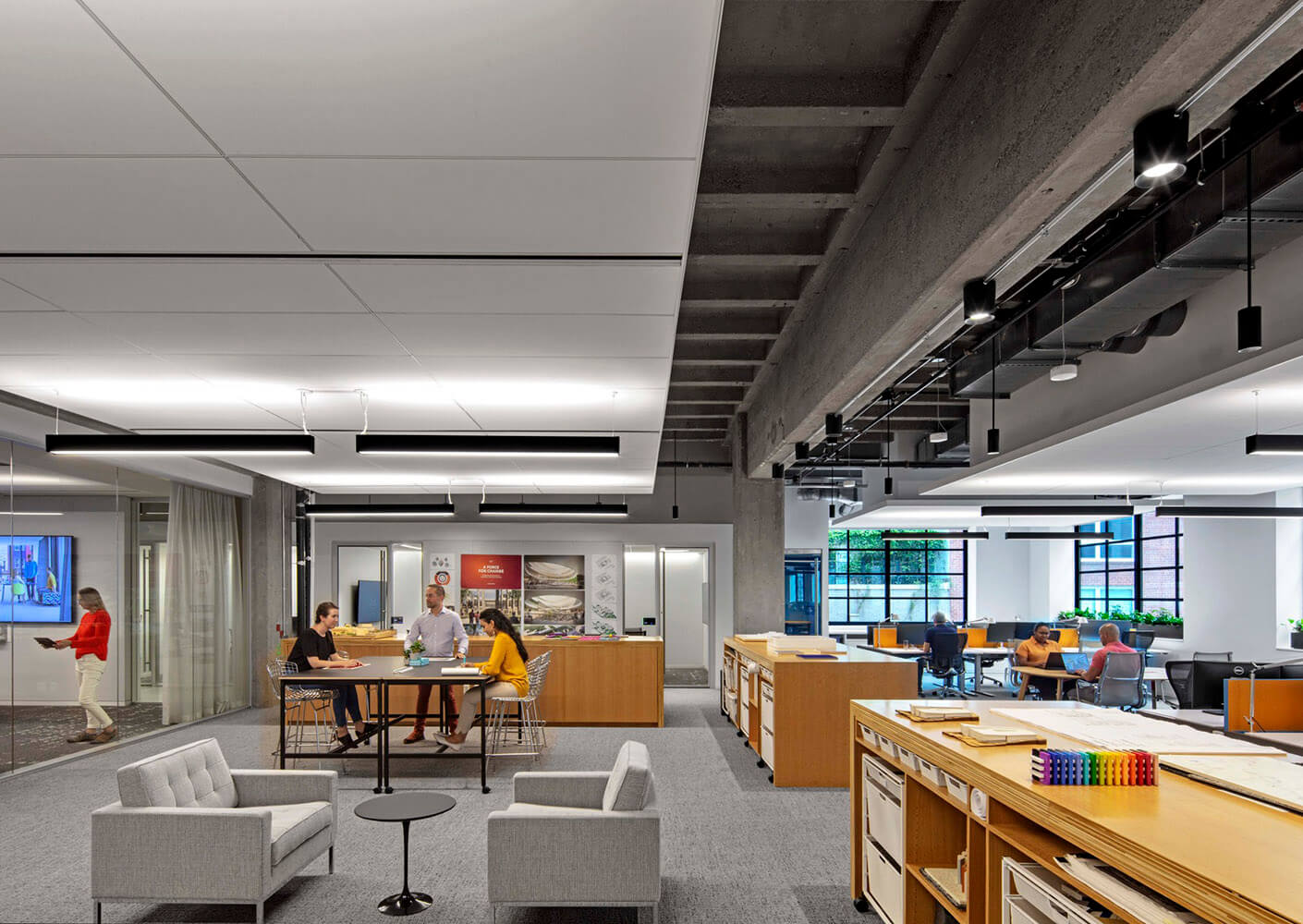
We’ve always led by example, and our own business operations are a good case study. Our Green Operations Plan helped us achieve carbon neutrality by 2007. And our firmwide Decarbonization Policy, introduced in 2022, requires us to transition our global operations off fossil fuels, conserve more energy, conduct embodied carbon assessments, integrate renewable energy technologies into the design of our new studios, and procure high-quality carbon offsets.
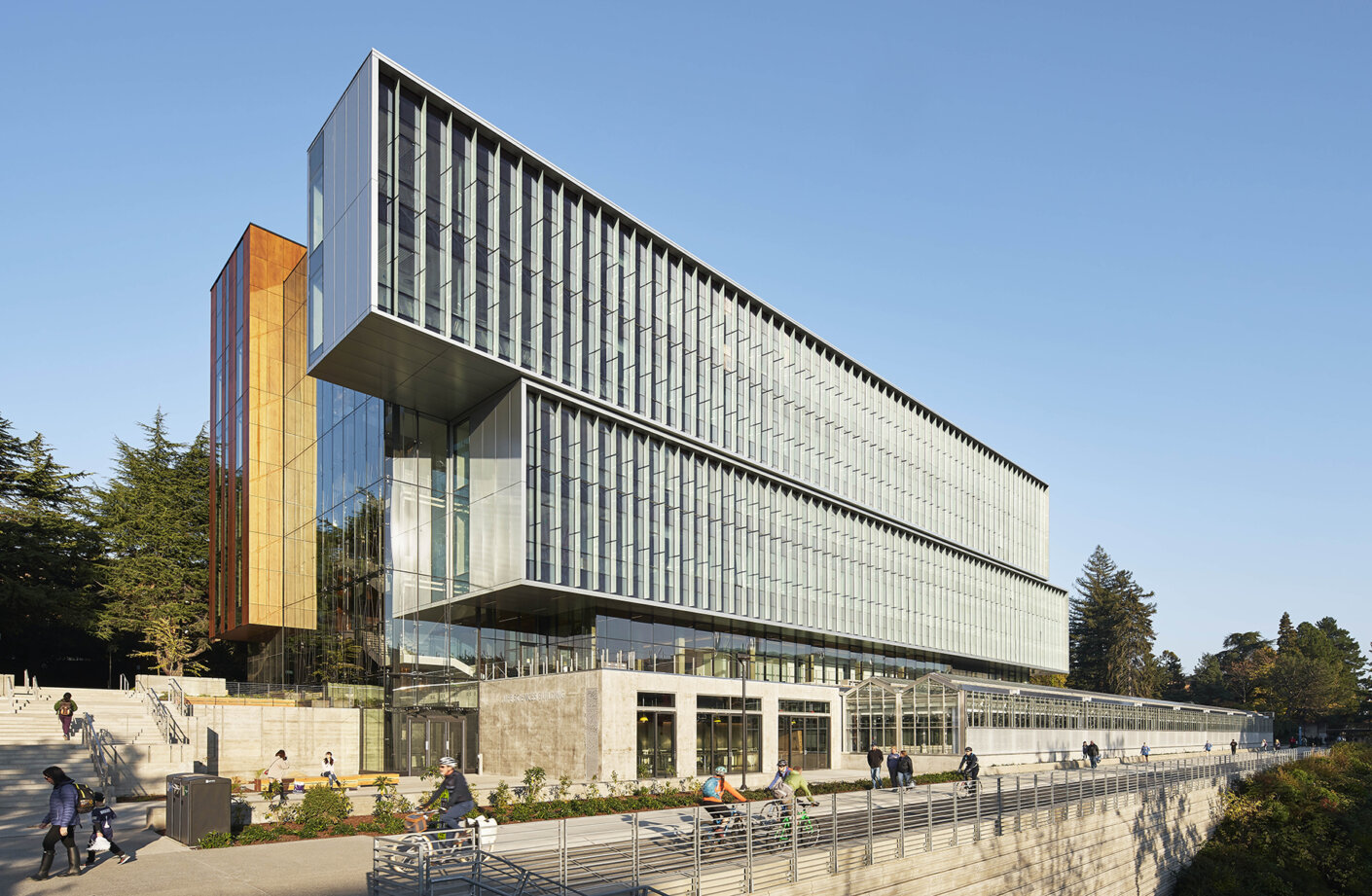
We understand that human and planetary health are inextricably linked, and that buildings can have a major impact on both. That’s why we ignited an industry movement in 2008 toward healthy building materials with our Precautionary List and, later, our Transparency portal. Today, the movement is still going strong.
Read our research on the embodied carbon and material health of gypsum drywall and flooring.
Almost two decades of leadership in advocating for the transformation of building products led to our industry-leading role within the mindful MATERIALS Collaborative. The mindful MATERIALS Library is a free digital platform that allows design teams and industry professionals to search for products that meet third-party, health-based certifications, declarations, and validations. Together with our partners in science, research, design, and manufacturing, we’re raising the bar on healthy environments everywhere.
Read our joint statement on antimicrobials in building products.