Figueira Leopoldo
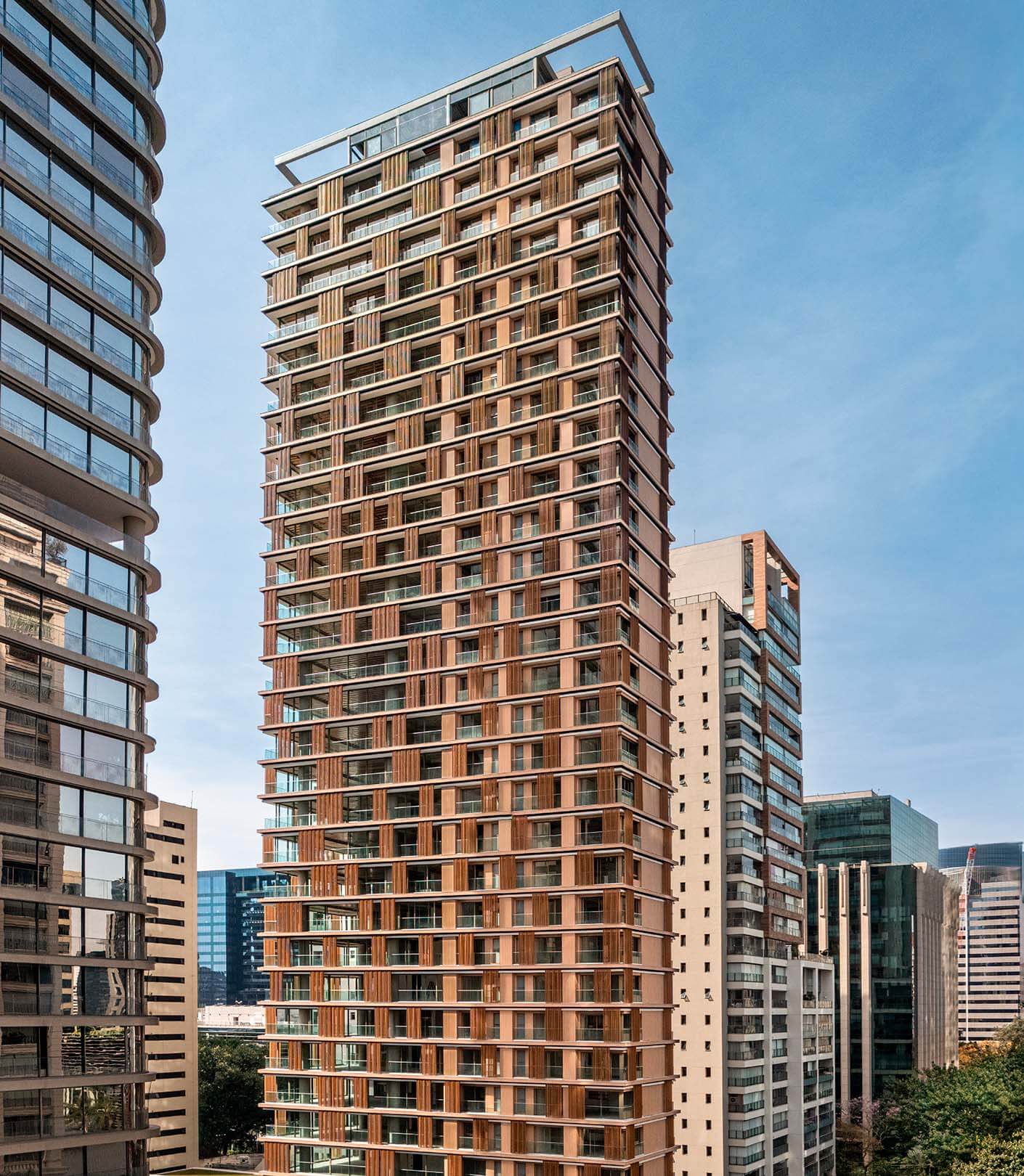
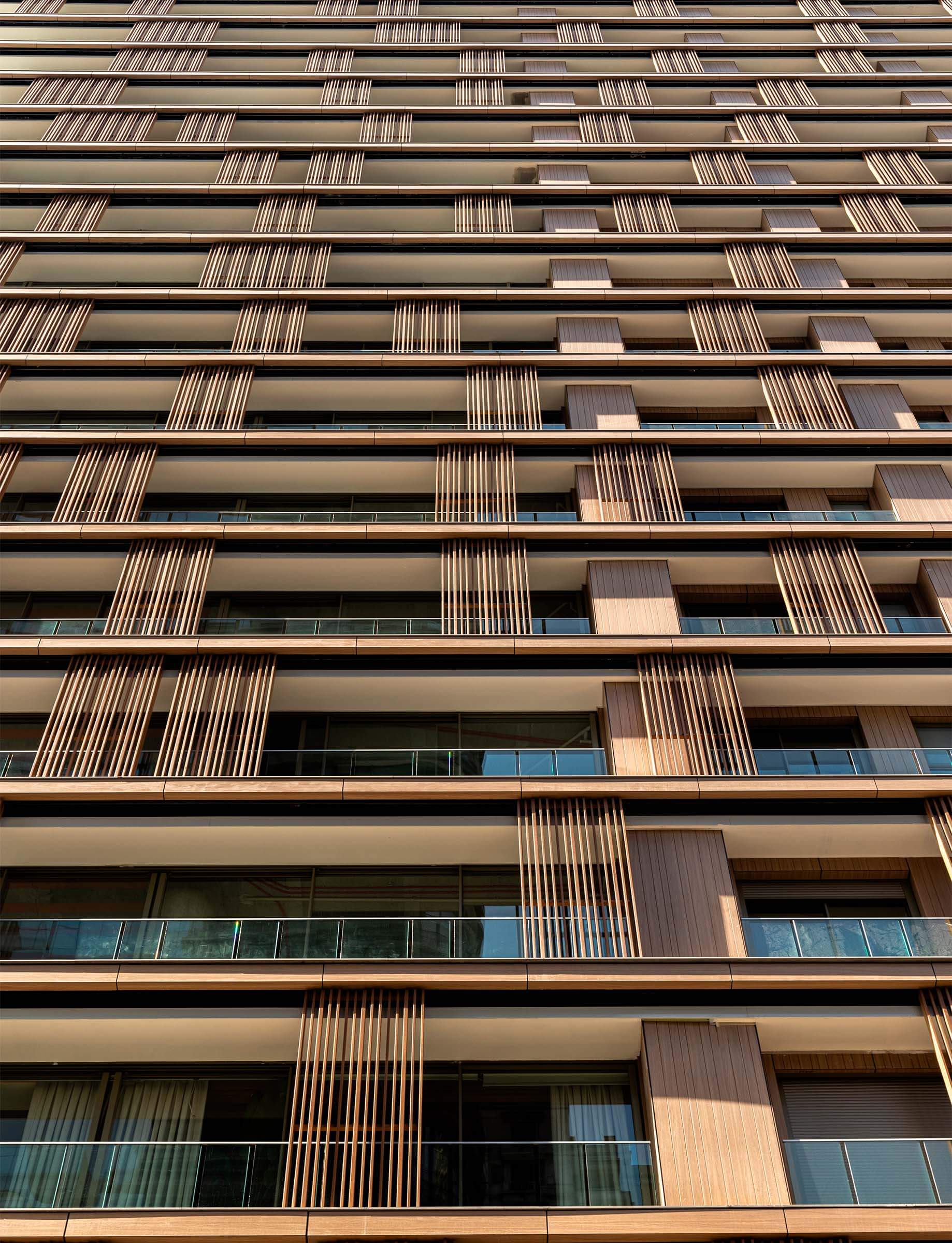
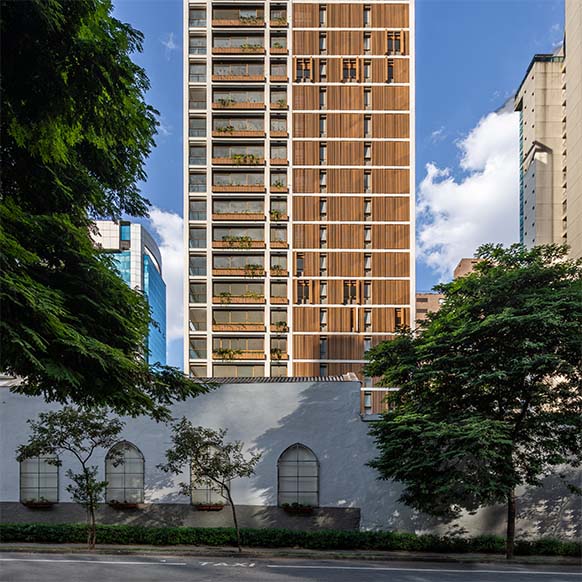
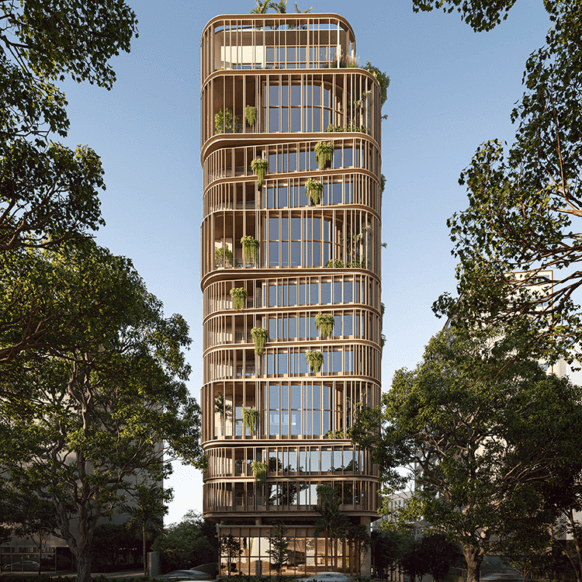
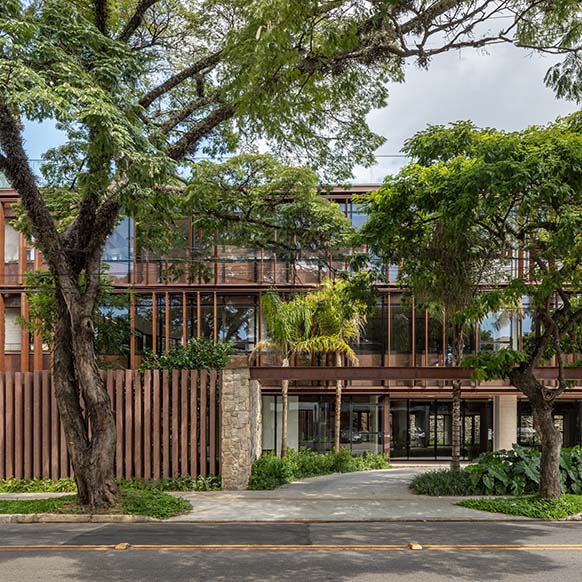
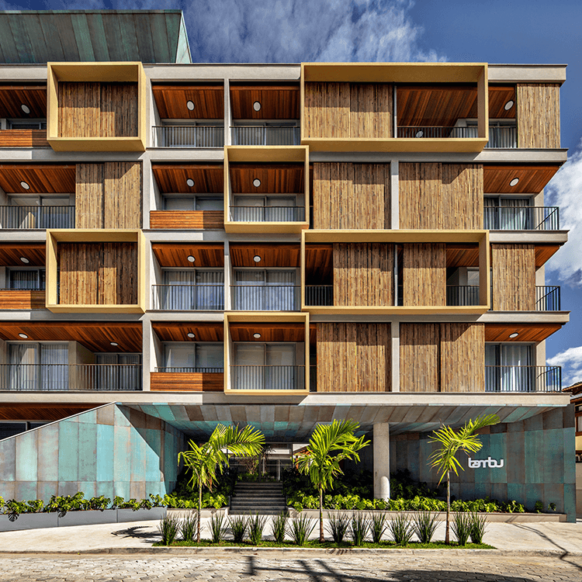
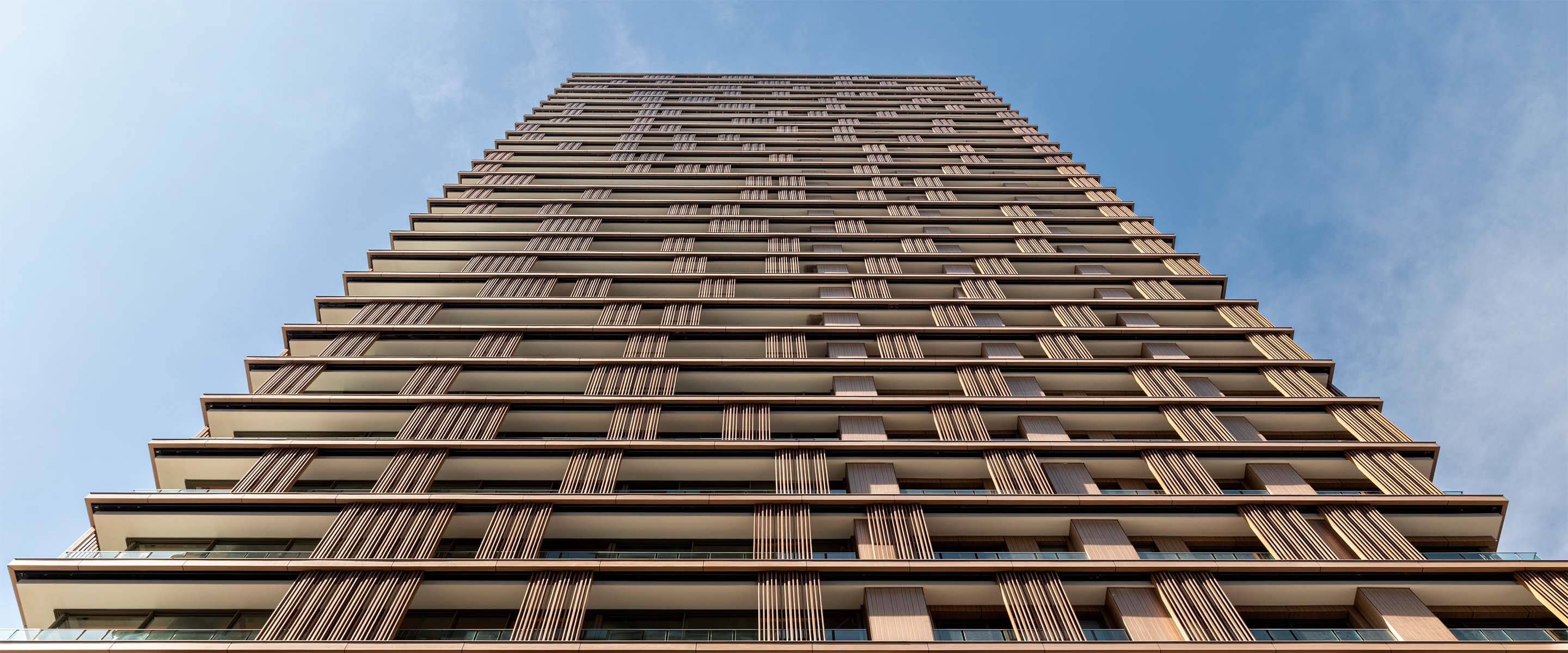
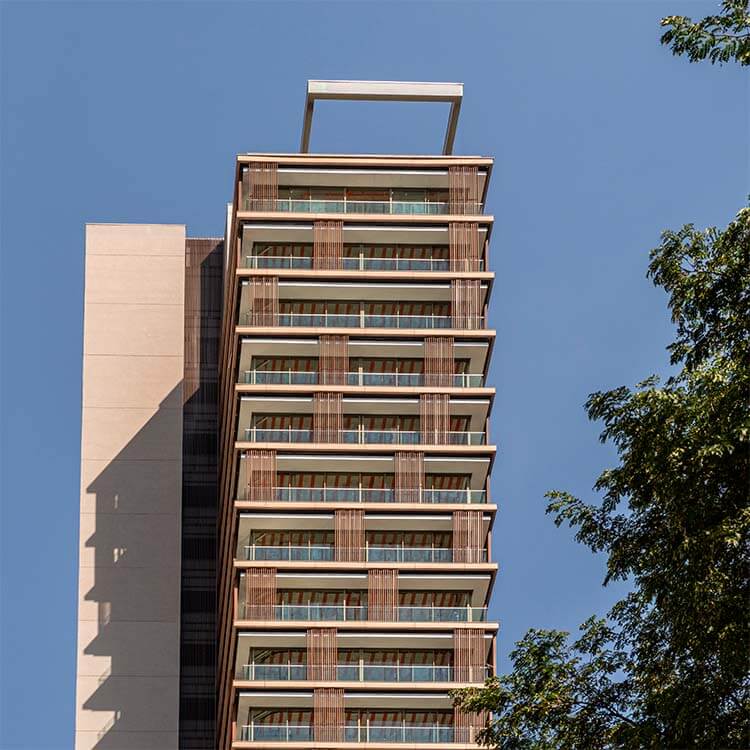
Art and architecture go hand in hand, creating mutual and continuous inspiration. This constant dialogue guided our São Paulo team in the creation of Figueira Leopoldo. With a design inspired by kinetic art, the building explores visual effects through the movements and color changes of the brise-soleil, a direct reference to the artistic style that explores optical illusions and dynamism.
Photos: Pedro Mascaro

Douglas Tolaine, Design Director
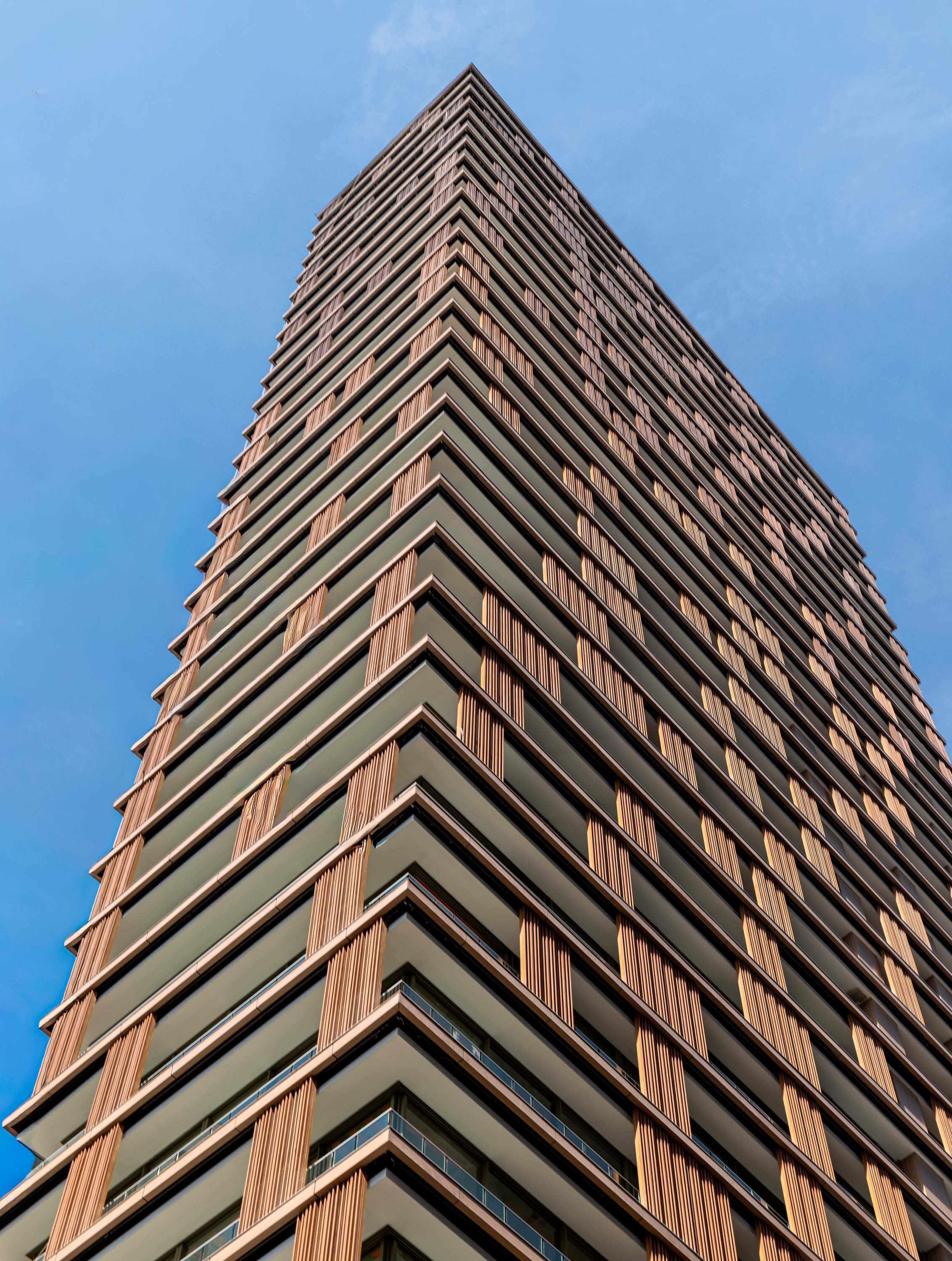
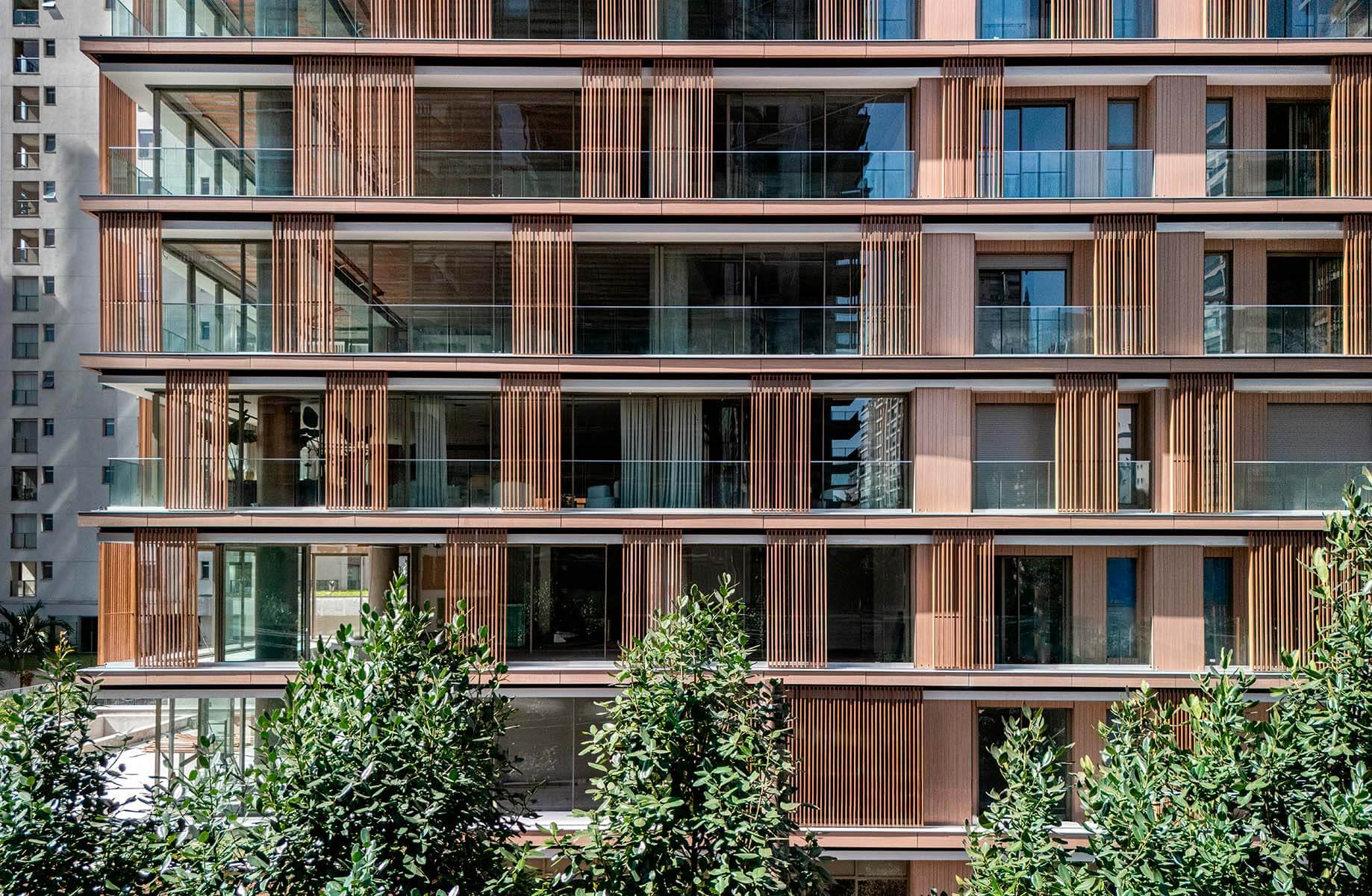
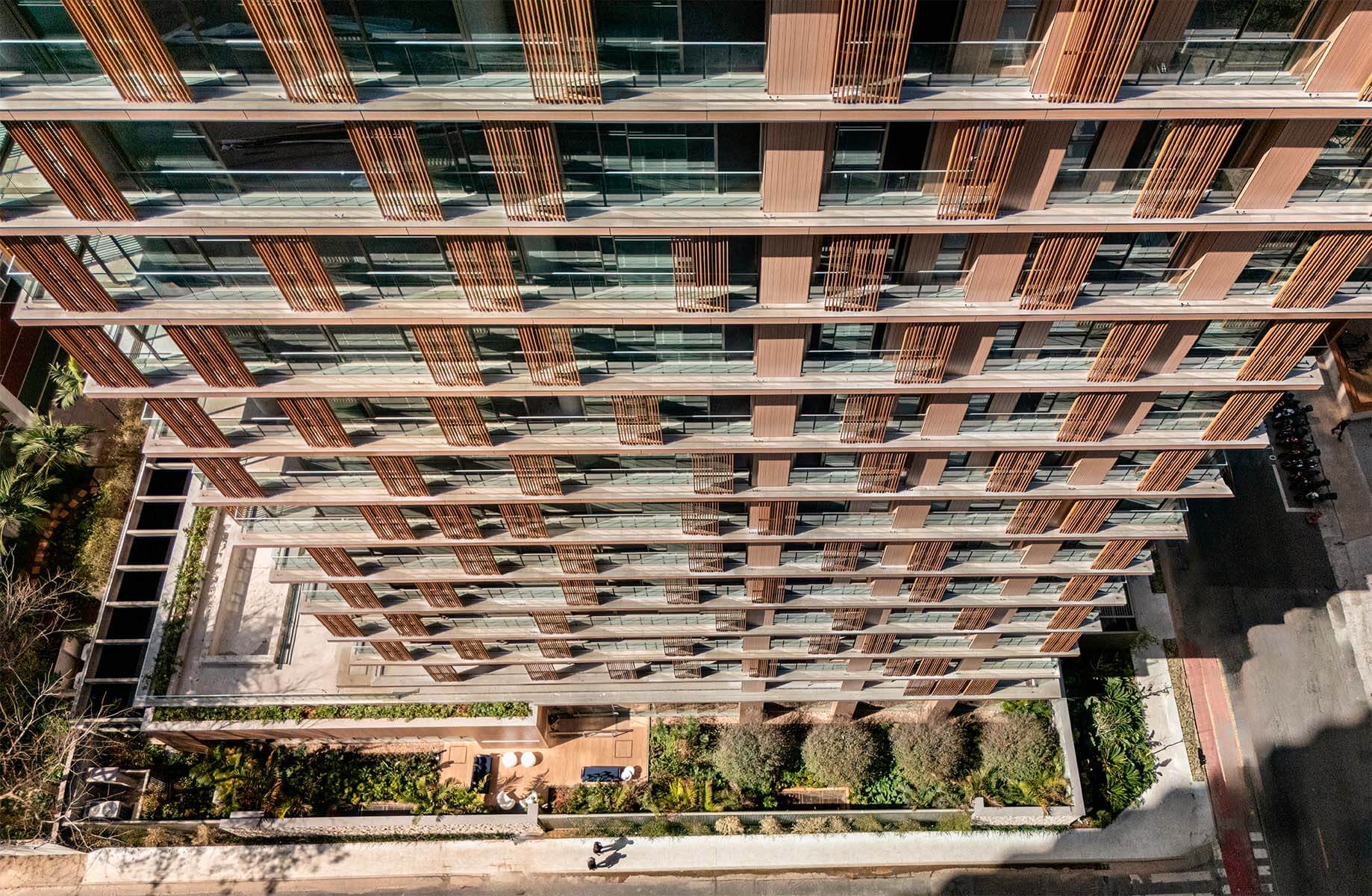
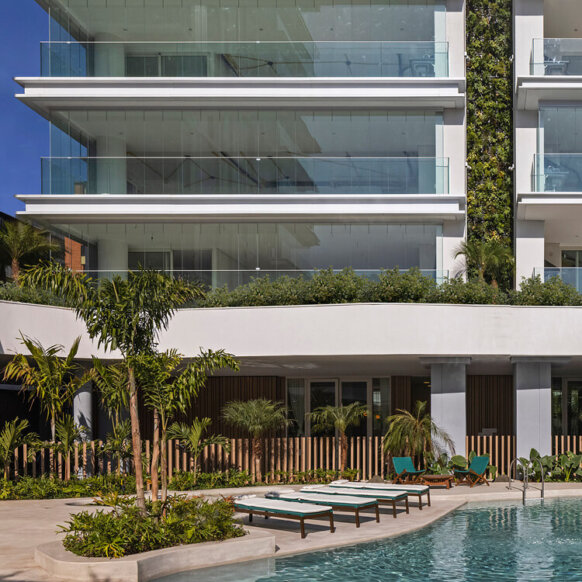
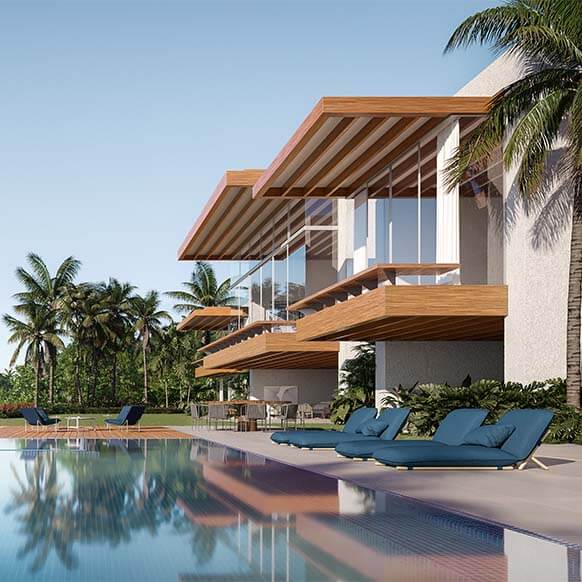
The facades are composed of wooden panels and brise-soleil that run freely throughout the apartments, offering freedom and privacy to residents, as well as dynamism and depth to those observing the building from the street. This effect, along with the textural solutions and rooftop gardens, lends lightness and dynamism to the contemporary design building.
“The sliding brise-soleil take center stage in this project. In addition to contributing to the performance of the building and apartments by controlling natural lighting and ventilation, their movement on each floor creates mutable works of art, which take on new configurations every day, depending on the weather, the residents’ desires, and the perspective from which they are viewed,” says Douglas Tolaine, lead architect on the project.
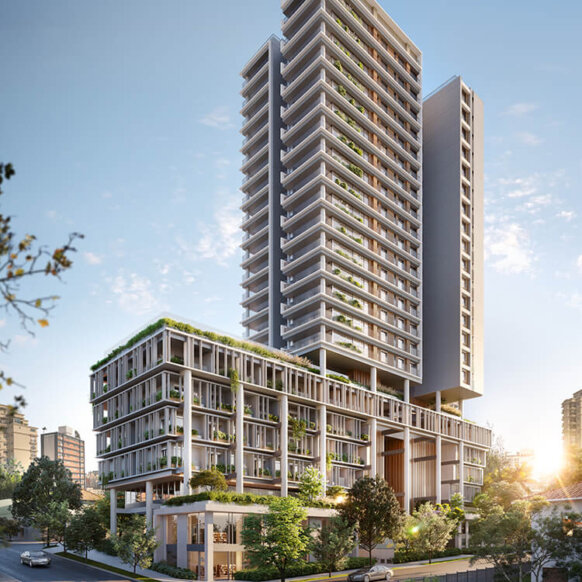
Located on Leopoldo Couto de Magalhães Street, the 115-meter-tall building has 32 exclusive apartments, including the garden units and duplex units at the top of the tower. The structure was designed with a focus on spatial flexibility, encouraging multiple interior configurations while also favoring large openings to promote natural light, cross-ventilation, and privileged views of the urban landscape. The use of natural materials and the inclusion of interior gardens reinforce the feeling of environmental comfort and warmth in each apartment. To achieve the best results, the development was divided into two blocks: social and service areas.
“The division of uses and displacement of the service area resulted in open floor plans, offering 360-degree views in the social and private areas, which are not interrupted as is the case in many traditional apartments,” explains Adriana Barbosa, project manager.