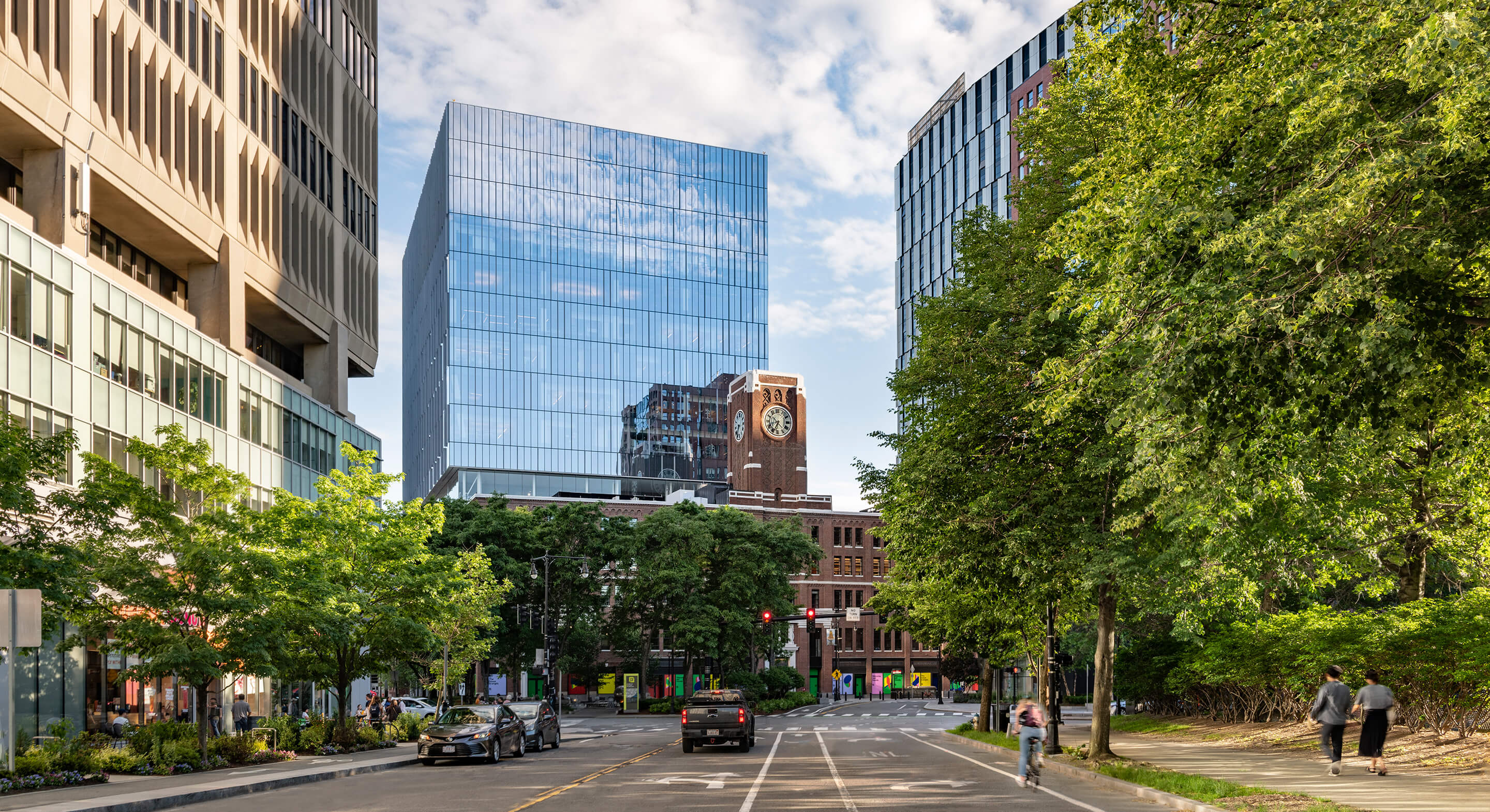
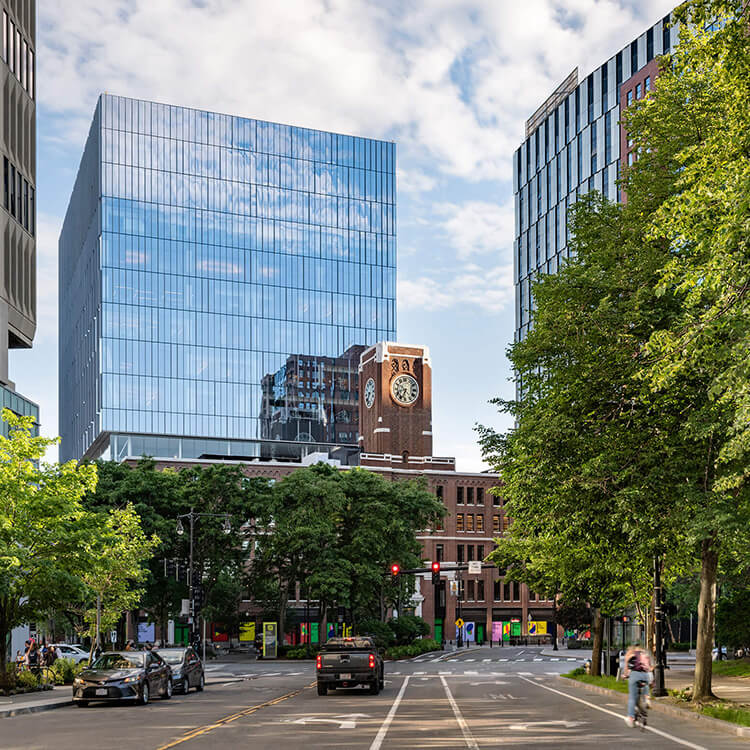
SoMa Site 3 Lab Building
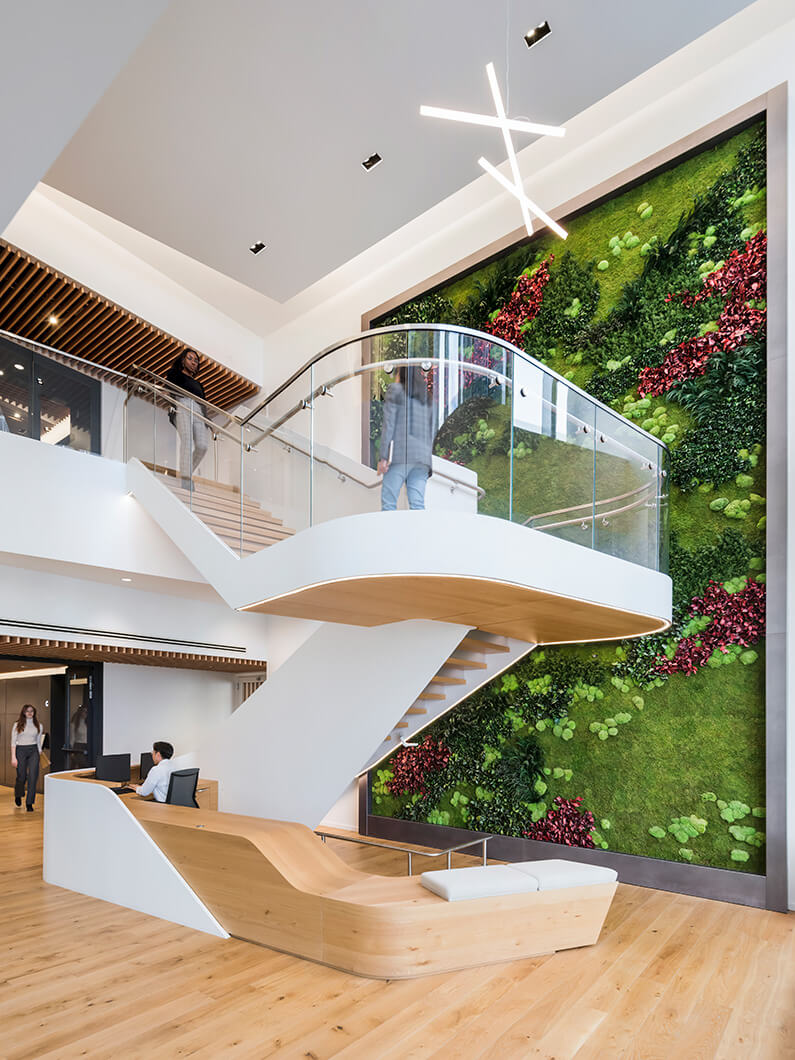
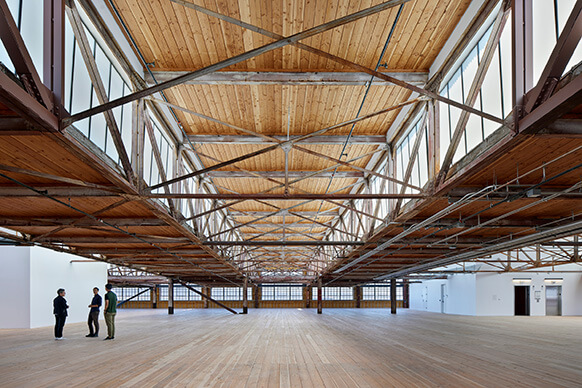
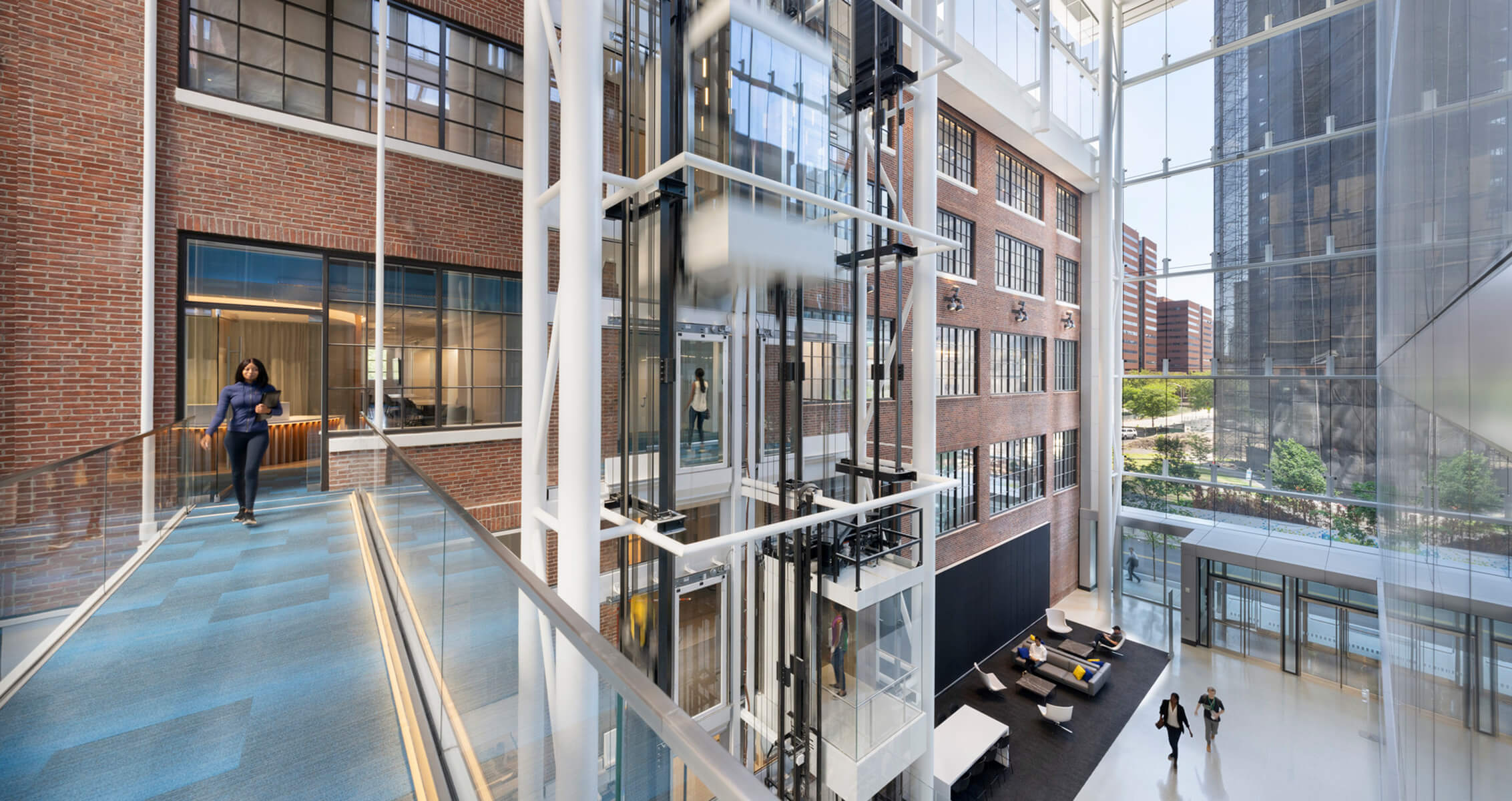
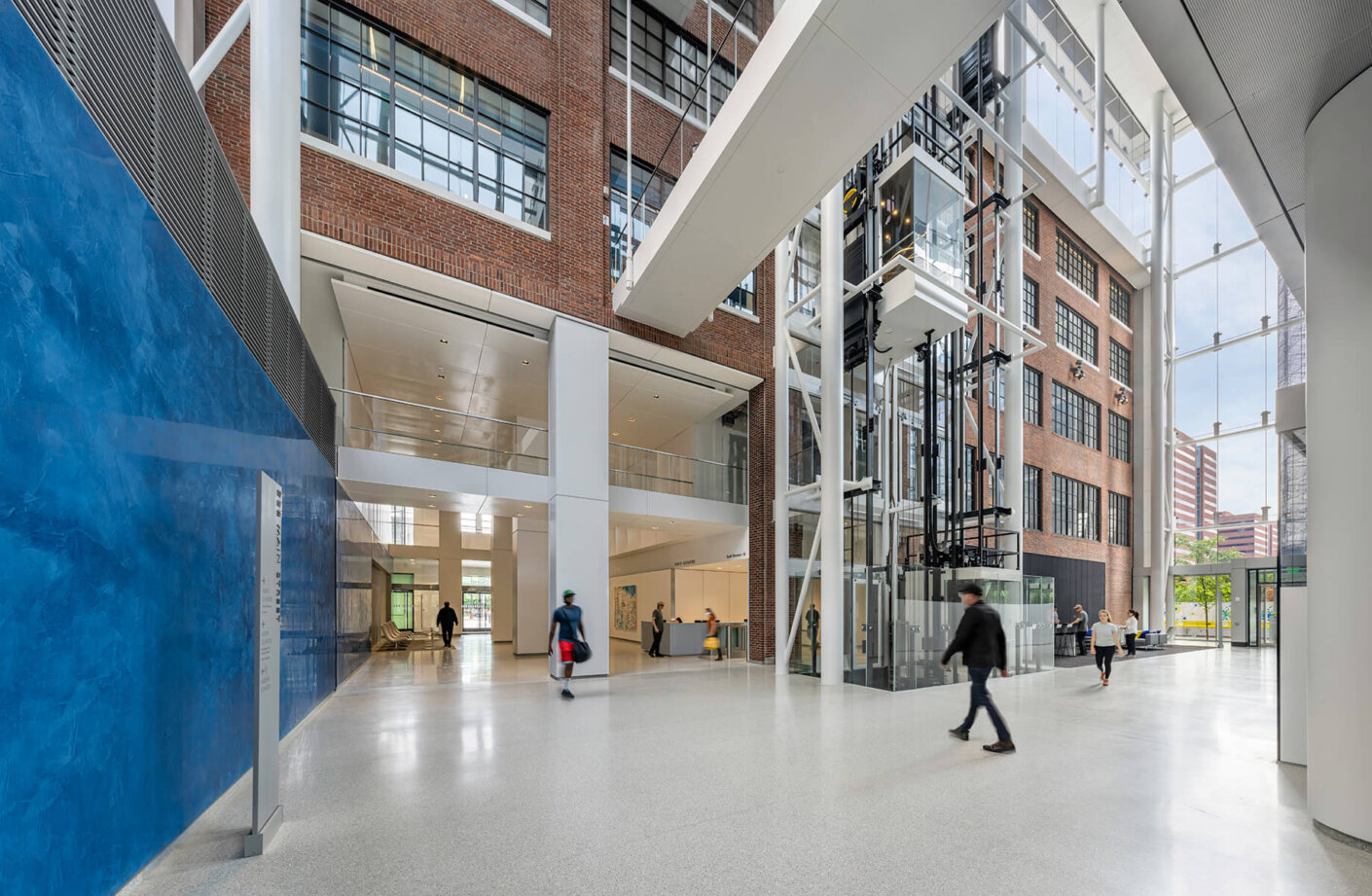
Part of MIT’s ambitious South of Main Street (SoMa) Development in the heart of Kendall Square’s innovation hub, this laboratory and office building is designed to attract tenants from small incubator start-ups to global pharma clients. The existing Main Street building’s exterior was restored while the interior was retrofitted to provide leasable space. Ground-floor retail along the perimeter enlivens the area with restaurants, service, and specialty retail, promoting pedestrian-oriented activities and enhancing MIT’s culture of innovation. A refreshed entry and dynamic lobby link the addition to the restoration.
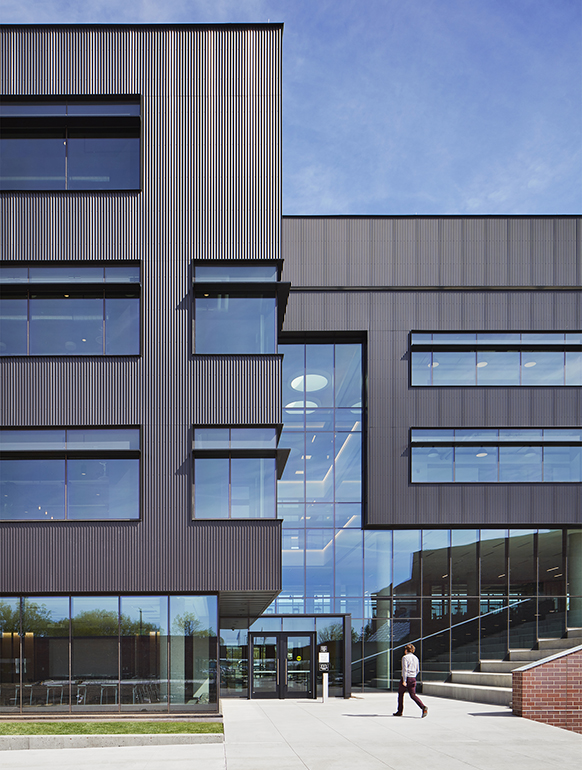
Set within the sensitive context of Cambridge, the building’s design reinforces the scale and character of its neighborhood and maintains the pedestrian scale of Kendall Square. MIT’s commitment to placemaking shaped every decision—fostering inclusivity while safeguarding the character that makes Kendall Square distinct.
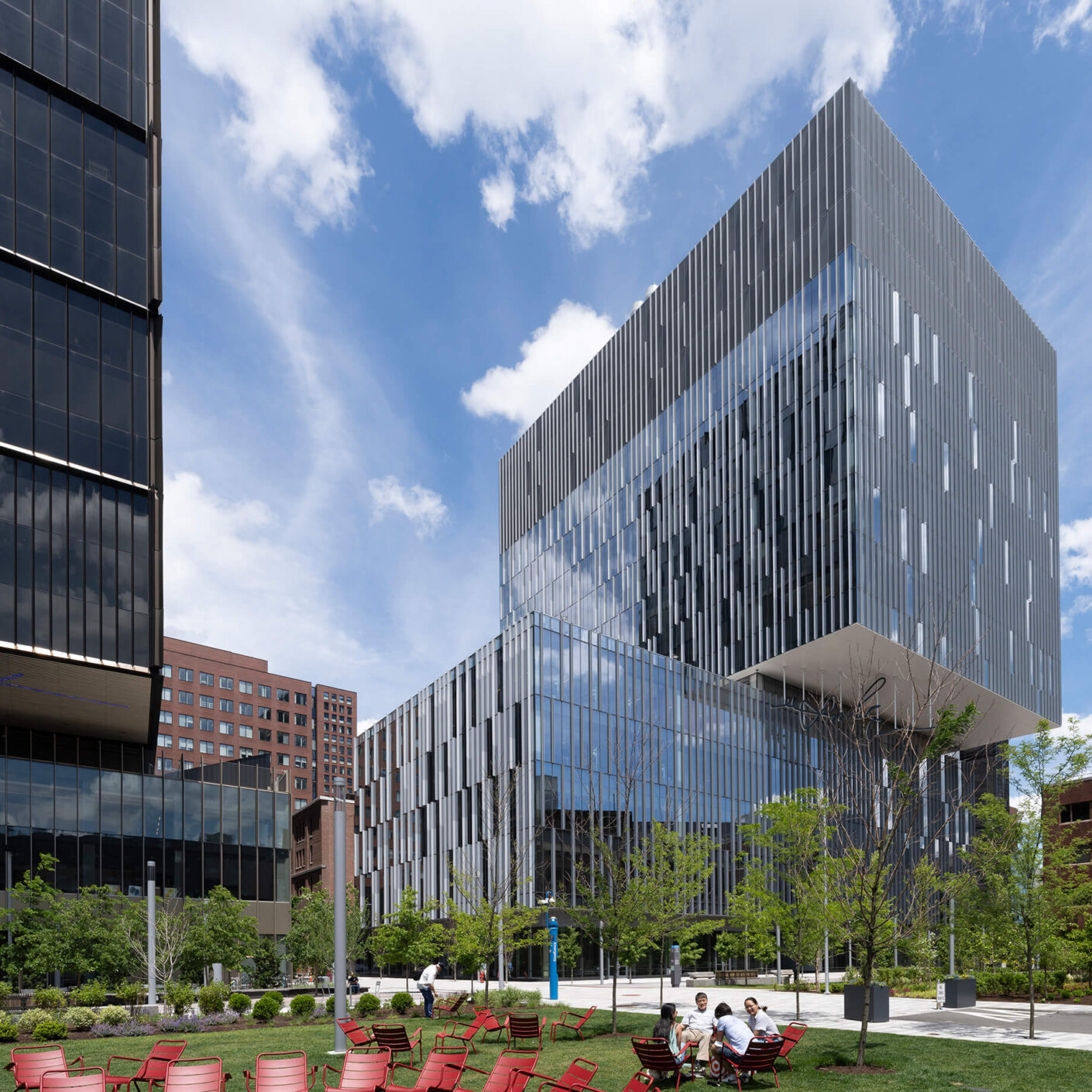
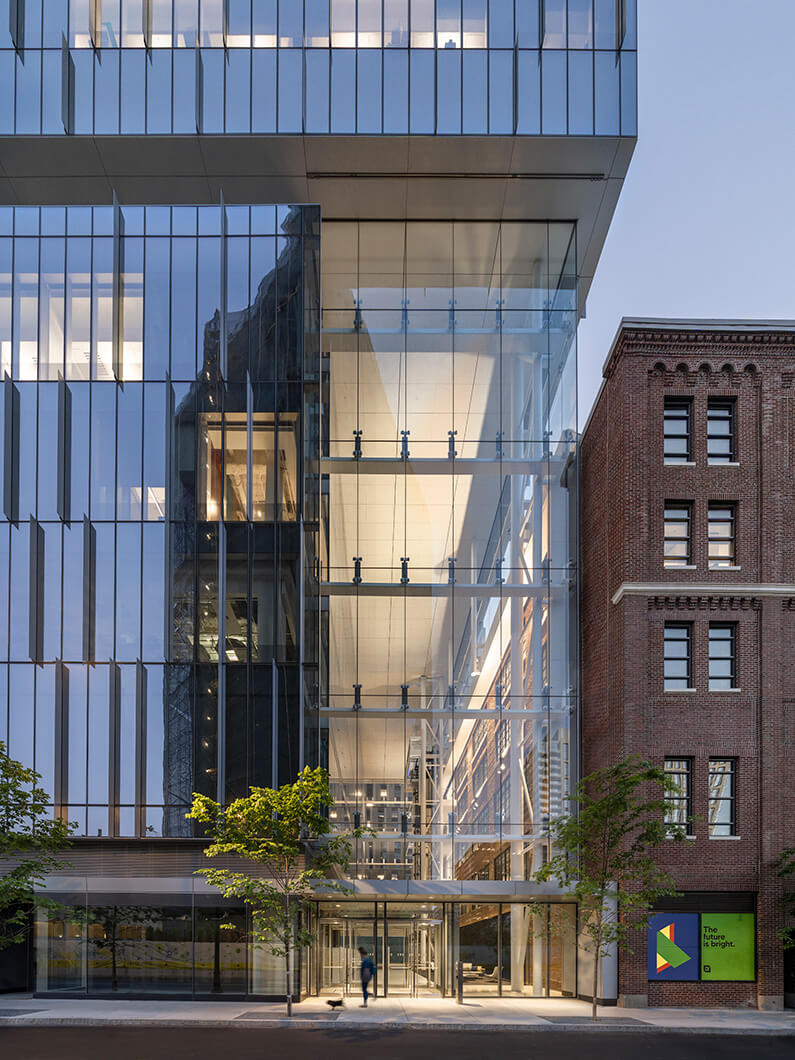
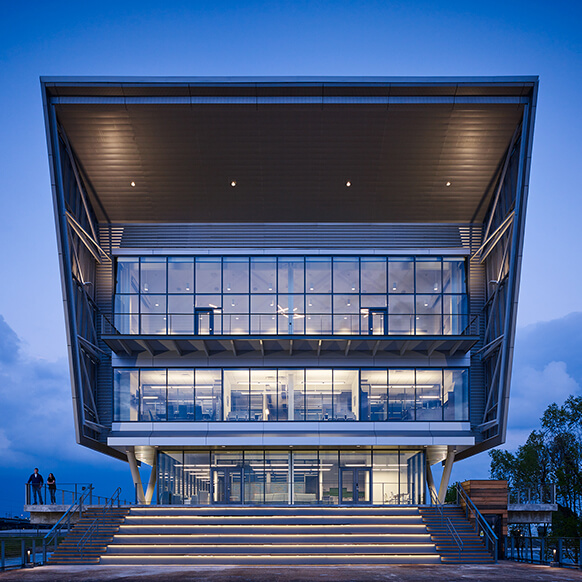
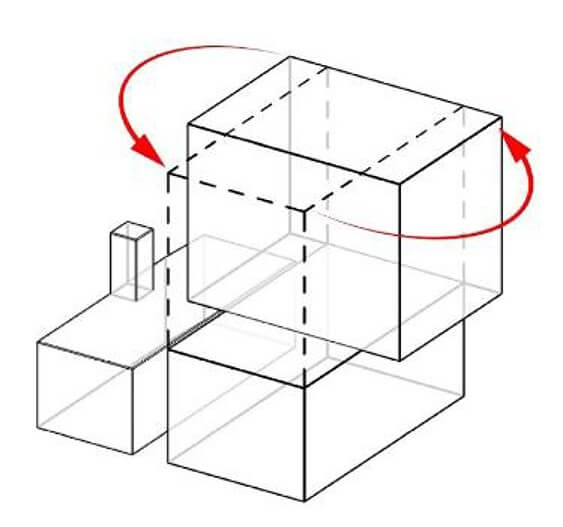
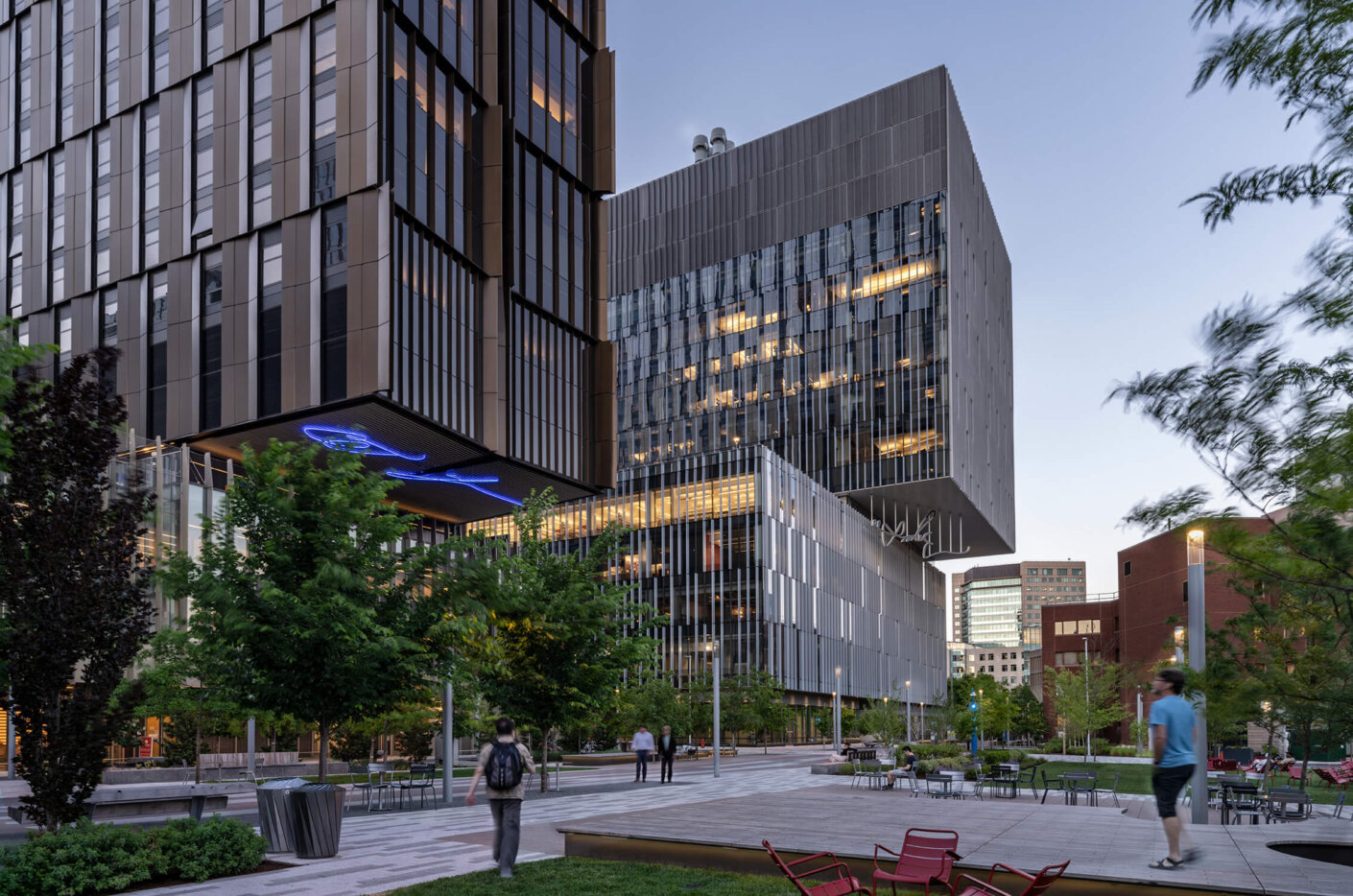
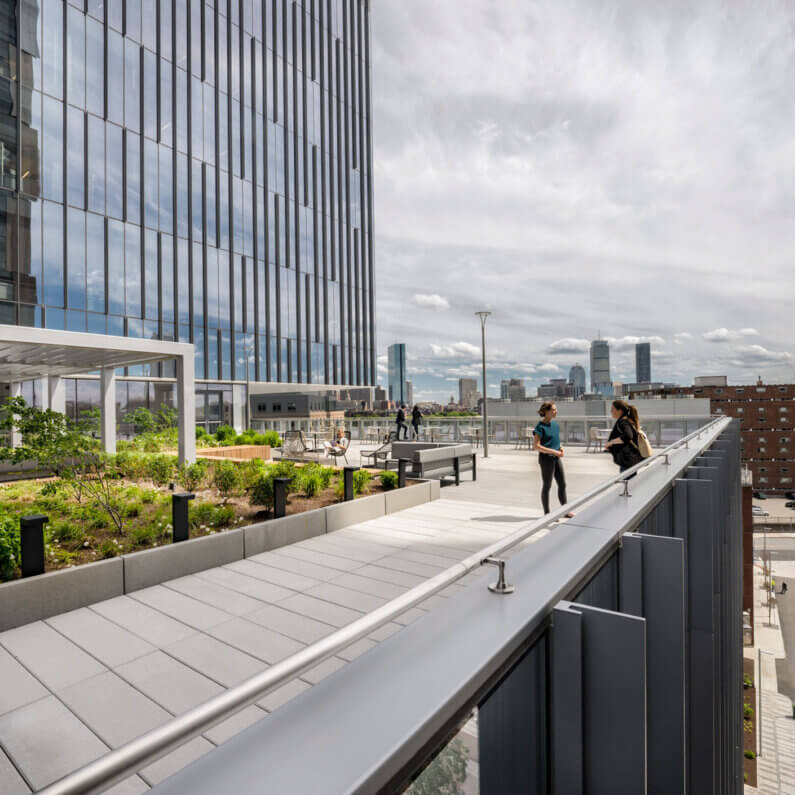
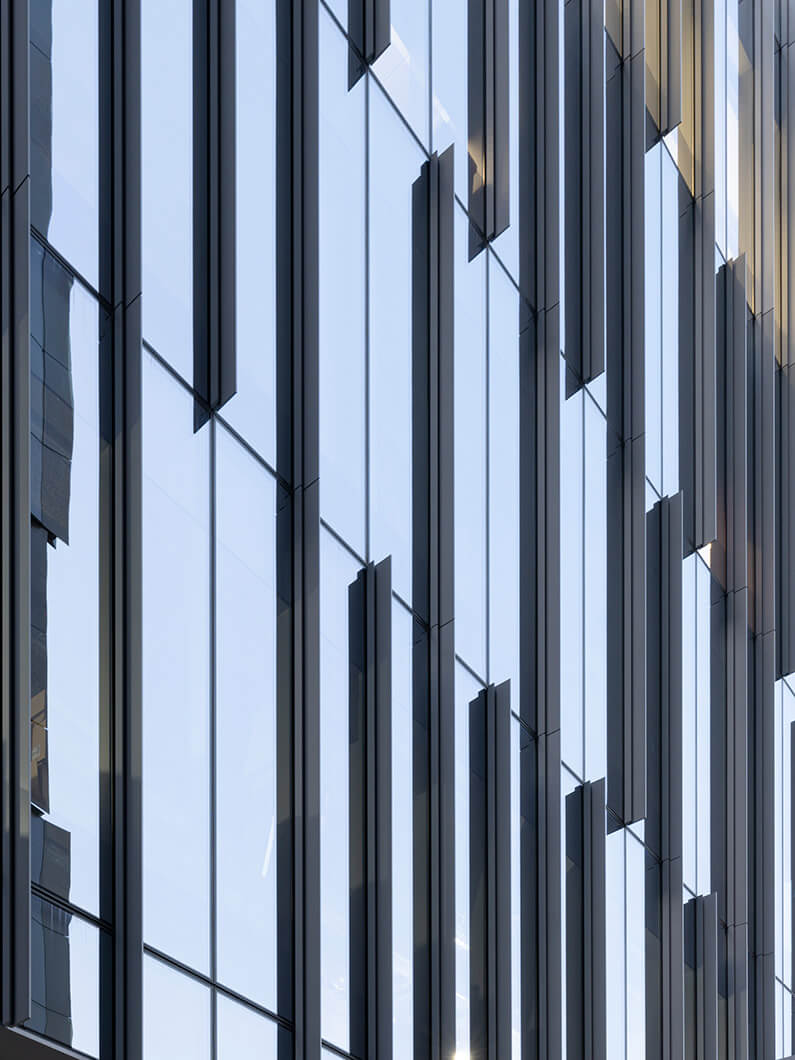
The twisted mass frames a new outdoor gathering space at the eastern terminus of the university’s famed “Infinite Corridor,” while tempering the building’s perceived scale along Main Street. By pivoting the structure, the design reduces both the massing and shadows cast to the north, and gives rise to a roof terrace overlooking the public open space below.
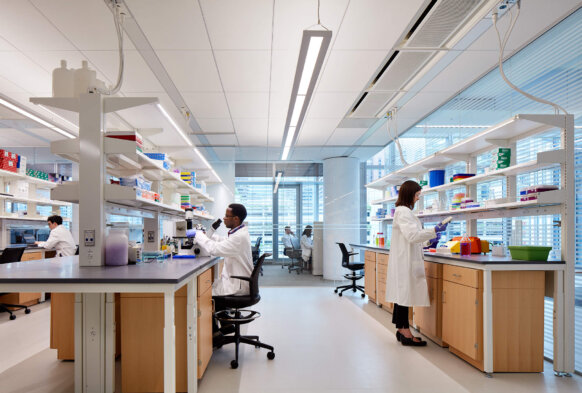
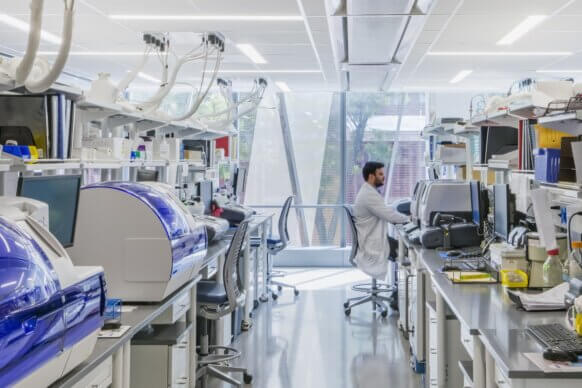
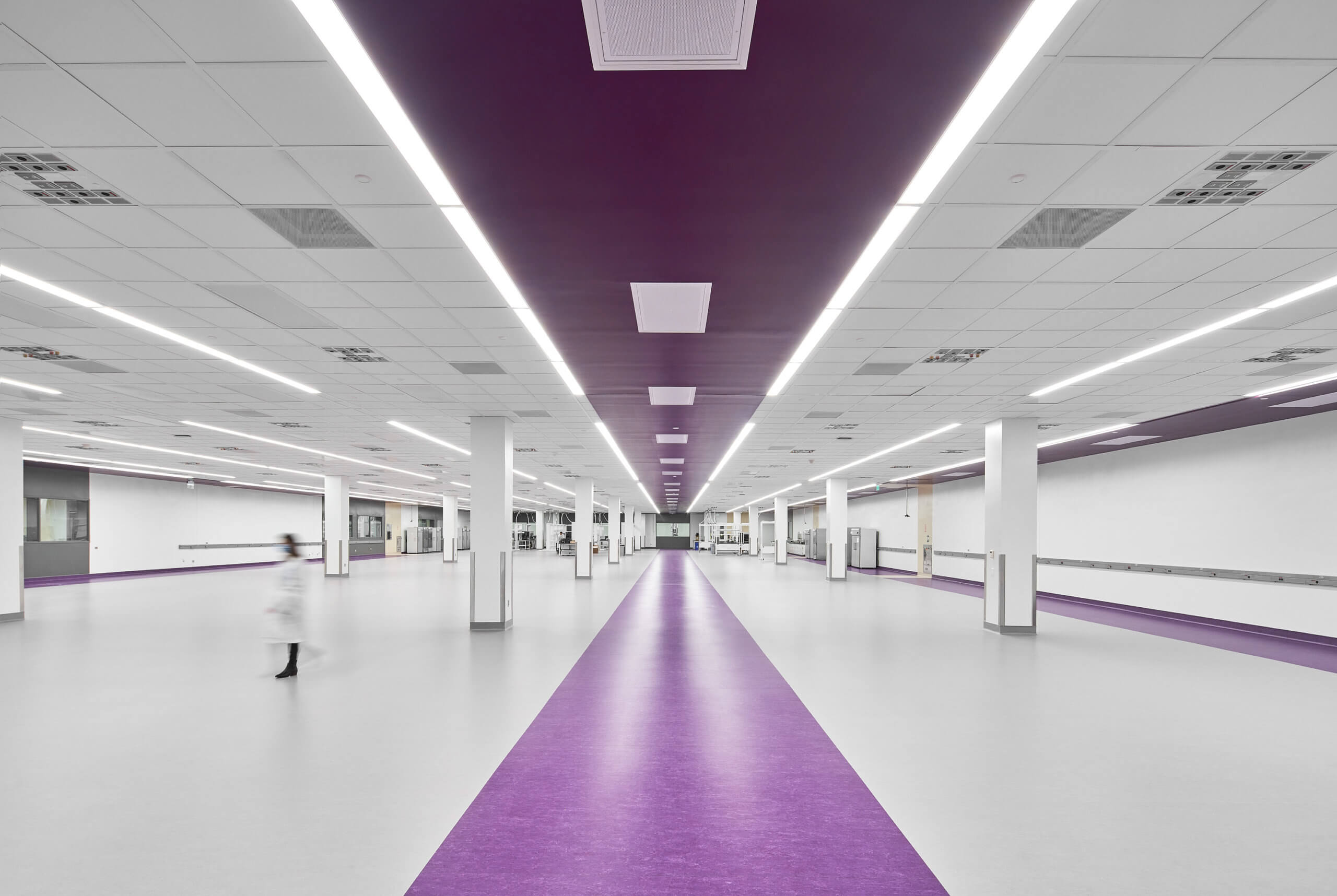
The 25,000 square foot floorplate responds to market demands and provides flexible space for single or multiple tenants to carry out complex research.
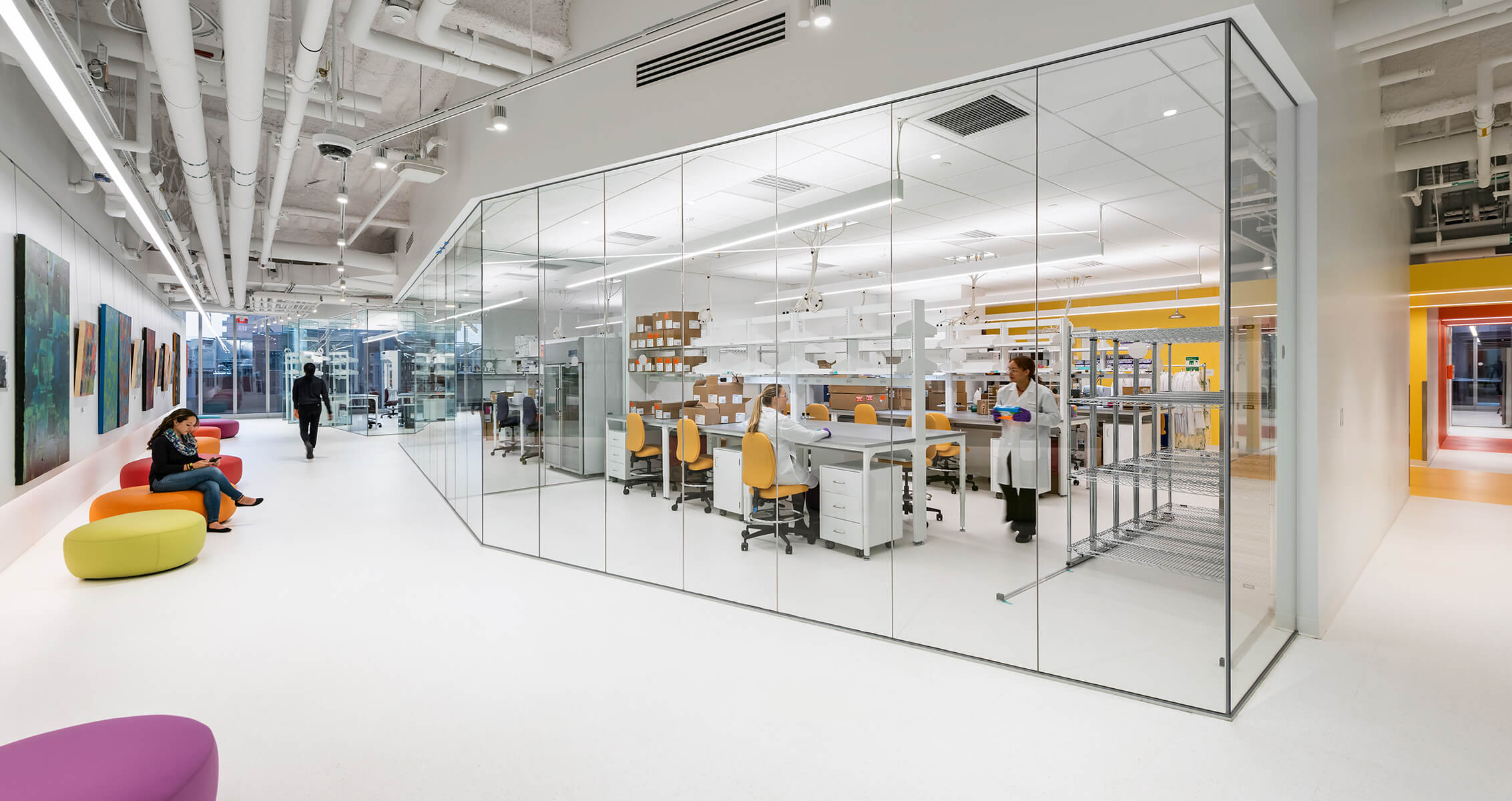
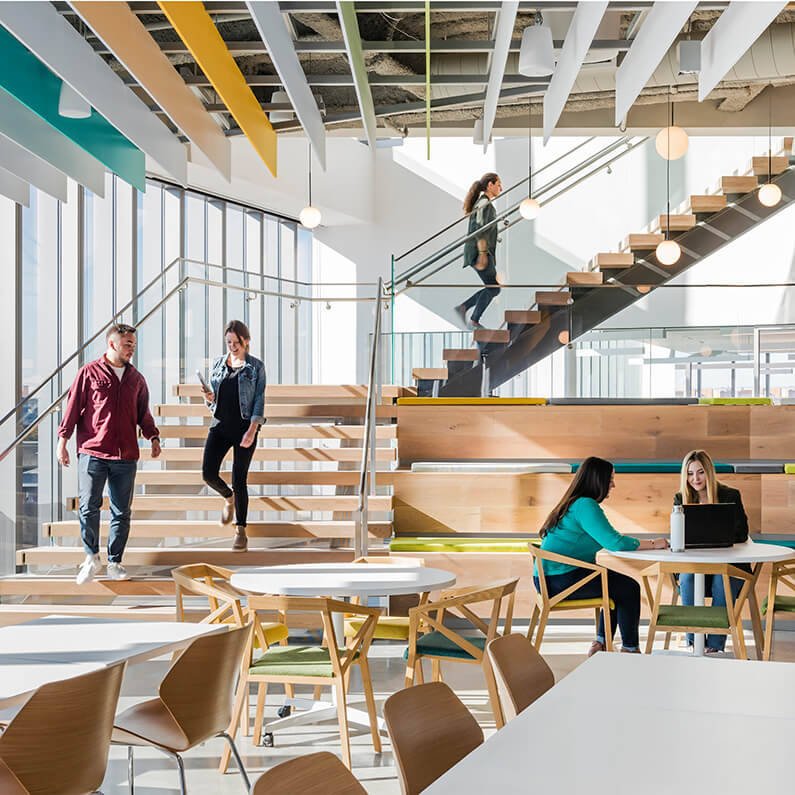
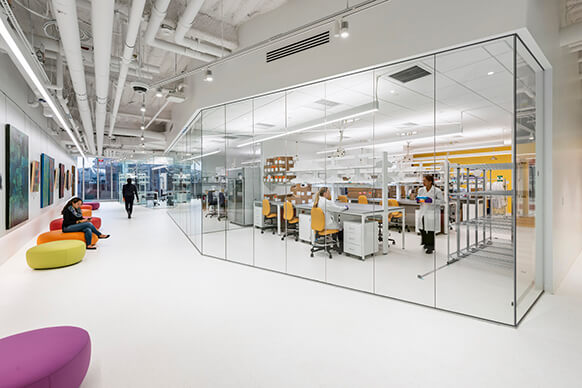
A range of science tenants—from a world-renowned pharmaceutical firm to a mid-stage life sciences company and a dynamic incubator startup—occupy the building as a vertical community of science. Each tenant’s space was uniquely designed to reflect their individual mission, culture, and scientific identity. Together, they embody both the particular and the whole: a community of innovators that fits seamlessly into the broader fabric of Kendall Square, MIT, and Cambridge.