Bio-Based and Natural Materials
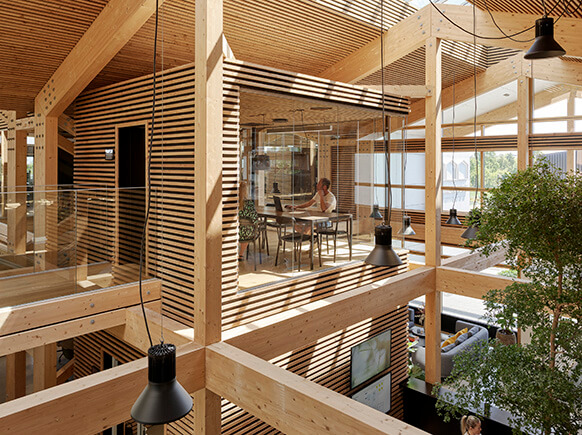
As the impacts of climate change, biodiversity loss, and social inequity become more visible, bio-based and natural materials are receiving growing interest in architecture and design. In addition to being low-carbon or carbon-storing, these materials, when sourced and specified with care, can present new opportunities to achieve regenerative design goals and create healthier environments, in accordance with the Planetary Boundaries Framework and the AIA Materials Pledge.

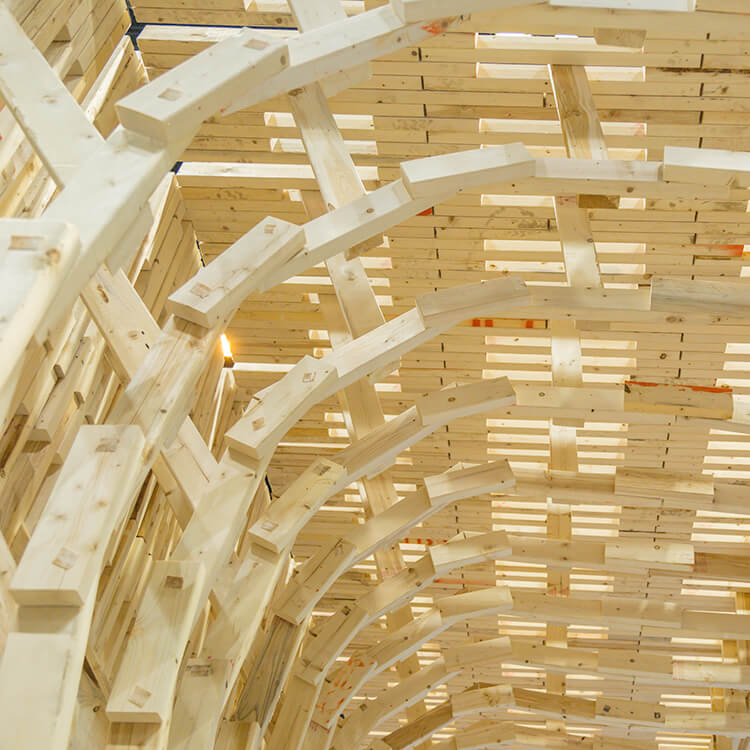
Bio-based materials are derived from living systems and can be regenerated, cultivated, or processed for architectural use—from structural timber and hempcrete to seaweed panels and microbial coatings. Despite their increasing viability, adoption remains limited, particularly in North America, due to legacy procurement and supply chains, outdated standards, and a risk-averse construction culture that favors conventional materials.
Addressing these barriers will require coordinated, industry-wide action. The reports outlined here provide a practical starting point by outlining current options, identifying near-term opportunities, and showing how advocacy, strategic investment, and pilot projects can accelerate broader adoption.
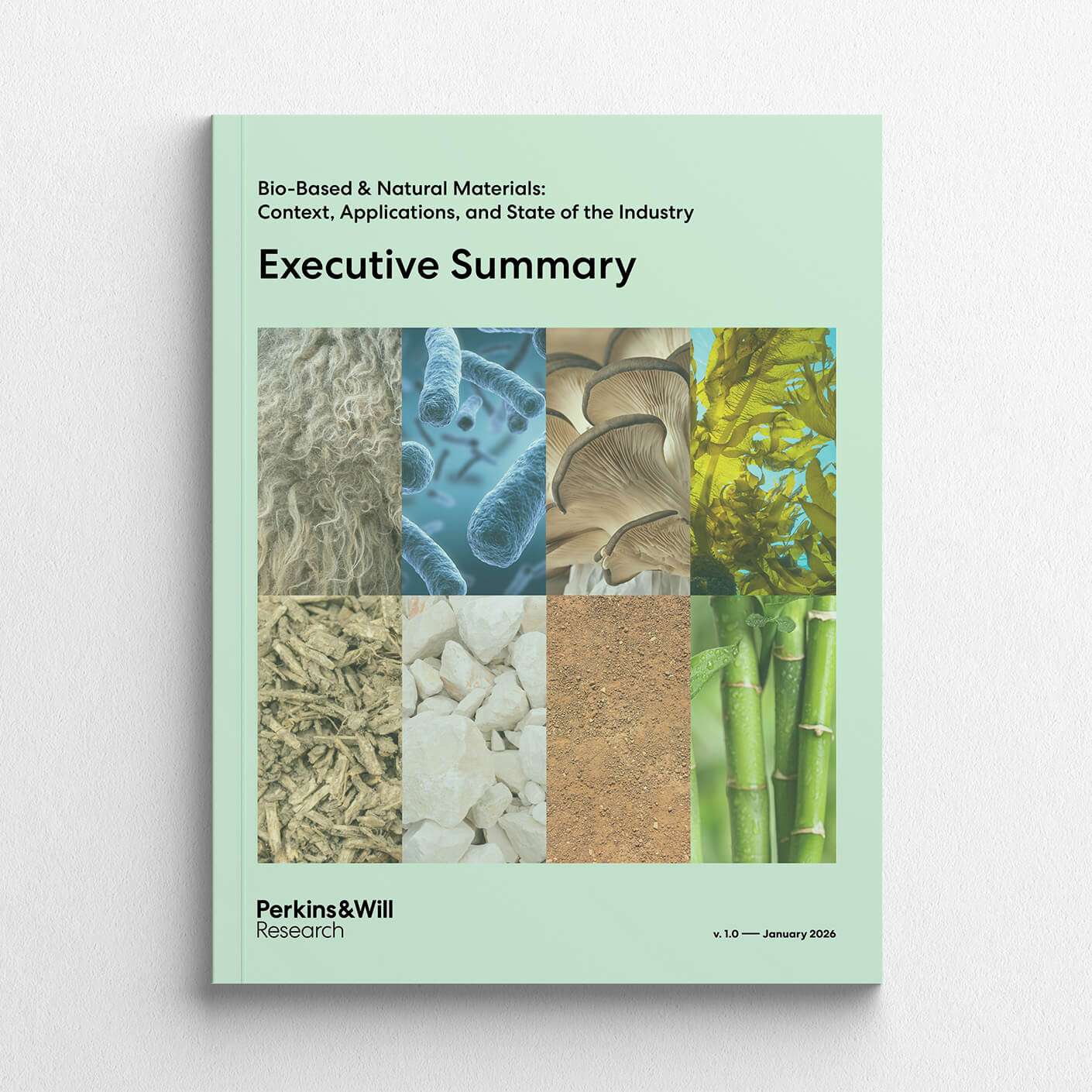
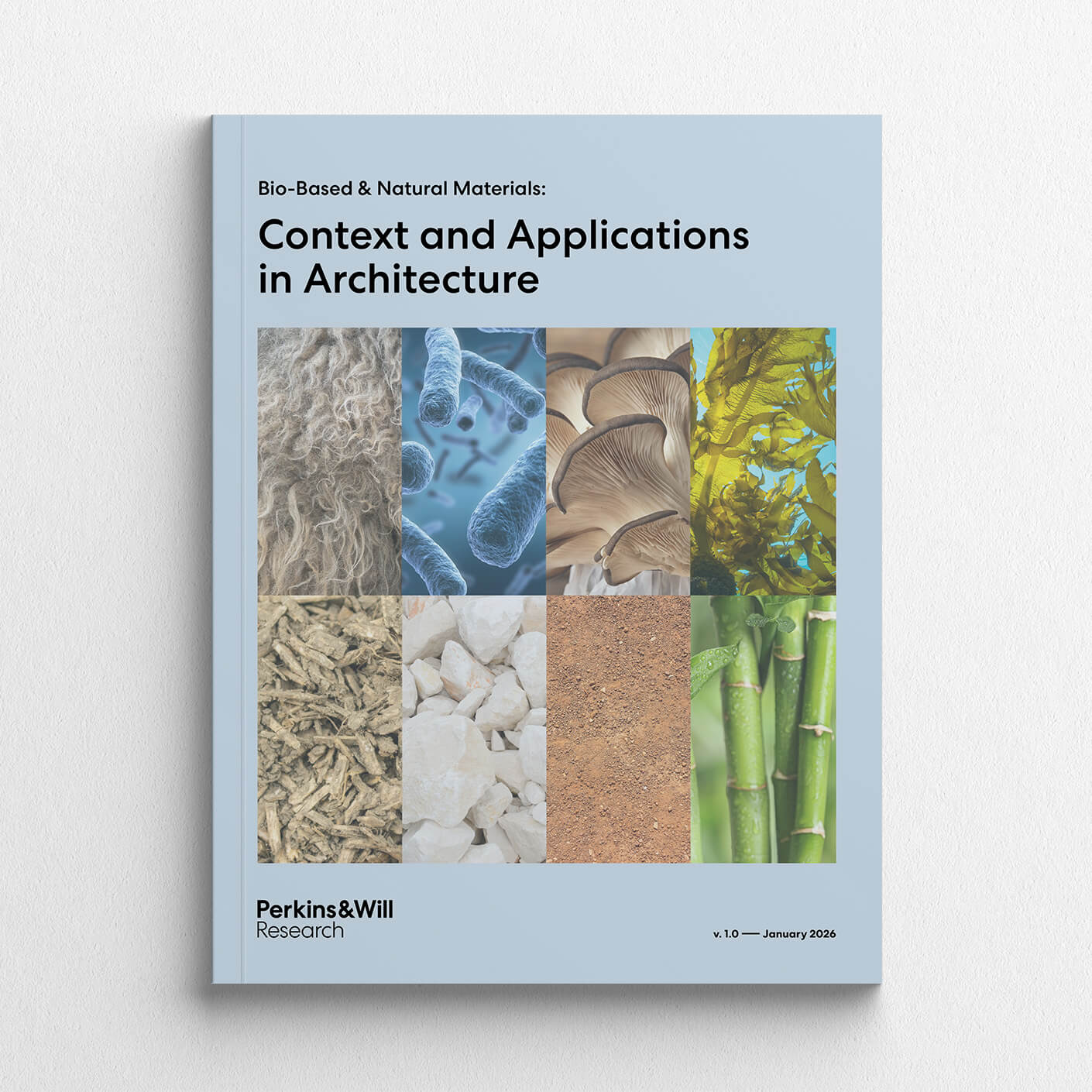
If you’re new to the subject, this summary report is a great place to start. In it, we assess the potential of bio-based and natural products in North America through:
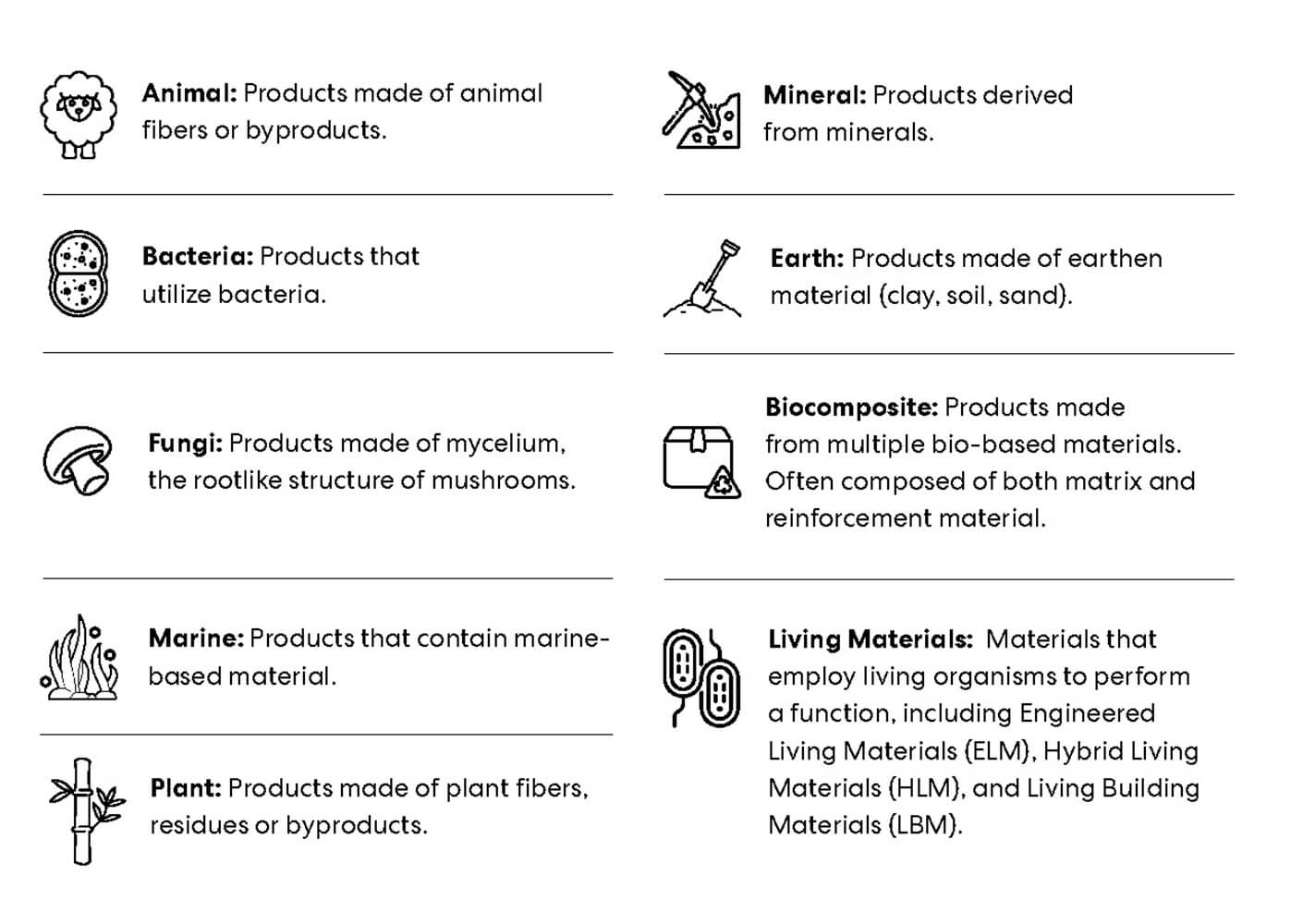
- An introduction to material categories and Technology Readiness Levels (TRLs).
- Matrices of materials at currently available and early adoption stages, with application and substitution recommendations.
- An overview of the state of the industry, including key opportunities, challenges, and market signals shaping adoption.
- Recommended actions and an index of tools and resources.
The challenge ahead is not technical feasibility, but creativity and integration: aligning design culture, supply chains, and policy to meet the urgency of climate, health, and equity goals.
The future of construction is not fixed; it’s something we design. This instructional report provides a roadmap for integrating bio-based and natural materials into real-world scenarios and will be particularly useful for design teams and project partners.
In it you’ll find:
- A call to action, outlining how the built environment has become one of the largest contributors to global carbon emissions, biodiversity loss, and resource depletion.
- Guidance for evaluating and sourcing hundreds of available products and integrating material partnerships into the design and construction process.
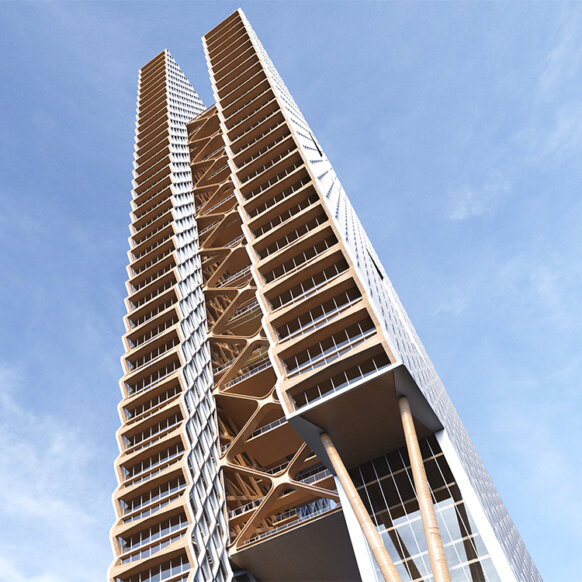
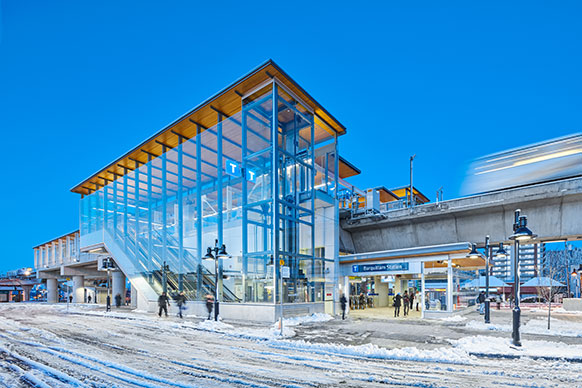
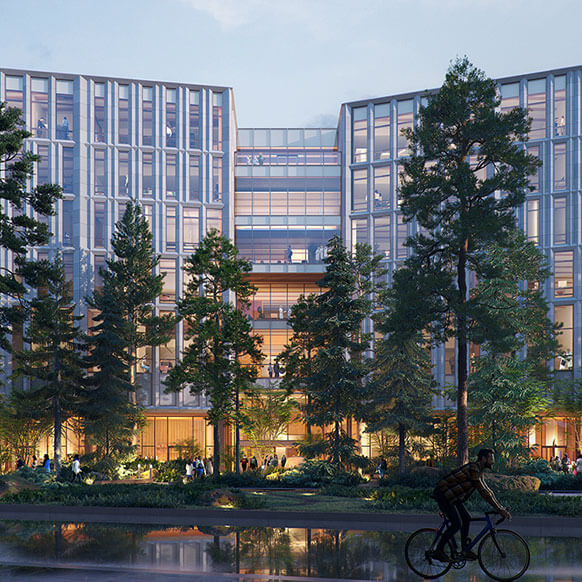
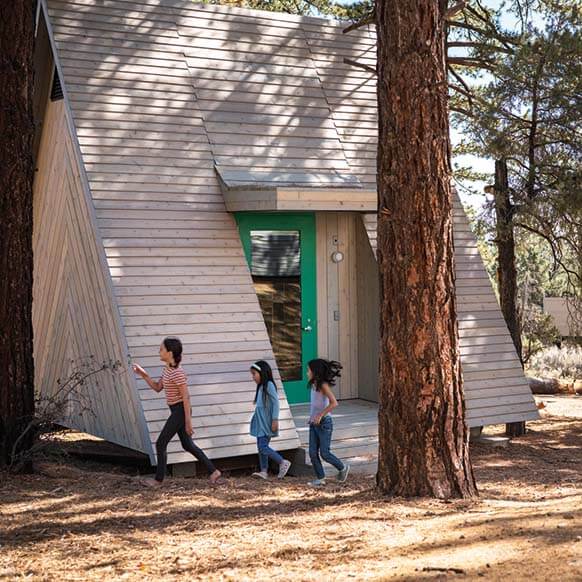
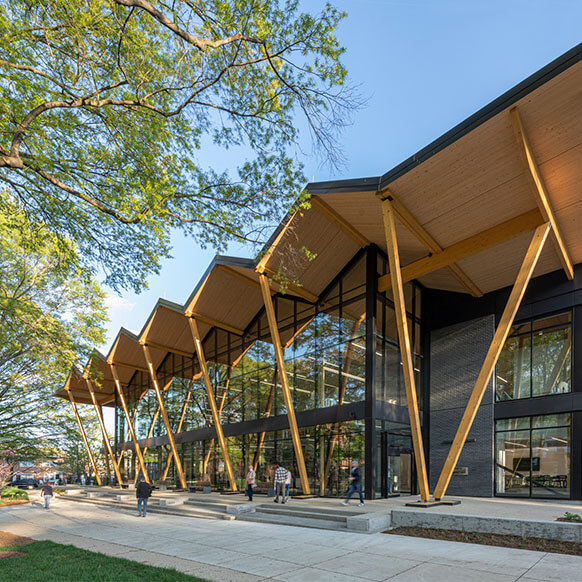
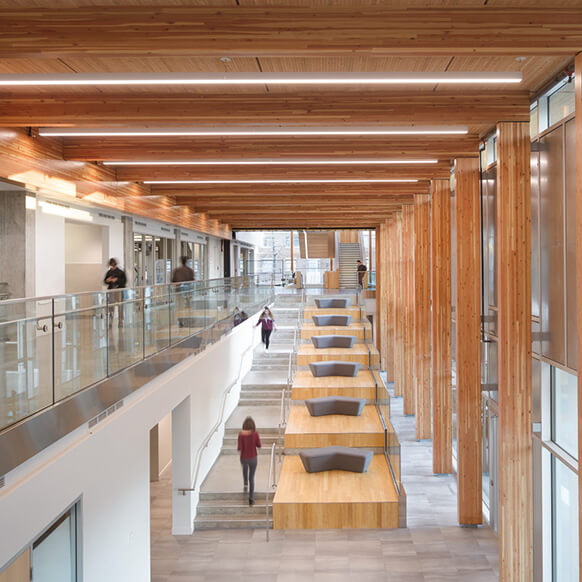
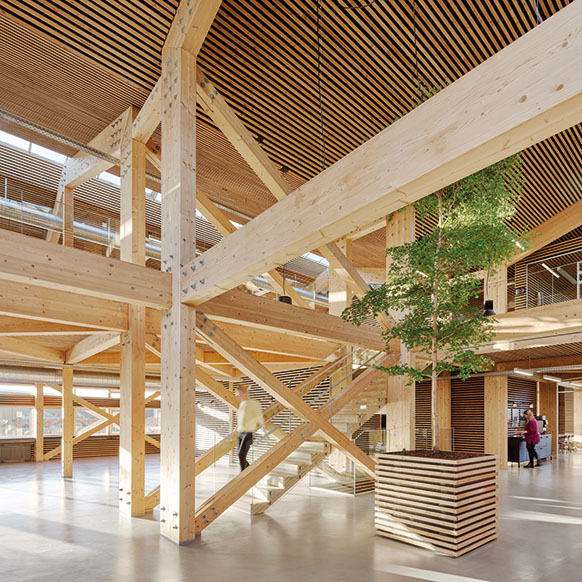
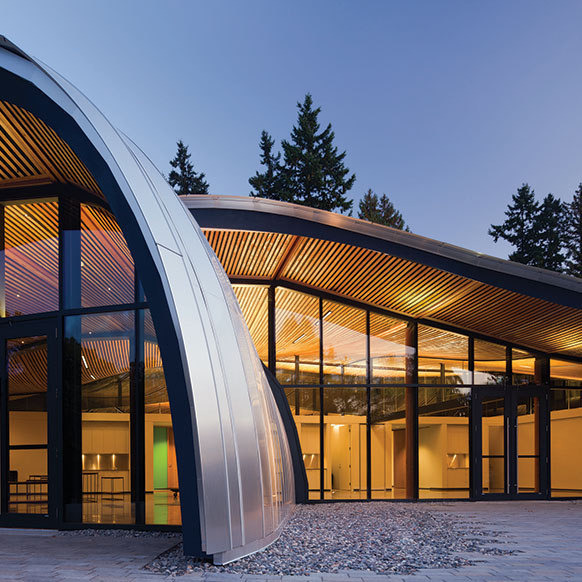
- Examples of Perkins&Will projects that turn potential into practice.
- A comprehensive glossary of terms and guiding questions for design teams.
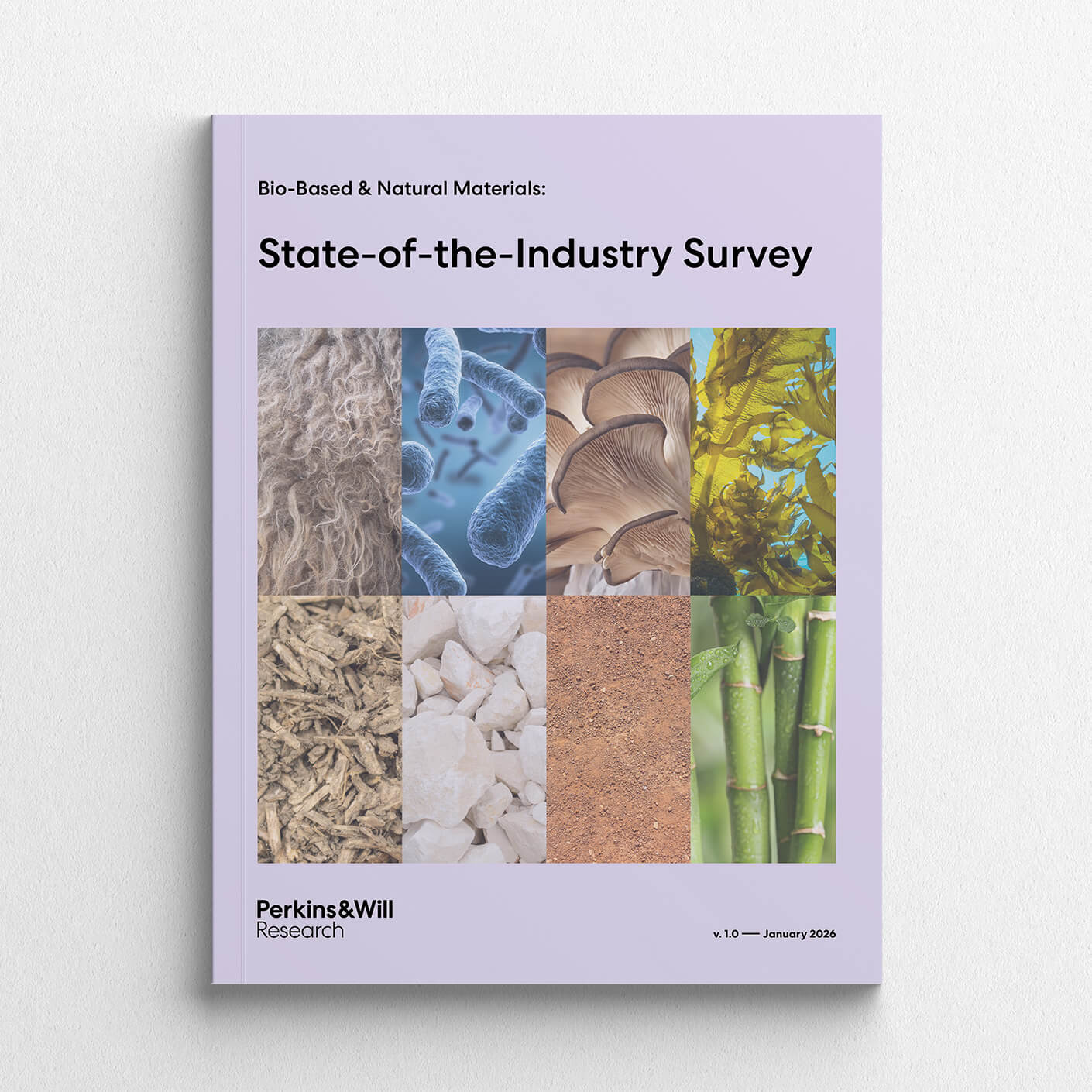
To take confident action, we need to demystify the landscape of bio-based materials, including their availability, benefits, barriers, and regenerative potential. This survey provides directional signals for where the industry is heading.
Research for this survey involved conversations with designers, researchers, manufacturers, and ecologists; we also reviewed case studies, industry collaborations, academic reports, and product literature to inform our analysis.
Key takeaways include:
- Policy change, pilot projects, and growing consumer demand are strengthening momentum toward bio-based construction, supported by expanding research and regional production networks.
- Inertia remains in the form of fragmented standards, supply chain delays, and cautious market behavior.
- These forces define a sector in transition where technical feasibility is increasingly clear, but market systems lag.
Kendall Claus and Jesce Walz, Perkins&Will Research



More Content