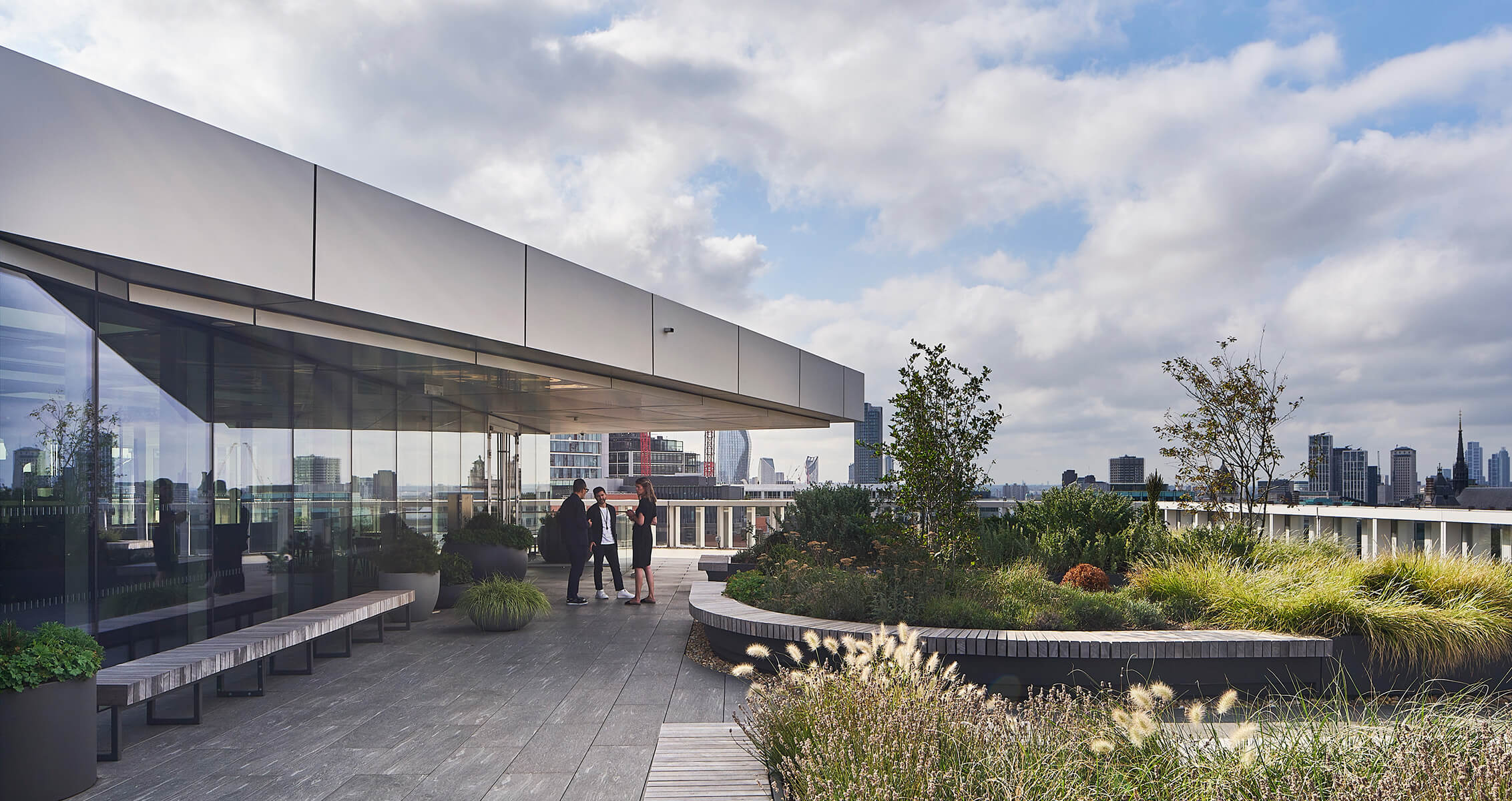
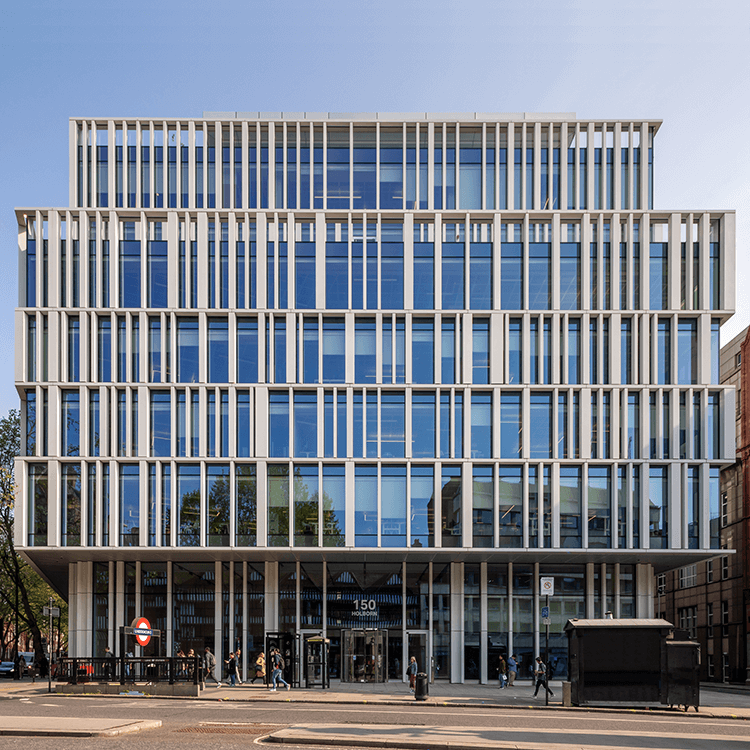
Welcome to our London studio
The challenges of an ever-complex world require boundary pushing solutions. As a hub of collaboration, our London studio recognises that it is the combined knowledge and expertise of our multiple design disciplines that allows us to be greater than the sum of our parts; delivering whole places that are holistically responsive in both approach and activation.
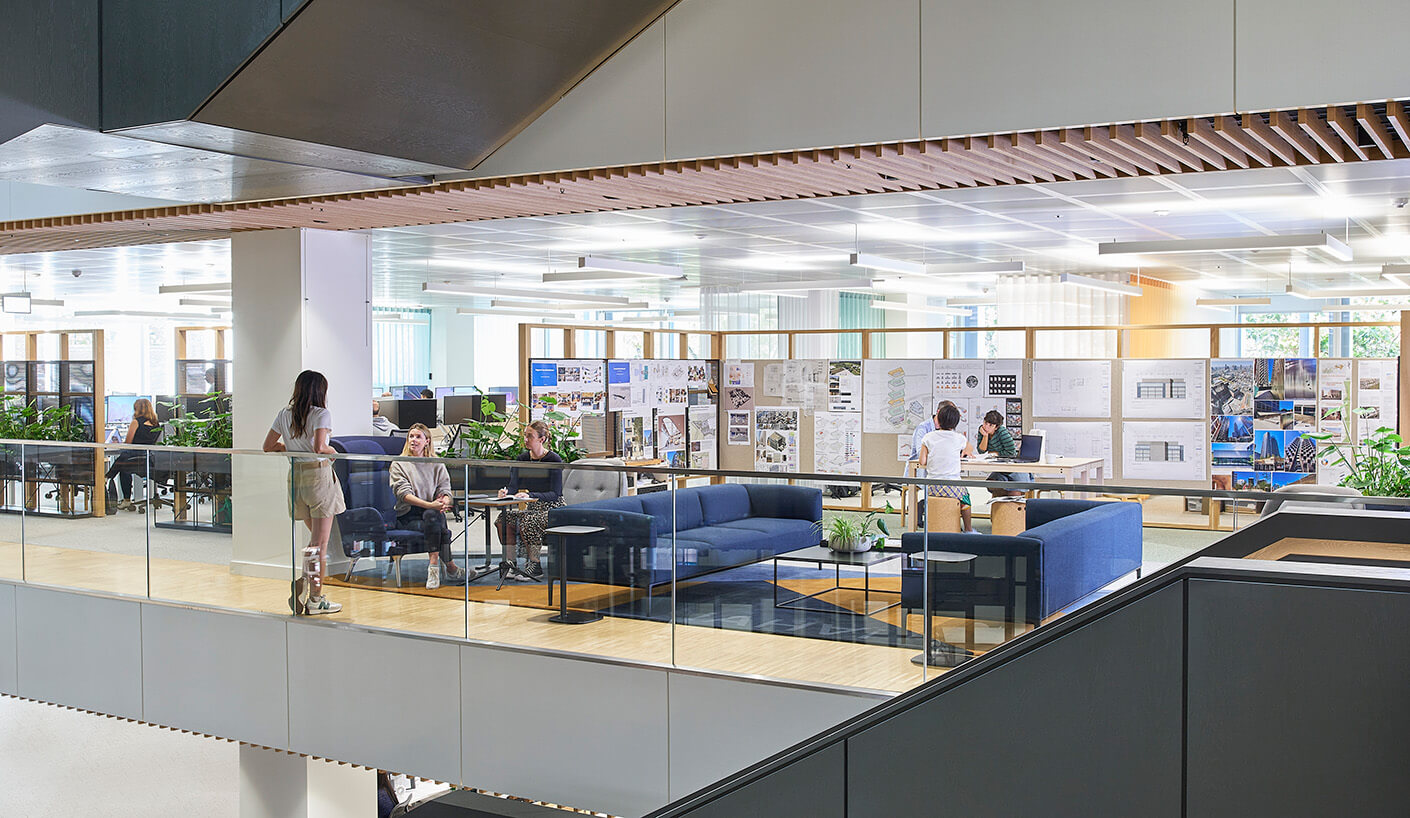
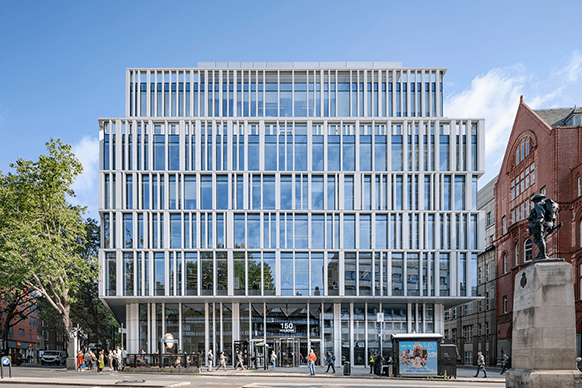
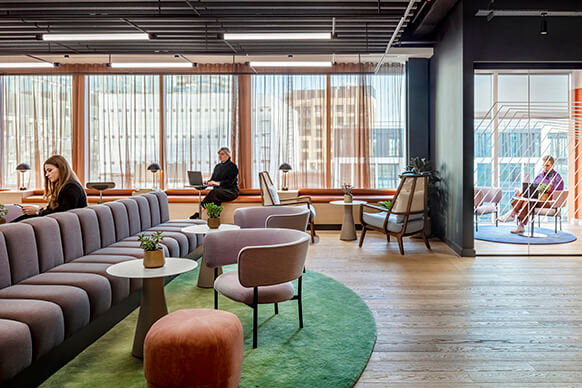
Perkins&Will’s Living Design philosophy sits at the heart of our home in London’s midtown district. The framework has been central in 150 Holborn’s evolution as a living lab that supports our commitment to deliver research-driven, human-centric design. It is an empowering place designed with inclusion at the heart, driven by individual agency and self-organisation, where design is the common language for connections.
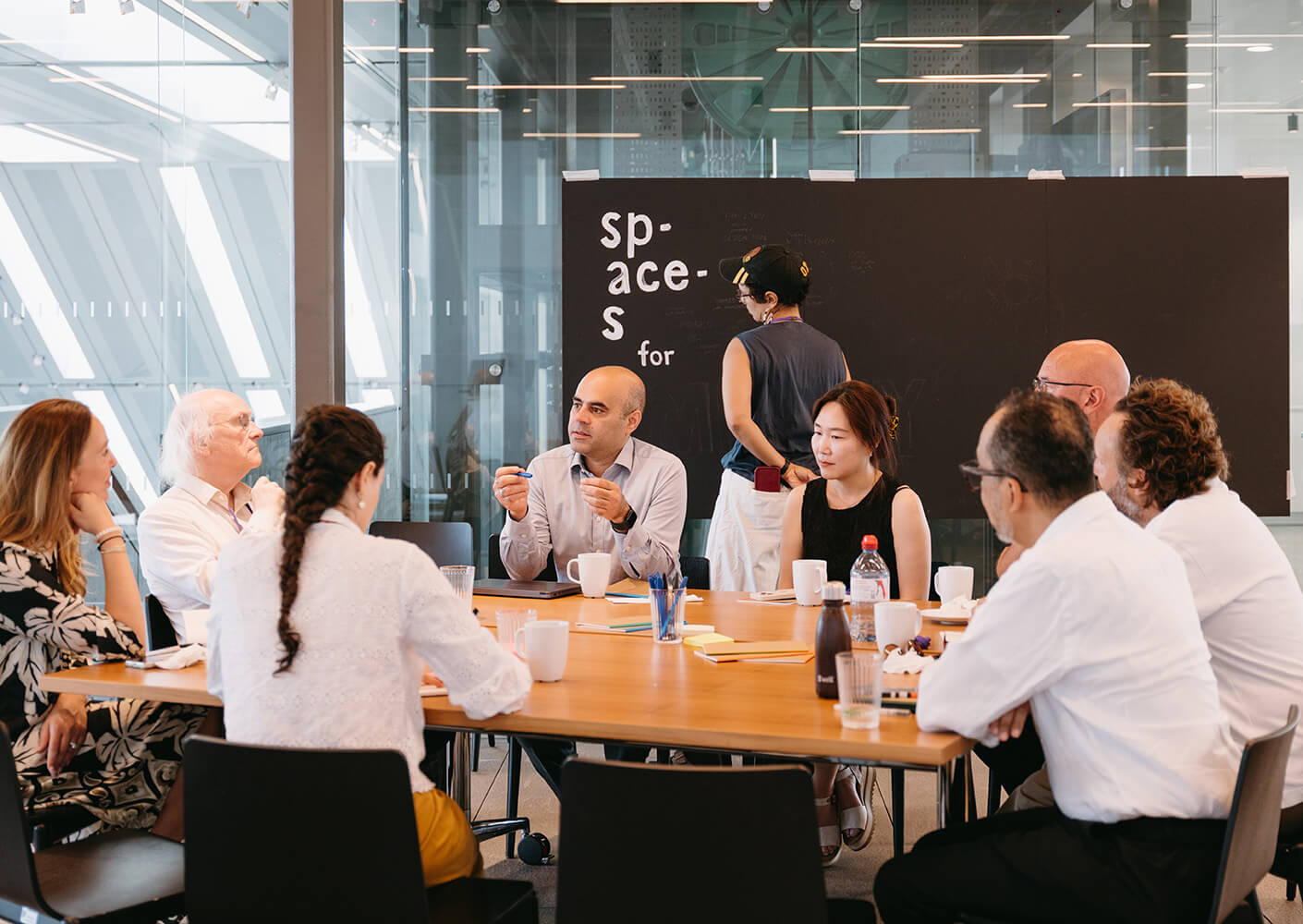
In June, our ‘spaces for:’ roundtable explored what it means to design with empathy – putting lived experience at the centre of the spaces we create.
We explored the idea of the ‘city of longevity’ and the responsibility that comes with creating spaces that people will live, work and grow in for generations. The conversation brought together a diverse group of voices to consider how we can design for the future while responding to the needs of people today.
The discussion challenged us to think differently about who we’re creating spaces for – making sure different experiences and perspectives are heard, rather than designing around an idea of what is “typical”.
Ultimately, empathy isn’t something that can sit with one person. It’s a system that needs to be built, funded and maintained to create places that work for people – now and for generations to come.
Thank you to everyone who joined us and contributed to such a thoughtful and thought-provoking conversation.
Check out insights from lasts year’s ‘spaces for:’ roundtables here.
As healthcare estates strive to meet ambitious sustainability targets, green roofs are becoming an increasingly attractive solution. But how can hospitals realise their environmental benefits while maintaining the highest standards of infection prevention and patient safety? Using the proposed Cambridge University Hospitals Acute Hospital as a pilot, this research explores the relationship between rooftop green infrastructure and clinical risk. Drawing on NHS guidance and practice-based evidence, it provides a framework to help healthcare planners, architects and estates teams make informed early-stage design decisions that balance resilience, biodiversity and wellbeing with safe hospital operation.
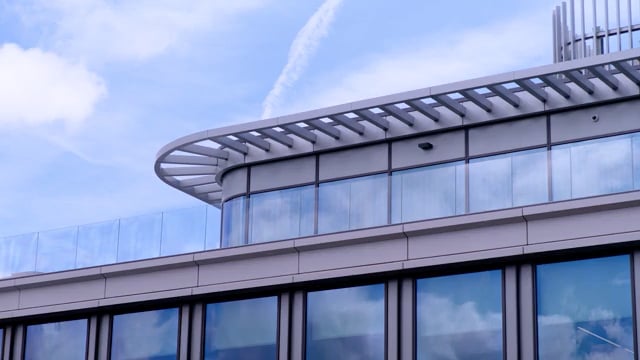
The Rt Hon. Sir Ed Davey, MP for Kingston and Surbiton, has officially opened Sunlight House, Unilever’s new 200,000-square-foot, purpose-built U.K. and Ireland headquarters in the heart of Kingston-upon-Thames.
The new Campus, which will house 1,200 employees from Unilever’s global and U.K. teams, represents a multi-million-pound investment and took six years to design and build. Employees based at the campus will benefit from facilities including a 250-seater auditorium, gym and exercise studio, hair salon, market hall restaurant, and staff shop.
“The new Kingston Campus is a fantastic investment in our borough, bringing high-quality jobs, supporting local businesses and reinforcing Kingston’s reputation as a vibrant hub for innovation and growth. It’s great to see such a vote of confidence from a global company like Unilever continuing to back our community and contribute to the local economy,” says The Rt Hon. Sir Ed Davey MP.
The opening marks a significant milestone in Unilever’s long-standing commitment to Kingston, where the company has been based for more than 50 years.
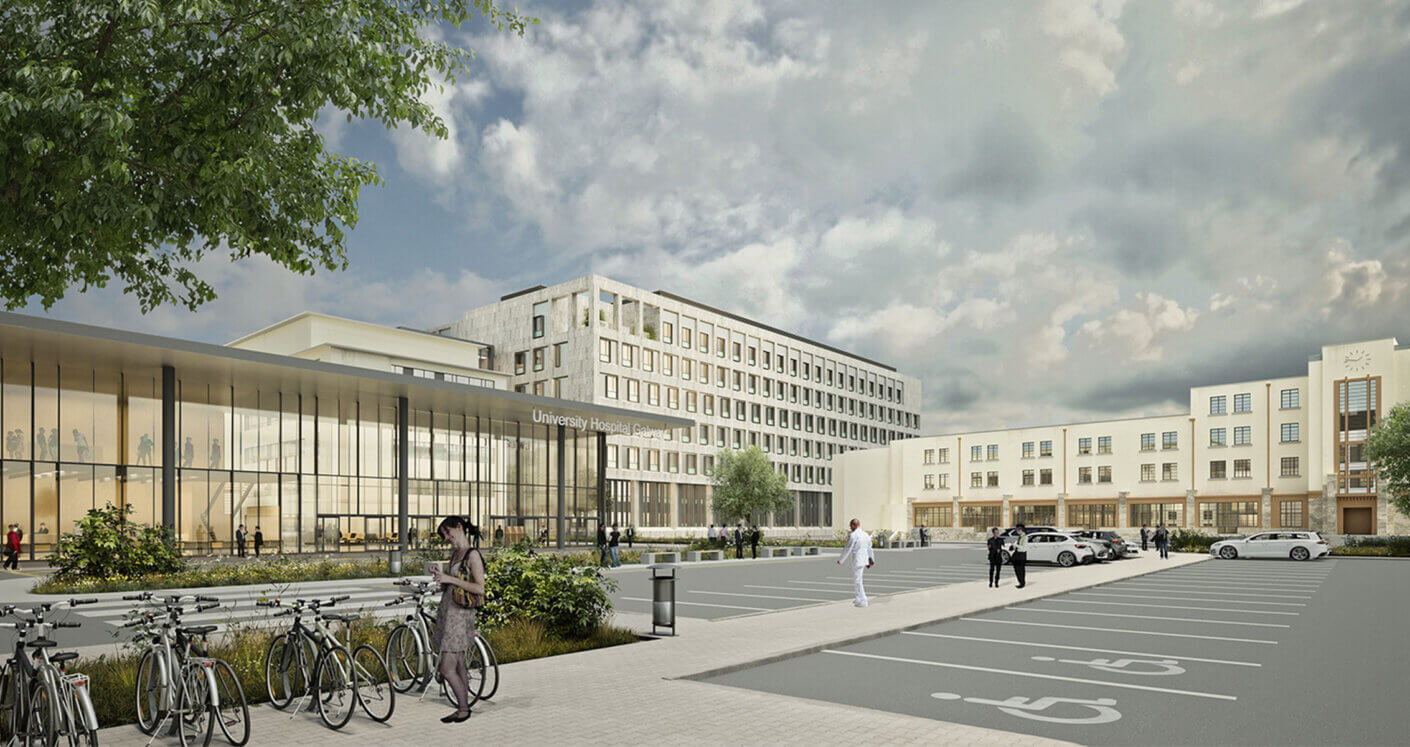
Perkins&Will, working with Dublin-based Cullen Payne Architects, has been appointed to lead the design and delivery of the first two phases of the redevelopment of University Hospital Galway (UHG), a major healthcare project that will deliver 300 new inpatient beds and support future expansion of key clinical services.
The initial phases of UHG’s long-term Development Control Plan will see the construction of two 150-bed ward blocks, helping to address capacity pressures, reduce overcrowding, and improve patient care across the west and northwest of Ireland.
The wider redevelopment programme represents one of the largest healthcare infrastructure investments in the region, and will create a modern, sustainable healthcare campus designed to meet future needs.
Click here to read more.
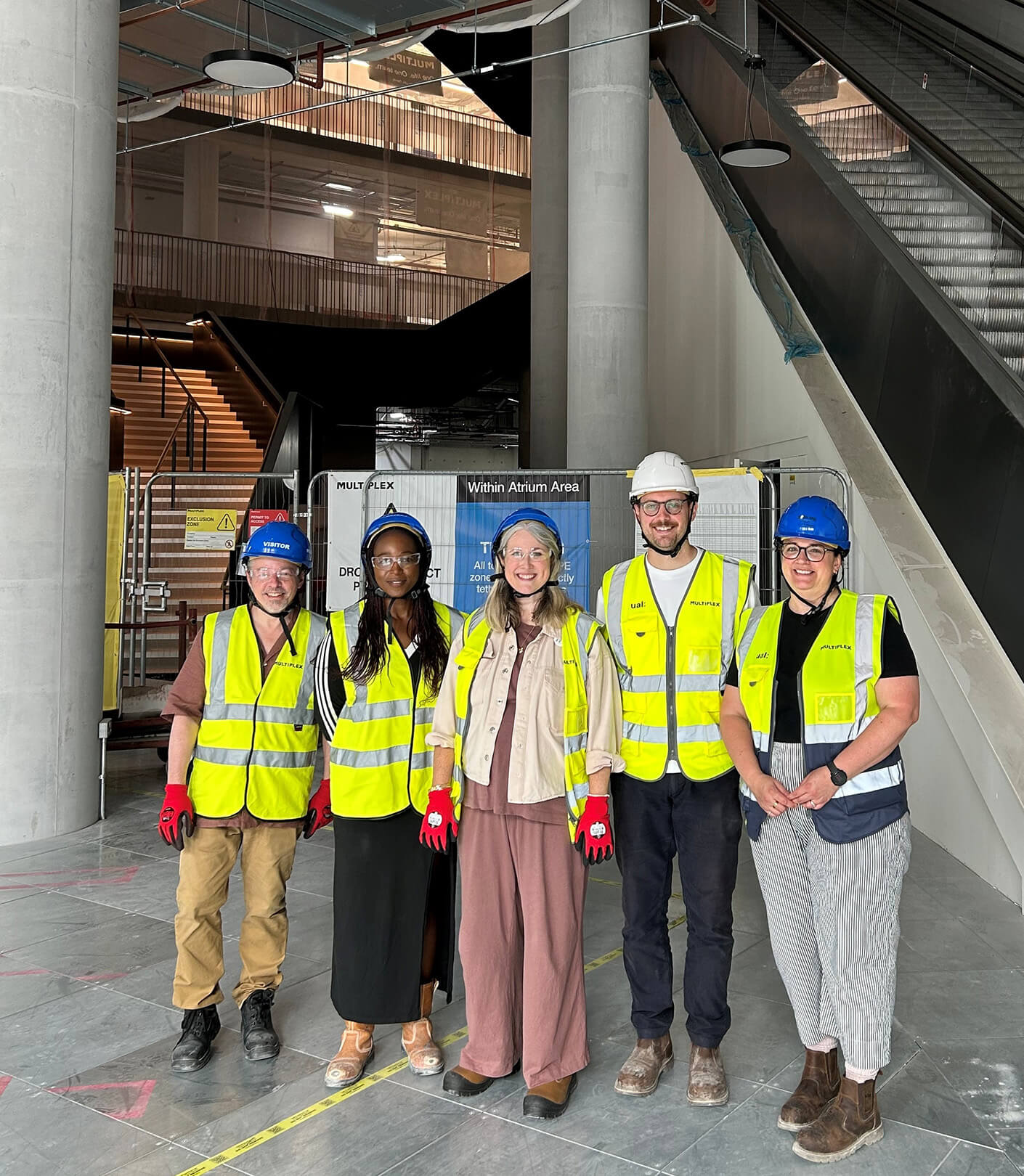
A behind-the-scenes look at one of London’s most anticipated education projects.
When David Damon, Perkins&Will’s Global Higher Education Practice Leader, visited the London College of Communication, UAL (LCC) site this week, he wasn’t just touring a construction project. He was stepping into the future of how students learn, create, and connect.
Lisa Pike, our London studio’s Higher Education Practice Leader, together with the project team and Yemi Gbajobi, UAL’s Student Union CEO, guided David through the emerging spaces that will soon reinforce LCC’s place at the heart of its Elephant & Castle community.
“What makes this project so exciting isn’t simply its scale, it’s the scale of impact it seeks to make,” says Lisa. “It’s the intention behind every decision—designing spaces that genuinely open doors for the students and communities who need them most.”
The 37,000-square-meter fit-out, on track to achieve BREEAM Outstanding, reimagines the College’s teaching environment as a series of interconnected neighbourhoods—living spaces that invite collaboration and adaptation, and are anchored in wellbeing. The street level is an open invitation to local communities to explore and engage through public exhibition and cafe spaces, while state-of-the-art teaching environments uphold LCC as a world-leading design, media, and screen institution.
For David, whose work shapes Perkins&Will’s higher education strategy across the firm, the visit offered a firsthand look at what thoughtful, people-centred design can mean for student success at scale.
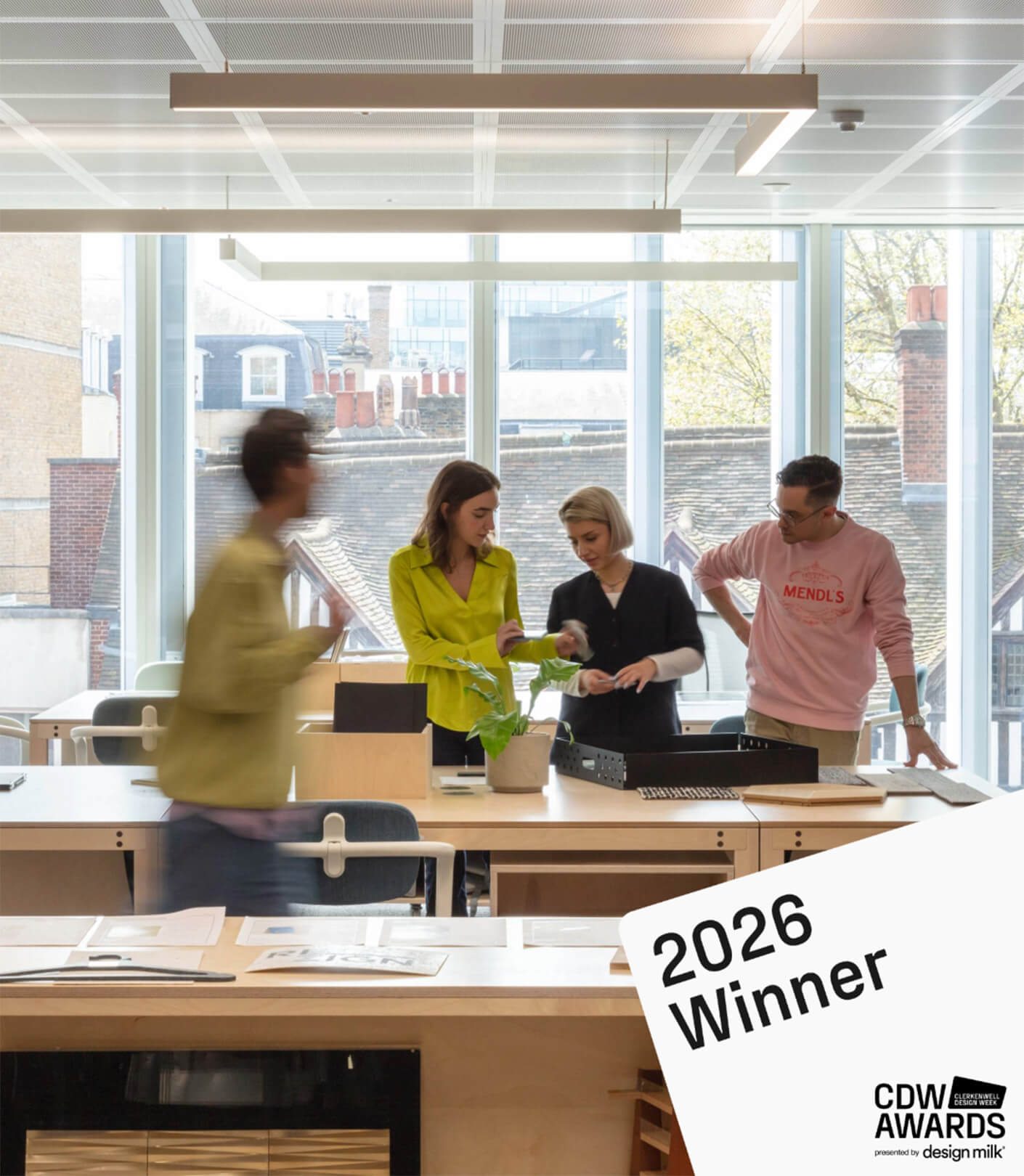
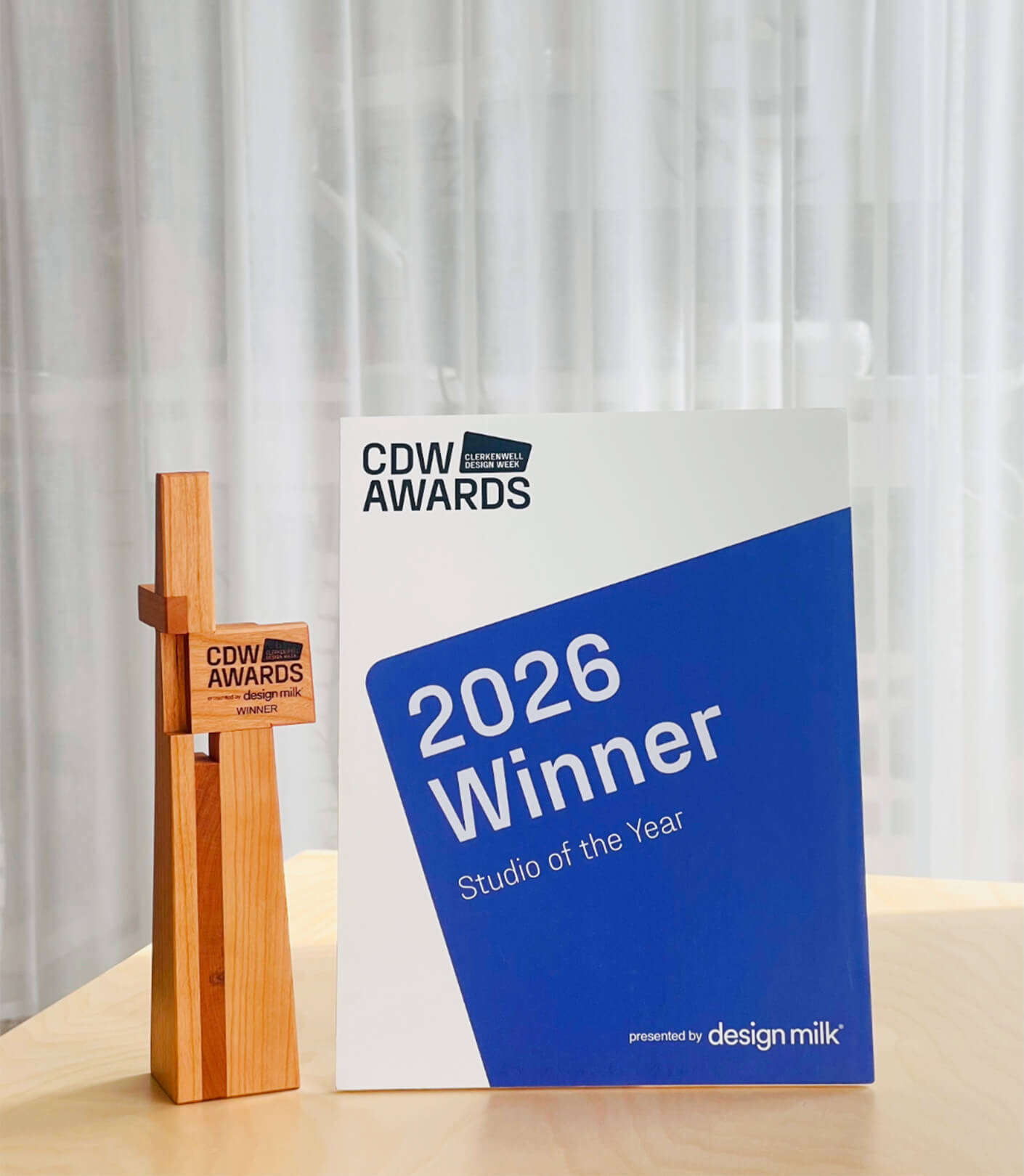
This recognition celebrates the passion, creativity, and dedication of our team, and the work we create from our home at 150 Holborn.
At the heart of our practice is a collaborative approach to designing functional, beautiful, and sustainable spaces that create meaningful social and environmental impact. From business headquarters and hospital masterplans to research labs and museums, every project is driven by our shared purpose: bringing our Living Design philosophy to life.
A huge congratulations to our entire London studio on this fantastic achievement
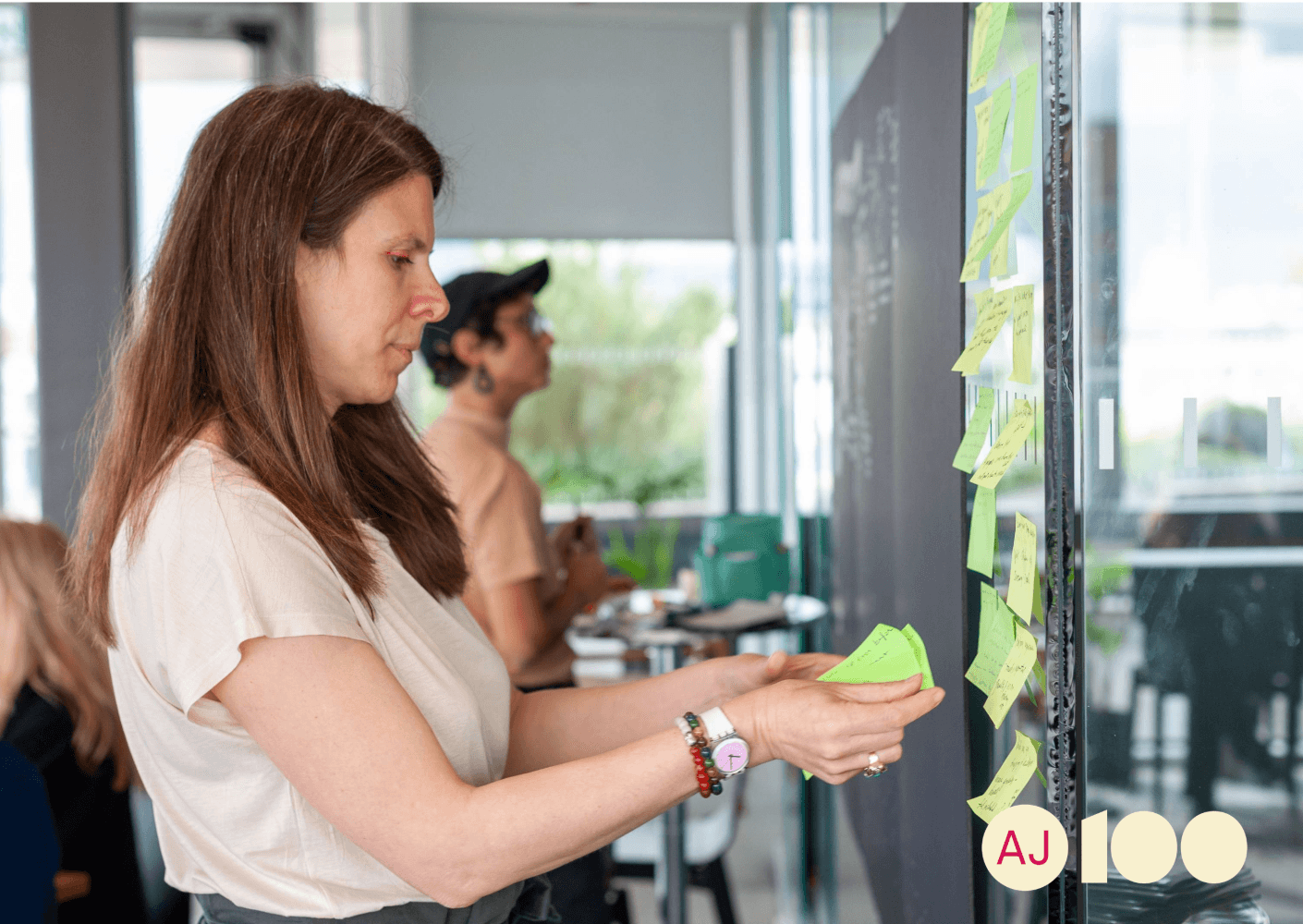
Firstly, “The Futures We Build: A Playbook for Long-Term Thinking” has been shortlisted for the Communication of the Year award.
Developed over the past year by Perkins&Will and Portland through a series of roundtables that brought together clients, partners, designers, changemakers, and business leaders, the playbook brings together seven provocations challenging how we design for the future of the built environment.
Click here to read more
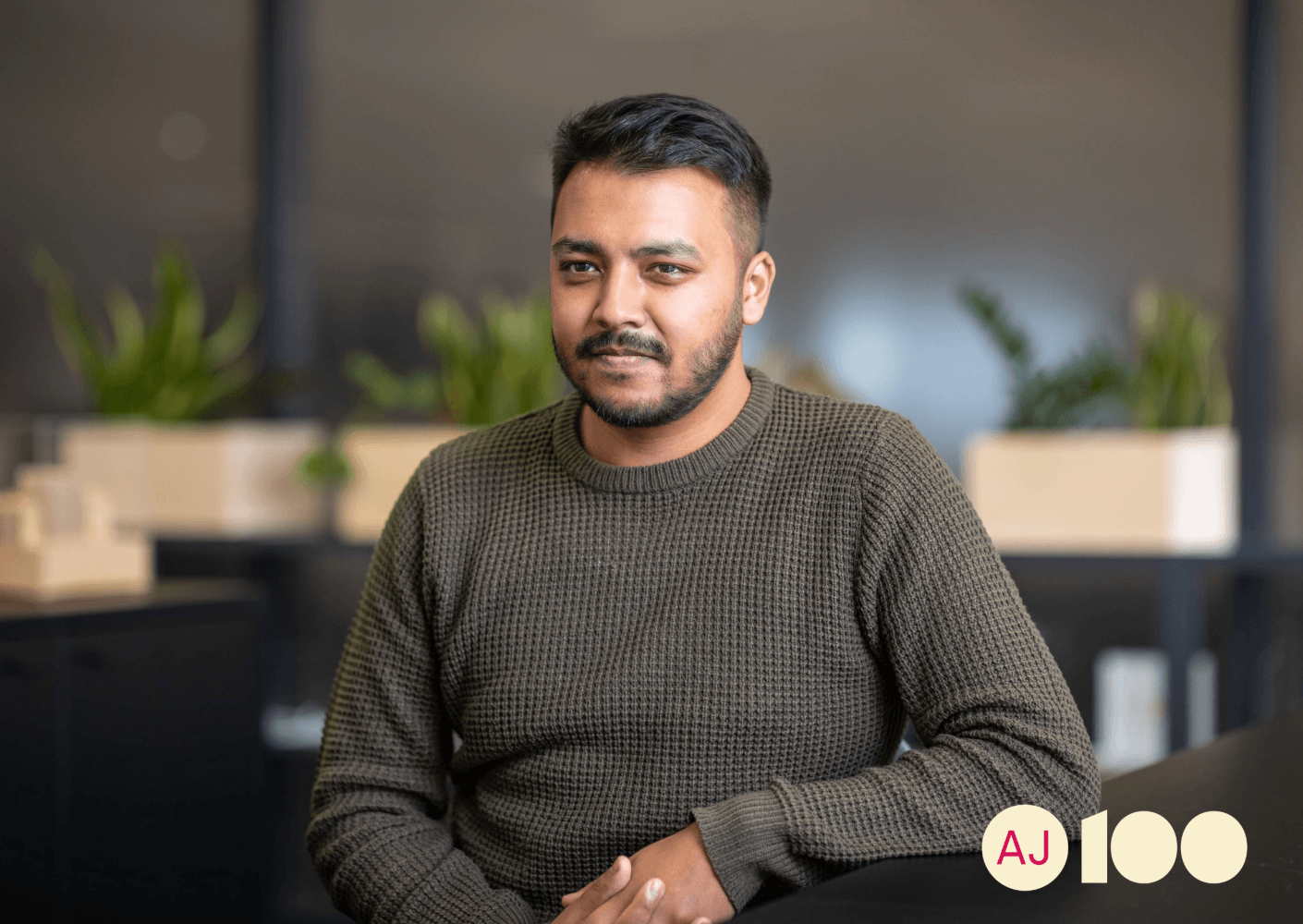
We’re also celebrating Amad Hussain, Part 2 Architectural Assistant in our London studio, who has been shortlisted for the New Talent award. Amad’s people-first approach, collaborative mindset, and commitment to innovation and mentorship continue to shape both our projects and studio culture.
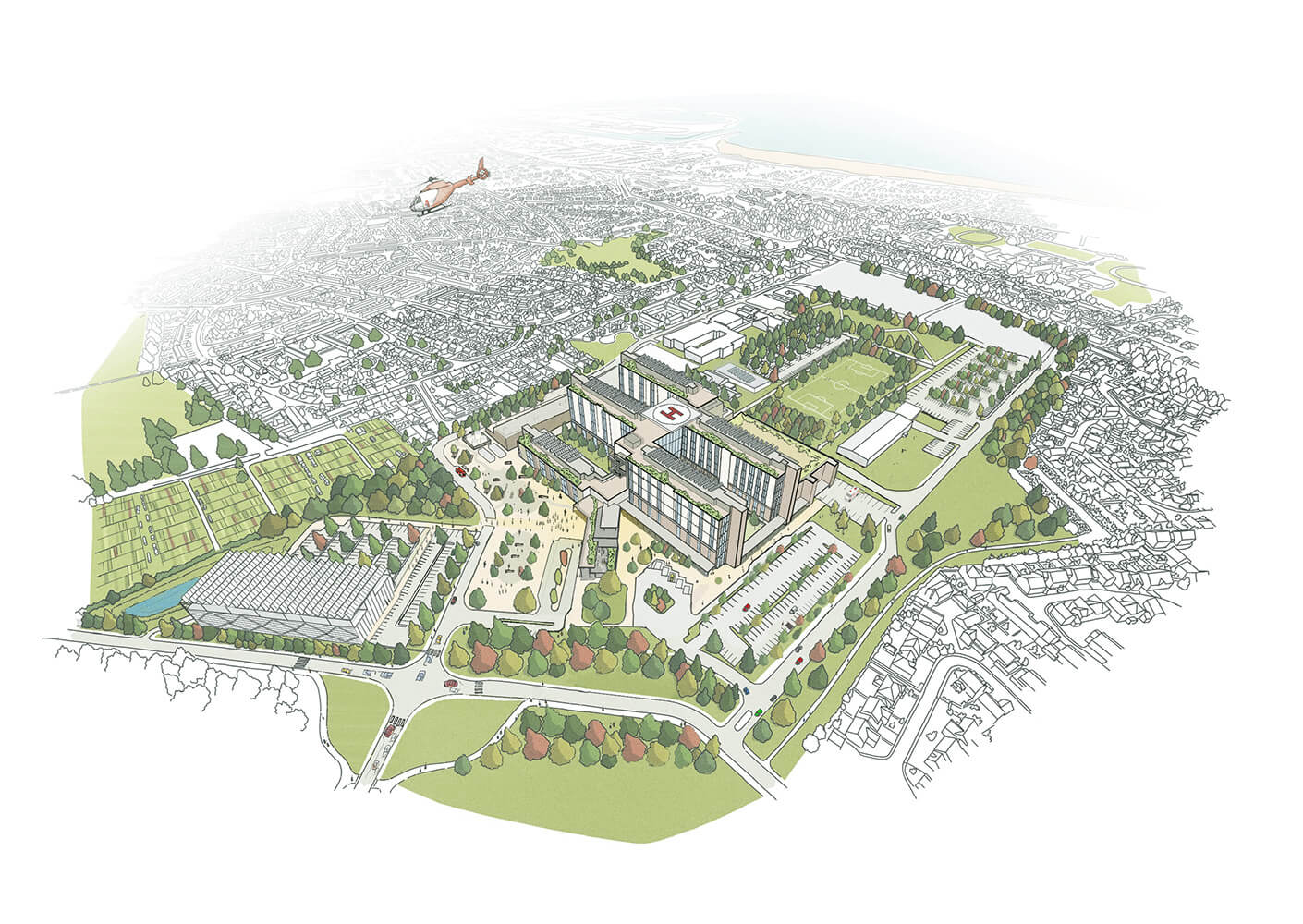
Perkins&Will London has been appointed lead consultant to design and develop the new James Paget Hospital in Great Yarmouth as part of the U.K. Government’s New Hospital Programme.
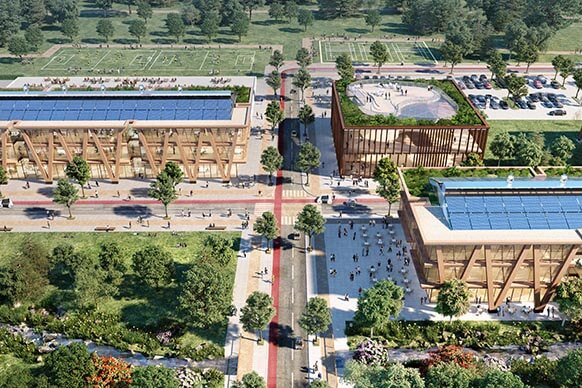
This future-ready healthcare campus, grounded in sustainability, regenerative design and human-centred thinking, will prioritise the experience of patients, staff and the wider community through pedestrian-first landscapes, wellbeing-focused environments, a new public park at the heart of the campus, and enhanced biodiversity.
The design adopts Modern Methods of Construction, utilising repeatable designs developed in alignment with the NHP’s Hospital 2.0 guidelines.
Expected to open in 2032/33, the new hospital will be one of the most significant construction projects in the region in decades, creating a lasting legacy for the community.
Click here to read more
At the end of April, we hosted the latest roundtable in our ‘spaces for:’ series, this time exploring the theme of Illusion.
Together with industry experts, peers and friends, we discussed how perception shapes our experience of space and why designing for people means designing for the many different ways space is seen, felt and understood.
The conversation explored emotional decision-making, sensory environments, neurodiversity, ageing, agency and inclusion, challenging the idea of a single “universal” experience of space. A recurring theme throughout the day was that design is never neutral: spaces either include or exclude, often unintentionally.
The discussion reinforced the importance of creating environments that are flexible, empathetic and responsive to the diversity of human experience.
Thank you to everyone who joined us and contributed to such an open and thought-provoking conversation.
Check out insights from lasts year’s spaces for roundtables here
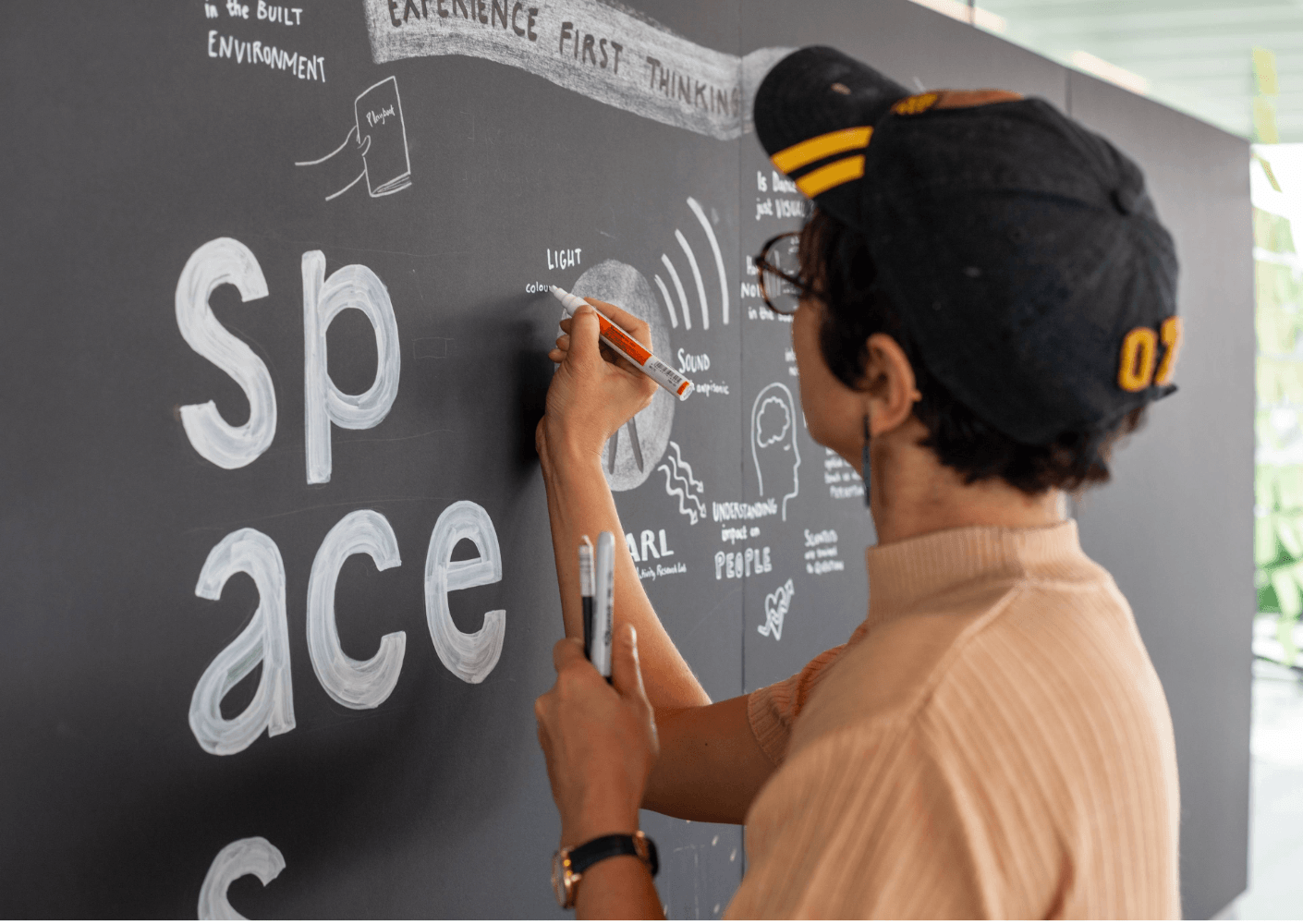
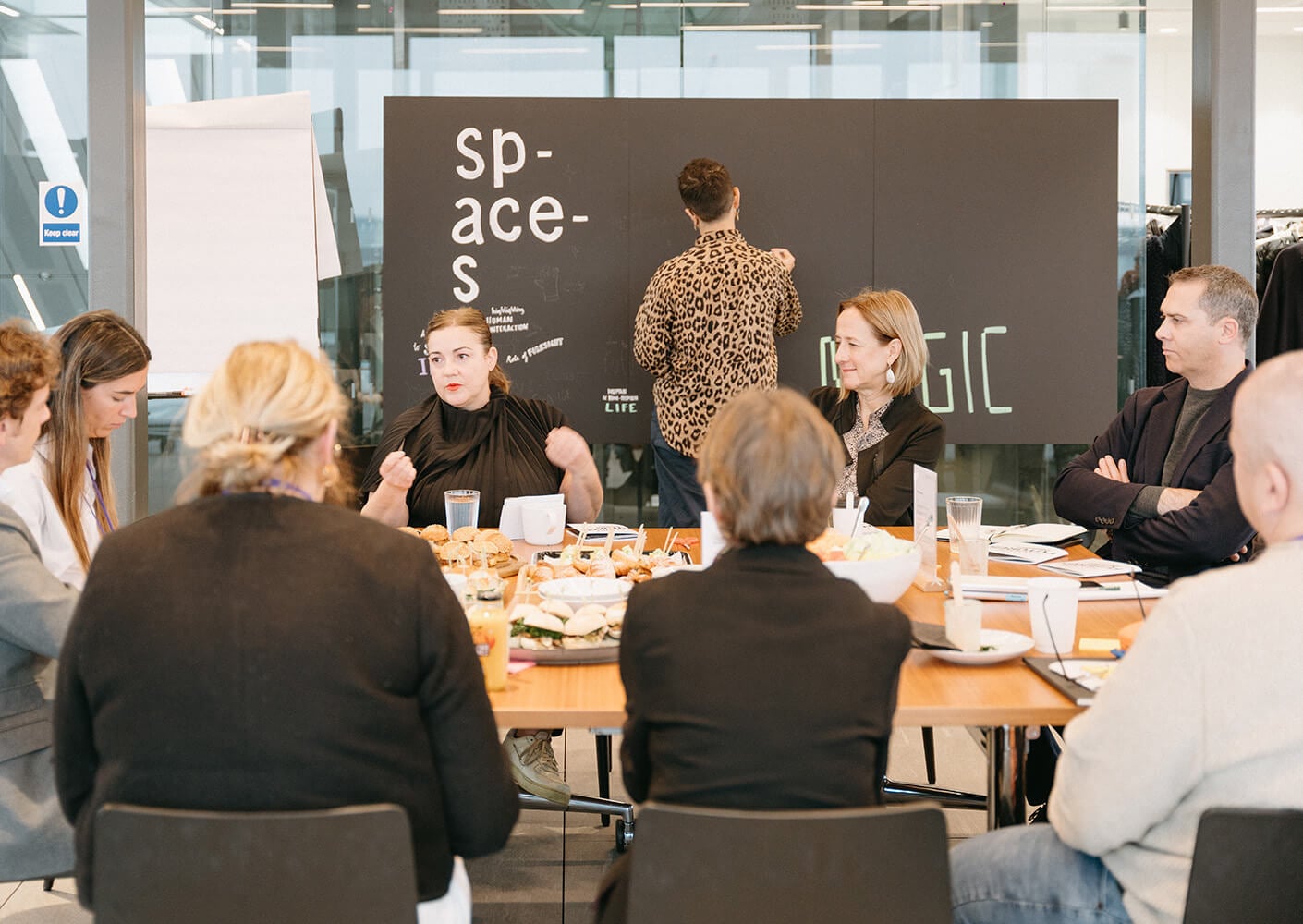
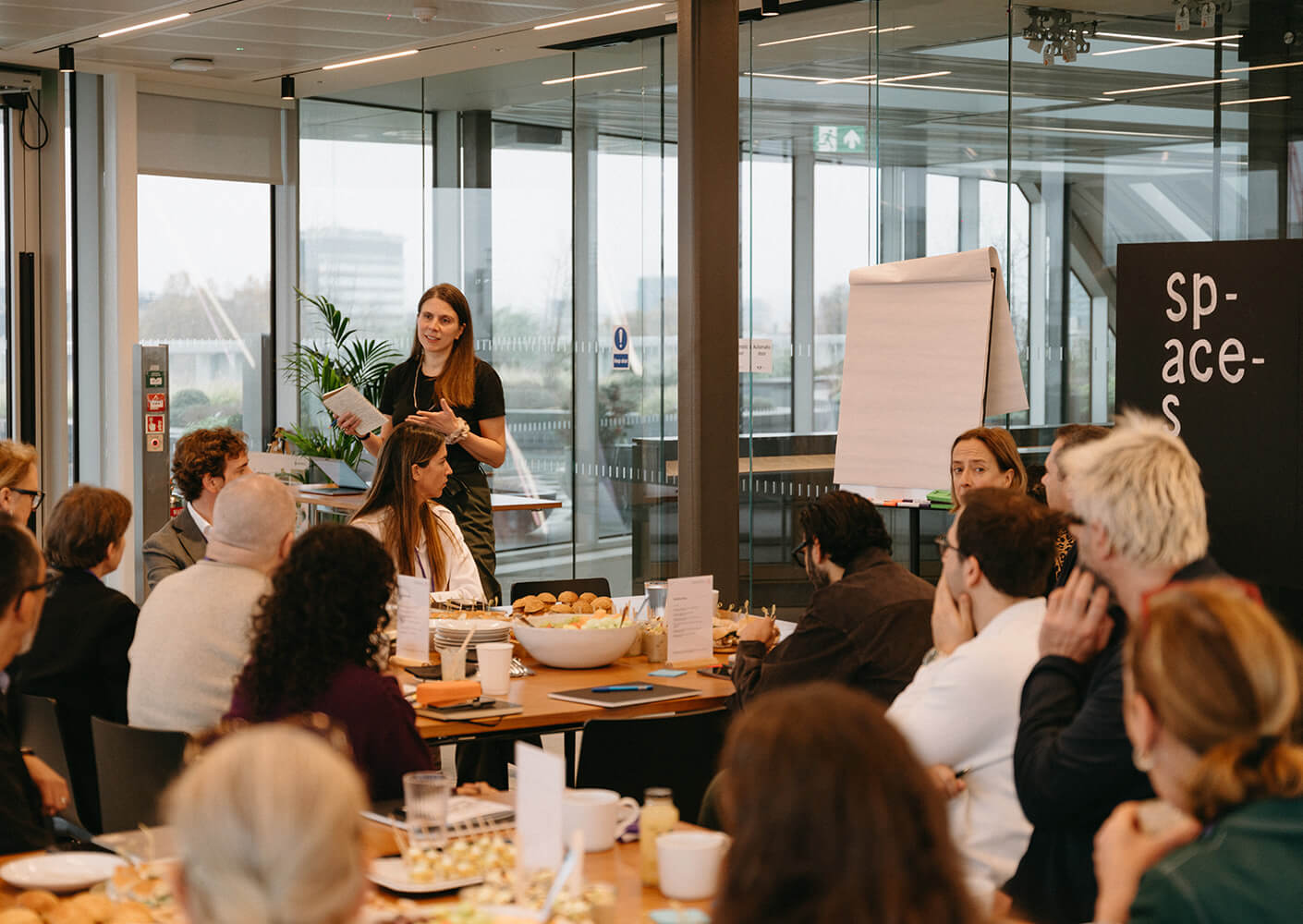
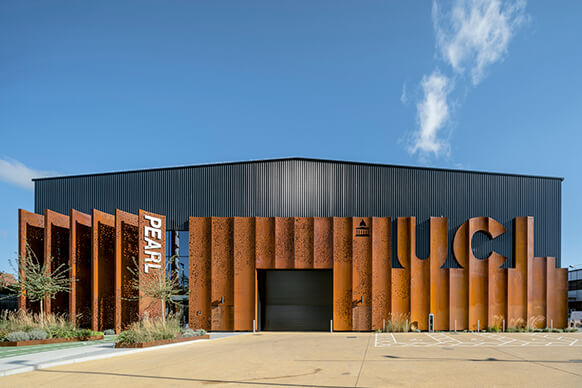
We’ve teamed up with University College London’s (UCL) Person Environment Activity Research Laboratory (PEARL) to host the 2026 spaces for: roundtable series. This initiative brings futures thinking to the forefront of the built environment, asking what becomes possible when spaces are designed from the inside out to support the human mind.
Following the success of the 2025 programme, this year’s collaboration leverages UCL’s unique research facility to study how people interact with their surroundings—and each other—through the senses. The roundtables will focus on three themes: illusion, empathy, and connection. They will examine how our surroundings support cognitive health, nurture a sense of belonging, and foster a more sustainable relationship with both people and the planet.
As with previous years, the findings will be distilled into a playbook shared with the wider design community to encourage industry-wide adoption of these research-backed methods.

We’re back! Kicking off Conversations with Colleagues for 2026 by introducing Lisa Pike, Higher Education Sector Lead in our London Studio.
An architect, strategist and regeneration design advocate, Lisa brings more than 15 years’ U.K. and international experience leading complex projects across higher education, civic and government, life sciences and mixed-use masterplanning.
In her new role, she’ll be shaping the strategic leadership for the studio’s work with higher education clients, helping institutions adapt estates and facilities to changing pedagogies, demographic shifts and sustainability goals.
We’re excited for you to meet Lisa!
Developed over the past year by Perkins&Will, Portland and the Royal College of Art’s superFUTURES, ‘The Futures We Build’ is a playbook that emerged from a series of roundtables that brought together clients, partners, designers, changemakers, and business leaders. Together, we asked them to step outside their silos and ask harder questions about the future of the built environment.
The playbook captures what surfaced: seven opportunities urging us to design differently, prompting us to move past function and consider how places influence social, emotional, and cultural outcomes. We have more agency than we think; the spaces we create can fragment or connect, limit or inspire, isolate or bring people together.
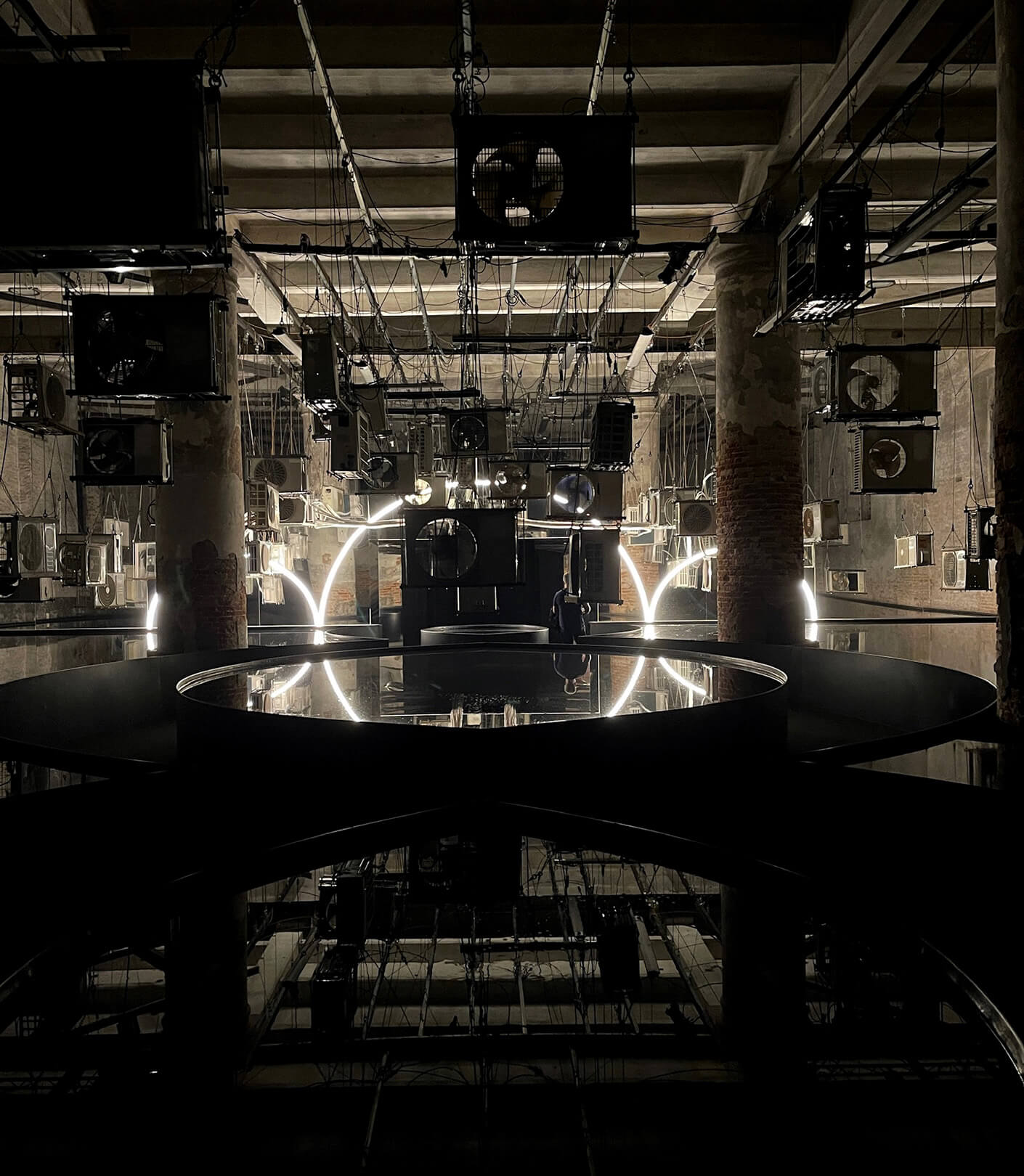
The theme of the Venice Architecture Biennale explored the climate crisis, demographic change, and the future of human-centric design, while asking: How must design evolve to meet humanity’s shifting realities?
Lara Baillargeon, Junior Designer and part of the London studio’s SIGNALS initiative, our strategic foresight forum exploring emerging global trends, visited the Biennale to find out more.
Reflecting on the exhibition, Lara notes: “Architects are working at scales from the intimate to the infrastructural, collaborating with technologists and measuring impact at both human and ecological levels to achieve not just survival, but genuinely liveable futures.”
Click here to read more.
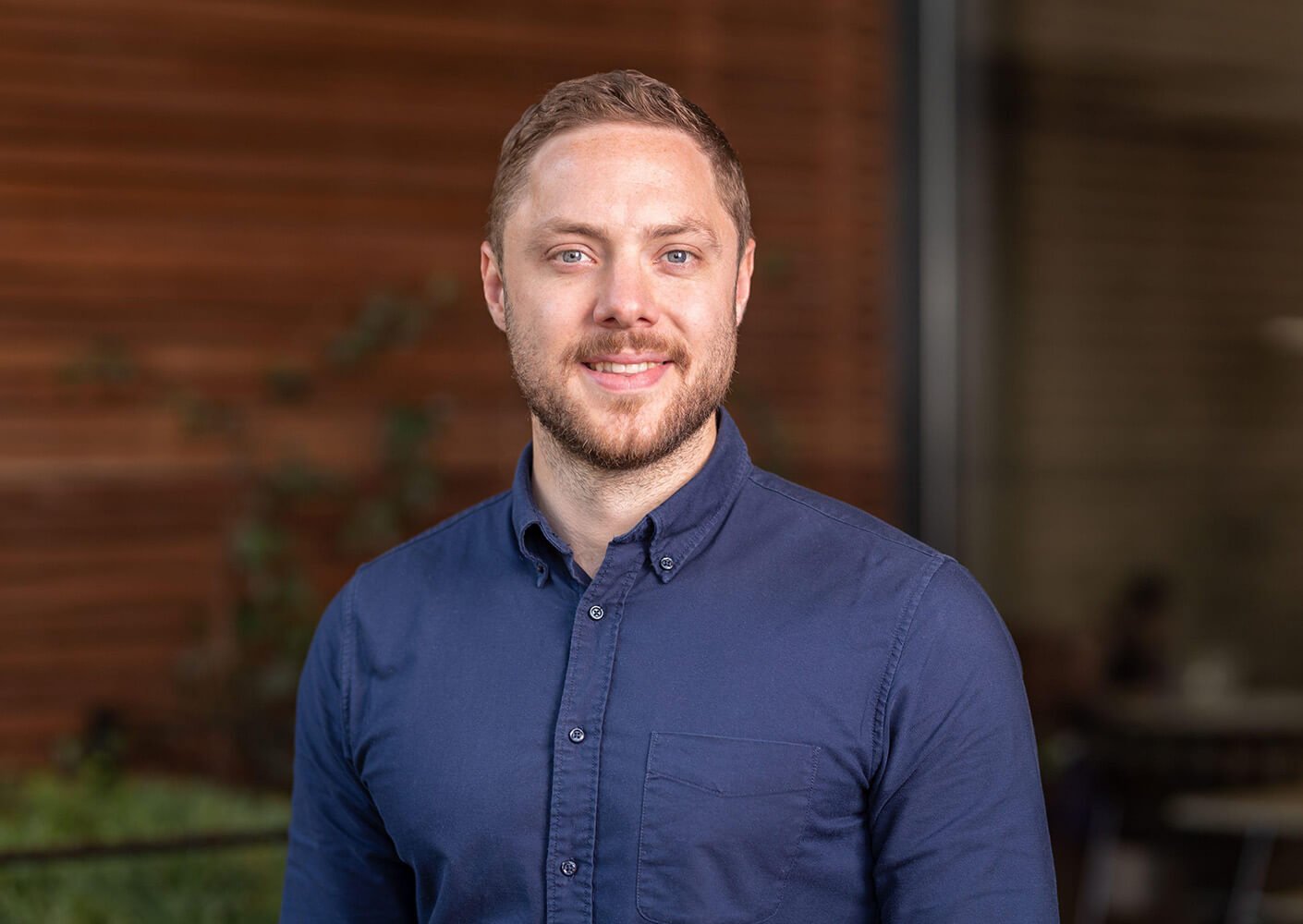
Chris Poulson, Senior Associate, sat down with See,be to talk about 10 Station Road in Cambridge, a project that pushes boundaries of sustainability, wellbeing, and regenerative design.
The project expresses our Living Design ethos, placing human experience at the centre: prioritising daylight, fresh air, movement and nature throughout. 10 Station Road has achieved BREEAM Outstanding, NABERS 4.5, WELL Core Gold, and EPC A ratings – setting a new benchmark for sustainable commercial architecture in Cambridge.
Click the link here to read the full interview.
Set within 10 hectares of verdant landscape, the campus embodies ACCIONA’s vision of continuous innovation and a deep connection to nature. Designed around the natural elements that energize daily life — light, shadow, air, and water — it brings together 4,000 employees in a workplace that unites sustainability, community, and creativity.
Architectural interventions maximize daylight, natural ventilation, and access to green spaces. Outdoor pavilions and terraces promote flexible, healthy ways of working, while a restrained palette of white, wood, and reflective materials evokes the warmth and simplicity of Spanish vernacular architecture.
Balancing the site’s existing industrial textures with refined new materials, the design creates an honest dialogue between old and new. The result is a beautiful, natural, and sustainable campus — a living expression of ACCIONA’s commitment to people, innovation, and the planet.

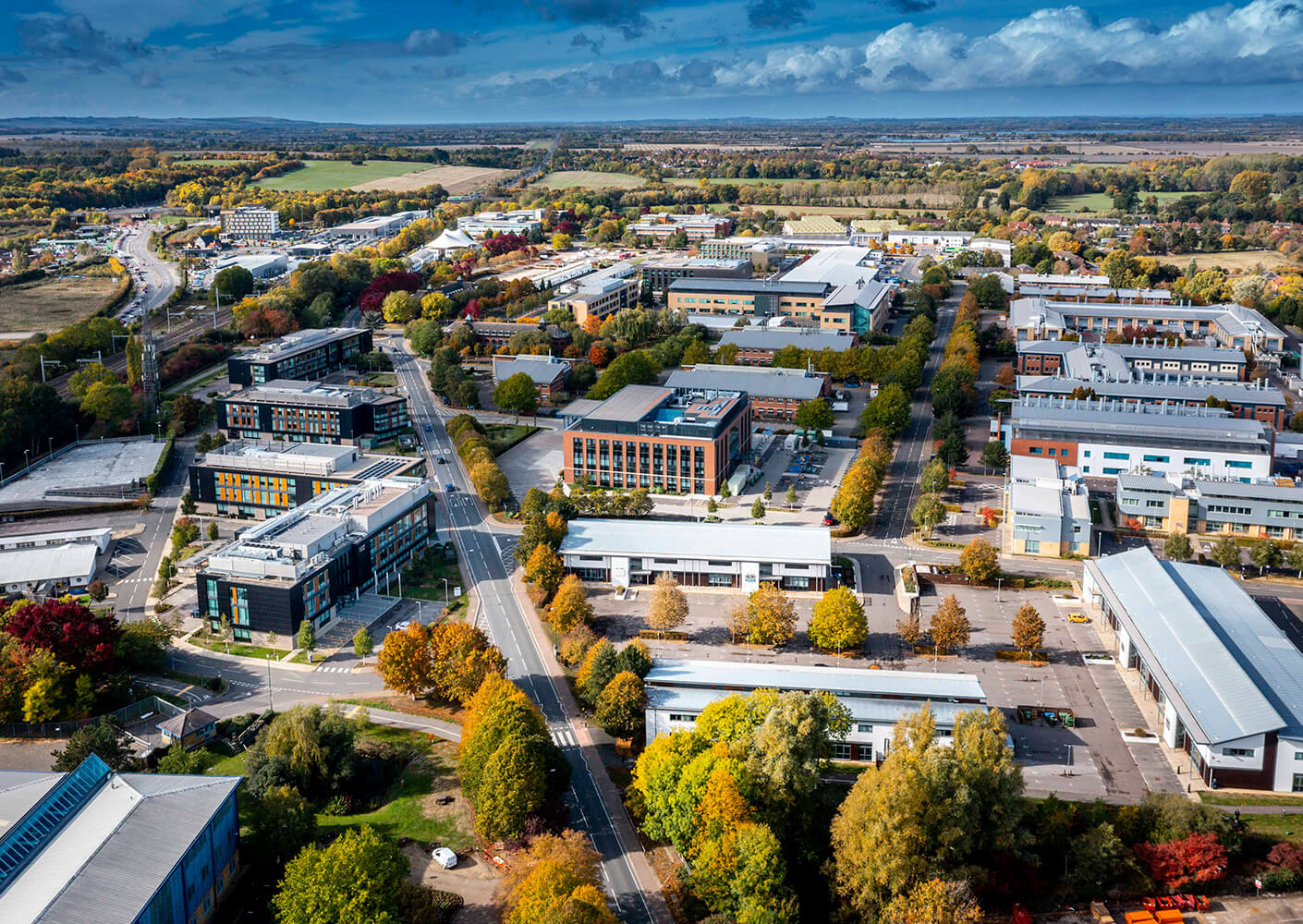
The Vale of White Horse District Council and Oxfordshire Country Council has announced the adoption of the District Council’s new data-driven, travel-focused Local Development Order (LDO2) to streamline the planning process, and attract even more life science and technology investment to one of Europe’s largest innovation communities. Once adopted, the updated order will help to fast-track planning approvals to just 10 days, allow occupiers to capitalise on growth opportunities to create thousands of new jobs, and deliver high standards of sustainable design and biodiversity net gain.
Collaborating closely with Milton Park, their team, and the Vale of White Horse we developed LDO Parameter Plans for future development that took on board landscape and heritage considerations and established user friendly Design Guidelines for delivering a vibrant science and technology district – integrating state-of-the-art buildings, high-quality amenities, thoughtfully-designed spaces for fast-growing tech businesses, and lively, accessible public realm.
Our London Leaders







Related Work
Socialize with London